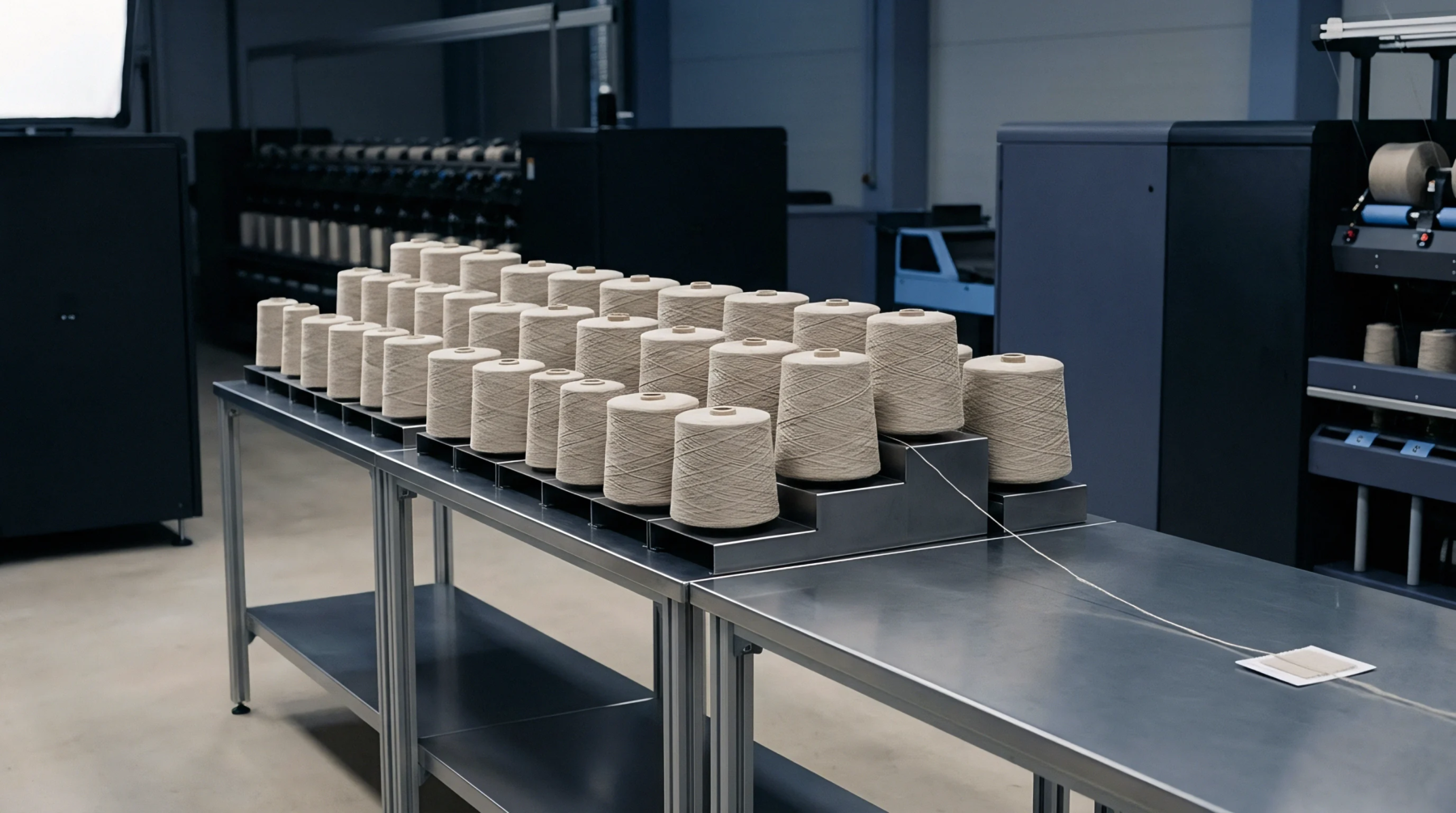
Who Pays the Retest When a Bulk Batch Fails
When a bulk batch fails primary testing, the mill pays for accredited retests if counter-sample analysis confirms non-compliance under contract terms.
When a bulk batch fails primary testing, the mill pays for accredited retests if counter-sample analysis confirms non-compliance under contract terms.

Subcontracted wet processing liability requires explicit pass-through indemnity clauses and batch-linked transaction certificates to bind sub-tier dyehouses.

Bayesian acceptance sampling with depth-isolated microtome preparation isolates localized layer non-compliance, reducing consumer import risk below zero point five percent.

Enforceable split sample protocols mandate nitrogen-sealed tripartite swatches, pre-agreed ISO 17025 test methods, and statistical reproducibility limits.

Verify APEO compliance by testing input chemical formulations via ISO 18218-1 LC-MS/MS at the mill kitchen rather than relying solely on fabric certificates.

Analytical verification of depolymerized monomer purity requires chromatographic trace contaminant profiling to substantiate cross-border recycled claims.
Acceptance sampling for padded textile finishes requires zero-acceptance attribute plans, composite limit adjustments, and ISO 17025 laboratory scope verification.

ISO 17025 envelope testing establishes clearance by testing worst-case chemical and physical fabric boundaries to clear full material families across markets.

Verify mid-run expired scope certificates by auditing automated dyehouse dosing timestamps against certifier extension rules and ISO 17025 chemical retesting.

Mid-season PFAS spec changes require re-engineering fabric density, adjusting curing parameters, and holding lot-traceable total fluorine CIC test evidence.

Cross-border restricted substance clearance demands aligning solvent extraction parameters, instrument detection limits, and batch sampling protocols across jurisdictions.

Polyvinyl chloride compliance demands precise thermal desorption parameters to remove residual solvents and lock phthalate plasticizers within polymer matrices.
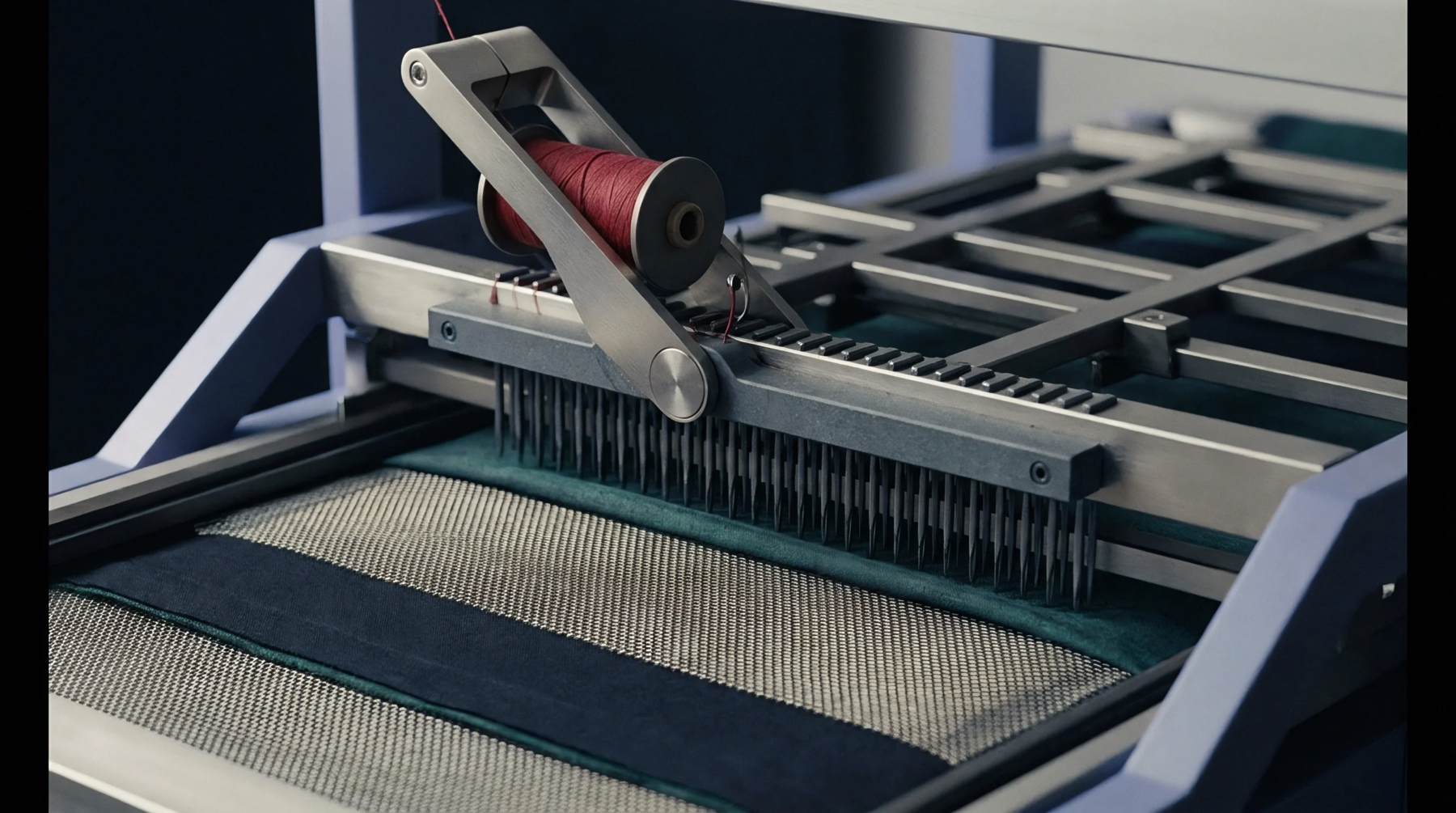
Unified chemical threshold matrices enable multi-market fabric clearance by harmonizing the strictest global limits into single-lot test protocols.

Standardized chemical limit verification in primary dyeing requires lot-level analytical testing linked to transaction certificates rather than factory scope documents.
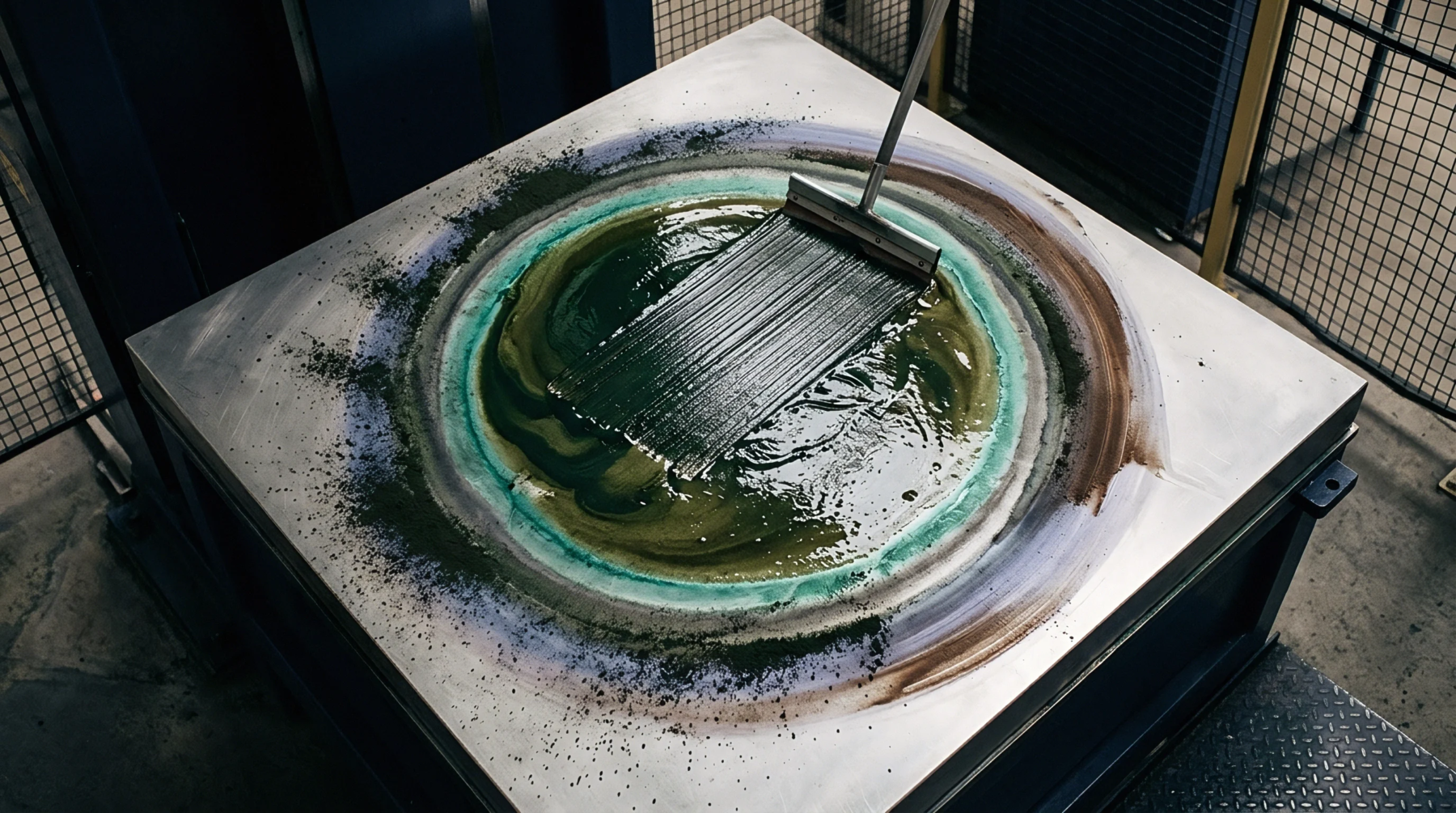
Subcontracted garment laundries introduce restricted auxiliary risks that require batch-level finished garment testing and strict contract indemnity clauses.

Mass balance credit allocation requires physical analytical marker verification to survive regulatory scrutiny under emerging green claim enforcement rules.
Cross-border chemical recycling claims require matrix-validated ICP-MS and LC-MS/MS testing to quantify trace non-volatile contaminants below regulatory limits.

A test report guarantees compliance only when the laboratory accreditation schedule lists the specific test method, analyte family, and exact substrate matrix.

Gas chromatography mass spectrometry with deuterated internal standards quantifies residual dimethylformamide in coated textiles down to 5 mg/kg.

Tier two chemical audit schedules must prioritize wet-processing recipe risk and inventory mass balance over factory volume or static annual cycles.
Subcontracted dyehouse failures create direct financial liabilities through unverified chemical additions, requiring strict retest protocols and PO cost allocation.

Recurrent fabric compliance demands batch-level analytical testing, scope-matched transaction certificates, and mill auxiliary chemical audit controls.

Managing analytical variance in repeat fabric testing requires ISO 17025 lab alignment, ISO 10576 guardbanding, and cryogenic sample preparation.

Closing analytical limit gaps requires testing finished production garments against regulatory screening limits rather than commercial reporting cutoffs.
Solvation choices and matrix binding alter chemical extraction yields, making laboratory methodology details decisive in cross border compliance audits.

Resolve transatlantic chemical compliance boundary disputes by embedding JCGM 106 guard-banded decision rules and referee lab protocols into contracts.

Thermal oven clearance of aprotic solvents from coated PVC requires balancing dwell kinetics against plasticizer bonding to satisfy destination testing limits.

Verify subcontracted dyehouse auxiliaries at the receiving dock using FTIR-ATR fingerprinting and LC-MS/MS testing before chemical baths contaminate piece goods.

Dockside mass spectrometry screening of liquid dyehouse auxiliaries prevents high-cost finished fabric contamination and retail customs seizures.

Intermediate multi-tier certificate reconciliation demands balancing physical mass loss across manufacturing tiers against targeted analytical assays.
Expertise is a utility, not a secret. sentiention™ publishes its working knowledge as open reference: intelligence layer covering the materials it sources, the markets it enters, and the reference that serves both.