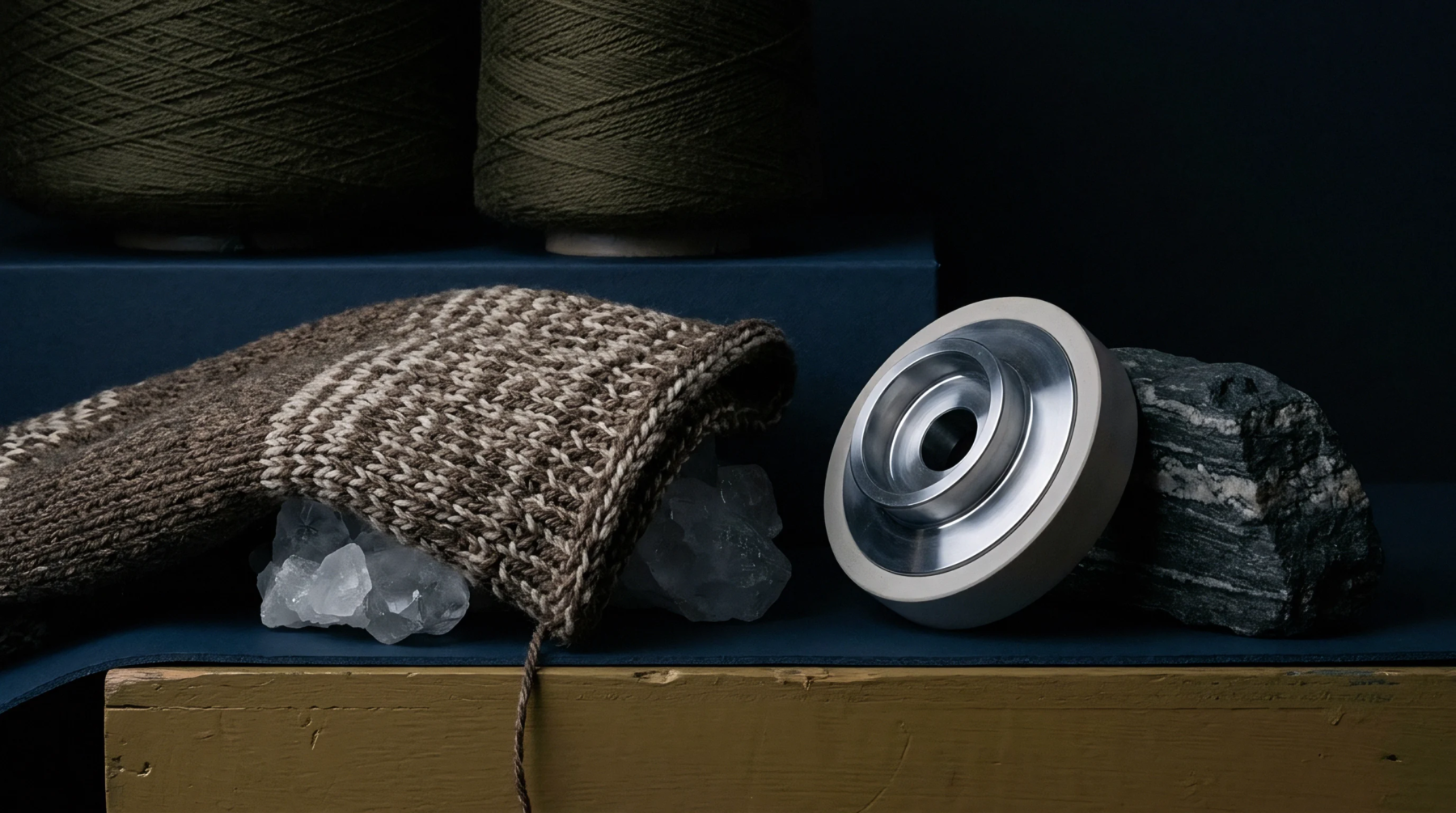
Natural and Synthetic Fibres and What Each Does in a Fabric
Fibre composition dictates physical durability, moisture regain, dye chemistry, and customs classification before spinning machinery turns.
Fibre composition dictates physical durability, moisture regain, dye chemistry, and customs classification before spinning machinery turns.

Dye lot conversion schedule reconciliation requires matching greige bulk density and nozzle hydraulics to vessel capacity, preventing pump cavitation and shade drift.
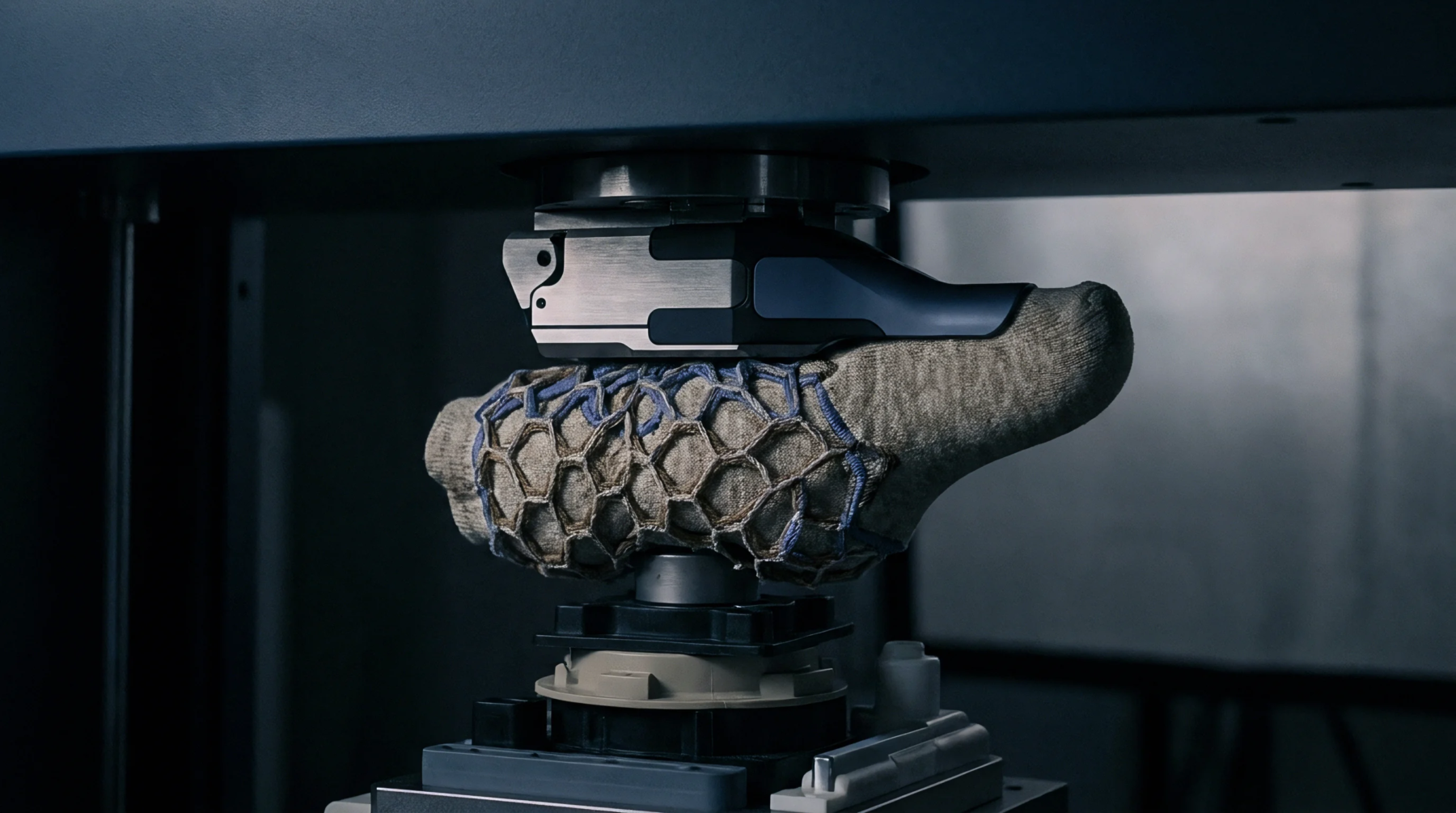
Chlorinated solvent extraction of synthetic yarns leaches structural cyclic oligomers, requiring chromatographic baseline corrections to prevent inflated finish oil counts.
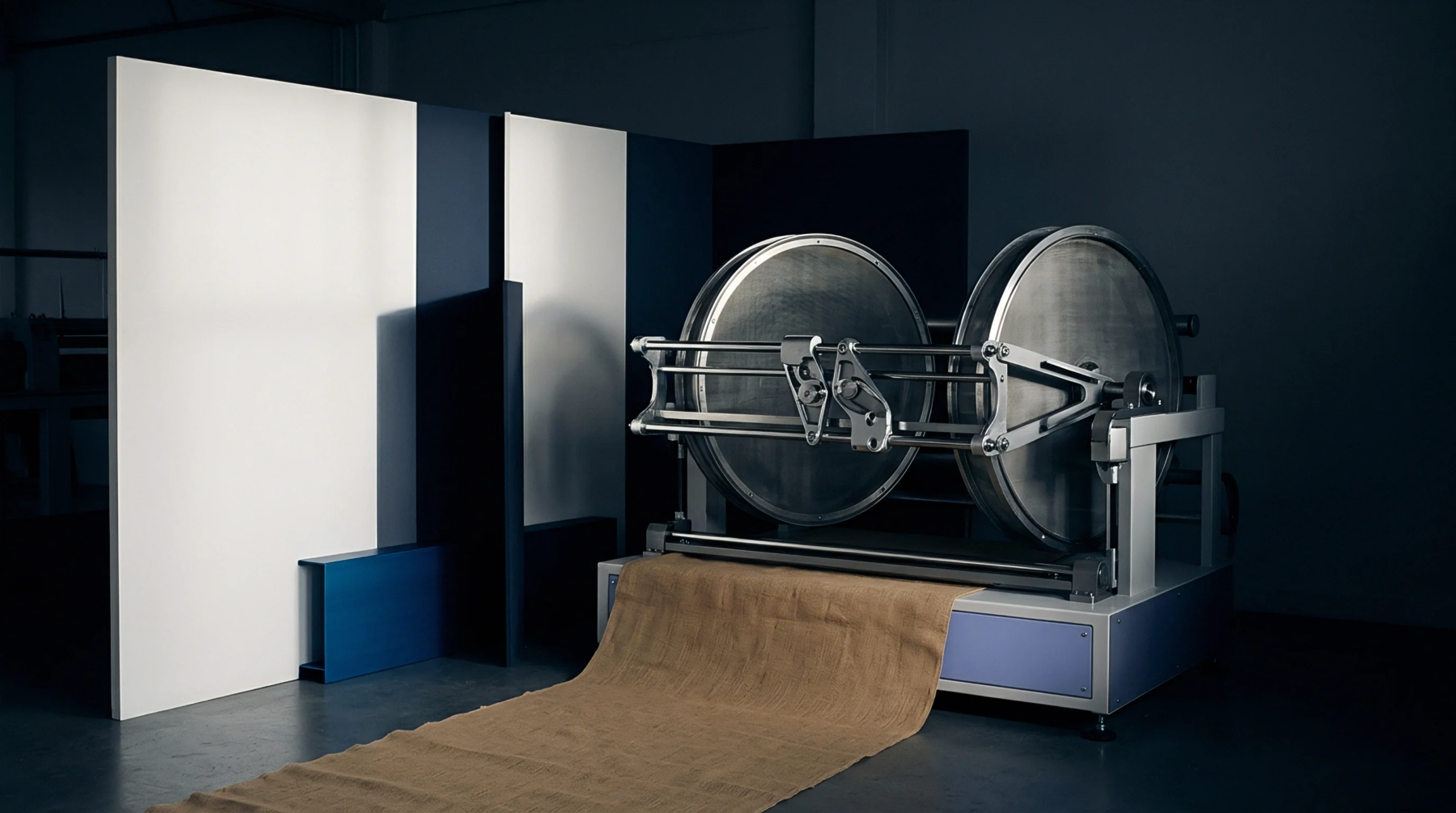
Mathematical overfeed modeling balances longitudinal compressive force against thermal viscoelastic relaxation to lock target crimp geometry and control finished GSM.
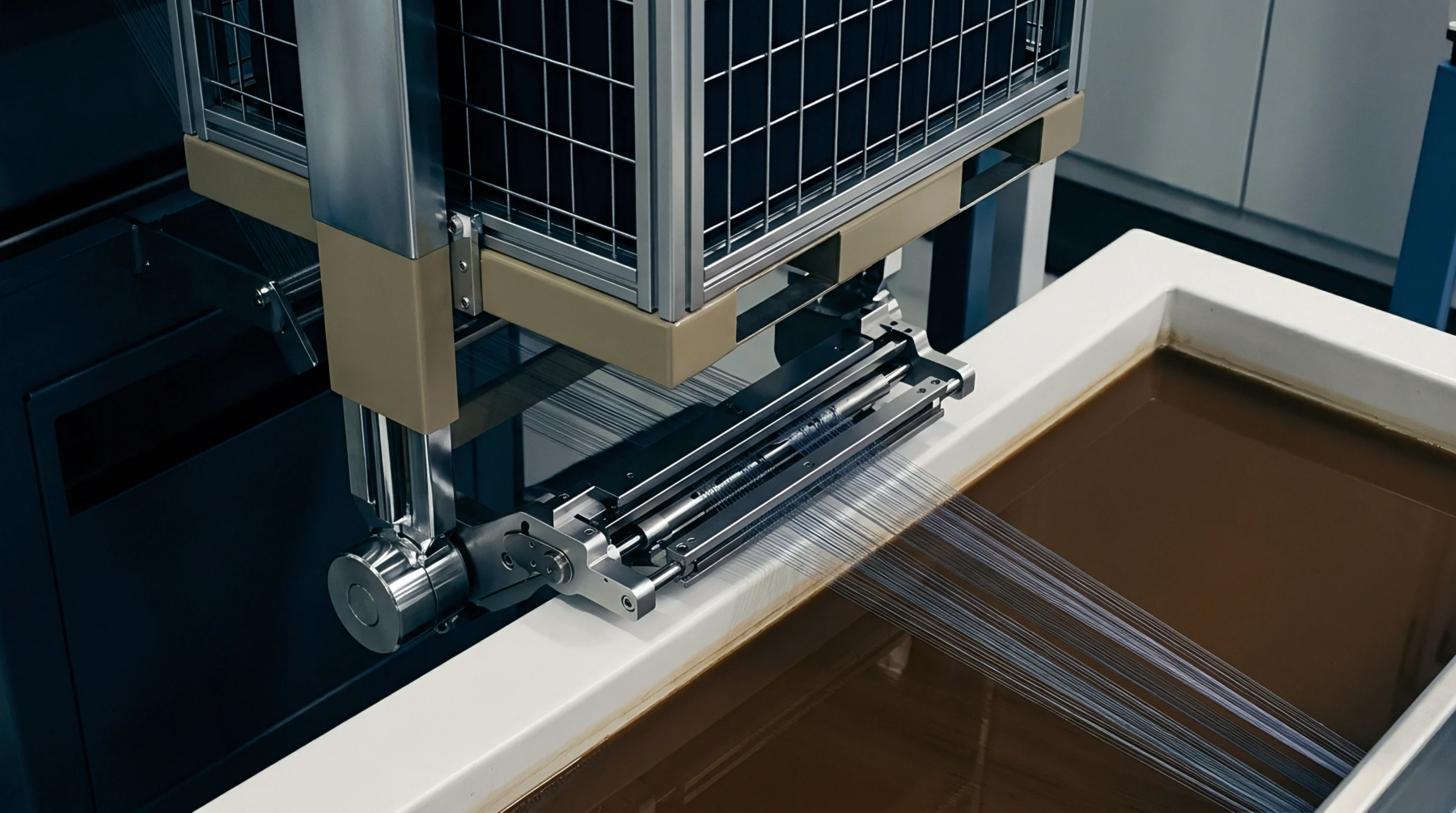
Polyurethane residual solvent quantitation requires ultrasonic liquid extraction with methanol and GC-MS SIM analysis to verify REACH and OEKO-TEX batch limits.

Polyurethane matrix desorption kinetics require late-zone temperatures above polymer glass transition points to clear bound polar aprotic solvents below legal REACH limits.
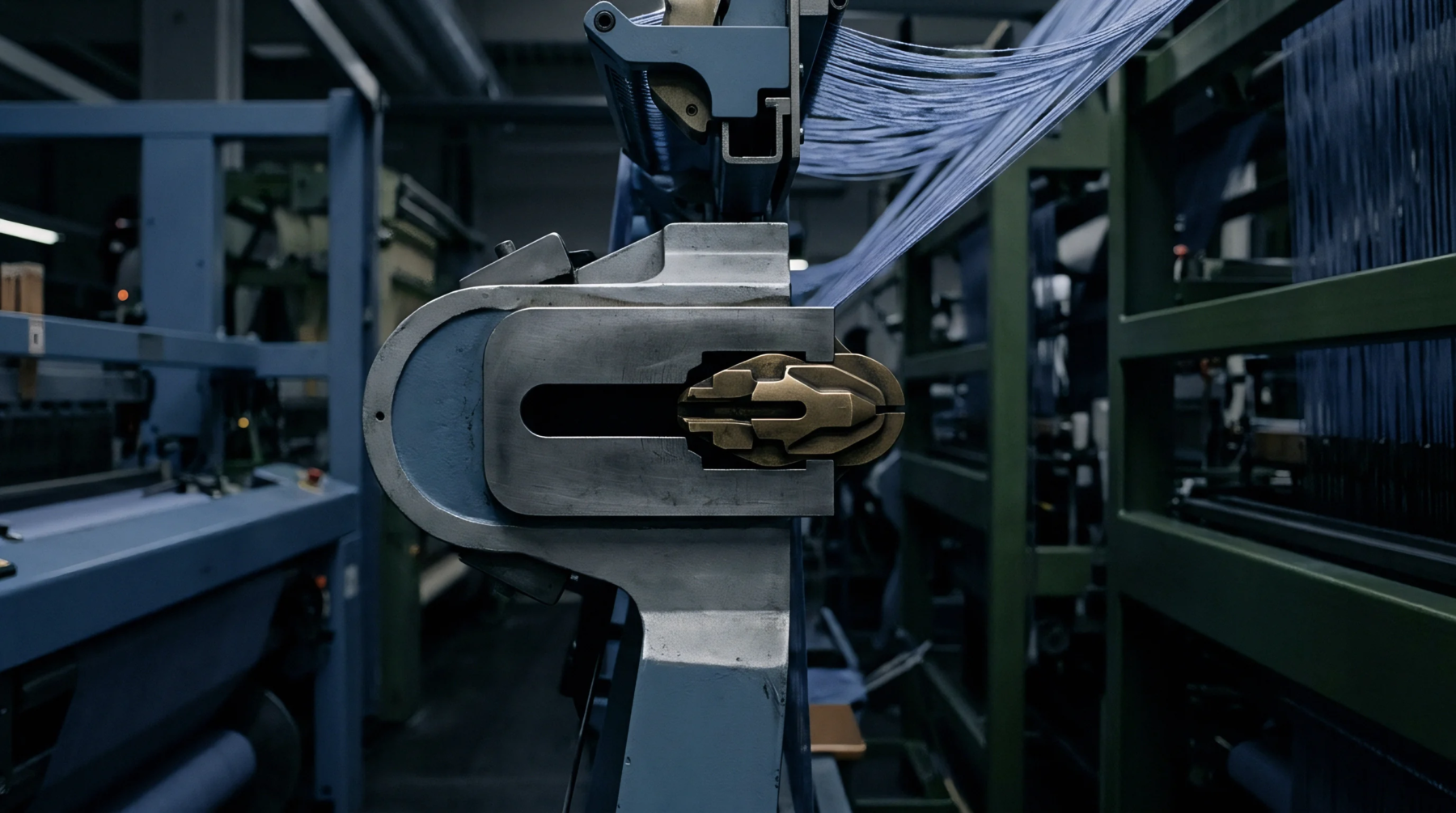
Optimizing sizing polymer add-on levels balances yarn hairiness reduction against shed dusting to maximize air-jet loom efficiency and lower desizing costs.
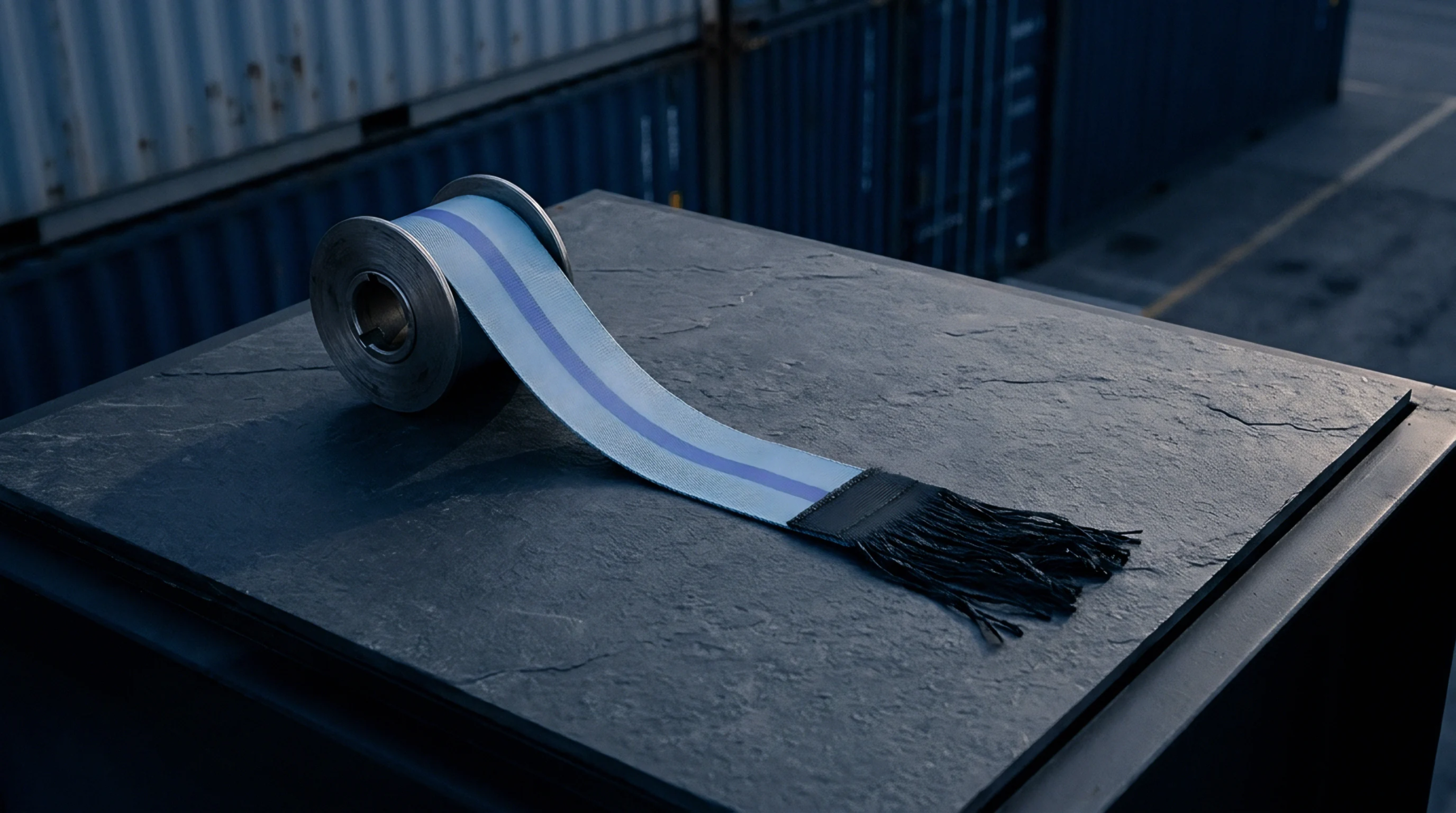
Polyvinyl chloride compliance demands precise thermal desorption parameters to remove residual solvents and lock phthalate plasticizers within polymer matrices.
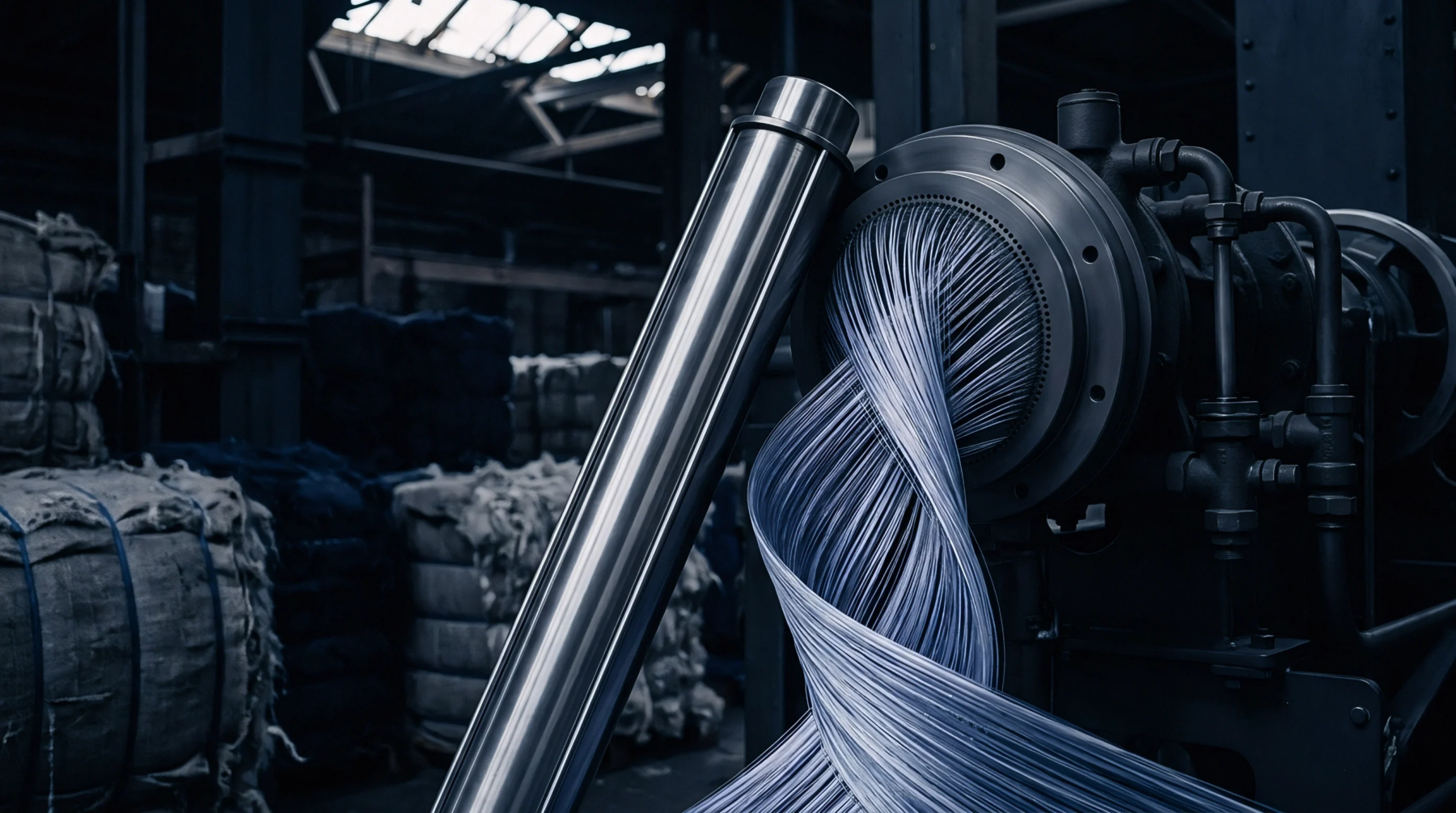
Continuous stenter thermal ramps induce capillary collapse and structural pore degradation, dictating finished air permeability and barrier performance.

Desorption of polar solvents from crosslinked polyurethane requires thermal energy above the network glass transition temperature to release hydrogen-bonded fraction.
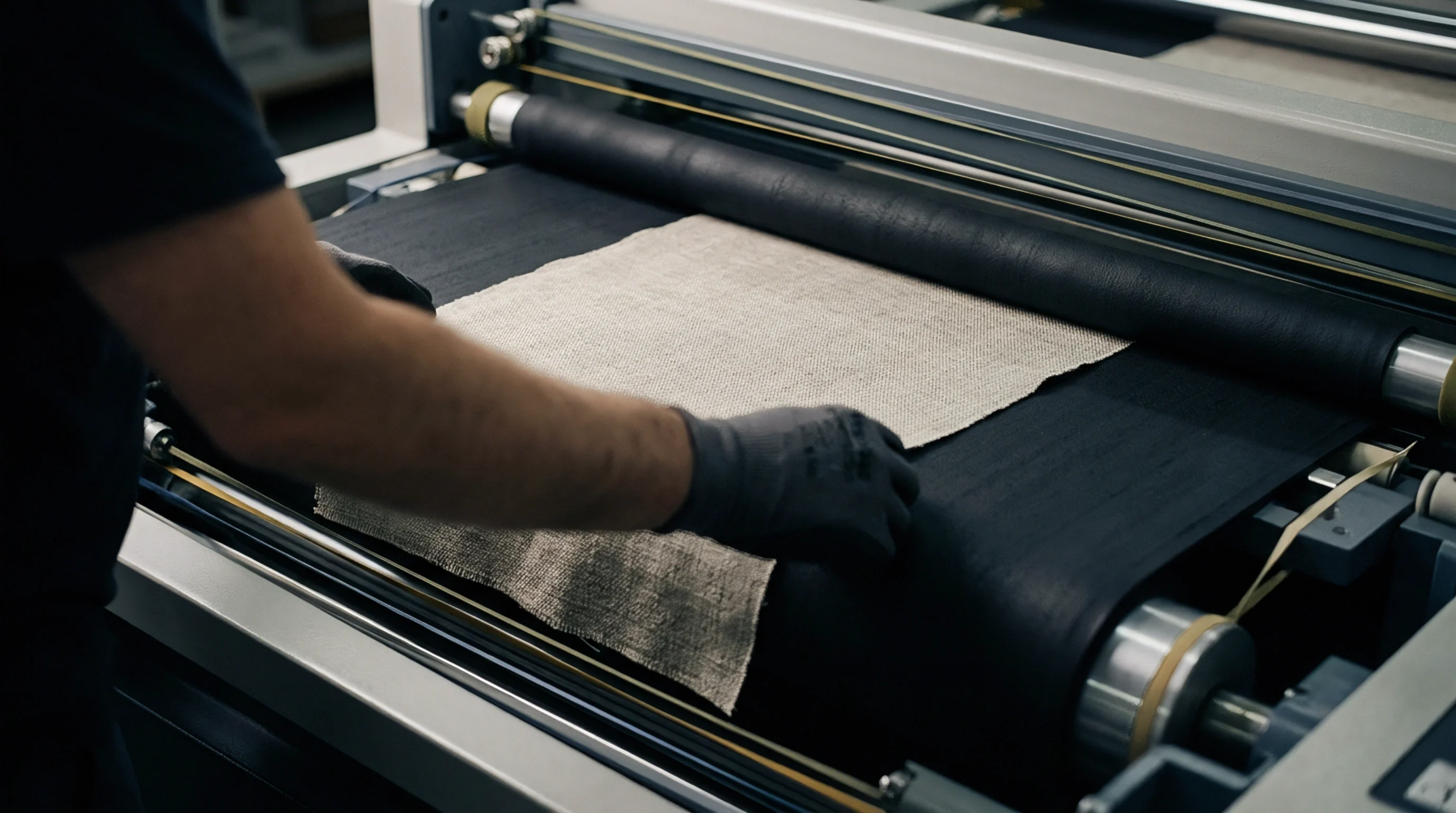
Biaxial thermal stenter extension alters yarn crimp balance through coupled viscoelastic relaxation and Peirce geometry shifts, dictating final fabric dimensional stability.

Finite element modeling reveals hydrothermal yarn strain in jet dyeing stems from drag forces exceeding wet elastic limits near polymer glass transition.
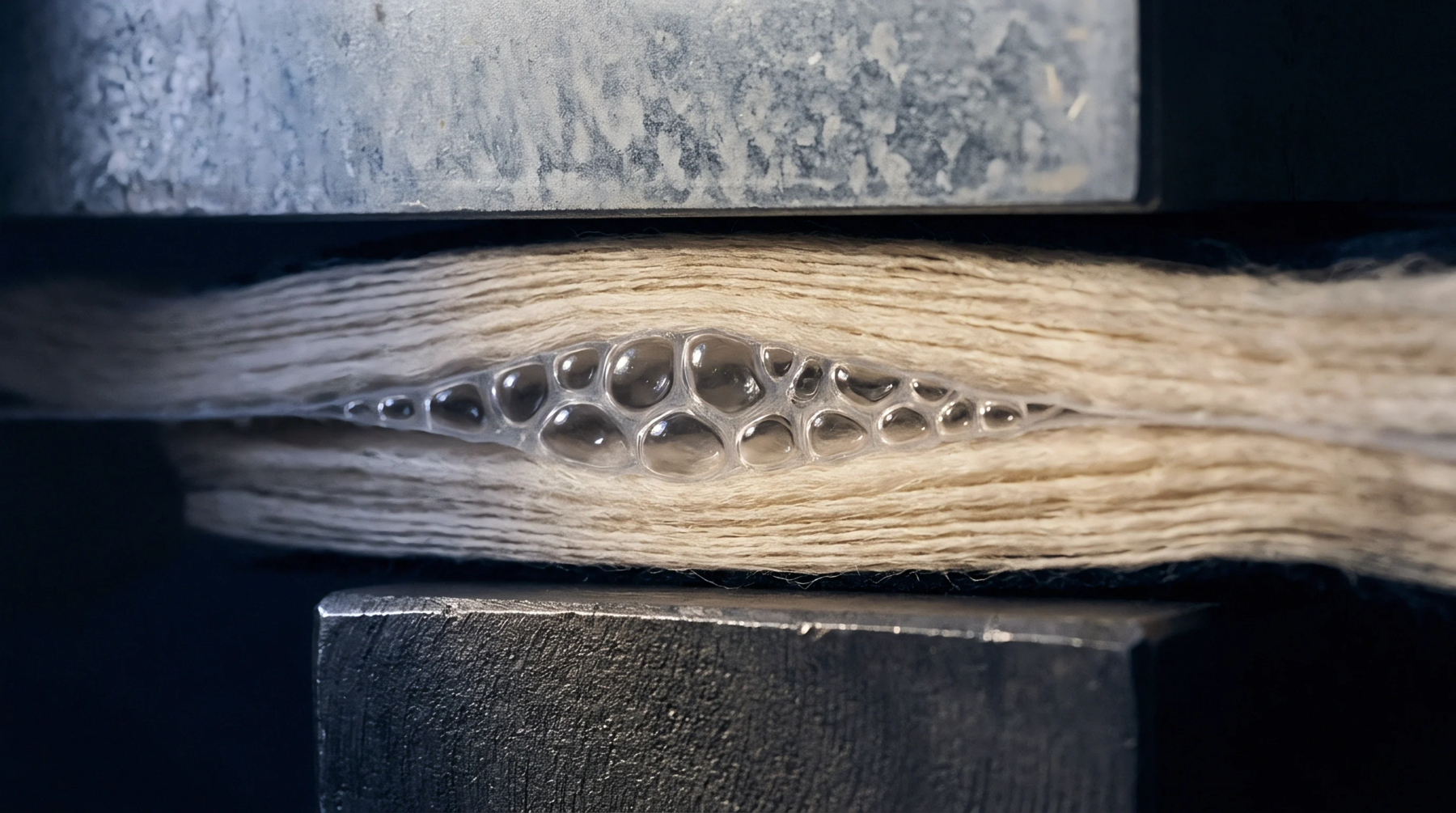
Humid air plasticizes sizing dust into sticky cakes inside relay nozzle bores, distorting airflow profiles and causing costly pick insertion stops.
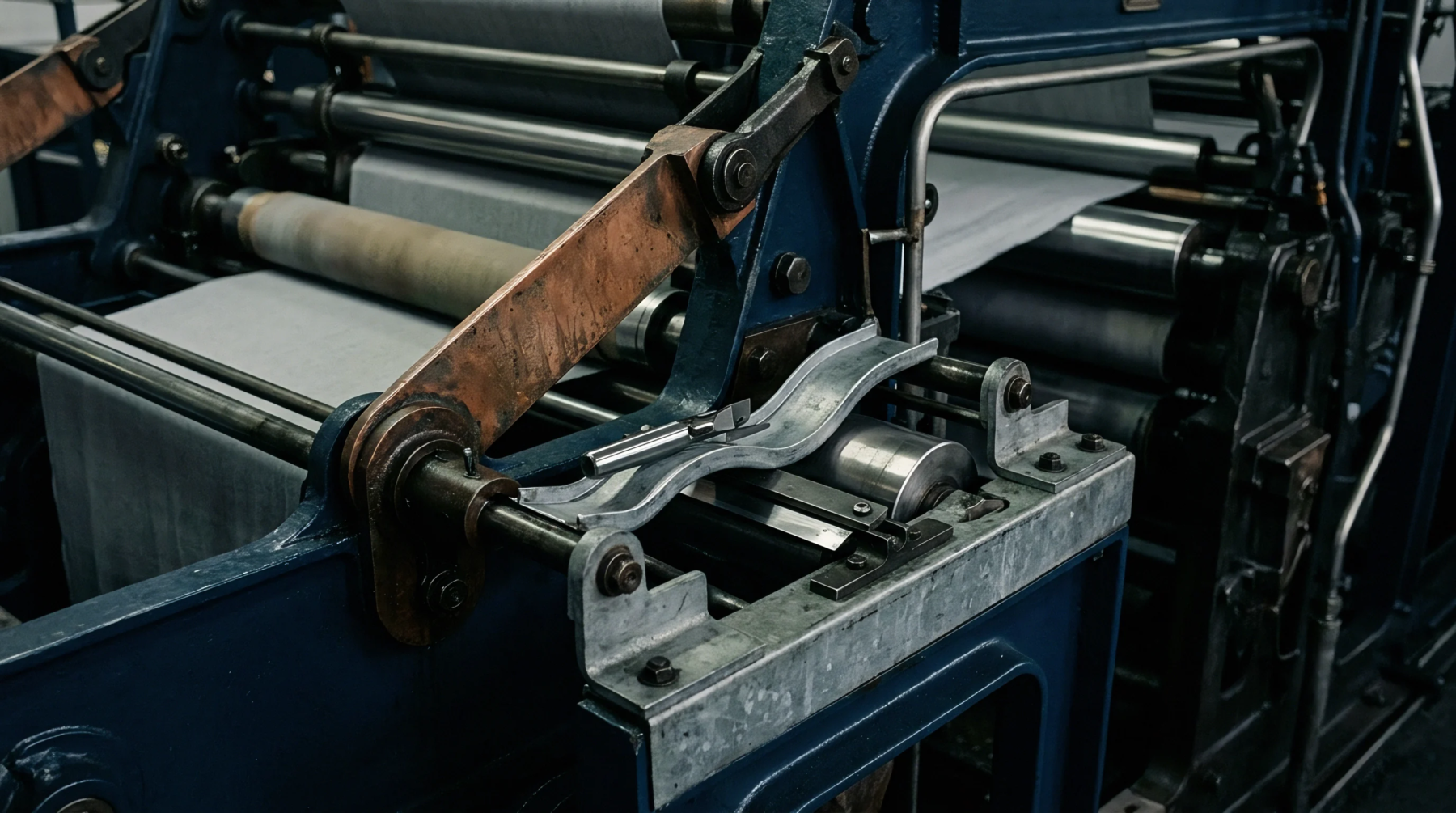
Optimize blowroom beater geometry and pin speed to match fibre tensile limits, preventing static buildup, crimp loss, and customs blend misclassification.
Matching jet vessel hydraulic pressure to thermal loop relaxation rates prevents stitch distortion and controls dimensional shrinkage in knitted bulk runs.
Plasticizer migration degrades PVC structural fabrics through concentration-driven diffusion, requiring polymeric ester formulations and fluoropolymer barriers to prevent mechanical failure.

Thermomechanical stickiness testing uses precise thermal compression to isolate insect honeydew spots, preventing spinning roller wraps and mill downtime.

Quantifying inter-layer plasticizer mass transfer coefficients requires batch-level GC-MS depth profiling to enforce retention limits under UV weathering.
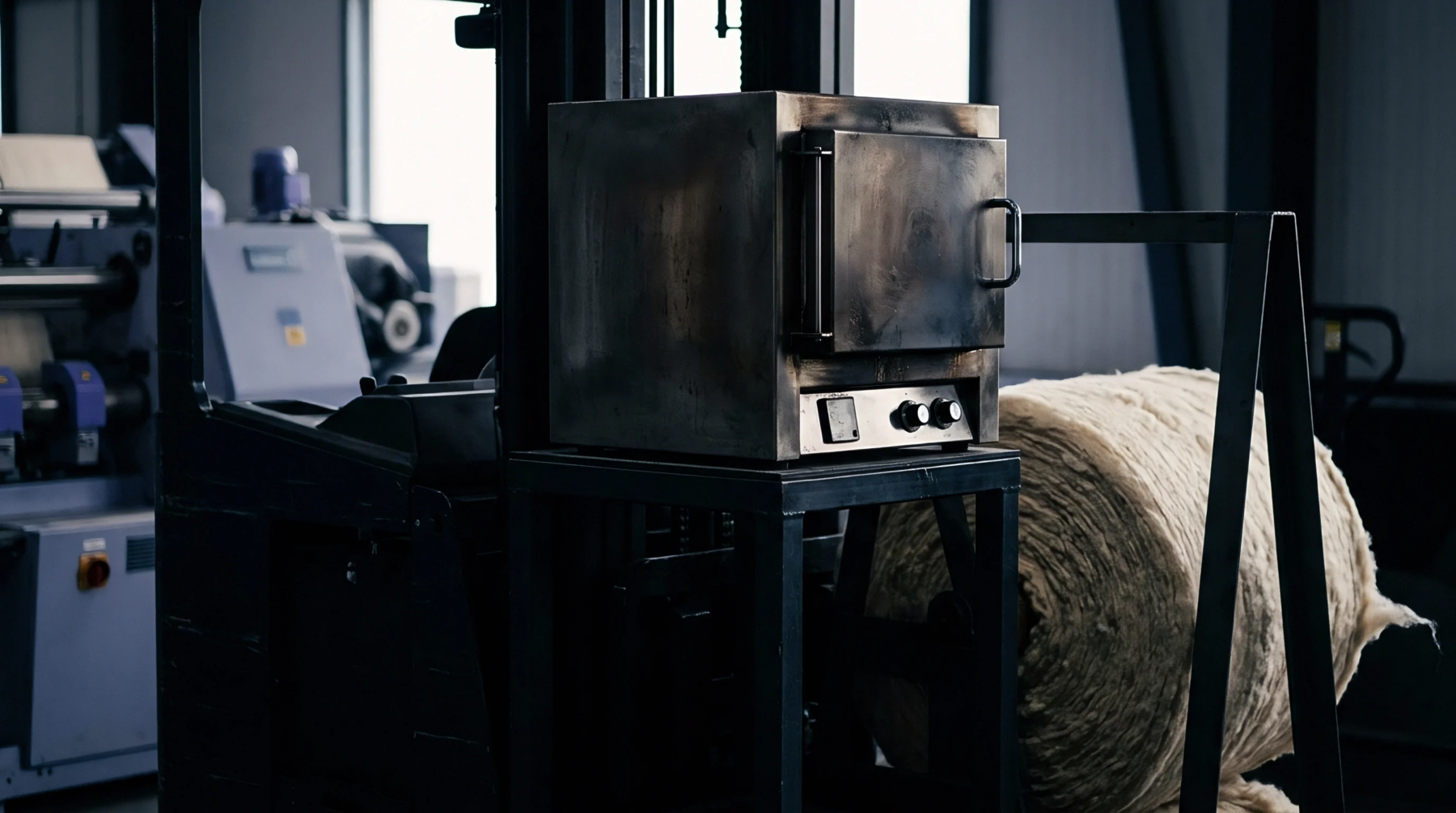
Differential contraction and soluble mass loss alter composition ratios, driving fabric dimensional collapse and shifting landed customs tariff lines.
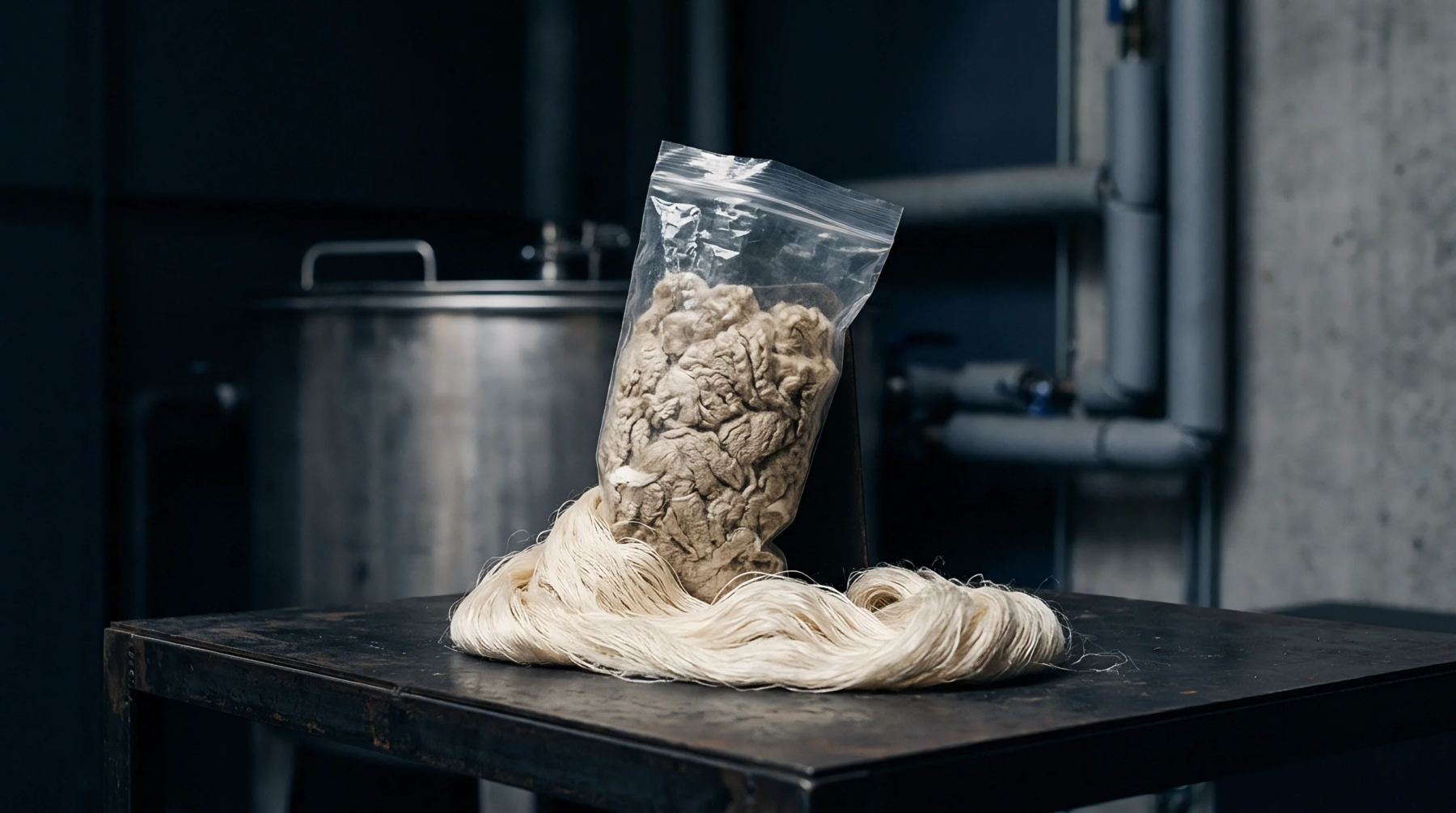
Binary synthetic separation demands selective thermodynamics: Hansen parameter distance, temperature control, and insolubility of the retained phase.
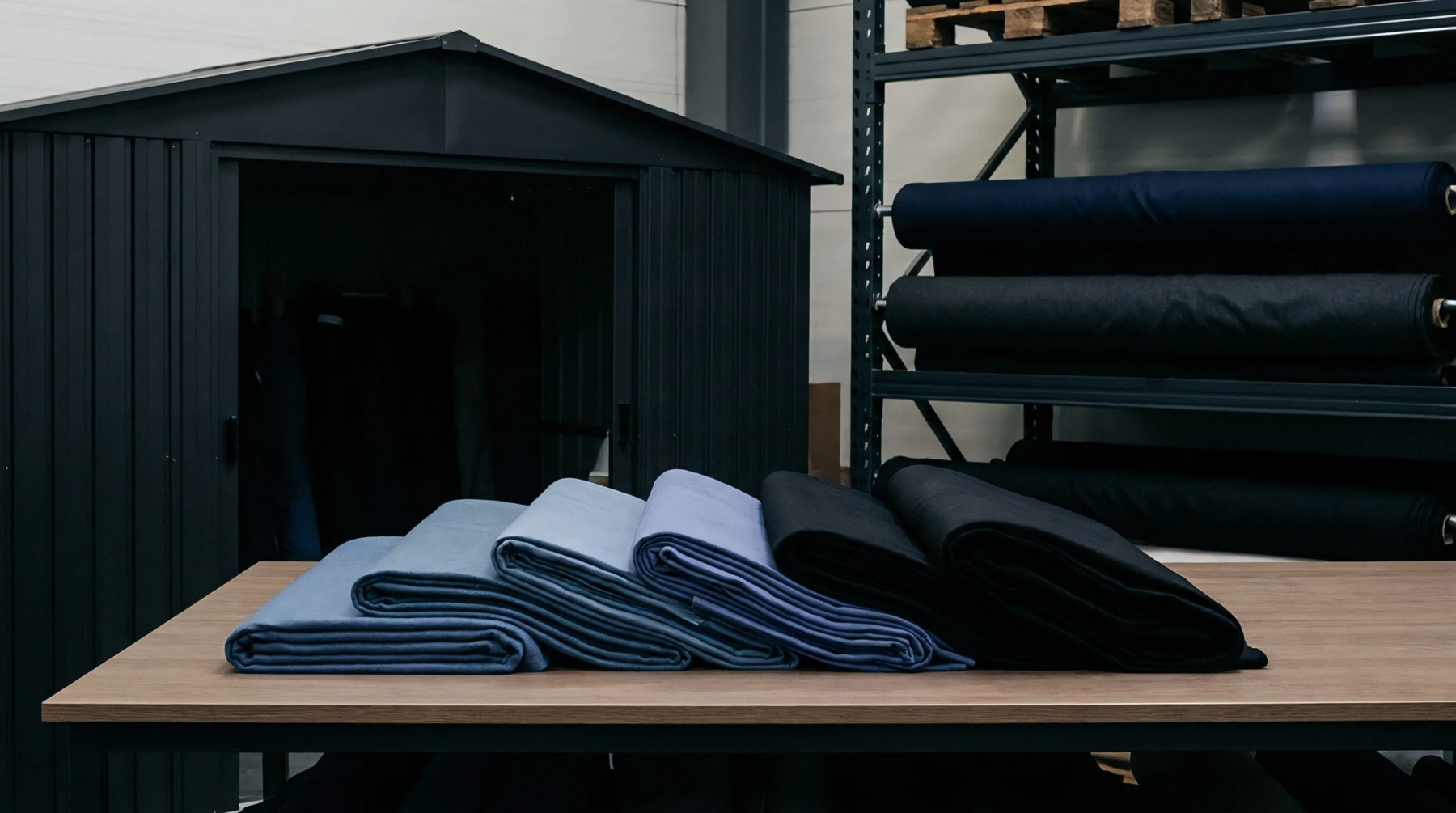
Dense polyurethane solvent testing requires standardized methanol extraction at 70°C to capture latent NMP and DMFa before regulatory market surveillance audits.
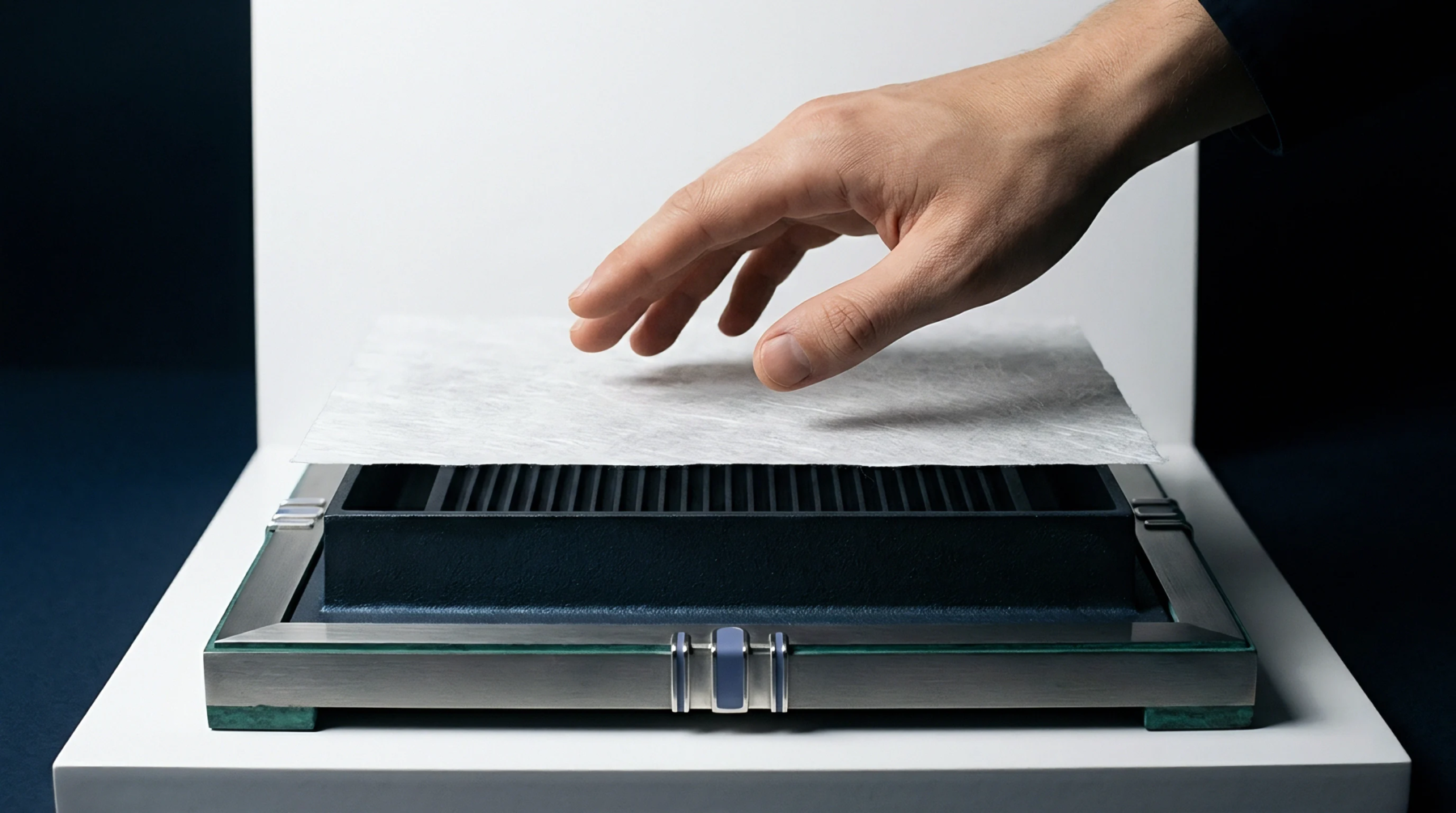
Selective solvent extraction quantifies synthetic yarn blend ratios by isolating insoluble fractions to establish clean dry mass and customs tariff classification.
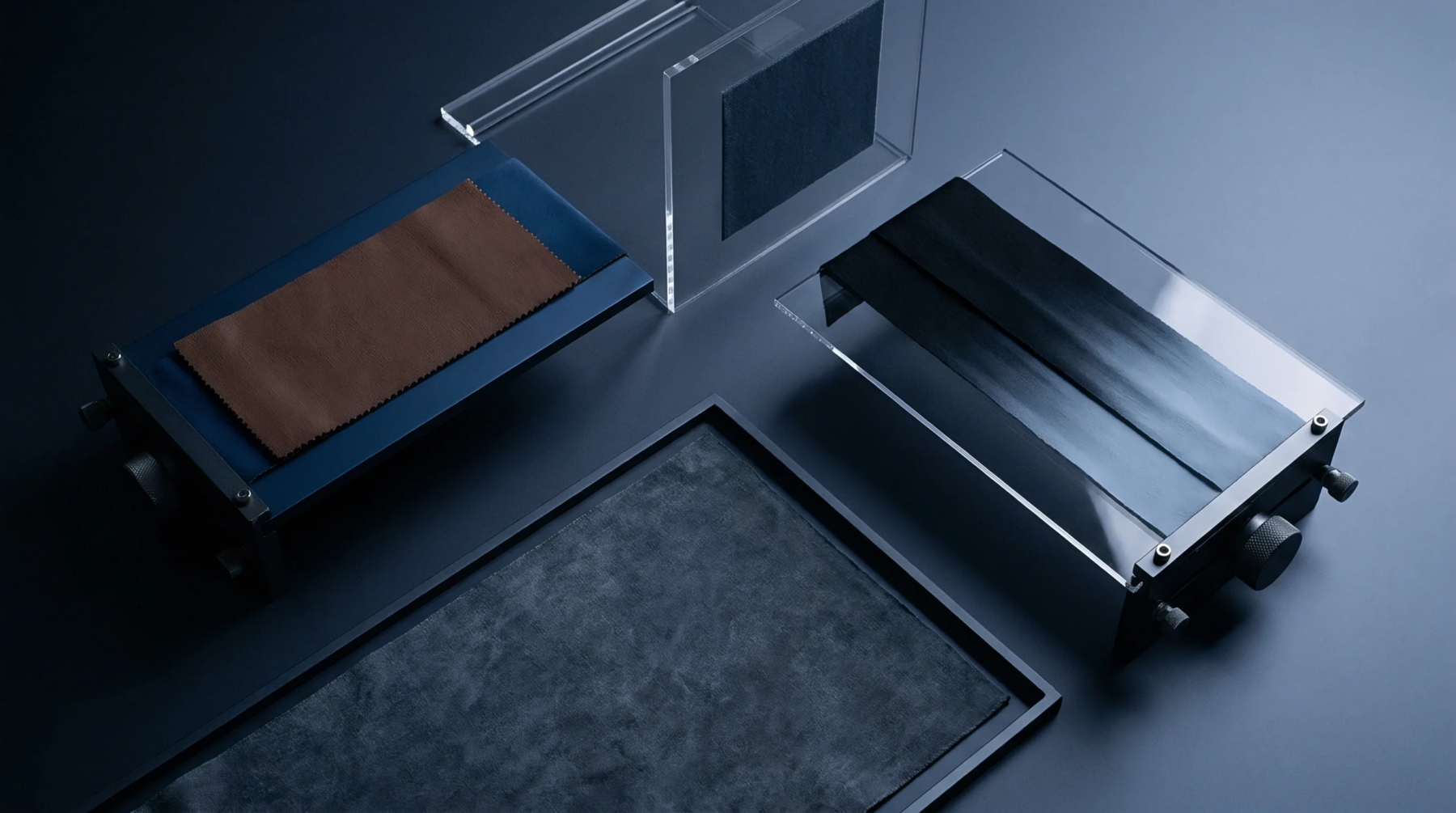
Plasticizer migration risk is controlled by matching resin solubility, enforcing barrier layers, and verifying lot compliance below 0.1 percent limits via GC-MS.

Precise quantification of caprolactam monomer in virgin PA6 yarn via HPLC or GC prevents process weight loss, fuming defects, and commercial invoice disputes.
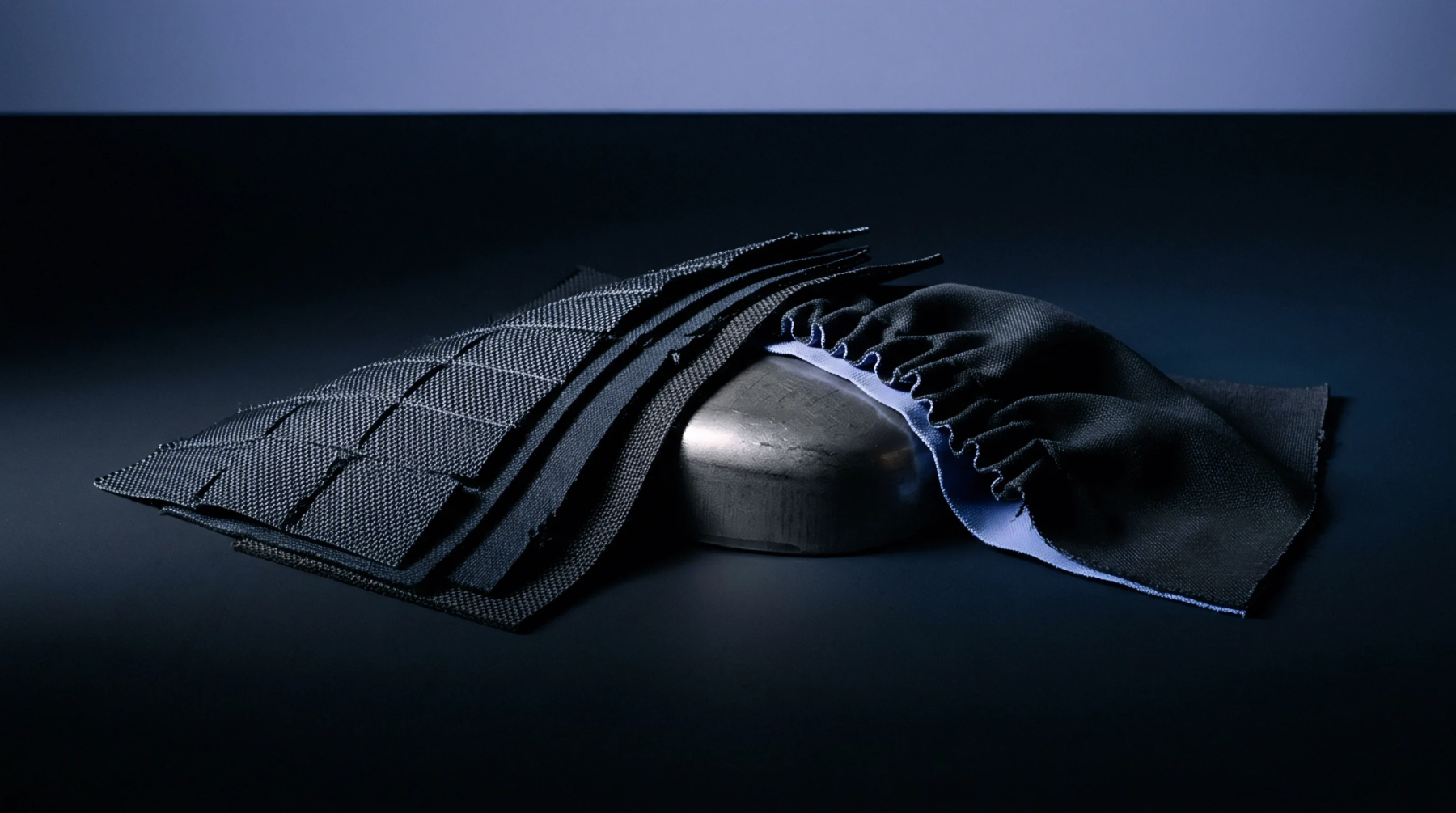
Plasticizer gradients drive legacy phthalate migration from recycled PVC cores through wear layers, demanding barrier crosslinking and strict GC-MS batch verification.

High-speed drawing of sub-denier polyester shifts glass transition temperatures by elevating orientational entropy and altering crystalline equilibrium.
Lock multi-illuminant spectral tolerances and binder crosslinker dwell times into mill specifications to prevent metameric shade flare and wet crocking failures.
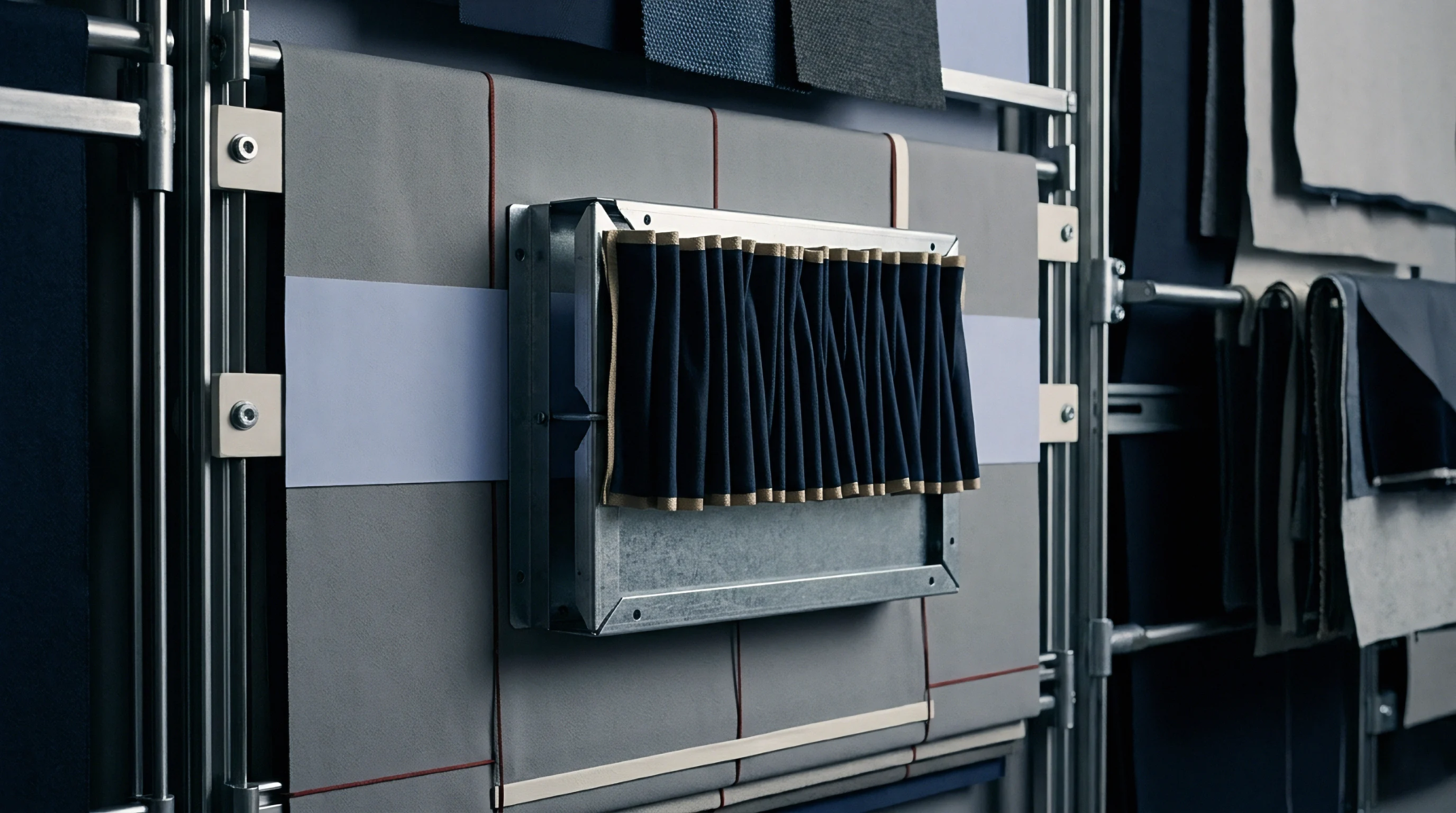
Polyurethane residual solvent retention stems from low Flory-Huggins chi parameters and strong hydrogen bonding, demanding total matrix extraction for testing.
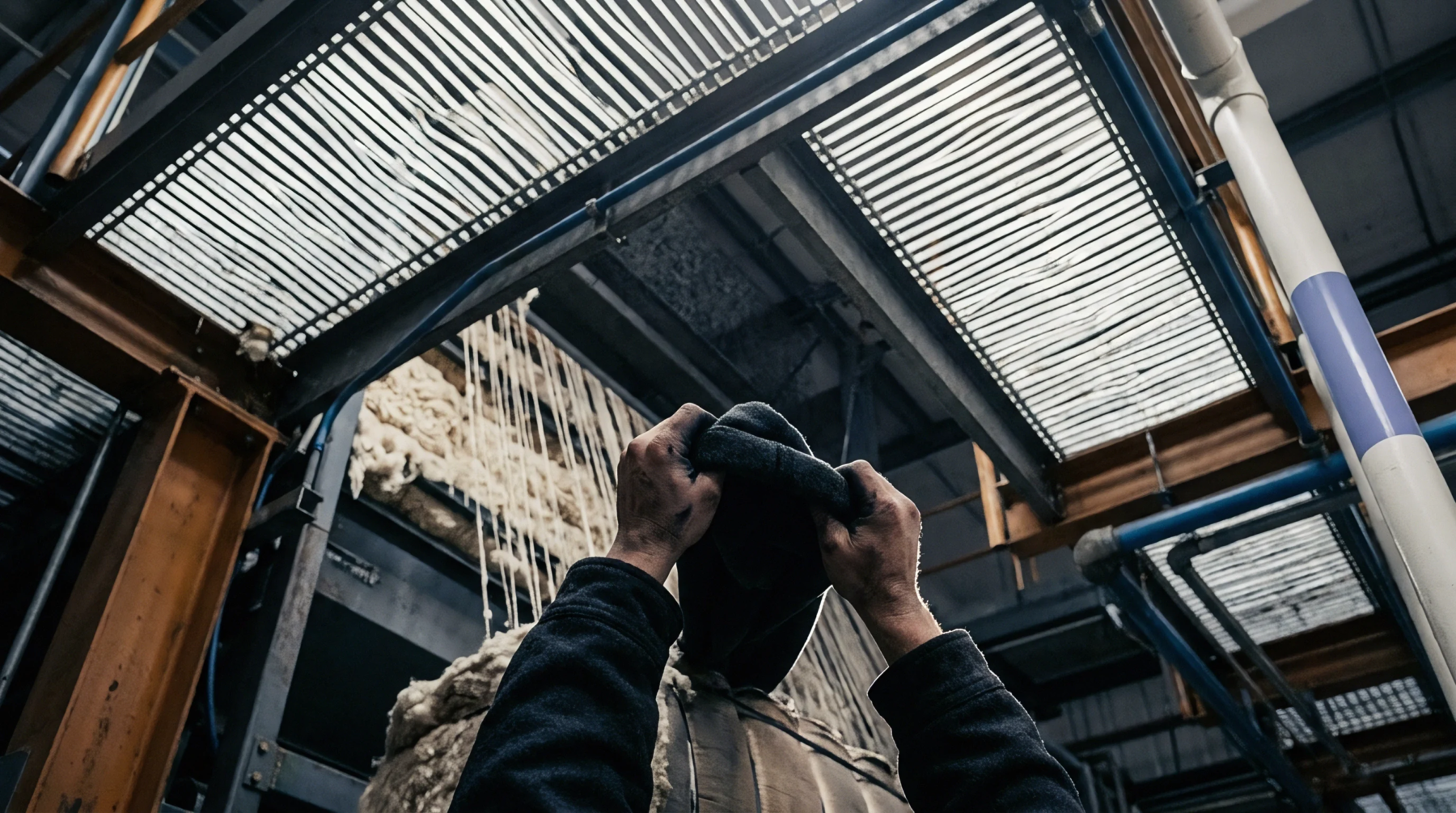
Exhaustive liquid extraction under DIN EN 17111 governs border compliance, requiring staged stenter thermal profiles to prevent skinning and trap limits below 500 ppm.
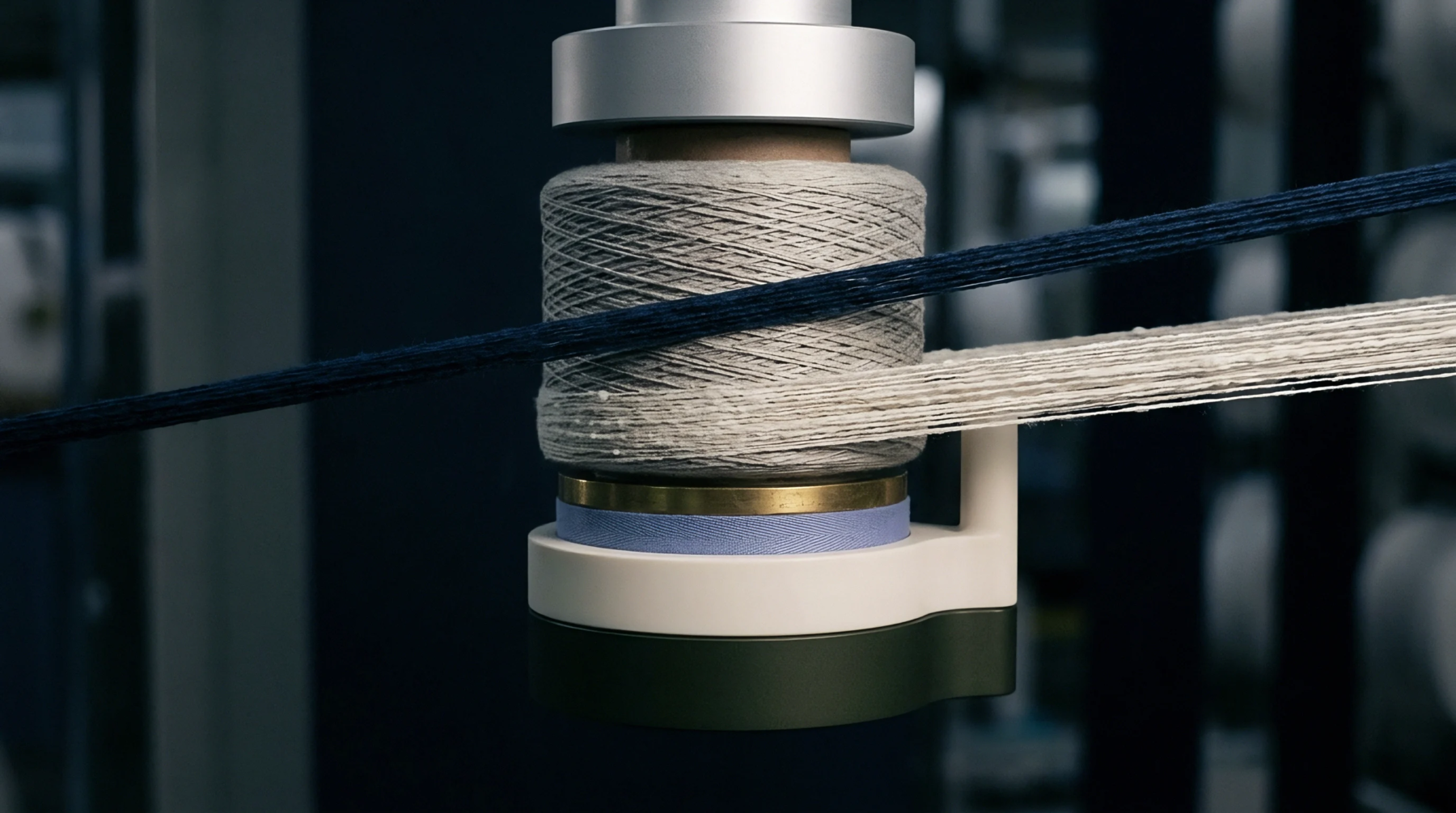
Exceeding yarn critical compressive buckling load during stenter overfeed causes irreversible out-of-plane cockling and catastrophic selvedge scrap.
Expertise is a utility, not a secret. sentiention™ publishes its working knowledge as open reference: intelligence layer covering the materials it sources, the markets it enters, and the reference that serves both.