
Declared Composition Tolerance against What the Test Method Returns
Declared composition tolerances bridge laboratory test method noise and commercial target blend ratios through standardized moisture regain corrections.
Declared composition tolerances bridge laboratory test method noise and commercial target blend ratios through standardized moisture regain corrections.
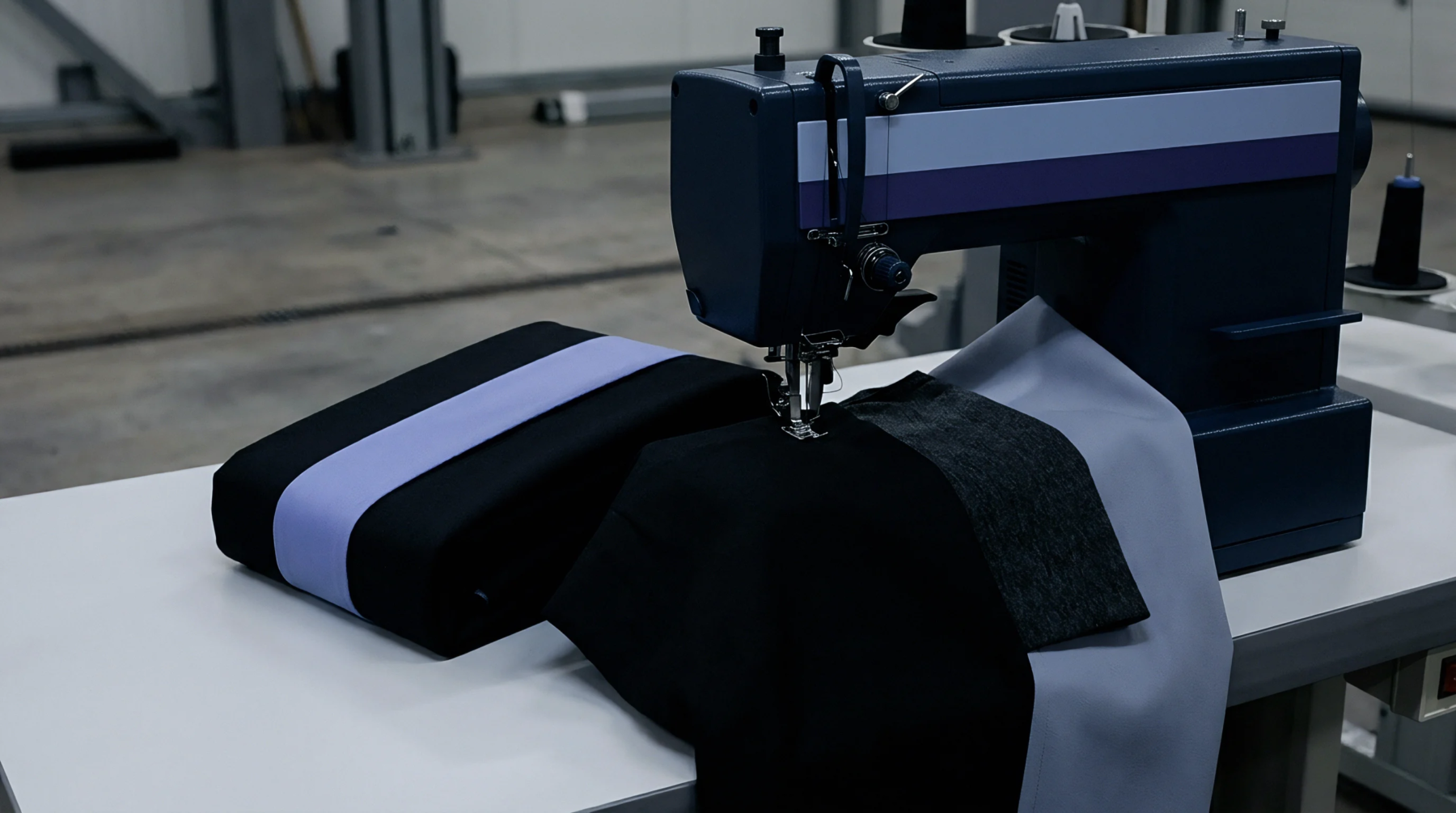
Calculating net dry mass adjustment factors requires converting port scale weights to oven-dry mass using ISO 6741 regain standards to prevent paying duty on absorbed water.
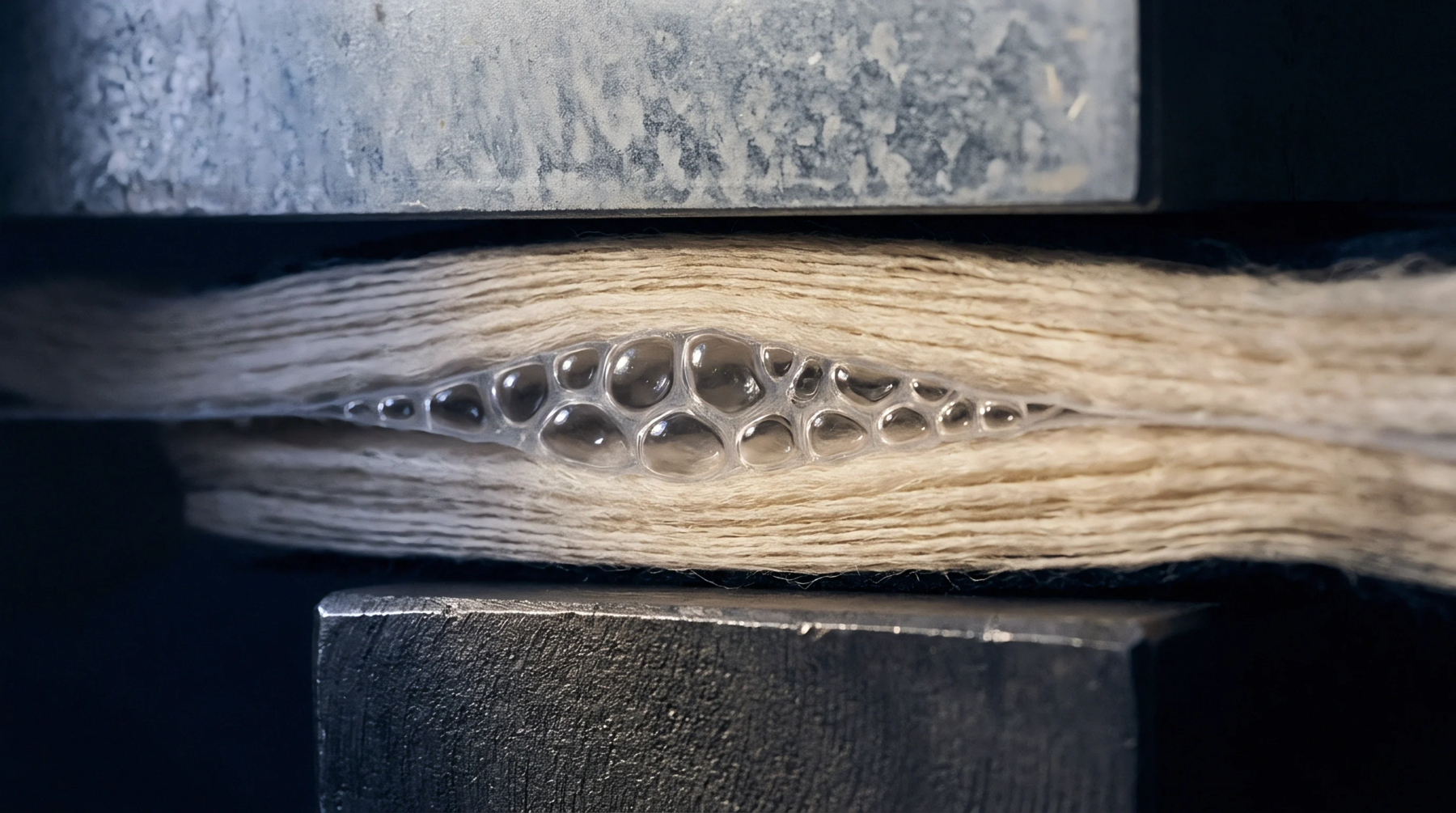
Reconciling moisture regain discrepancies requires calculating net dry mass via gravimetric oven drying and applying standard commercial allowances to correct invoice weights.

Reconciling chemical recycled filament supply chains requires deducting batch process yield losses from transaction certificates and verifying monomer purity via analytical testing.

Statutory customs petroleum ether pretreatments fail to extract polar ethoxylated spin finishes, distorting dry fiber mass and shifting tariff lines.

Determining dry mass ratios requires desiccation at 105 °C, selective chemical dissolution under ISO 1833, d-factor correction, and commercial regain adjustments.

Scatter correction algorithms combined with nitrogen-purged Infragold cavity arrays eliminate high-speed refractive index artifacts for precise inline fiber blend verification.

Adjust landed textile valuation disputes by converting gross scale weights to ISO 6741 dry mass plus commercial regain using dockside moisture sample reports.

Verify high volume raw fibre shipments using ISO 3951 variable sampling to enforce statistical bundle strength and micronaire limits before mill laydown.

Degraded synthetics exhibit non-linear regain increases that distort commercial mass and skew customs tariff declarations when tested against virgin baselines.

Decoupling maturity from linear density prevents high-speed ring spinning ends-down and dye resist neps by specifying double airflow and individual fiber optics.

Raw cashmere verification requires coupling OFDA diameter distribution limits with MALDI-TOF mass spectrometry to prevent low-micron wool substitution.

Calibrate OFDA optical thresholds and medullated density adjustments under IWTO-47 to accurately deconvolve bimodal cashmere histograms and verify coarse hair mass.
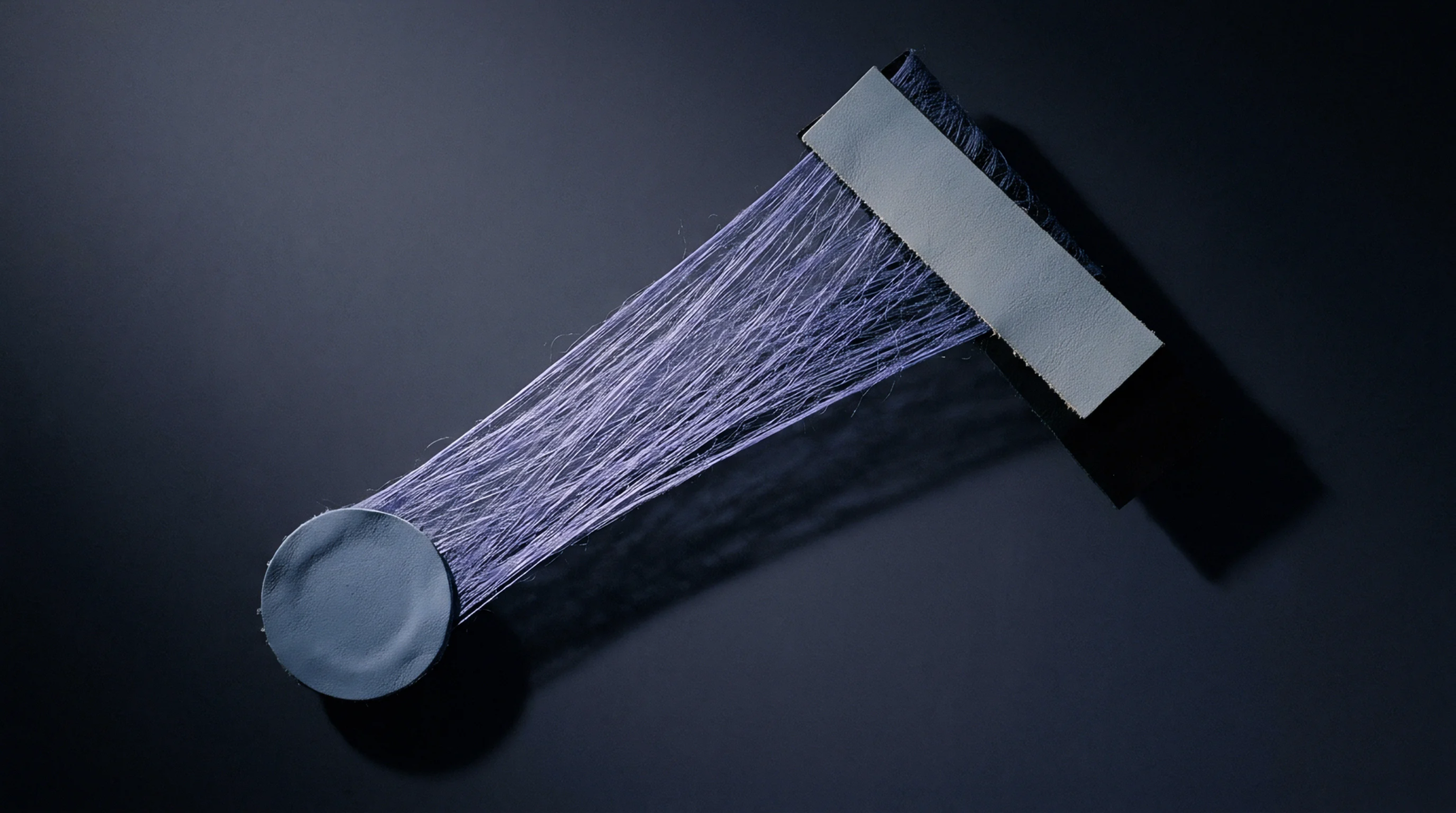
Standard solubility correction factors adjust insoluble gravimetric yields to prevent miscalculation of commercial mass and tariff misdeclarations.

Chemical dissolution isolates synthetic residues while statutory moisture regain corrections shift dry gravimetric yields across customs chief-weight lines.

Rotary punch cutters distort fabric mass testing via yarn severance and perimeter loss, demanding multi-radius mathematical correction or full-width sampling.

Dynamic multi-spectral compensation decouples moisture absorption bands from polymer overtones, preventing sorting misclassifications and financial penalties.

Quantitative fiber dissolution tolerances demand pairing empirical reagent mass-loss factors with statutory moisture regains to defend customs declarations.

Validating scope certificates requires cross-referencing facility annexes and product categories against central certifier databases and raw batch weights.
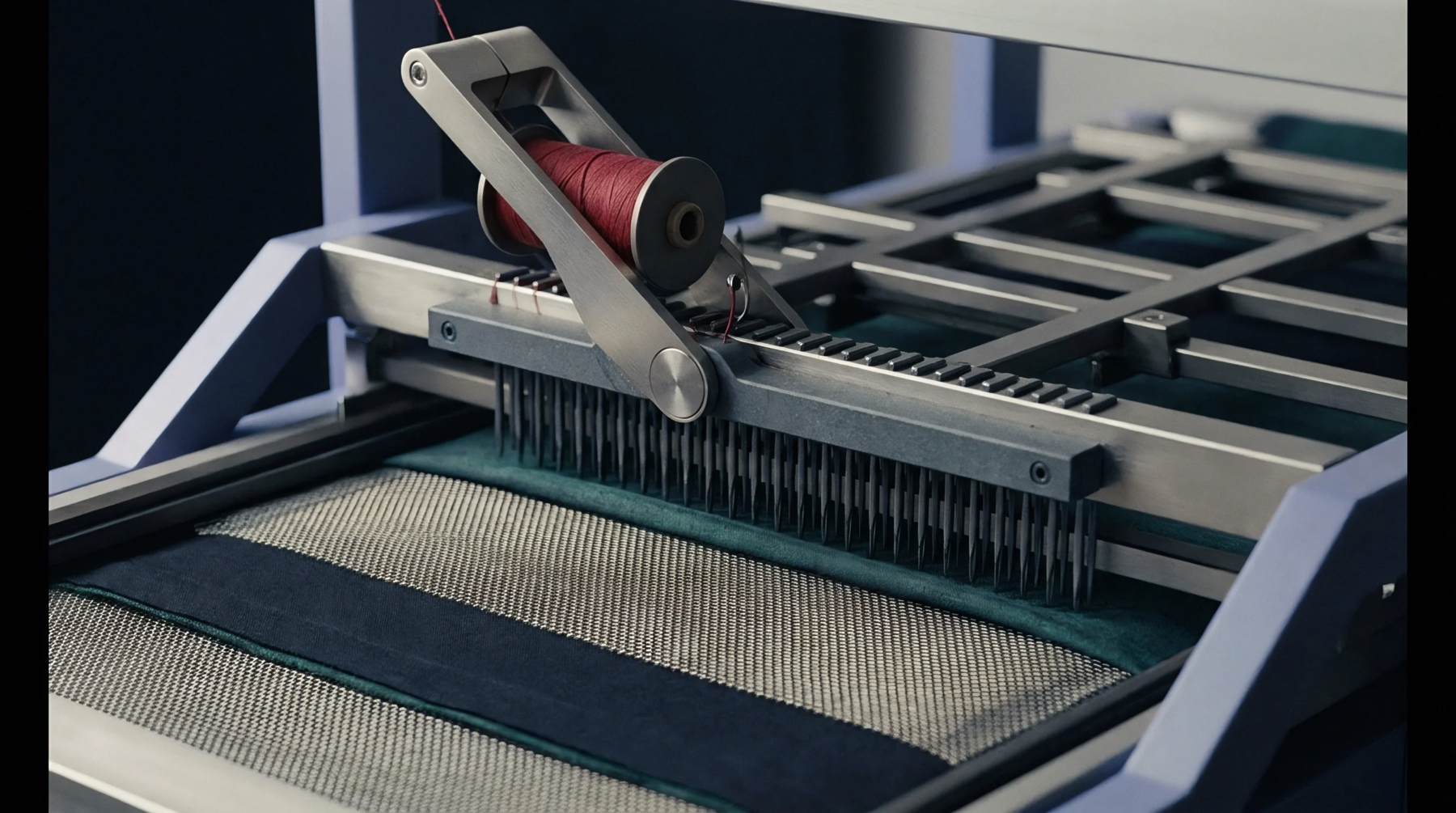
Correct systematic dissolution bias by establishing recycled-specific d-factors and dual-solvent extraction to secure true customs fiber weight classifications.

Yarn count, crimp, and moisture regain fix fabric square-metre mass, controlling garment cutting yields and preventing costly customs tariff misclassifications.
Quantitative chemical separation dissolves target fibers selectively to yield dry gravimetric residues for precise commercial blend declarations.

Commercial moisture regain standards convert oven-dry synthetic fiber mass to statutory customs clearance weights, preventing duty miscalculations.

Administrative protests for water weight adjustments rely on ISO 6741 dry mass tests filed within statutory windows post liquidation.
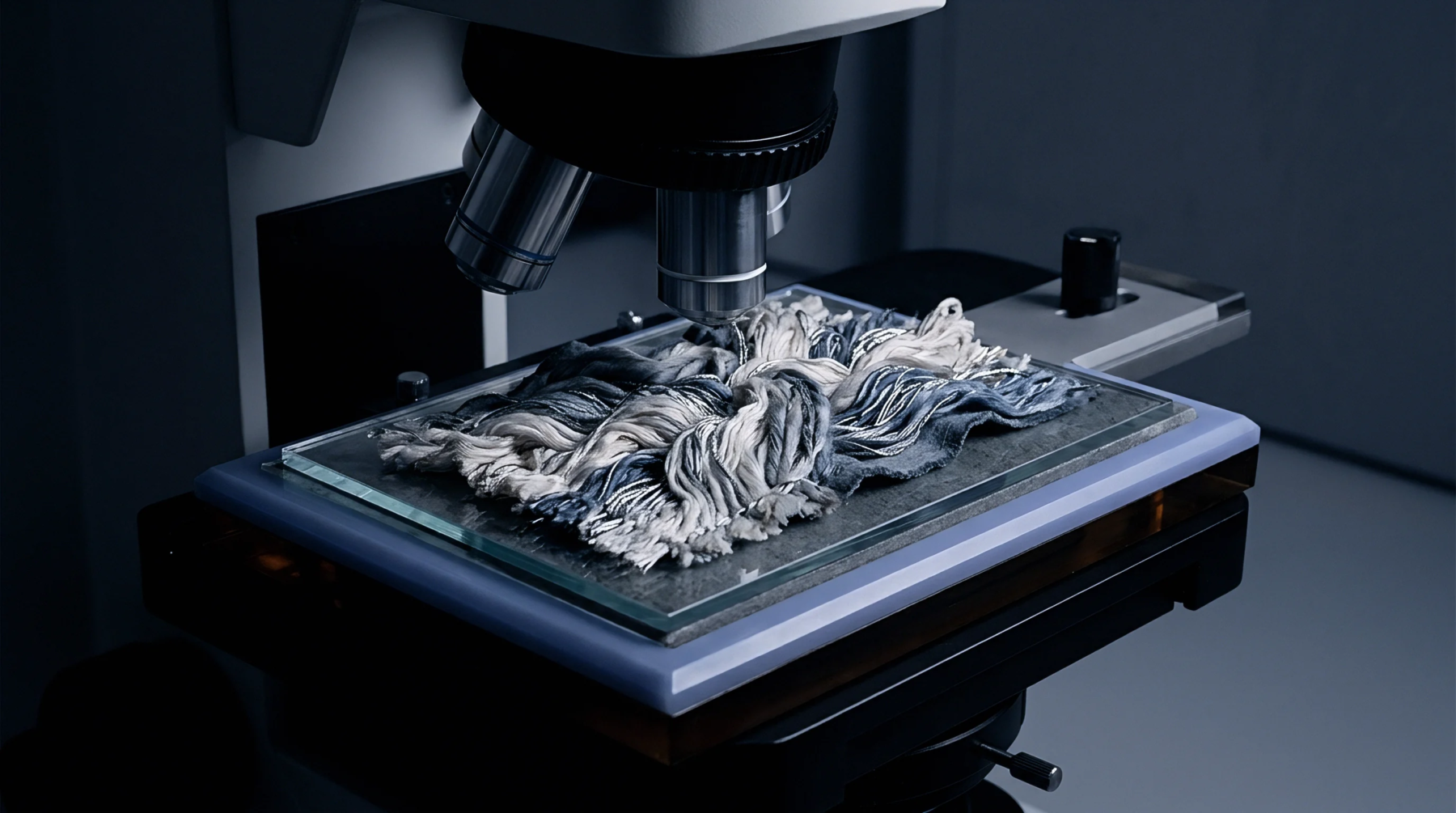
Commercial regain calculation converts variable net scale weights into an immutable invoiced mass by adding statutory moisture allowances to verified oven-dry fiber.
Stable isotope mass spectrometry detects virgin polymer dilution in recycled synthetic yarns by measuring natural carbon and oxygen ratios in the fiber matrix.
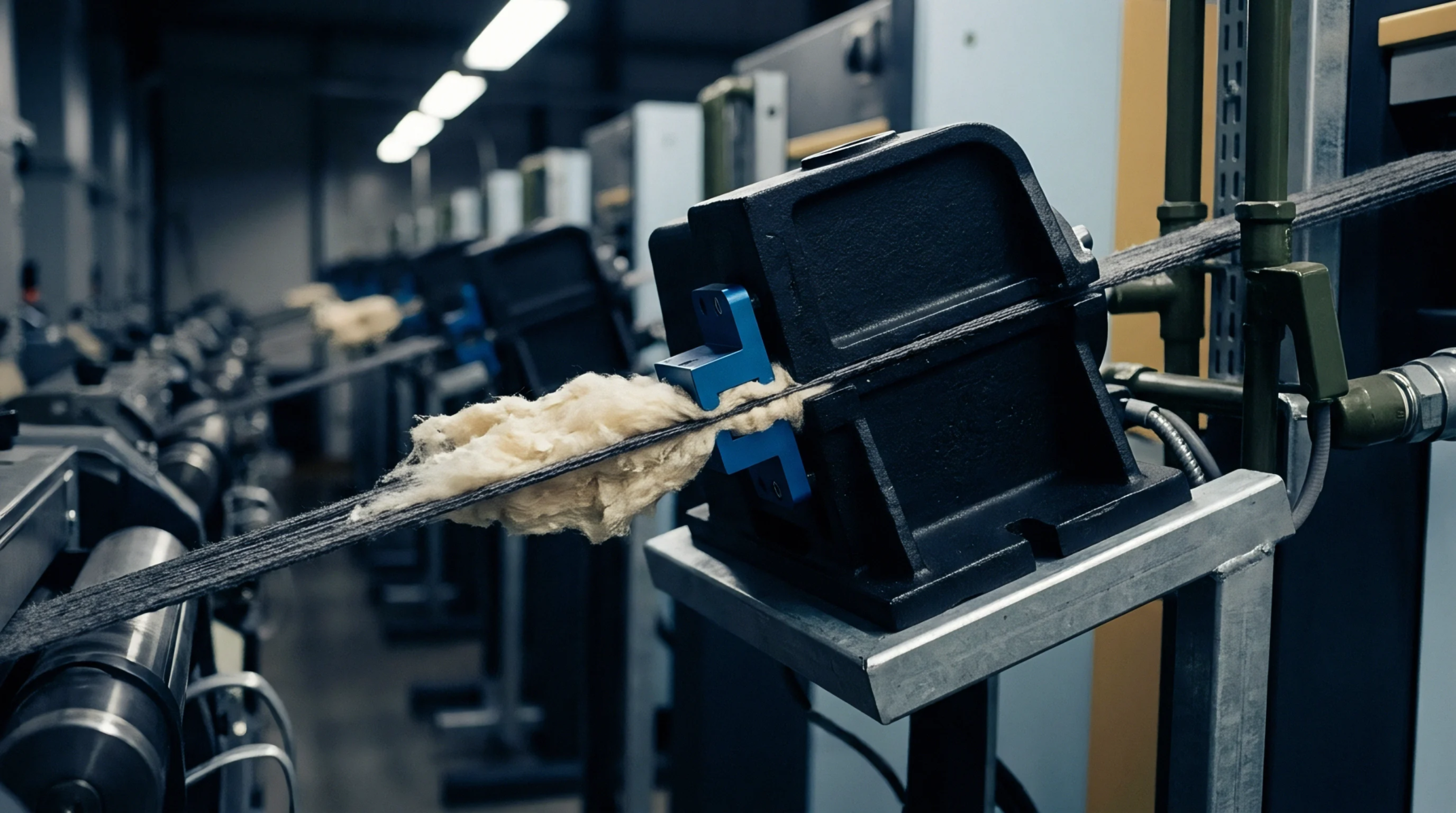
Chemical separation determines blend percentages by gravimetrically weighing insoluble residue after selective dissolution, requiring correction factors and moisture regains to match customs rules.

Predictive gravimetric modeling pre-adjusts sliver blend ratios to counteract selective aerodynamic fiber waste, ensuring exact finished yarn composition.

Optical attenuation correction in inline NIR textile sensors eliminates moving web scatter artifacts to deliver reliable real-time fibre composition analysis.
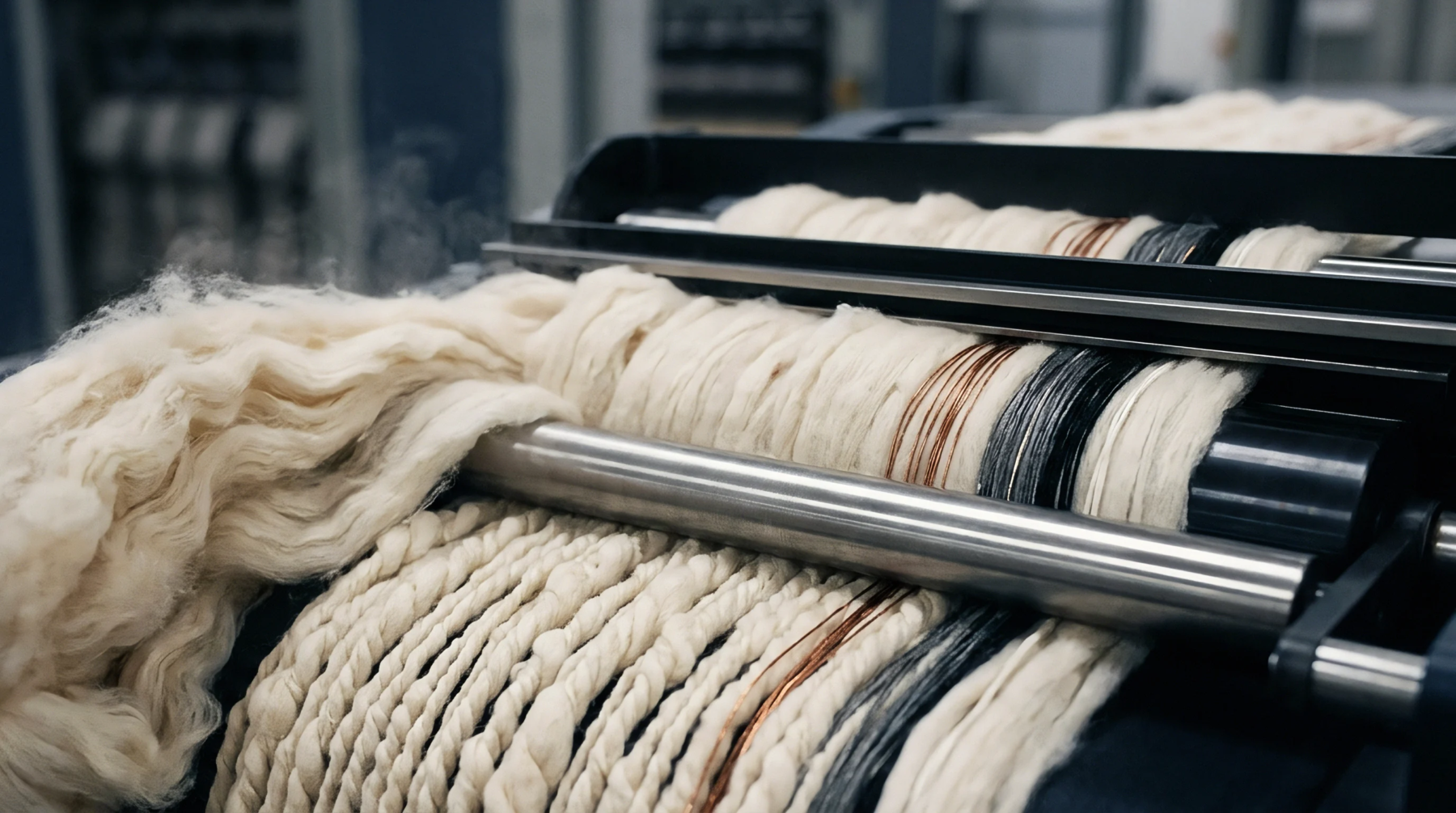
Inline shortwave infrared spectroscopy measures synthetic fiber ratios within zero point five percent accuracy by tracking second overtone molecular bond absorptions.
Expertise is a utility, not a secret. sentiention™ publishes its working knowledge as open reference: intelligence layer covering the materials it sources, the markets it enters, and the reference that serves both.