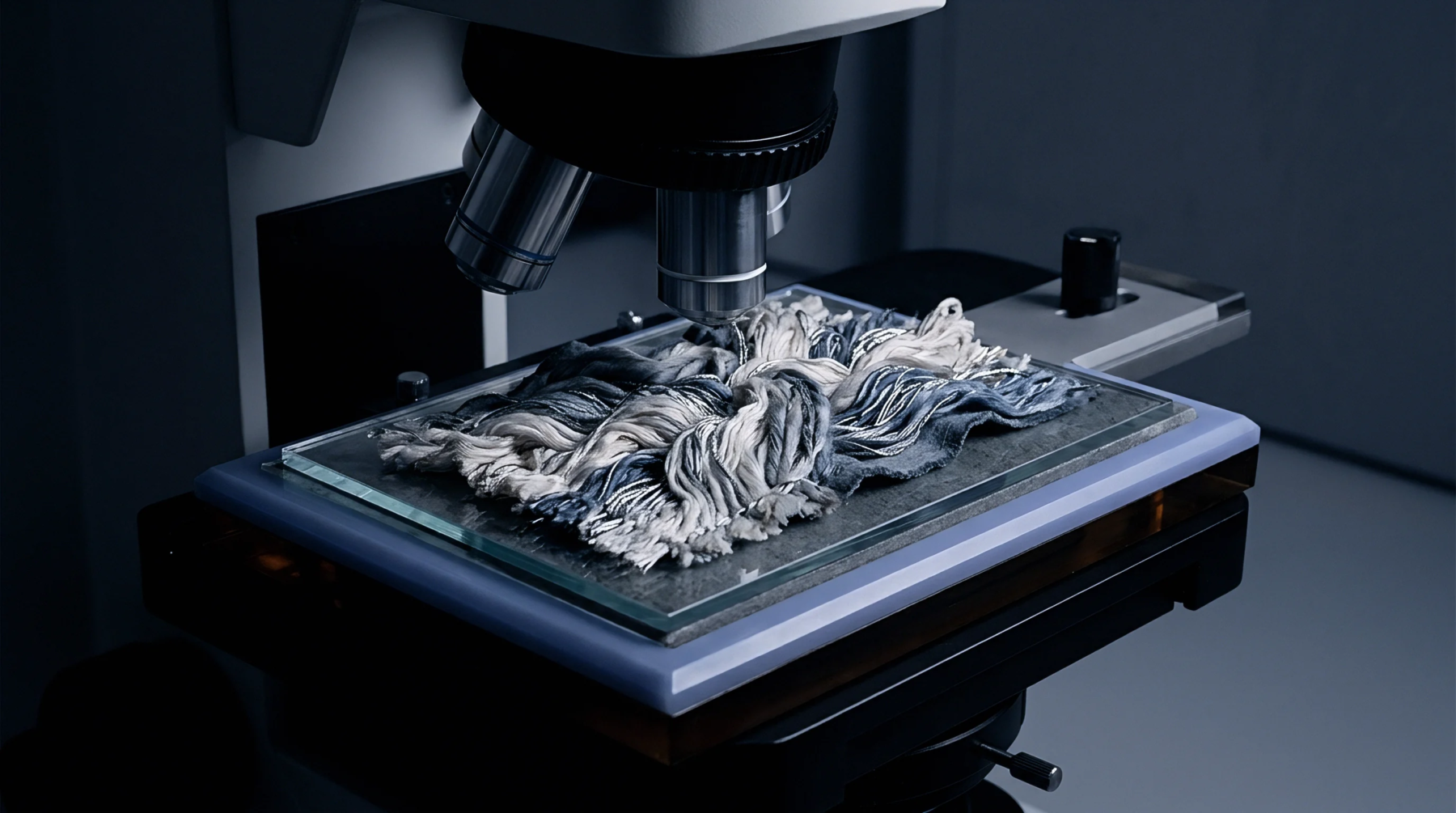
Chemical Assessment
Soluble metallic ions mobilized from textile substrates through simulated perspiration extraction provide a quantified measure of potential dermal toxicity during product lifecycle use. These extractable heavy metals represent specific inorganic elements released from dyed fibres, printed surfaces, or hardware components under controlled laboratory conditions mimicking human skin contact. Testing protocols immerse fabric samples in an acidic buffer solution for a set duration to approximate sweat acidity.
The resulting leachate undergoes analysis by inductively coupled plasma mass spectrometry to detect trace quantities of lead, cadmium, chromium, or arsenic. Suppliers verify compliance with chemical safety regulations through these specific dissolution metrics. Mill laboratories conduct such procedures on finished batches to ensure adherence to international restricted substance lists.
Failure to meet these thresholds prevents shipment of garments to regulated markets.
Solvent Interaction
Liquid extraction mimics the chemical reactivity between human moisture and garment finishes. Synthetic sweat solutions dissolve loose metal atoms lingering on the fabric surface after ineffective rinsing stages. High temperatures speed the chemical migration of particles from internal fibre structures into the testing fluid.
Technicians monitor pH stability throughout the extraction cycle to ensure results remain consistent across different material types. Natural fibres sometimes trap metallic ions in deeper pore spaces, which complicates the removal process compared to smooth synthetic filaments. Manufacturers utilize these findings to adjust mordant application or dye fixation steps.
Improved washing cycles follow any detected surplus of leachable matter.
Regulatory Threshold
Stringent safety limits define the upper boundaries for metallic migration in textile commerce. National standards categorize these maximum allowances based on garment contact time with the human body. Undergarments face tighter scrutiny than outerwear because prolonged skin proximity increases exposure risks for the wearer.
Compliance entails batch testing where representative swatches undergo the full extraction sequence. Independent inspection bodies audit these laboratory records to validate manufacturer claims before goods enter global supply chains. Proper documentation of the test results provides legal assurance for importers regarding product safety certifications.
Trace Detection
Analytical sensitivity dictates the reliability of toxicological assessments in modern production environments. Sophisticated instrumentation identifies metallic traces at parts per billion concentrations within the collected extraction fluid. Calibration curves based on known standard solutions maintain the accuracy of every reading recorded by the spectral equipment.
Technicians remove background noise by processing blank samples alongside the material swatches to subtract ambient contamination from the final data set. Any discrepancy between replicates triggers a retest of the batch to confirm if the concentration truly exceeds established safety maximums. High precision instrumentation prevents the accidental distribution of products containing prohibited elemental levels that pose health hazards.
Strict adherence to validated quantification methods separates safe textile inventory from batches requiring chemical stripping or permanent disposal.