
Standardizing Split Sample Testing Protocols for Repeat Textile Shipments
Standardized split sample protocols reduce cross-border detention by harmonizing swatch cutting, conditioning, and interlaboratory variance thresholds.
Standardized split sample protocols reduce cross-border detention by harmonizing swatch cutting, conditioning, and interlaboratory variance thresholds.

Automated transaction certificate reconciliation matches net shipping weights, scope validity dates, and laboratory reports to prevent customs detentions.

Establishing a chemical baseline for woven fabric batches links ISO 17025 test reports directly to physical roll lots and transaction certificates.

Dynamic mass flow metering balances dye concentration in minimal volume troughs by matching feed liquor strength to instantaneous substrate exhaustion kinetics.

Low level analytical testing requirements protect sourcing contracts only when specific detection thresholds, accredited test methods, and retest mechanics bind the batch.

Verifying automated dosing logs against chemical stock ledgers resolves compliance exposure during mill certification gaps without stopping shipment flow.

Chemical partitioning control in subcontracted wet finishing requires automated bath replenishment, strict mass balance auditing, and lot-linked testing files.

Potassium chloride addition stabilizes pH electrode response but distorts electrical conductivity and heavy metal detection limits in textile extract testing.

Testing heavy metals in chemically recycled resins demands microwave acid digestion and ICP-MS verification to prove batch compliance against regulatory limits.

Resolve denim heavy metal false positives by enforcing collision cell ICP-MS or alternative emission lines to eliminate iron and salt matrix overlaps.
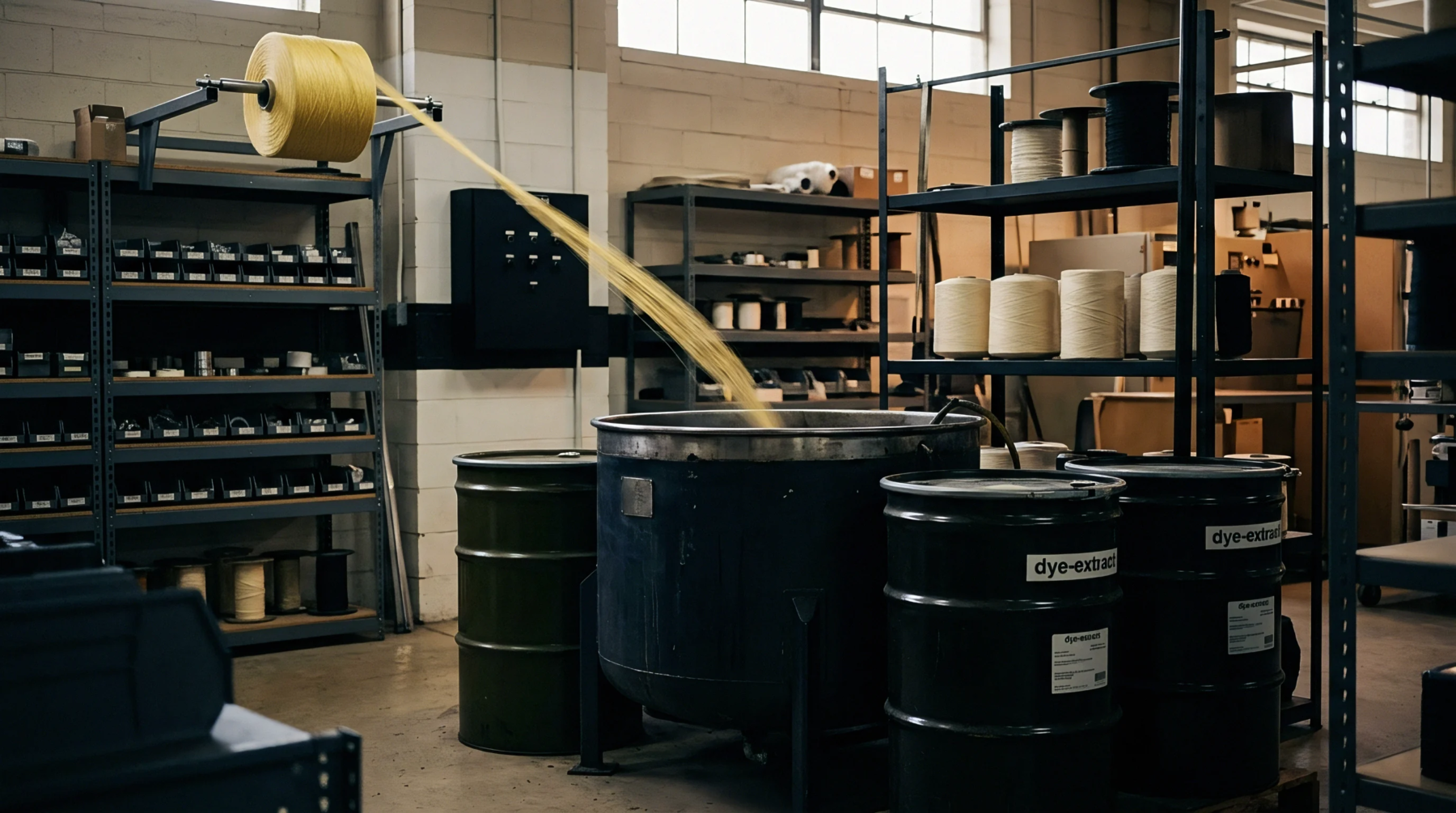
Chemical indemnity exposure aggregates landed garment values, hazardous destruction fees, and retailer chargebacks, requiring contract caps and retained swatches.

Unannounced fiber substitutions exploit the three percent blend tolerance, skewing chemical test matrices and triggering customs tariff reclassifications.
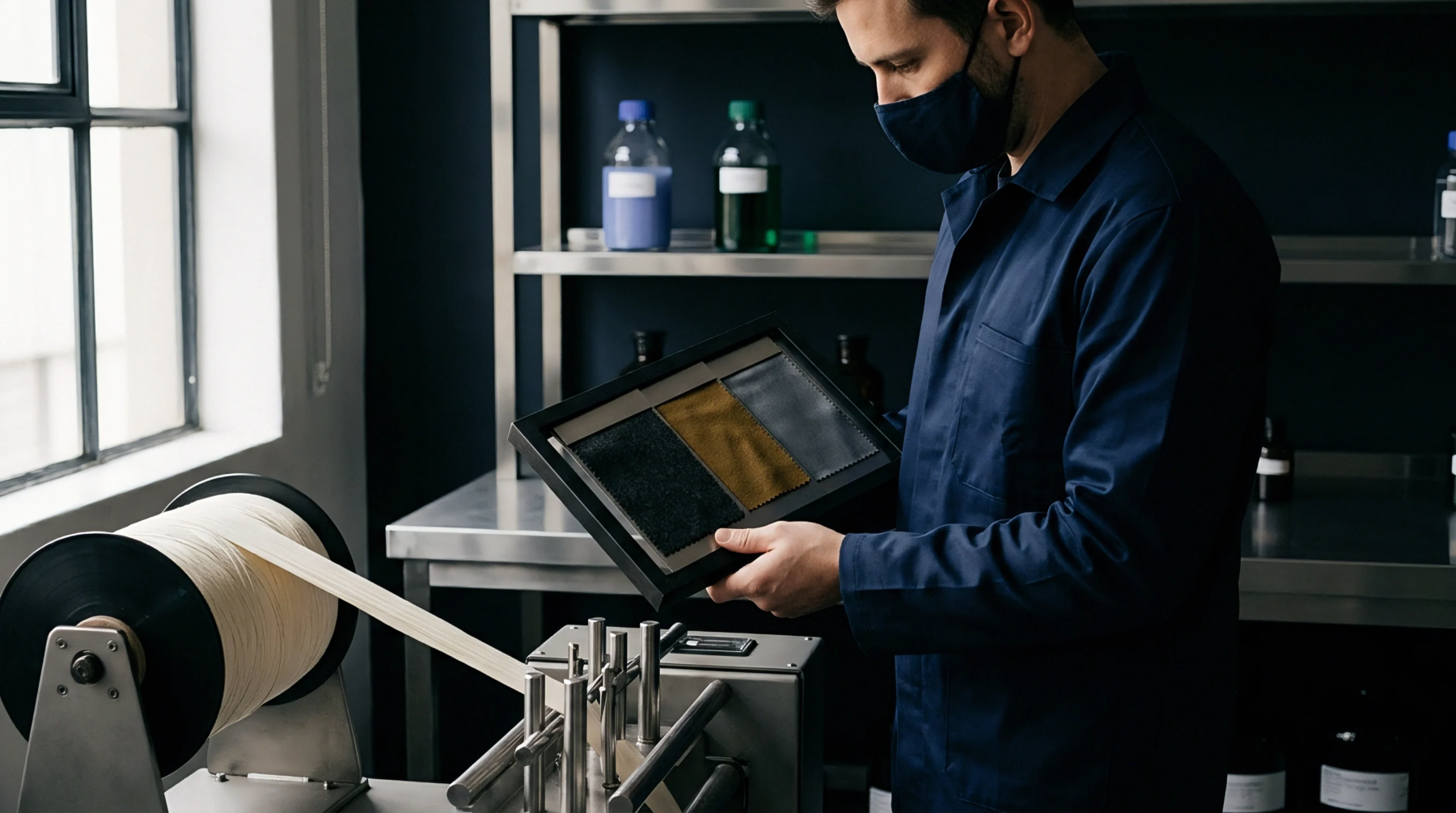
Arbitral chemical attribution requires lot-traceable retains, ISO 17025 test methods, and clear subcontracting clauses to allocate contamination liabilities.
Expertise is a utility, not a secret. sentiention™ publishes its working knowledge as open reference: intelligence layer covering the materials it sources, the markets it enters, and the reference that serves both.