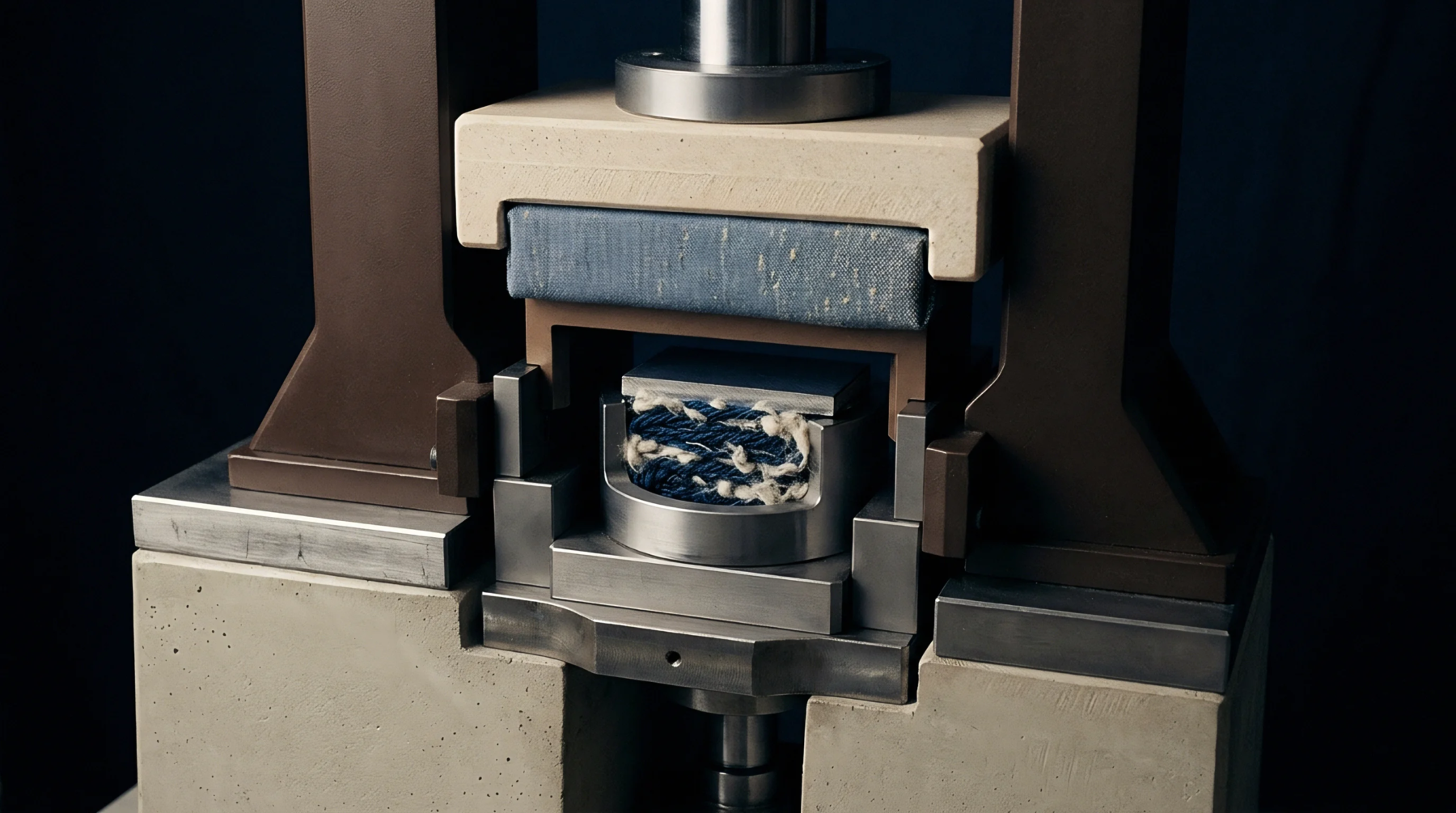
Mass Transfer Rate Drift in Heated Dye Pad Troughs under Variable Relative Humidity
Relative humidity drops accelerate solvent evaporation in heated pad troughs, concentrating liquor and causing head-to-tail shade drift in continuous dyeing.
Relative humidity drops accelerate solvent evaporation in heated pad troughs, concentrating liquor and causing head-to-tail shade drift in continuous dyeing.
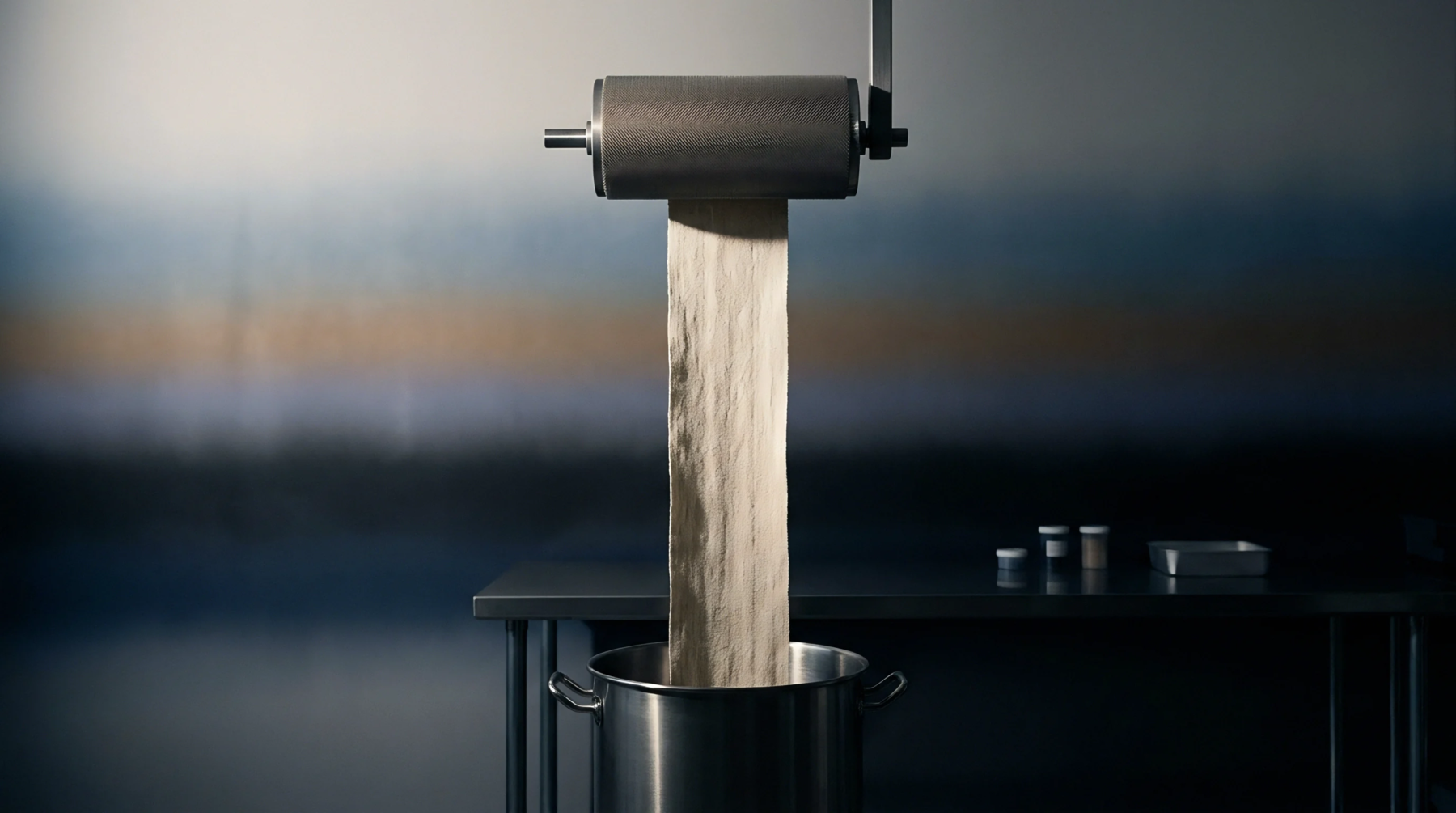
Controlling particulate migration requires stabilizing pad liquor viscosity, balancing wet pick-up, and managing non-contact pre-drying below critical moisture thresholds.

Optimizing continuous padding on mercerized heavy twills requires balancing 65% wet pick-up against dynamic surface tension to ensure complete core penetration.

Mid-season PFAS spec changes require re-engineering fabric density, adjusting curing parameters, and holding lot-traceable total fluorine CIC test evidence.
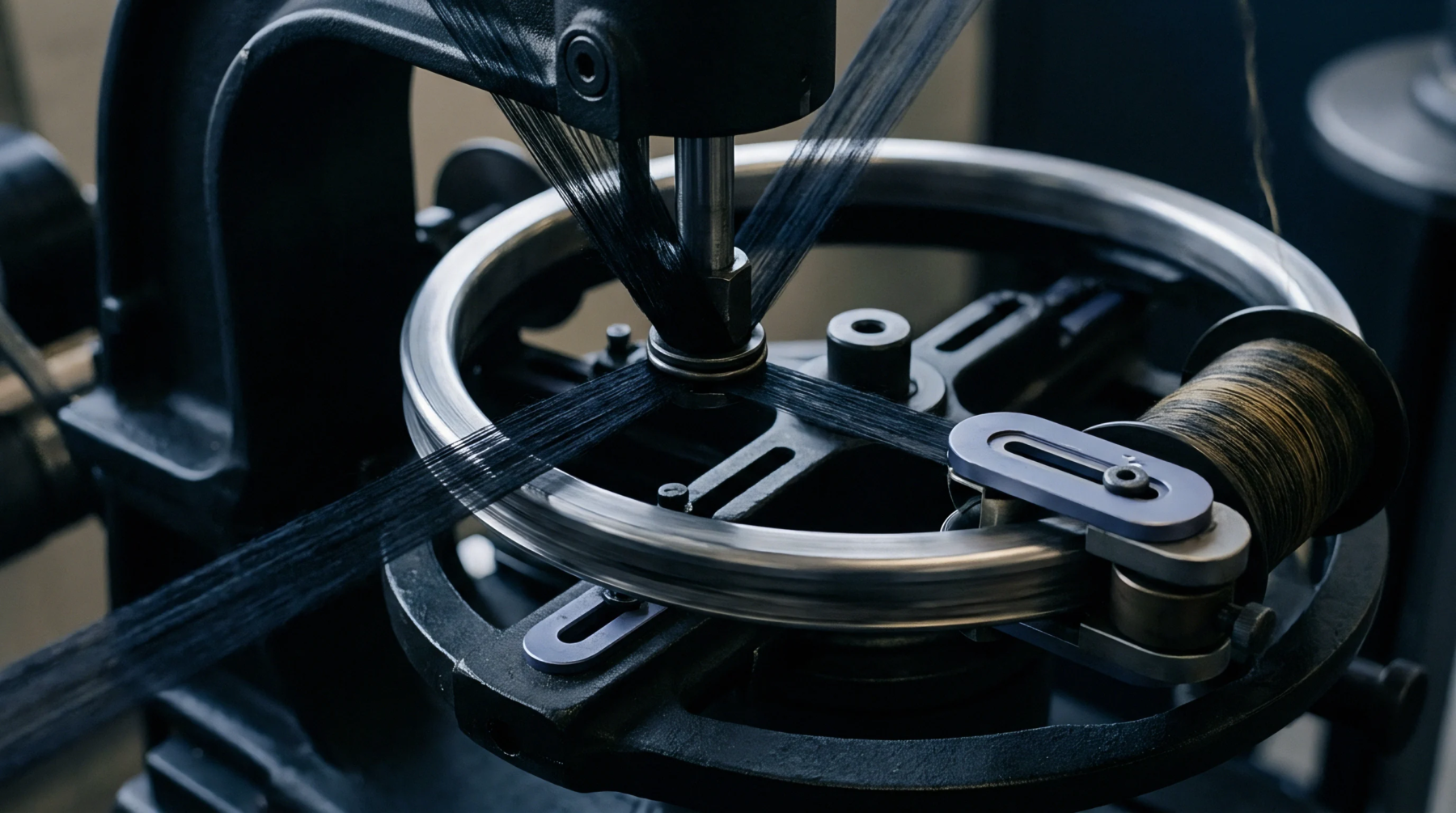
Matching intermediate infrared radiant emission wavelength to polyelectrolyte thermal gelation viscosity prevents dye migration in continuous wet processing.

Acceptance sampling for padded textile finishes requires zero-acceptance attribute plans, composite limit adjustments, and ISO 17025 laboratory scope verification.
Dynamic psychrometric compensation continuously balances evaporation and pickup in pad boxes, preventing dyestuff molarity drift and head-to-tail shade defects.

Dynamic control of ambient regain, pad bowl deflection, wet-bulb drying temperatures, and steam saturation halts continuous shade drift across variable weather.

Cold pad batch dyeing of dense twills requires low-volume trough turnover, dual-component alkali dosing, and precise rotation to eliminate tailing and core defects.

Cold pad-batch dyeing prevents crease marks and cuts energy costs on heavy cotton twill, whereas jet dyeing risks surface friction damage in dark shades.
Expertise is a utility, not a secret. sentiention™ publishes its working knowledge as open reference: intelligence layer covering the materials it sources, the markets it enters, and the reference that serves both.