Processing Residue
Fluorinated organic acids appear as byproducts or residues in the manufacturing of high performance membranes and water repellent finishes for technical outdoor apparel. Perfluorooctanoic acid is an eight carbon fluorinated compound that was widely used as a processing aid in the production of fluoropolymers such as polytetrafluoroethylene. It is not intended to be a part of the final textile product but can remain as a trace contaminant in the fabric or the coating.
This chemical is highly persistent in the environment and is known to be toxic to both humans and wildlife. Due to these risks, it is strictly regulated and is being phased out in favor of shorter chain alternatives. Its presence in consumer goods is a major focus for safety testing and environmental audits.
Membrane Production
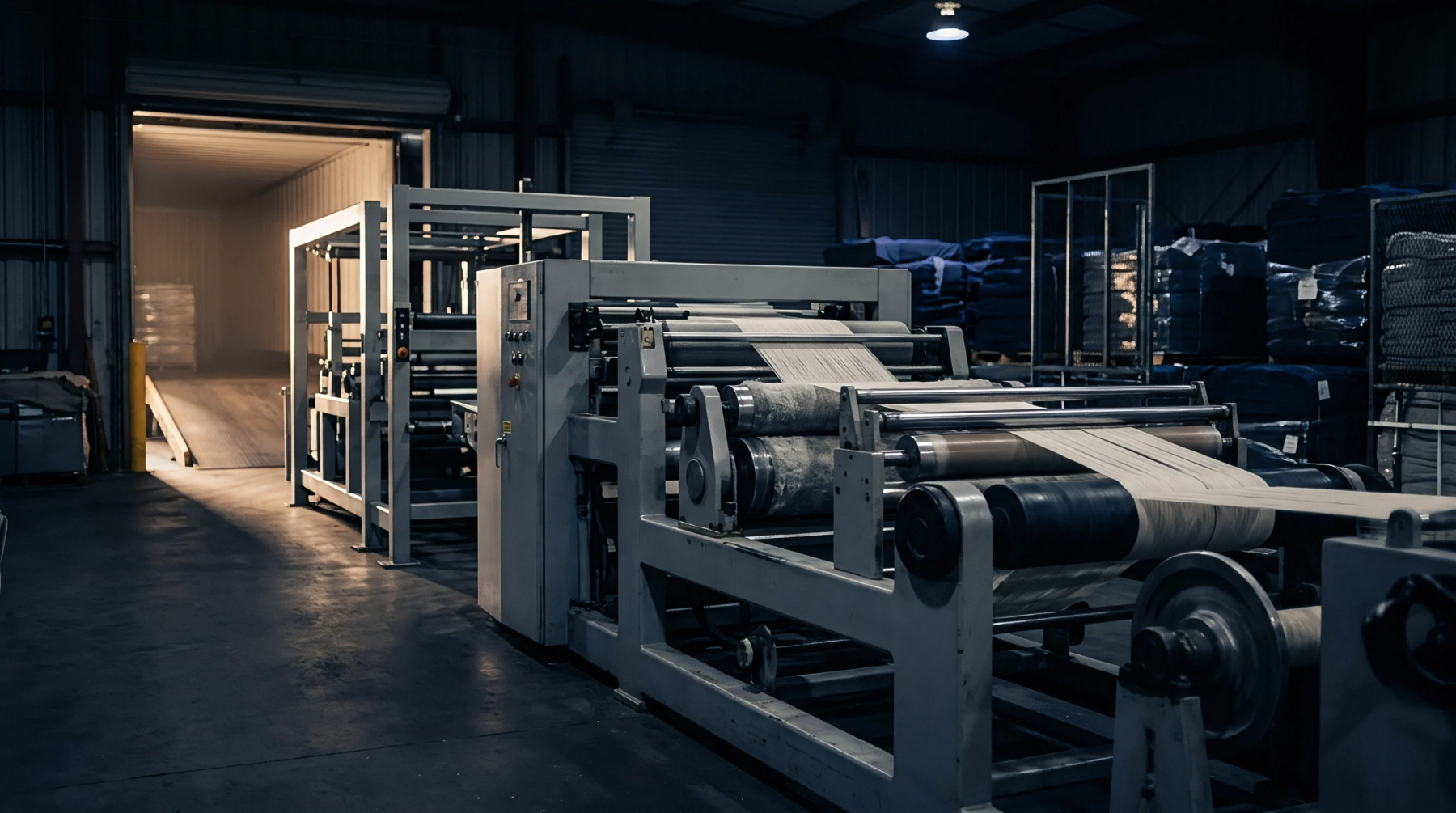
Manufacturing of waterproof and breathable layers often involves the use of these fluorinated acids to manage the polymerization process. During the creation of the thin plastic films that are laminated onto outdoor fabrics, perfluorooctanoic acid helps in maintaining the stability of the chemical reaction. While most of the acid is removed during the cleaning and drying stages, small amounts can stay trapped within the polymer structure.
These residues can later migrate out of the garment during use or when the item is eventually discarded. This has led many membrane producers to develop new, pfoa-free manufacturing methods to meet the demands of environmentally conscious brands. The transition to these new processes is a key part of the industry’s move away from hazardous fluorinated chemicals.
Contamination Pathway
Release of this acid into the environment occurs through factory emissions, wastewater discharge and the washing of finished garments by consumers. Once perfluorooctanoic acid enters the water supply, it is nearly impossible to remove using standard treatment methods. It is highly soluble and does not bind to soil, allowing it to move quickly through groundwater and into drinking water sources.
Because it is so stable, it persists for decades, leading to long term exposure for nearby communities. This persistent nature is the reason why it is classified as a substance of very high concern by regulatory agencies. Reducing the concentration of this chemical in the environment requires a complete cessation of its use in all industrial processes.
Legal Threshold
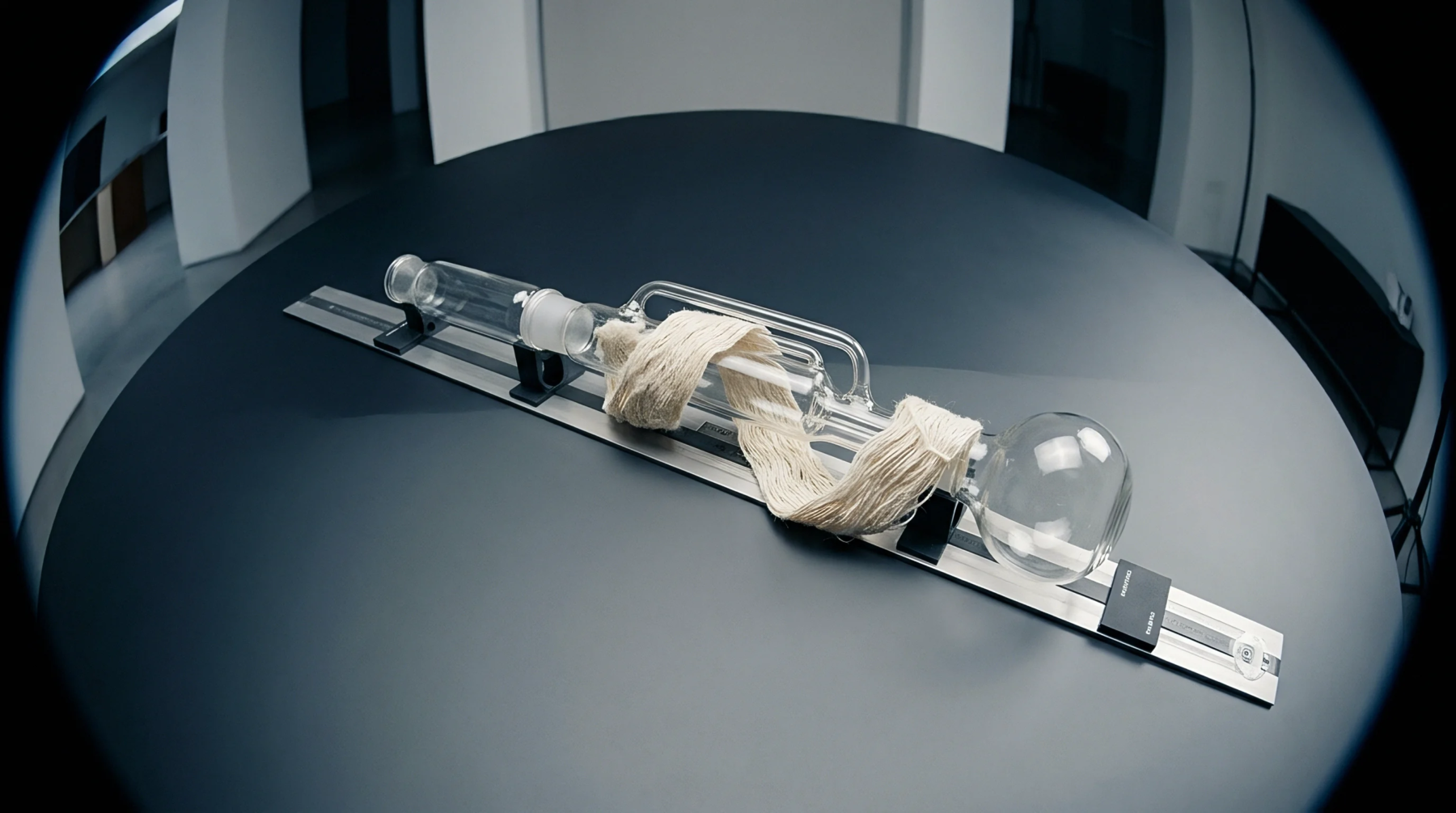
International regulations have established very strict limits on the concentration of this acid in textile products to protect human health. In the european union, the limit for perfluorooctanoic acid and its salts is set at 25 parts per billion, a level that requires highly sensitive laboratory equipment to detect. Testing is typically performed using liquid chromatography and mass spectrometry to identify the chemical at these trace levels.
Manufacturers must also be aware of pfoa-related substances, which are chemicals that can break down into the restricted acid over time. Compliance requires a detailed understanding of the entire chemical supply chain to ensure that no hidden sources of contamination are present. Regular testing of fabric batches and chemical inputs is the only way to guarantee that a product meets these low legal thresholds.