Chemical Screening
Analytical laboratory methods measure the concentration of all carbon bonded fluorine atoms in a textile sample to serve as a proxy for the presence of perfluorinated substances. Testing for total organic fluorine is a rapid and efficient way to identify the use of pfas chemicals in water and oil repellent finishes. If a fabric shows a high level of organic fluorine, it is a strong indication that restricted fluorochemicals have been applied during the manufacturing process.
This method is increasingly used by brands and regulators to screen products for compliance with the growing number of pfas bans. By measuring the total fluorine content rather than searching for individual molecules, the lab can detect both known and unknown fluorinated compounds.
Detection Mechanism
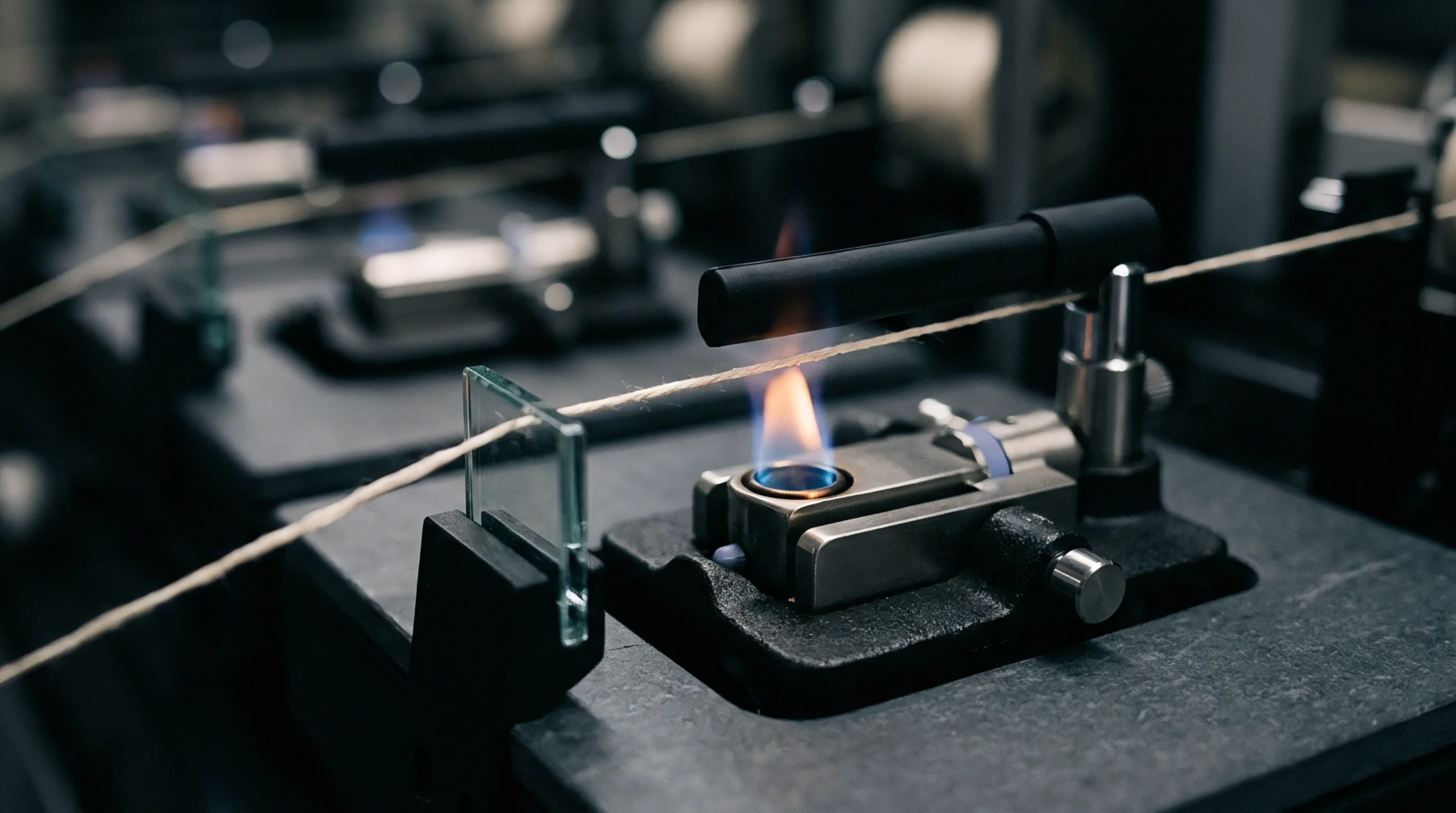
The procedure typically involves the combustion of a small fabric specimen in a high temperature furnace to convert the organic fluorine into inorganic fluoride ions. During the analysis of total organic fluorine, these ions are then measured using ion chromatography to determine the total concentration in the sample. This approach is much faster and more cost effective than testing for hundreds of specific pfas chemicals individually.
If the result is below a certain threshold, often fifty parts per million, the material is considered to be free of intentionally added pfas. This allows manufacturers to quickly verify the status of their materials and to demonstrate their commitment to chemical safety. The test is highly sensitive and can detect even small amounts of cross contamination from the factory environment.
PFAS Identification
Reducing the use of persistent chemicals is a mandatory requirement for any brand that wants to meet modern environmental standards and consumer expectations. When a company relies on total organic fluorine data, it can proactively manage its supply chain and eliminate hazardous substances before they enter the market. If a batch of fabric fails the screening, the mill must investigate the source of the fluorine and transition to non fluorinated alternatives.
This might include the use of wax based or silicone based finishes that provide water repellency without the long term environmental impact of fluorochemicals. Retailers use these test reports to satisfy the requirements of green building certifications and eco labels. This transparency helps to drive the industry toward a safer and more sustainable chemical future.
Technical Boundary
The measurement of total fluorine provides a comprehensive screen but cannot identify the specific chemical structure of the fluorinated compounds present. While total organic fluorine is an excellent indicator of pfas, it may also detect other non hazardous fluorinated materials such as certain dyes or flame retardants. A high reading does not always mean that a restricted substance is present, but it does flag the material for further investigation.
The lab must also distinguish between organic fluorine and the inorganic fluoride that may naturally occur in the water supply or in mineral fillers. This test provides the first line of defense in the complex process of chemical management for textiles. It remains the standard method for verifying pfas free claims.