PFAS Restrictions Rewriting Water Repellent Specifications Mid Season
Mid-season PFAS spec changes require re-engineering fabric density, adjusting curing parameters, and holding lot-traceable total fluorine CIC test evidence.

Finish
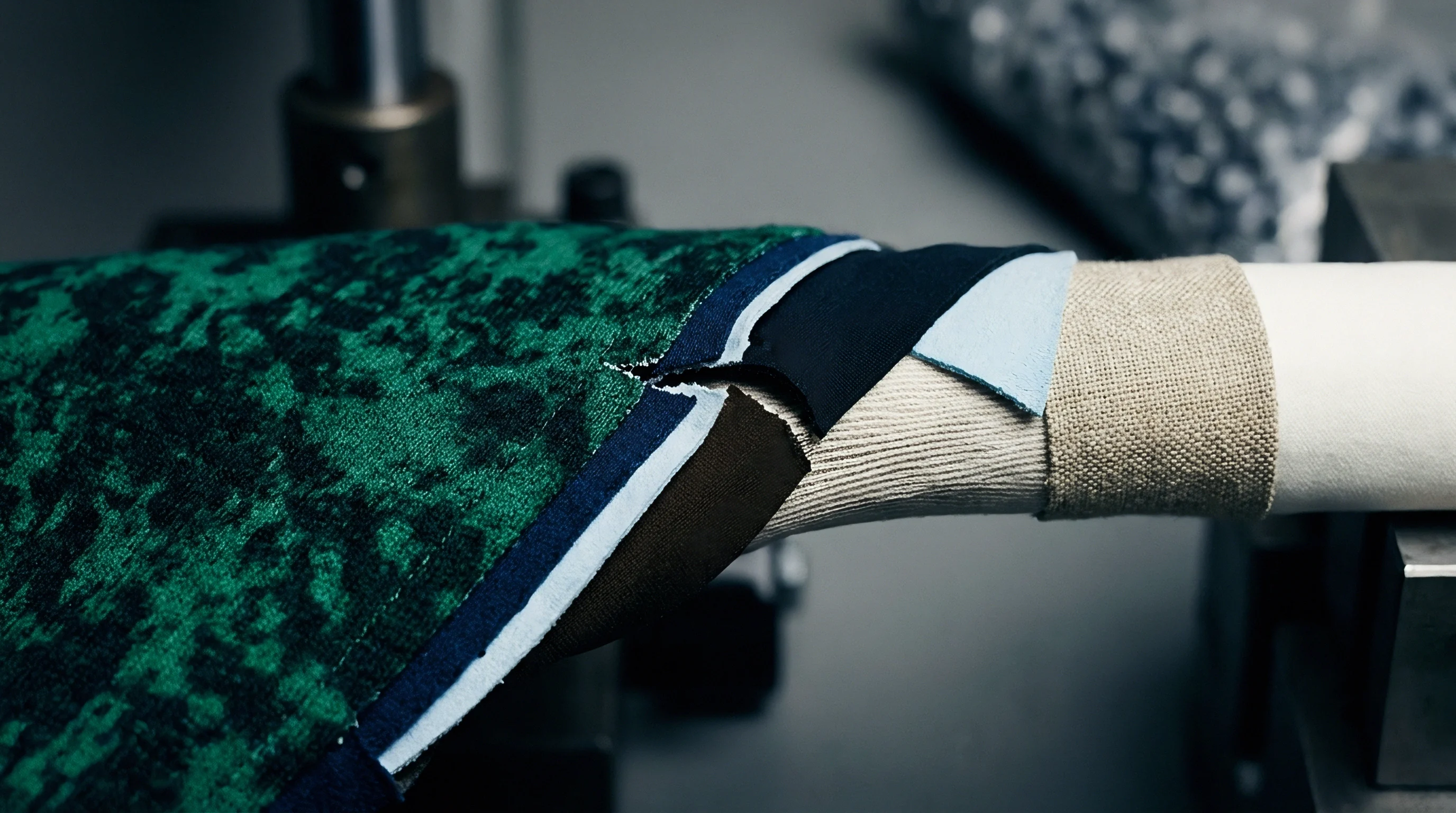
Switching an active outdoor apparel line from fluorinated chemistry to non-fluorinated repellents mid-season fundamentally alters the physical boundary between fiber and water. Mill managers forced to swap chemicals mid-production still have to hit fixed fabric delivery dates. For decades, perfluoroalkyl and polyfluoroalkyl substances (PFAS) ~ specifically long-chain C8 and short-chain C6 fluorocarbons ~ offered a low-energy surface that repelled water and oil alike.
Fluorinated side chains drop interfacial surface energy down to 18 mN/m, easily blocking water (surface tension around 72 mN/m) and synthetic oil mixtures (25 to 32 mN/m). Moving mid-season to non-fluorinated alternatives like organosilicones, paraffin waxes, hyperbranched polymers, or stearic-acid-modified melamines raises finished fabric surface energy to between 24 and 38 mN/m. That jump completely changes how droplets behave on a woven fabric under pressure.
When an active order gets re-specified mid-run, greige goods already woven or knitted are locked in. Yarn density, cover factor, weave geometry, or filament cross-section cannot be altered to make up for a finish with higher surface energy. Fluorinated chemicals once masked minor weaving defects because low surface tension allowed smooth film formation.
Non-fluorinated finishes rely much more on physical substrate density to reach the same starting repellency. A lightweight 20-denier nylon ripstop hitting a 100 spray rating under AATCC 22 with a short-chain C6 finish frequently falls to 70 or 80 when treated with the same wet pick-up of silicone or hydrocarbon. Getting acceptable repellency on light, open weaves requires immediate tweaks to mechanical compacting, calender temperature, and bath concentration.
Wetting Mechanics and Interfacial Energy Gaps
Surface tension dictates whether water beads on a fabric or sinks into the gaps between yarns. Perfluorinated polymers align rigid perfluoroalkyl tails at the fiber surface, building a barrier that repels both water and oil. Non-fluorinated options have no oil-repellent tails at all.
Hydrocarbon finishes push paraffinic alkane chains outward, while silicones orient methyl groups along a flexible siloxane backbone. Hydrocarbons yield surface energies around 30 mN/m, and polydimethylsiloxanes hit roughly 24 mN/m. Water still beads up on either system as long as hydrostatic pressure stays low.
Static contact angle testing under ISO 27440 shows clear differences between the two treatments. C6 fluorocarbons maintain initial water contact angles over 120 degrees and hexadecane angles above 70 degrees. Silicones and paraffin waxes hit water contact angles between 100 and 110 degrees, but their hexadecane contact angle is zero ~ hexadecane pulls right into the yarn bundle.
Without oil resistance, non-fluorinated fabrics absorb skin lipids, sebum, body oils, and environmental hydrocarbons, steadily degrading surface energy over time.
Applying non-fluorinated water repellents to open weave constructions reduces initial AATCC 22 spray performance from grade 100 to grade 80 unless wet pick-up rates increase by at least fifteen percent.
Durable Water Repellency Drop off Rates
Hydrophobic performance drops off under friction and repeated laundering. Testing under ISO 6330 wash procedures alongside ISO 4920 spray ratings shows how wide the durability gap is when substituting finishes mid-season. C6 fluorocarbon finishes retain a 90 spray rating after 20 home wash cycles at 40°C because tumble drying heat reorients the perfluoroalkyl side chains.
Non-fluorinated alternatives degrade far faster.
Paraffin wax emulsions simply wrap physically around fibers rather than bonding chemically. Without added crosslinkers, paraffin finishes collapse from a 100 spray rating to 50 or lower in just five washes. Hyperbranched polymers and reactive silicones use melamine, isocyanate, or aziridine crosslinkers to form covalent bonds with synthetic or cellulosic fiber groups.
These crosslinked systems hold spray ratings of 80 to 90 across 20 cycles, assuming curing ovens hit high enough temperatures to activate them properly during finishing.
Martindale abrasion testing under ISO 12947 exposes similar limits. Under low-load rubbing (9 kPa), non-fluorinated chemical films suffer progressive surface shear. Silicone coatings tend to migrate or rub off, leaving spots that wet out quickly.
Hydrocarbon films flake at micro-friction points. Performance audits show that non-fluorinated fabrics subjected to 5,000 abrasion cycles lose up to 30 percent of their initial ISO 811 hydrostatic head, compared to less than a 10 percent drop for fluorinated control fabrics under identical wear.

Oil Resistance Elimination Impact
Removing perfluorinated side chains strips away protection against oils and fats. AATCC 118 hydrocarbon testing rates oil repellency from Grade 0 to Grade 8, where Grade 1 resists mineral oil and Grade 8 resists n-heptane. Every non-fluorinated repellent scores a Grade 0.
Fabrics absorb mineral oil, motor oil, cooking grease, and sweat on contact.
That oil absorption directly degrades water repellency over time. Sebum and body oils on collars, cuffs, and shoulders drag the local surface energy of non-fluorinated fibers below that of water. Droplets that once beaded up start pulling into contaminated areas through capillary action.
Garments worn around cities or outdoors pick up ambient hydrocarbons that speed up water leakage, even if the jacket passed brand-new spray tests in the lab.
Stain release under AATCC 130 also takes a hit when switching to zero-PFAS formulations mid-season. Fluorinated coatings kept oil from soaking deep into filament bundles, making it easy to wash out. Non-fluorinated finishes let oily stains bond directly to synthetic fibers.
Normal home washing will not lift absorbed oil, leaving dark spots and dead zones where repellency is lost. Brands changing specs mid-run have to accept this trade-off and update the messaging on hangtags.
Swapping in non-fluorinated repellents without adjusting fabric density or mechanical finishing leads straight to field returns when jackets soak through in the rain.

Bath
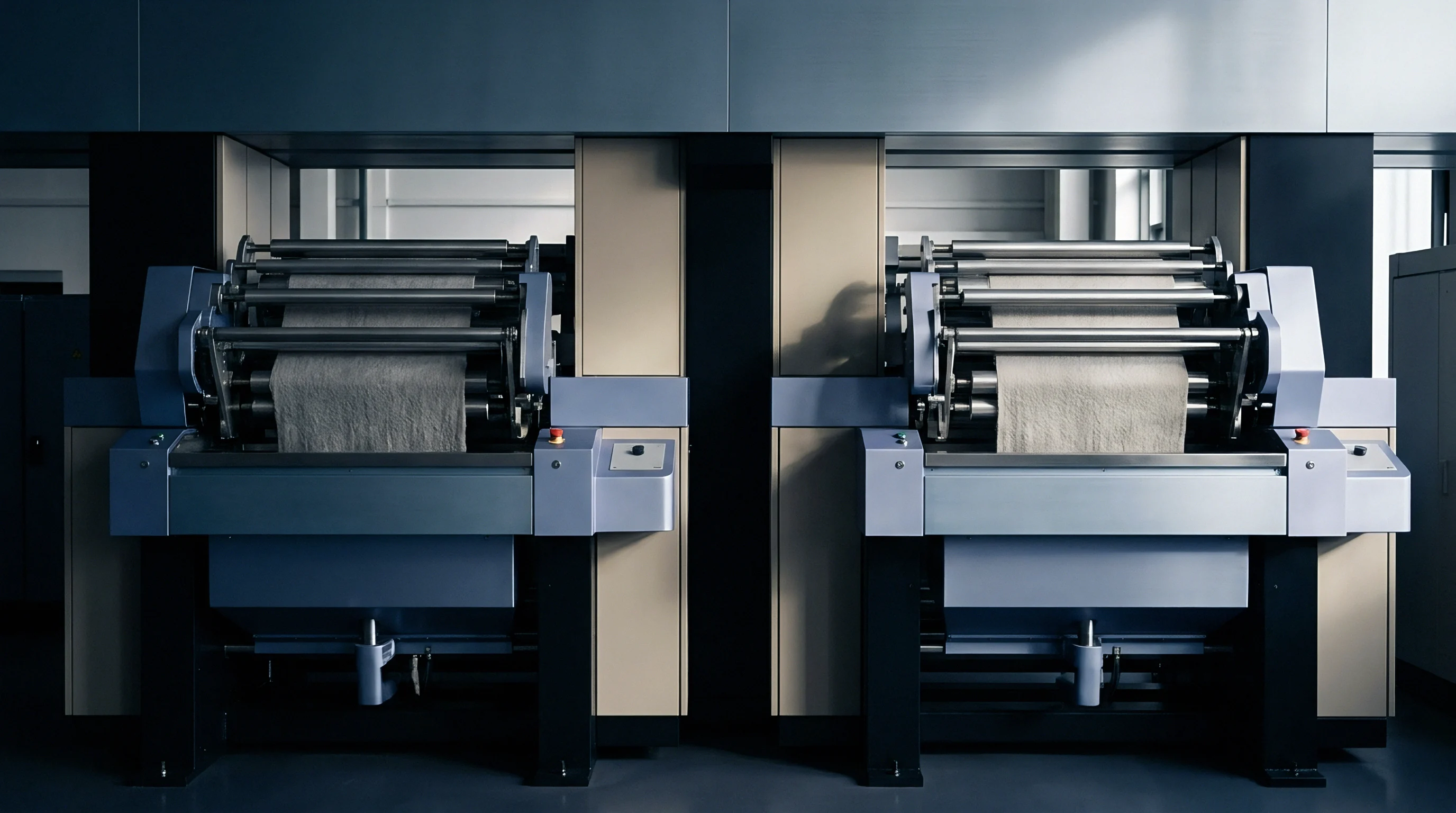
Switching wet processing lines from short-chain C6 chemicals to non-fluorinated formulations requires aggressive cleanup across padding troughs and feed lines. A dyehouse running continuous pad-dry-cure cannot just drain a C6 bath and dump in a non-fluorinated emulsion. Trace fluorosurfactants, unreacted polymers, and incompatible auxiliaries lingering in pipes, pumps, or mangles break the structure of non-fluorinated baths.
As little as 5 parts per million of fluorine in a pad bath can split the emulsion, causing spotty distribution, chemical staining, and failed compliance tests.
Managing non-fluorinated baths requires tight control over pH, liquor temperature, nip pressure, and wet pick-up rates. C6 chemistry was forgiving on bath stability and minor cross-contamination; non-fluorinated emulsions ~ especially high-molecular-weight silicones and paraffin-dendrimer complexes ~ are far more delicate. High shear forces from fabric racing through pad mangles split unstable emulsions, throwing off oil, forming surface scum, and leaving sticky residues on stainless steel rollers.
Liquor Stability and Crosslinking Dynamics
Non-fluorinated aqueous dispersions react poorly to shear and heat in the pad mangle. Keeping bath temperature under 30°C stops emulsion droplets from coalescing early. Pad troughs need cooling jackets to fight friction heating during fast runs (40 to 60 meters per minute).
Bath pH has to stay in a tight window, usually 4.5 to 5.5, buffered with acetic acid. An alkaline drift past pH 6.0 breaks cationic silicone emulsions almost immediately.
Crosslinkers are necessary to get acceptable wash durability out of non-fluorinated finishes. Isocyanate, melamine, or polyaziridine crosslinking agents bind with active hydrogens on cellulose or reactive groups in synthetic fibers. Unblocked isocyanate crosslinkers demand humidity control on the plant floor ~ ambient moisture reacts with them prematurely, killing binding efficiency and throwing down insoluble polyurea solids in the bath.
Blocked isocyanates avoid this, but need higher curing heat in the stenter, typically requiring 160°C to 170°C for 90 to 120 seconds to unblock and crosslink.
Wet pick-up has to be re-calibrated for every construction and blend. Fluorinated finishes performed well at 40 to 50 percent pick-up on synthetics. Non-fluorinated alternatives usually need 60 to 75 percent to coat fiber cross-sections evenly.
Pushing that much extra water into the sheet requires more heat in the drying zone, slowing stenter speeds and raising energy consumption per linear meter.
| Chemical Class | Dominant Chemistry | Optimal Curing Temp | Initial Spray Rating | AATCC 118 Oil Rating | Shear Stability |
|---|---|---|---|---|---|
| C6 Fluorocarbon | Perfluorohexylethyl methacrylate | 150°C – 160°C | 100 | 5 – 6 | High |
| Silicone (PDMS) | Polydimethylsiloxane network | 150°C – 165°C | 100 | 0 | Moderate |
| Paraffin / Metal Salt | Zirconium-wax emulsion | 130°C – 140°C | 90 – 100 | 0 | Low |
| Dendritic Polymer | Hyperbranched hydrophobic polymer | 160°C – 170°C | 90 – 100 | 0 | Moderate |
| Modified Melamine | Stearic-acid melamine derivative | 165°C – 175°C | 80 – 90 | 0 | High |

Dyehouse Decontamination and Line Flushing
Residual fluorosurfactants sticking to vessel walls leach into fresh non-fluorinated baths during processing. Mixing tanks, supply lines, pad troughs, and stenter applicator units must be thoroughly decontaminated before starting zero-PFAS runs. Simple water flushes will not strip persistent fluorinated residues from stainless steel or rubber rolls.
Cleaning requires a multi-step chemical wash. The system is drained and rinsed with warm water (60°C), followed by an alkaline cycle using 2 to 4 grams per liter of sodium hydroxide and an emulsifying surfactant. Running this wash at 80°C for at least 45 minutes strips polymeric residue out of lines and troughs.
Once drained, the line needs an acid neutralization flush using 1 to 2 grams per liter of citric or acetic acid, ending with a deionized water rinse until conductivity drops back to fresh water levels.
Rubber pad mangle rolls are a frequent source of cross-contamination. Micropores in synthetic rubber absorb fluorinated surfactants over long runs. Under nip pressure during a non-fluorinated pass, those trapped compounds squeeze back out into the bath.
Mills have to grind down rolls, replace them, or dedicate specific roller sets strictly to non-fluorinated runs to avoid total fluorine test failures in the lab.
Converting wet processing machinery from fluorinated to non-fluorinated chemistry requires an alkaline hot flush followed by an acid neutralization cycle to strip micro-scale fluorosurfactant residues from pad rollers and pipe networks.
Failures during mid-season bath transitions usually point to physical or chemical incompatibilities between old residues and new bath mixes.
- Bath Separation occurs when nip shear cracks the emulsion, leaving oily streaks along the fabric.
- Crosslinker Precipitation happens if pH dips below 4.0, dropping solid particles out of solution onto the trough floor.
- Thermally Induced Yellowing shows up when curing temperatures cross 175°C while trying to fix hydrophobic films on pale shades.
- Substrate Stiffening stems from high chemical add-on applied to force acceptable initial spray ratings.
- Flock Accumulation builds up on stenter needles as unreacted wax components vaporize and condense during baking.
Spot defects on re-specified goods usually trace back to bath pH drifting outside the target half-point window during padding.

Scan
Proving a fabric is truly PFAS-free requires lab methods that can tell intentional finishes apart from background contamination. Rewriting specs mid-season exposes brands to real legal liability if shipments declared zero-PFAS turn up with trace fluorine. Global limits are tight: California AB 1817 caps total organic fluorine in apparel at 100 parts per million starting January 1, 2025, dropping to 50 parts per million in 2027.
EU Persistent Organic Pollutants (POPs) rules cap PFOA at 25 parts per billion (0.025 mg/kg) and PFOA-related compounds at 1,000 parts per billion (1.0 mg/kg).
Supplier self-declarations and basic SDS sheets carry no weight during regulatory audits. Verification requires a tiered testing setup: broad total fluorine screening backed by targeted LC-MS/MS or GC-MS to identify specific restricted substances. Compliance managers need to understand detection limits, extraction yields, and matrix interference when auditing global supply chains.
Combustion Ion Chromatography Protocol
Total fluorine screening measures halogen content down to low parts per million. Combustion Ion Chromatography (CIC), run under EN 14582 or DIN 51723 / ISO 24265, is the standard screening method for California AB 1817 compliance. Fabric samples are combusted at 1,000°C to 1,100°C in oxygen, converting organic and inorganic fluorine into hydrogen fluoride gas.
That gas is absorbed into solution and fed into an ion chromatograph with a conductivity detector to read fluoride ion levels.
Separating organic fluorine from inorganic fluorine is where testing gets tricky. Inorganic fluorides ~ like sodium fluoride in tap water or fluorosilicate dust ~ trigger positive total fluorine signals on CIC screens, even though they are legal under organic PFAS rules. If total fluorine comes back above 50 parts per million, the lab has to run a solvent extraction with hydrophilic and hydrophobic solvents to separate organic fluorine from background salts before burning the sample.
Total Organic Fluorine (TOF) measured after extraction is the actual metric used for legal enforcement.
| Test Method | Analytical Instrumentation | Target Analytes | Limit of Detection | Regulatory Threshold |
|---|---|---|---|---|
| EN 14582 / CIC | Combustion Ion Chromatography | Total Fluorine (TF) / TOF | 10 mg/kg (ppm) | 100 mg/kg (CA AB 1817) |
| CEN/TS 15968 | LC-MS/MS & GC-MS | Extractable PFAS / PFOA / PFOS | 0.01 mg/kg (ppm) | 0.025 mg/kg (EU POPs) |
| DIN 51723 Mod. | Microcoulometry / CIC | Total Organic Halogens | 5 mg/kg (ppm) | Screening Benchmark |
| EN ISO 23702-1 | Targeted LC-MS/MS | Side-chain Fluorotelomers | 0.025 mg/kg (ppm) | 1.0 mg/kg (PFOA Related) |
| Note: Limits of detection vary by laboratory matrix accreditation scope and sample preparation protocols. | ||||
Targeted Liquid Chromatography Speciation
Quantifying specific perfluoroalkyl acids requires electrospray tandem mass spectrometry. Targeted testing under CEN/TS 15968 or EN ISO 23702-1 isolates restricted compounds like PFOA, PFOS, PFHxS, PFNA, and fluorotelomer alcohols (FTOHs). Fabric samples undergo ultrasonic extraction in methanol or acetonitrile at 60°C for two hours, after which the extract is concentrated, filtered, and run through an LC-MS/MS triple quad system.
Matrix interference in finished textiles often distorts targeted results. Synthetic dyes, anti-stats, and silicone polymers suppress or enhance ionization during mass spectrometry. Isotope-labeled internal standards (like Carbon-13 PFOA) are necessary to correct for extraction losses and matrix effects.
Without labeled standards, reported PFAS levels can swing up to 40 percent from actual concentrations, generating false passes or false failures.
Cross-contamination during sampling is another common source of testing error. Cutting shears, plastic bags with fluorinated slip additives, glass rinsed with fluorinated detergents, and Teflon container caps all leak trace PFAS into samples. Verification protocols should specify polyethylene bags, stainless tools cleaned with pure isopropyl alcohol, and blank control samples run alongside fabric cuts to confirm test accuracy.
Laboratory test dossiers must report total organic fluorine via combustion ion chromatography alongside targeted LC-MS/MS speciation to clear both state-level total fluorine caps and international compound-specific POPs restrictions.
Verification files for mid-season specification conversions require a structured sequence of testing steps to confirm zero-PFAS compliance across entire production lots.
- Cut a ten-gram specimen from the center of the roll, steering clear of selvages that collect mechanical oils and dirt.
- Run total fluorine screening via combustion ion chromatography to check halogen levels against state limits.
- Extract any sample showing over fifty parts per million fluorine using a methanol and acetonitrile mix.
- Run the concentrated extract through LC-MS/MS to quantify specific perfluoroalkyl carboxylates and sulfonates.
- Archive detection limits alongside accredited laboratory scope statements in the compliance file.
What background total fluorine concentration should trigger mandatory LC-MS/MS compound speciation when non-fluorinated mill declarations conflict with screening test results?

Margin
Mid-stream spec changes create instant commercial friction between dyehouses, garment factories, and brand finance teams. Changing chemical specs mid-season throws off yield calculations, finishing costs, and original bills of materials. Non-fluorinated formulations cost more per kilogram than standard C6 chemistry and require higher pick-up rates to achieve basic initial repellency.
A converter who budgeted finishing at $0.12 per linear meter for C6 often sees chemical application costs jump to $0.22 to $0.35 per meter for dendritic or silicone-melamine systems.
The financial impact goes beyond raw chemical prices. Slower line speeds needed to bake non-fluorinated crosslinkers reduce stenter throughput by 15 to 25 percent, raising gas and electric cost per meter while eating into mill margins. On top of that, spinning oils, knitting lubricants, and scouring agents containing ethoxylated fluorosurfactants have to be replaced upstream, adding cost across sub-tier suppliers.
Scrap Valuation and Fabric Disposition
Unfinished greige and padded roll goods carry very different salvage values when specs shift mid-season. Greige goods held at weaving mills are flexible; they can be scoured and finished with non-fluorinated chemicals with little cost beyond process adjustment. Fabric already padded with C6 fluorocarbons, however, cannot be stripped or re-treated to clear zero-PFAS legal thresholds.
Scrapping fully finished fluorinated fabric causes severe landed write-offs. A brand stuck with 50,000 meters of 3-layer shell finished in C6 faces a full loss on fabric costs (roughly $6.50 per meter), plus ocean freight, duty, and hazardous waste fees if the goods cannot be sold legally in primary markets. Liquidating non-compliant fabric into unregulated regions typically nets under 20 percent of original FOB, wiping out seasonal profit margins.
| Supply Chain Stage | Primary Cost Driver | Cost Variance Range | Commercial Liability Holder |
|---|---|---|---|
| Chemical Auxiliaries | Non-fluorinated emulsion & crosslinker price | +40% to +90% chemical cost | Dyehouse / Converter |
| Dyehouse Processing | Slower line speeds & thermal curing energy | +$0.10 to +$0.25 per meter | Converter / Buyer |
| Testing & Screening | CIC Total Fluorine & LC-MS/MS testing packages | $350 to $750 per production lot | Brand / Importer of Record |
| Inventory Write-off | Scrapped fluorinated finished roll goods | 100% material cost loss | Brand / Mill (per contract) |
| Garment Assembly | Rework, re-labeling, and delayed shipping | +$0.50 to +$2.00 per garment | Garment Factory / Brand |

Purchase Order Revision Mechanics
Mid-season contract amendments reallocate unexpected finishing costs between converters and buyers. Purchase orders issued before regulatory deadlines usually relied on boilerplate compliance language. When state bans or brand RSL changes hit mid-season, force majeure clauses rarely apply, since statutory phase-outs are considered legally predictable events.
Resolving disputes requires explicit cost-sharing addendums. Mill lot audits show that commercial friction settles faster when revised purchase orders clearly split re-testing fees, tank cleaning charges, and scrap inventory write-offs. Brands that mandate zero-PFAS limits on active production without adjusting FOB unit pricing risk supplier walkouts, missed delivery windows, or covert substitution where mills blend fluorinated remnants to hit delivery dates.
Contractual purchase order addendums written mid-season must specify that the buyer assumes all financial liability for fully finished fluorinated roll goods produced prior to the written specification change date.
Managing scrap fabric and work-in-progress inventory during a mid-season specification change requires evaluating material status against commercial conversion options.
- Unfinished Grey Goods retain complete flexibility to convert into non-fluorinated lines or other styles without disposal penalties.
- Padded Untreated Rolls require heavy scouring cycles to strip uncured auxiliary chemicals before applying non-fluorinated finishes.
- Fully Fixed Fluorinated Inventory cannot enter zero-PFAS retail markets, forcing inventory transfers to regions without total fluorine restrictions.
- Garment Cut Pieces sitting on factory sewing lines require immediate trim and fabric substitutions to avoid assembling non-compliant garments.
Purchase orders must incorporate an explicit specification transition clause: “Any mid-season alteration to chemical finish requirements authorizes a baseline FOB price adjustment reflecting documented auxiliary chemical cost differentials and extended stenter frame dwell times.”

Customs
Enforcement at international borders turns unverified chemical declarations into seized containers. Customs agencies and market surveillance authorities in the US and EU have built total fluorine and targeted PFAS screening directly into import inspections. Under California AB 1817 enforcement and EU REACH Annex XVII oversight, customs agents have the legal authority to hold, test, and impound textile shipments lacking verified compliance documents.
The importer of record carries full legal responsibility for cleared merchandise. Handing customs a generic mill self-declaration or an old SDS sheet will not release a held container. Officials require batch-specific, lot-traceable test reports from ISO/IEC 17025 accredited laboratories, verifying total fluorine levels below legal limits alongside targeted compound non-detect results.

Border Clearance and Import Detention Operations
Customs agents flag shipments lacking traceable testing files. Upon arrival, targeted textile containers receive red-lane holds for environmental verification. Inspectors pull swatches from random cartons in the shipment and send them to official or contract labs for Combustion Ion Chromatography screening.
Detention fees rack up quickly while containers sit under hold. Daily storage and demurrage run $150 to $500 per container, depending on the port and container type. If lab testing finds total fluorine over statutory caps (like 100 parts per million in California), customs issues a formal Notice of Detention and Intent to Refuse Entry.
Importers usually have 30 days to produce independent accredited test data or file a plan for re-export or destruction.
Re-exporting rejected shipments carries high freight costs, while port-supervised incineration as hazardous waste runs upwards of $2.50 per kilogram of cloth. Import manifest tracking shows that a single detained container of 20,000 jackets can generate over $40,000 in unrecoverable demurrage, testing, and destruction fees, completely wiping out seasonal product margin.

Audit Defense Files and Traceability Chains
Defending a batch against regulatory action requires an unbroken paper trail linking fiber lots to finished garments. A proper audit defense file binds four document tiers into one traceable record: chemical supplier declarations, mill processing logs, accredited lab test reports, and transaction certificates.
The key to the defense file is the Scope Certificate and Transaction Certificate chain. Programs like OEKO-TEX Standard 100 (Annex 4 or Annex 6 with zero-intentionally-added PFAS) or bluesign APPROVED require explicit chemical disclosure. But a scope certificate alone does not prove batch compliance.
Importers need a Transaction Certificate (TC) connecting the specific roll numbers and weights in the container to the certified run. A dyehouse scope certificate issued six months earlier does not prove that fabric inside a given container was finished with compliant chemistry.
Traceability collapses quickly during mid-season spec switches. If a mill transitions from C6 to silicone halfway through a 100,000-meter production order, rolls made before the swap carry different chemical signatures than those finished after. Packing both runs into one container without roll-level segregation and separate test reports guarantees customs delays.
Every roll needs a barcoded batch number tied directly to a specific lab test report confirming total fluorine compliance. Importers must cross-check manifests against test records before containers reach destination ports.
Customs enforcement runs strictly on documented proof. Importers keeping audited, lot-traceable test files clear customs without issue, while those relying on unbacked mill promises face holds, mandatory recalls, and lasting brand damage.