
Understanding Weft Insertion Tension Variations in Air Jet Looms
Air jet weft tension variations stem from improper nozzle pressure timing and arrival braking, causing wide fabric shade banding and edge defects in bulk.

Air jet weft tension variations stem from improper nozzle pressure timing and arrival braking, causing wide fabric shade banding and edge defects in bulk.

Inline shortwave infrared spectroscopy measures synthetic fiber ratios within zero point five percent accuracy by tracking second overtone molecular bond absorptions.

High warp sett in air jet weaving creates severe beat-up force spikes, requiring asymmetric shed geometry and optimized profile reeds to prevent structural yarn defects.
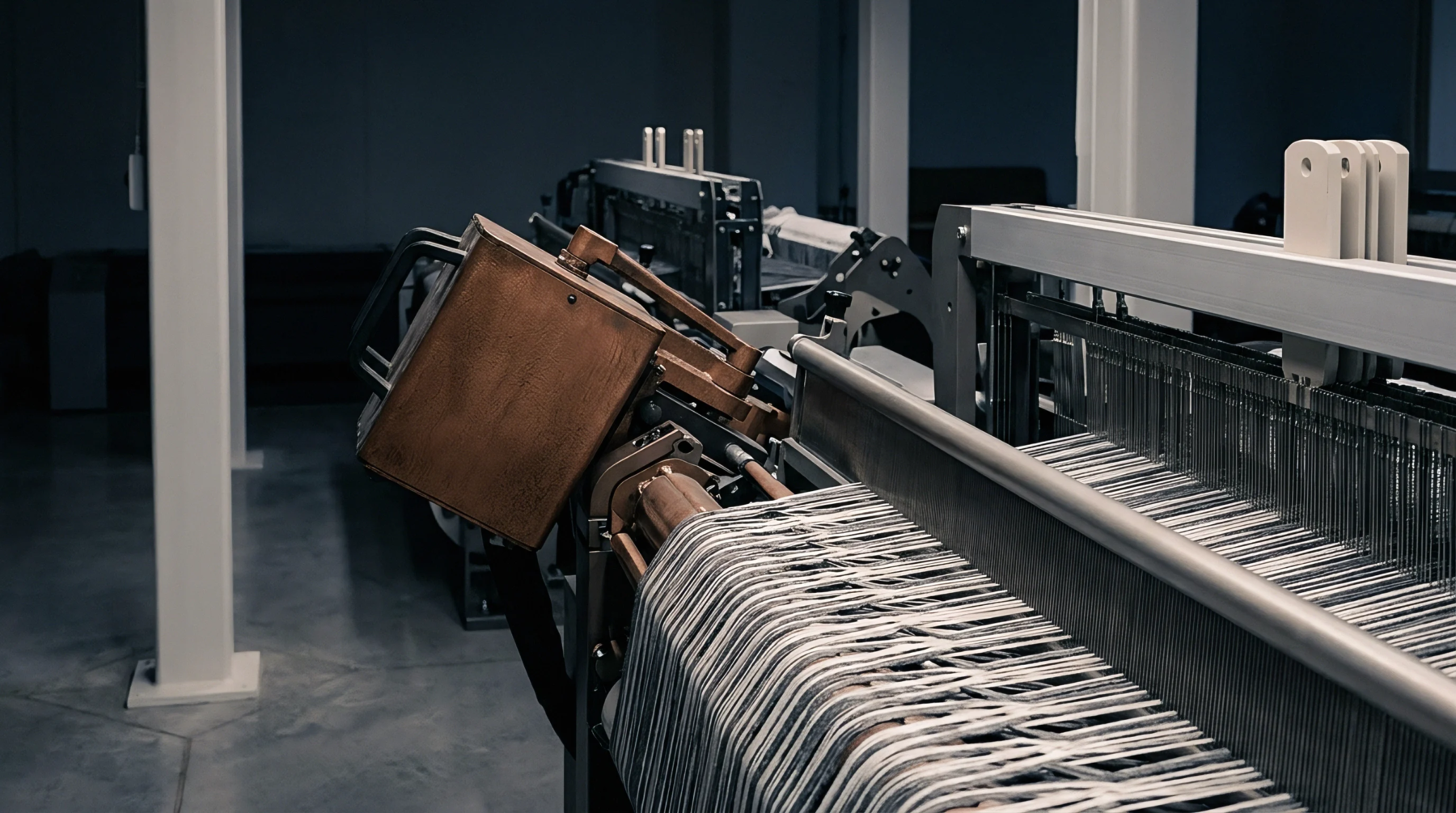
Downproof taffeta requires reed air space ratios between 48% and 52% with wire thickness above 0.14 mm to prevent beat-up deflection and reed marks.
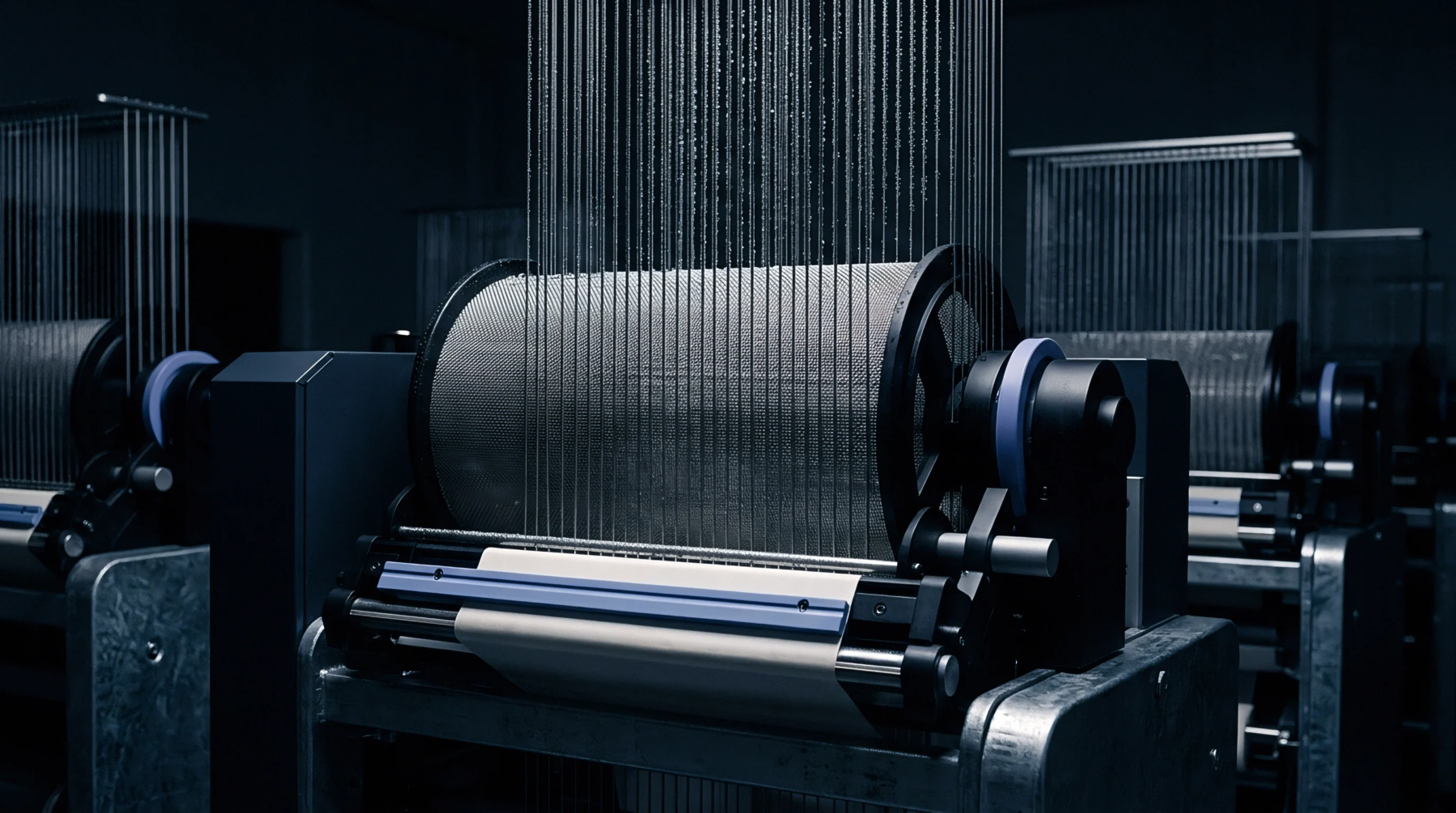
Primary warp cover factor in filament weaving dictates fluid barrier, air permeability, and landed fabric cost by governing yarn packing, off-loom density, and finish shrinkage.

Spectrophotometric oligomer deductions use dual wavelength baseline correction to isolate true cyclic trimer mass from dissolved solvent impurities.
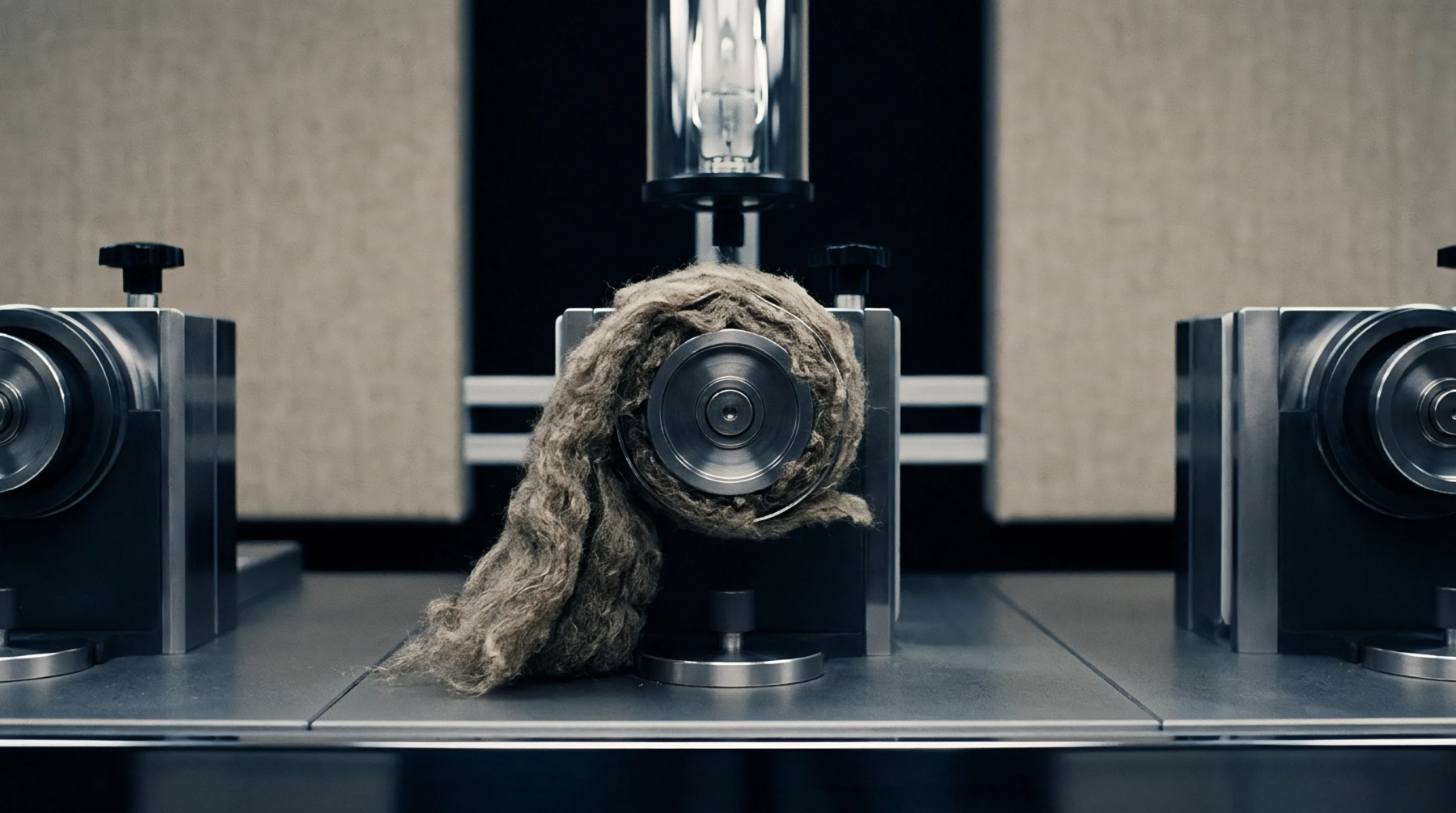
PET oligomer solvent leaching reduces residue weight by up to 2.5%, distorting blend calculations unless corrected by empirical batch-specific d-values.
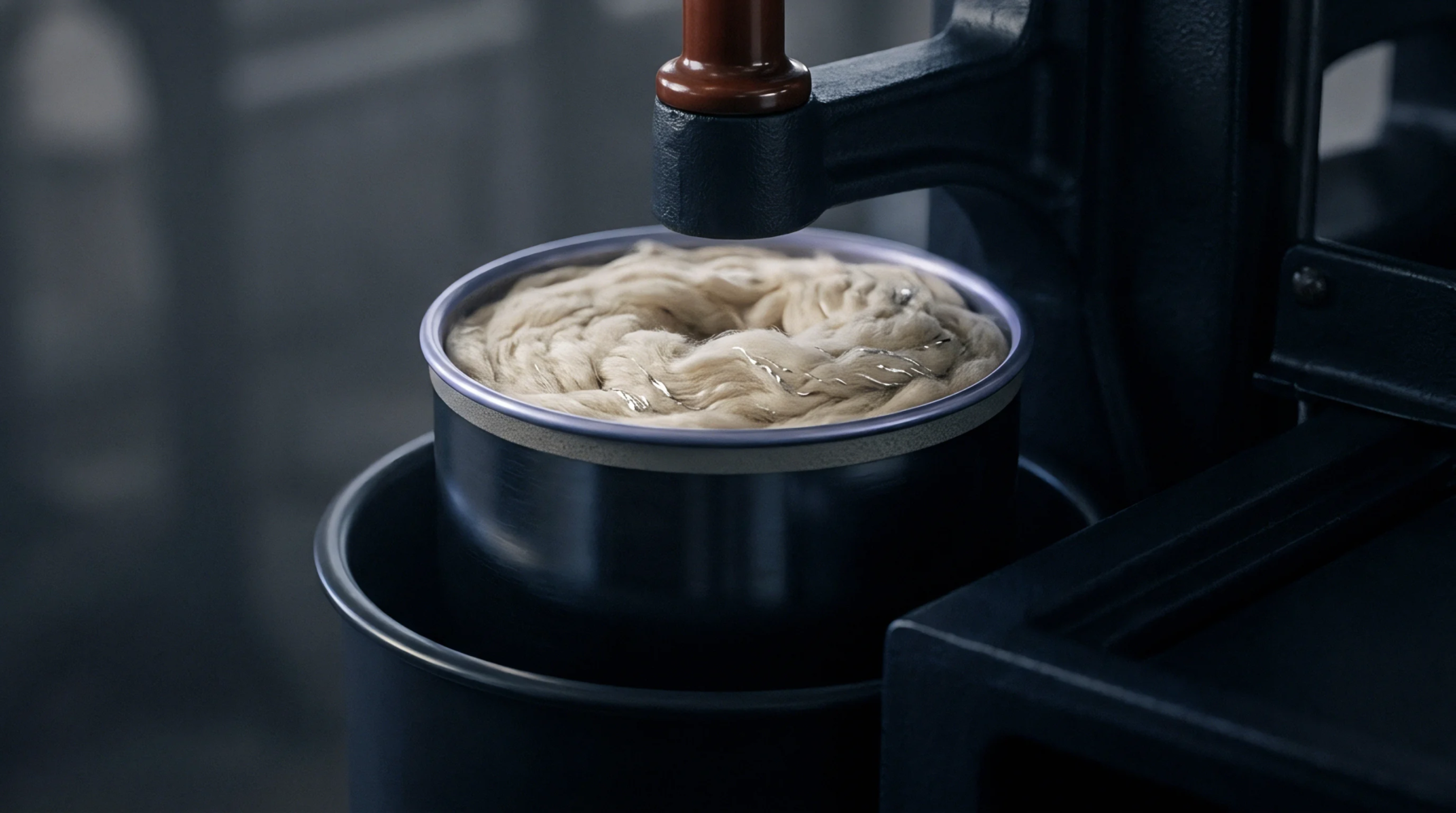
Invoicing recycled cellulosic yarn on standard regain values creates mass disputes when transport humidity traps desorption water inside amorphous fiber structures.

Accurate spin finish quantification relies on gravimetric solvent extraction standard ISO 6741 to verify oil pickup levels and settle commercial mass disputes.
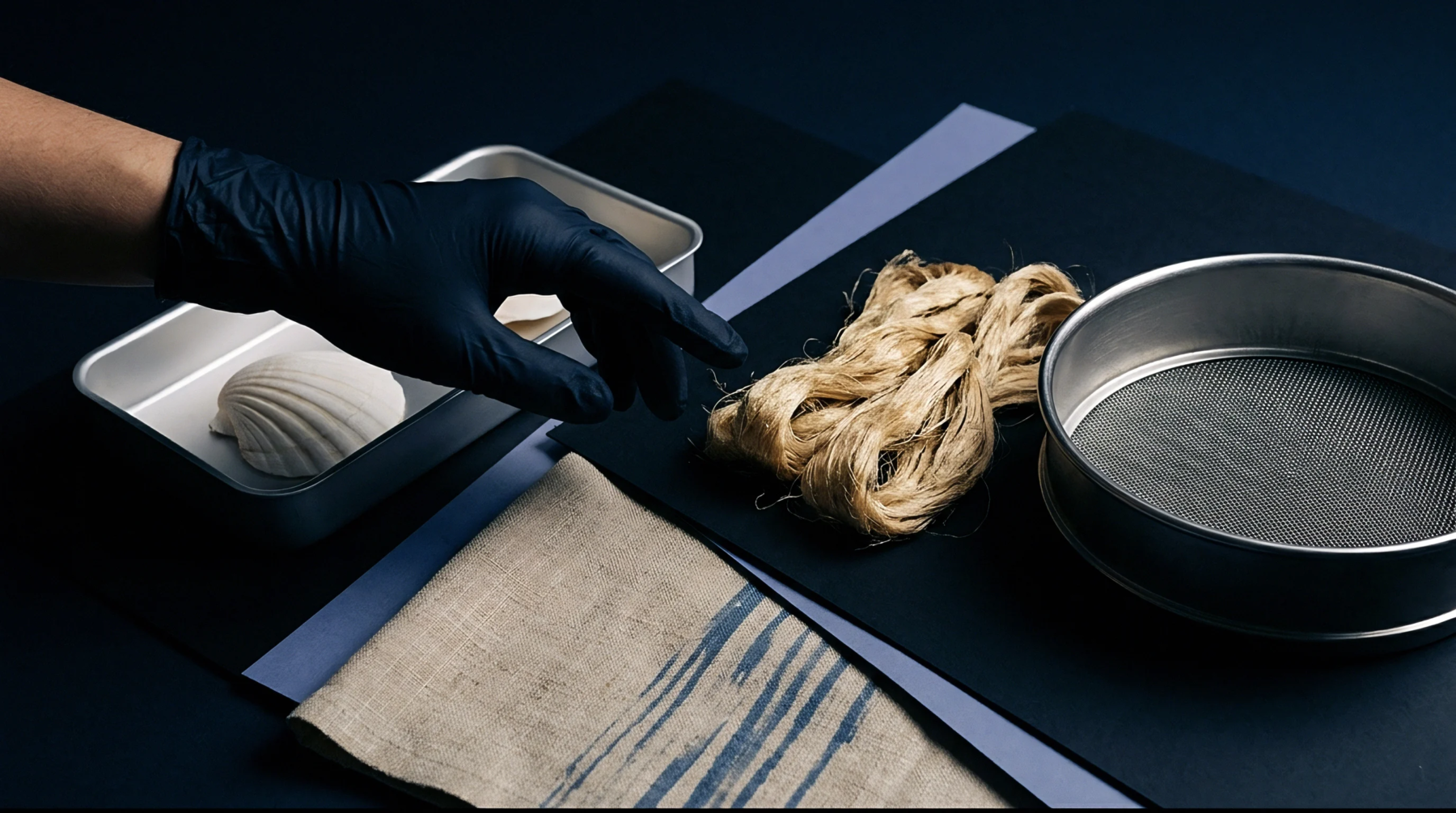
Chromatographic analysis isolates residual synthetic lubricants from natural wool grease, preventing downstream dye defects and verifying chemical specs.
Expertise is a utility, not a secret. sentiention™ publishes its working knowledge as open reference: intelligence layer covering the materials it sources, the markets it enters, and the reference that serves both.