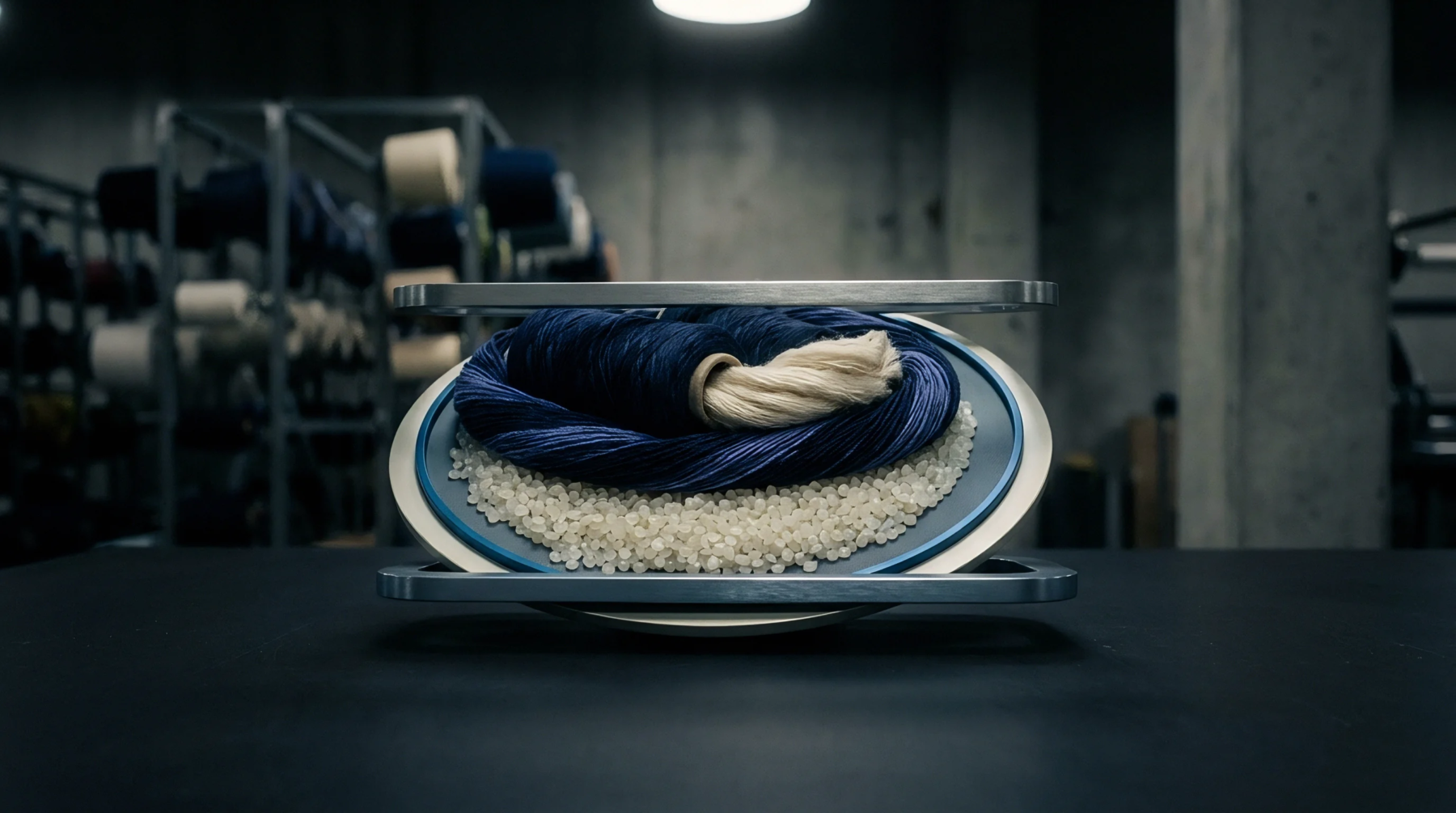
Oligomer Migration
Low molecular weight polymers formed as byproducts during the synthesis of polyester often migrate to the fiber surface. These cyclic trimers accumulate as white powder deposits on machinery and yarn. Surface residues represent a small fraction of the total polymer weight but affect processing efficiency.
Processing Interference
Friction increases when these particles coat the guides and tensioners of high speed machines. Clogged spinnerets or broken filaments result from the presence of cyclic trimers in the melt. Dyeing cycles at 130 degrees Celsius facilitate the migration of these molecules to the liquor and the fabric surface.
Scouring Efficiency
High temperature alkaline scouring or specialized oligomer binders help manage the accumulation during the dyeing process. Effective management of cyclic trimers prevents the formation of uneven dye spots or rough handle in the finished cloth. Rinsing at high temperatures prevents the trimers from redepositing on the polyester fibers as the bath cools.
Inspection Requirement
Levelness of shade and surface cleanliness are the primary metrics for evaluating the success of oligomer control. Excessive cyclic trimers lead to dusty residues that interfere with subsequent coating or printing stages. Quality control labs measure the extractable content to predict the likelihood of powdering during high speed garment assembly.
Results from these tests determine if a batch requires additional cleaning before finishing.