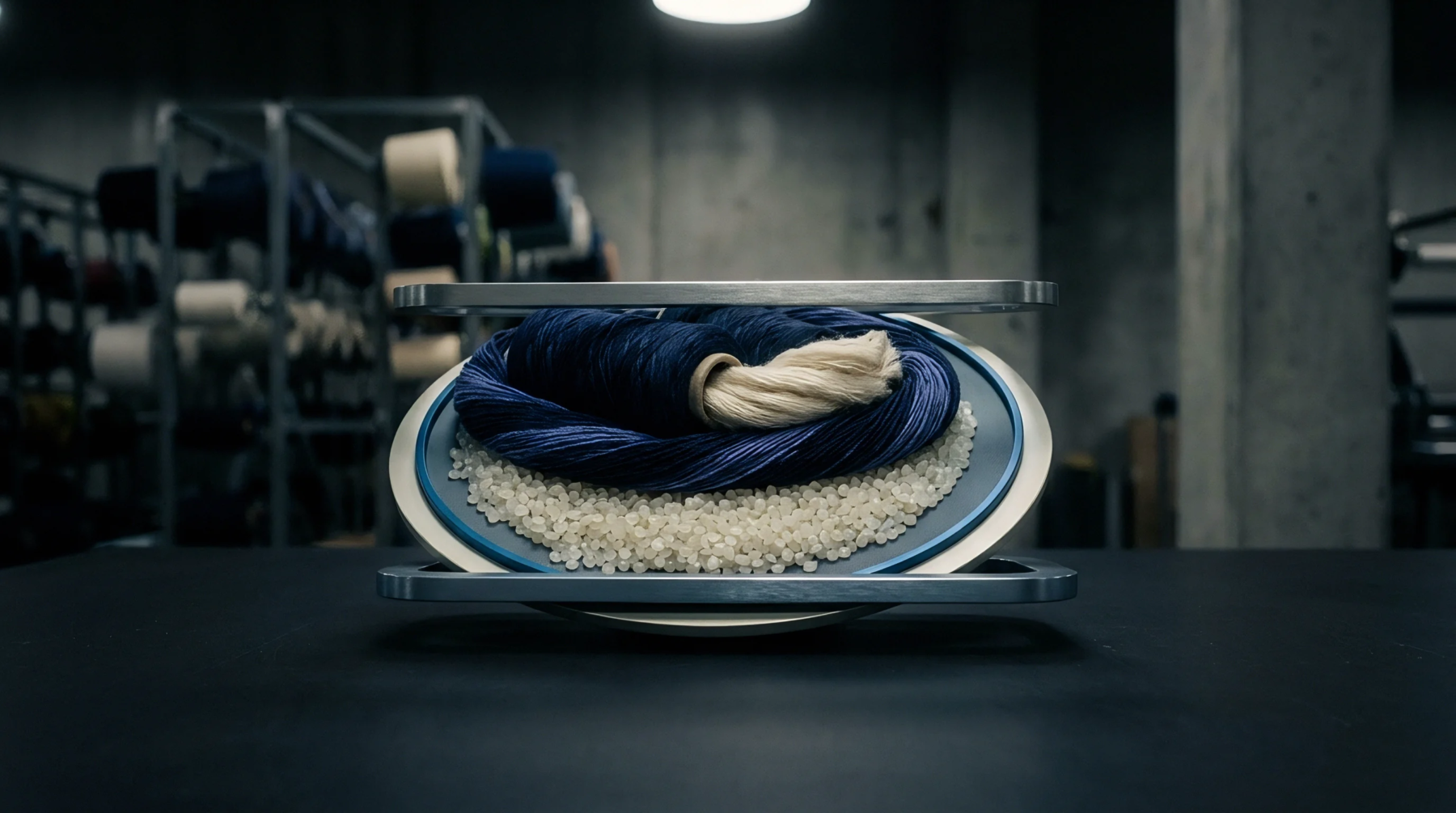
Quantitative Pretreatment Protocols for Removing Modern Synthetic Spin Finishes
Quantitative spin finish removal demands targeted binary solvent extraction to prevent gravimetric error in customs fibre composition analysis.
Quantitative spin finish removal demands targeted binary solvent extraction to prevent gravimetric error in customs fibre composition analysis.

Solvent extraction removes non-fibrous sizing and oils before applying statutory moisture regains to clean dry fibre masses for tariff classification.

Differentiating isomeric plasticizers in coated matrix screening requires complete solvent polymer dissolution followed by targeted GC-MS peak resolution.

Correcting PET spin finish extraction figures demands subtracting dissolved cyclic trimers to prevent overstating lubricant content in commercial mass calculations.

Solvent extraction isolates spin finishes and waxes from spun yarns, preventing excess processing aids from inflating commercial mass and landed duty costs.

True dry fiber mass requires quantitative solvent extraction of non-fibrous processing aids prior to forced-draft oven drying to constant weight.

Cross border chemical retests demand exact matching of solvent polarities, extraction temperatures, and specimen shred sizes to resolve audit discrepancies.

Official moisture regain converts bone-dry wool yarn mass into contractually billable commercial weight, eliminating ambient moisture volatility from financial settlements.

Standardizing solvent extraction for recovered staple yarn matches solvent polarity to finish chemistries, isolating non-fibrous mass without core polymer damage.

ISO 17025 envelope testing establishes clearance by testing worst-case chemical and physical fabric boundaries to clear full material families across markets.

Pre-extract spin finishes with petroleum ether and apply accurate d-value corrections to ensure precise cotton-viscose gravimetric separation and tariff compliance.
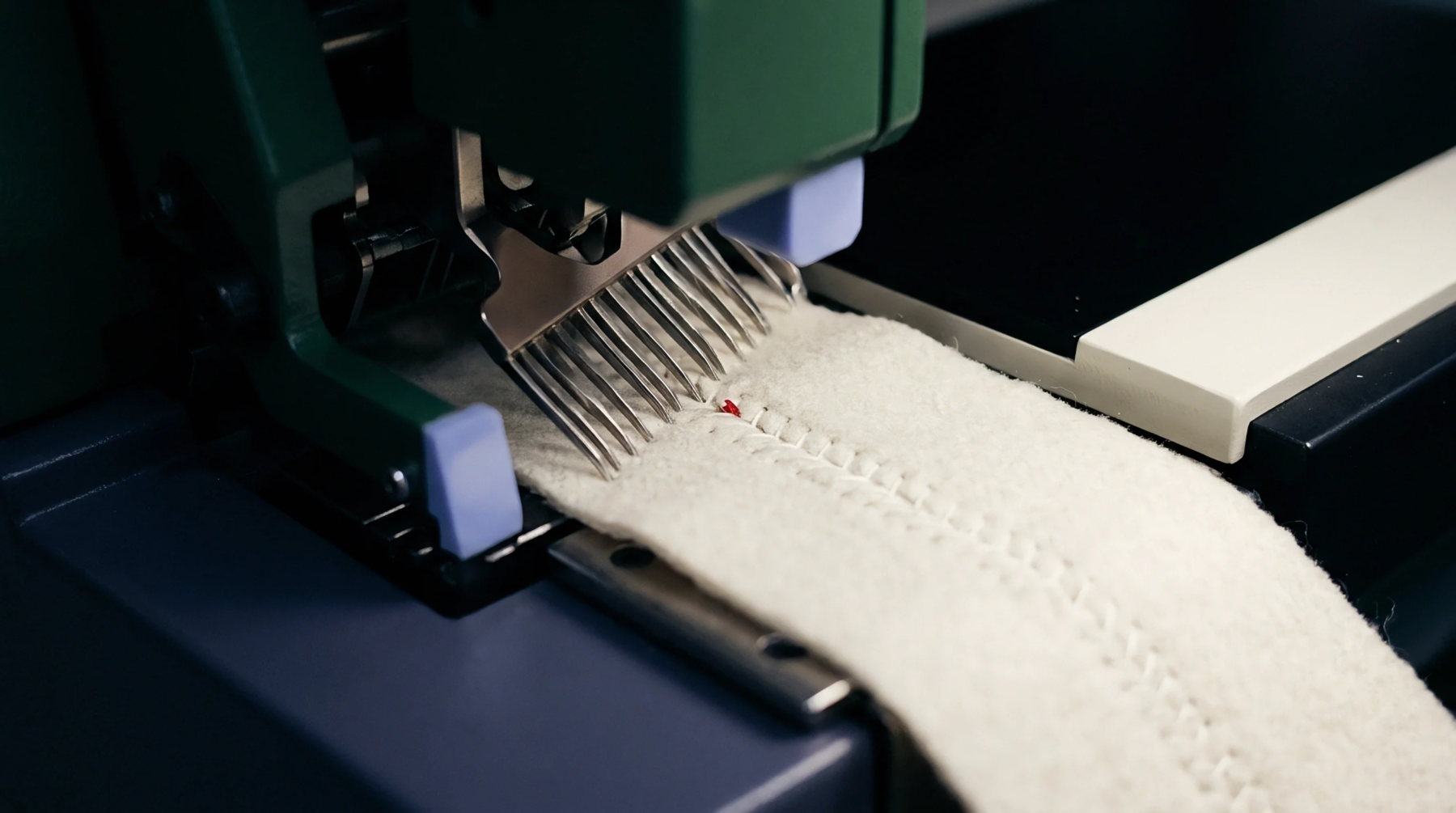
Resolving yarn density disputes requires standardized Soxhlet solvent extraction, precise 0.5 cN/tex pretensioning, and ISO 5725 statistical critical difference bounds.

Removing non-fibrous finish via standard solvent extraction before chemical separation ensures accurate clean dry fiber mass and correct customs tariff classification.

Statutory customs petroleum ether pretreatments fail to extract polar ethoxylated spin finishes, distorting dry fiber mass and shifting tariff lines.

Unextracted spinning oils distort oven-dry fiber mass ratios, triggering false chief-weight customs reclassifications between cotton and viscose tariffs.
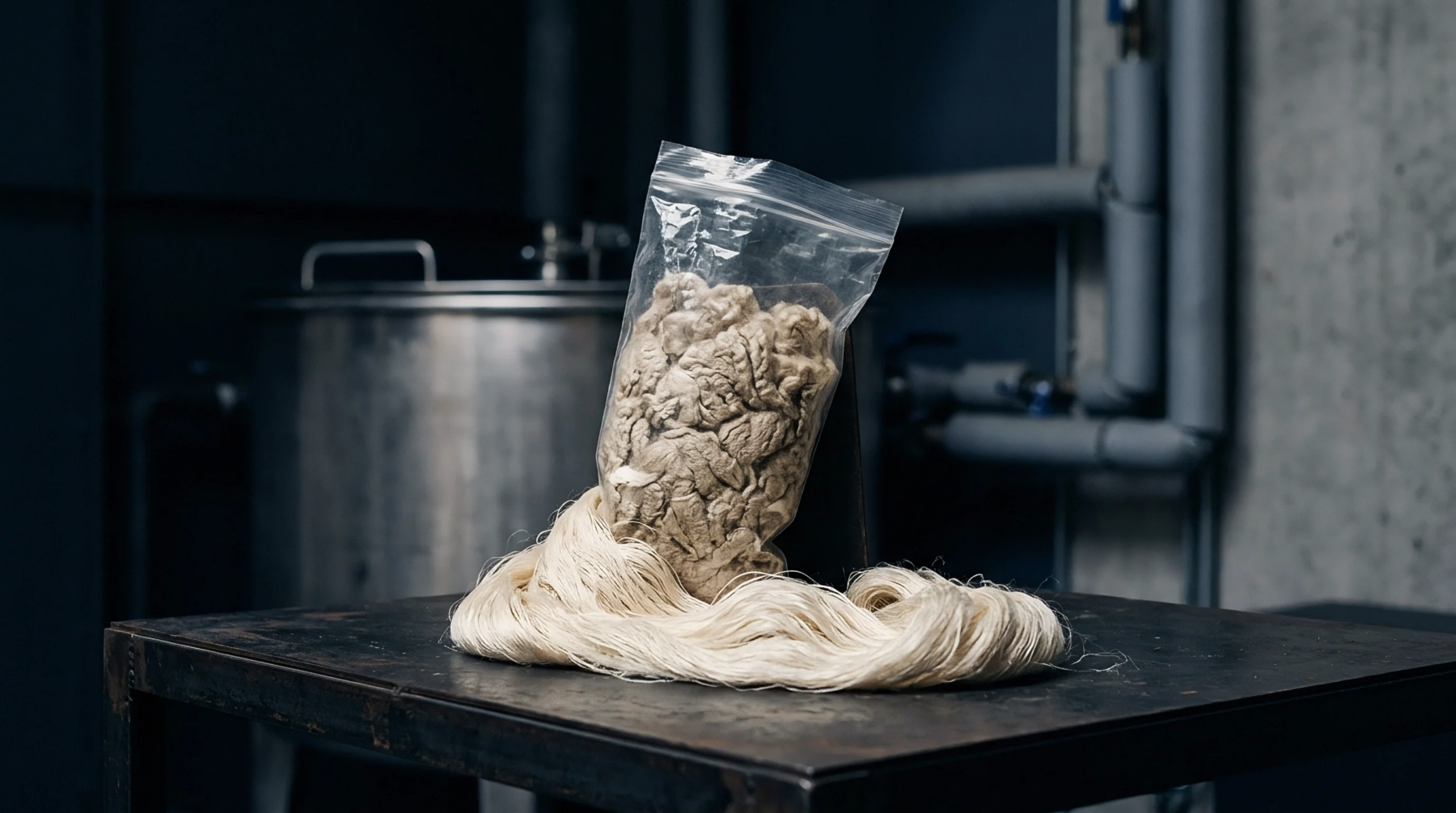
Commercial mass equals oven-dry mass multiplied by standard regain allowances, establishing an immutable billable weight independent of transit moisture shifts.
Expertise is a utility, not a secret. sentiention™ publishes its working knowledge as open reference: intelligence layer covering the materials it sources, the markets it enters, and the reference that serves both.