Residual Solvent Measurement inside Coated Polyurethane Fabrics
Polyurethane fabric compliance demands EN 17131 solvent extraction GC-MS verification rather than headspace screening to capture entrapped aprotic solvents.


Residue
Coagulated synthetic leather holds volatile organic carriers within its microporous polyurethane matrix long after surface drying registers complete. In wet-process manufacturing lines, dimethylformamide dissolves polymer pellets to form a casting dope, which enters a series of aqueous immersion baths where water exchanges for the organic solvent, precipitating polyurethane into an open sponge-like cellular structure. Solvent traps form quickly.
The polymer solidifies at the exterior interface first, producing a dense skin over a cellular sub-layer that restricts molecular diffusion during subsequent washing. Water washing removes the high concentrations present on the external perimeter, yet substantial fractions of N,N-dimethylformamide (DMFa), N,N-dimethylacetamide (DMAC), and N-methyl-2-pyrrolidone (NMP) stay bound inside closed cells and within the nonwoven backing fabric.
Transfer coating processes present a distinct physical trap. Base fabrics receive adhesive tie-coats followed by pre-cast polyurethane skin films cured through thermal drying ovens. While solvent evaporation proceeds from the exposed surface outward, temperature gradients through the roll package frequently leave unvolatilized solvent locked between the polyurethane skin layer and the underlying polyester or polyamide substrate.
Polyester scrim fibers absorb plasticizers and polar aprotic solvents during high-tension lamination. When the coated roll winds under tension at the end of the line, residual solvent migrates toward the center of the roll package, creating wide variations in solvent content between outer wraps and inner cores.
- Skin layer densification impedes solvent volatilization as rapid thermal curing forms an impermeable surface boundary before deep evaporation completes.
- Substrate fiber absorption draws polar processing liquids into knit or nonwoven filaments that resist standard convective oven temperatures.
- Coagulation cell collapse closes interstitial channels in the microporous core, sealing organic carriers inside isolated pockets.
- Roll tension gradients compress interior layers during winding, driving localized vapor condensation across the center of the batch.
Converters facing commercial queries regarding odor or laboratory flags frequently assert that subsequent finishing passes, ambient warehouse storage, and ocean transit heat eliminate lingering volatile carriers before cutting begins.
Bath
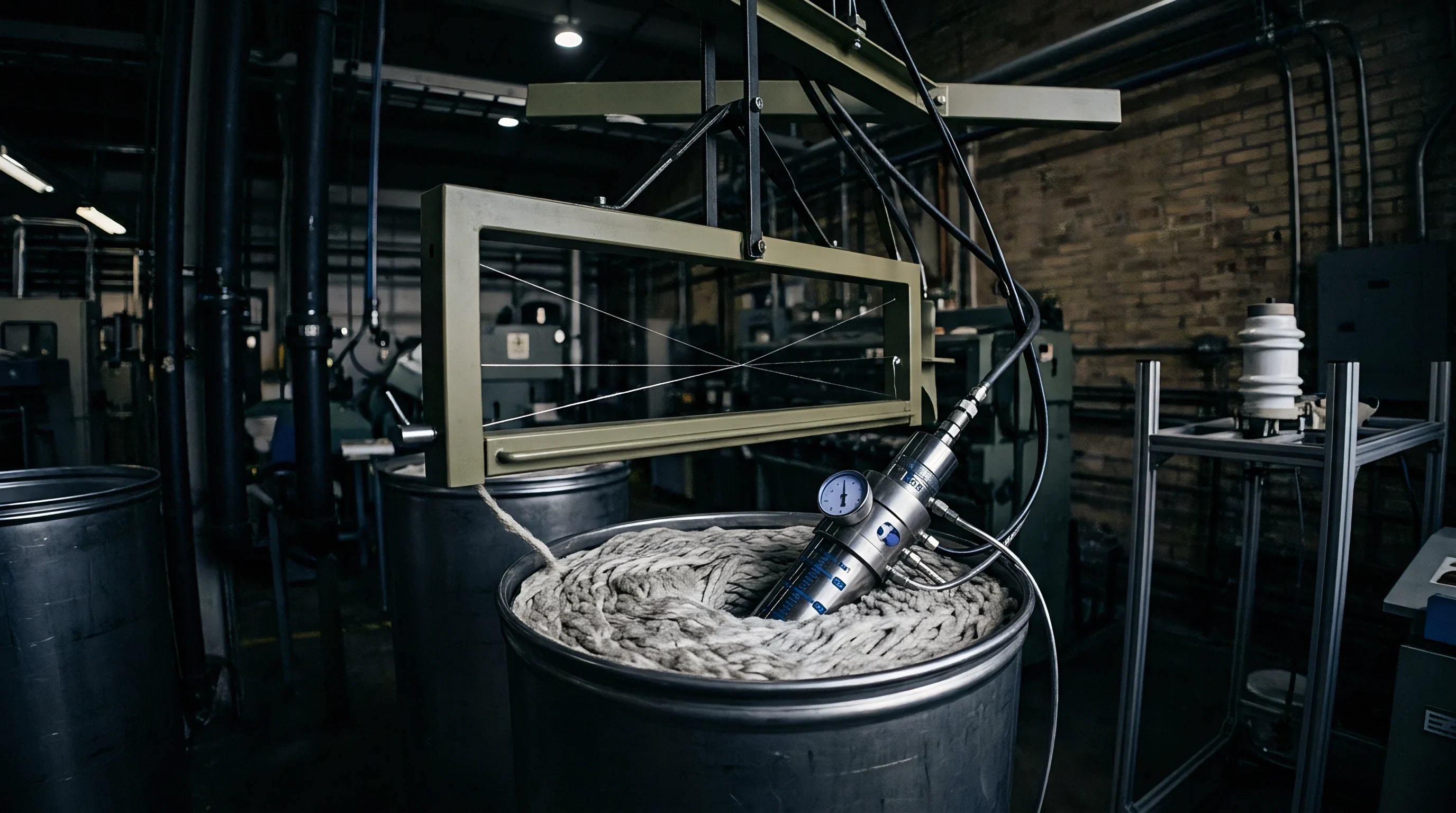
Washing line efficiency controls the absolute solvent volume remaining in the textile before it enters the drying chambers. Multi-stage counter-current rinse tanks direct freshwater into the final tank, moving progressively upstream toward the initial coagulation tank to maintain a steady concentration gradient between the polymer web and the aqueous rinse liquor. Water rinsing removes surface film.
The partition coefficient between polyurethane and water drops sharply as the solvent concentration in the bath rises. When counter-current flow rates drop below engineering setpoints, the rinse bath reaches equilibrium with the polyurethane web, halting further extraction regardless of transit dwell time.
A ten-milligram per kilogram DMFa threshold in infant articles permits zero measurable carryover from foulard liquor.
Oven zones control final evaporation. Wet-coagulated webs leave the final wash stage saturated with water and residual solvent mixtures, entering tenter ovens zoned from low heat to high heat to avoid flash evaporation that blisters the polyurethane skin. Drying ovens operating below two hundred degrees Celsius evaporate surface moisture rapidly, but polar aprotic carriers feature boiling points exceeding one hundred and fifty degrees Celsius: DMFa boils at one hundred and fifty-three degrees, DMAC at one hundred and sixty-five degrees, and NMP at two hundred and two degrees.
Saturated exhaust air in unvented zones prevents complete evaporation, resulting in finished goods that carry hundreds of milligrams per kilogram of target chemicals into overseas distribution containers.
Failure to maintain rinse ratios and exhaust air turnover produces finished goods with entrapped solvent profiles that trigger automatic customs detentions, product withdrawals, and total commercial loss across destination markets.
Leach
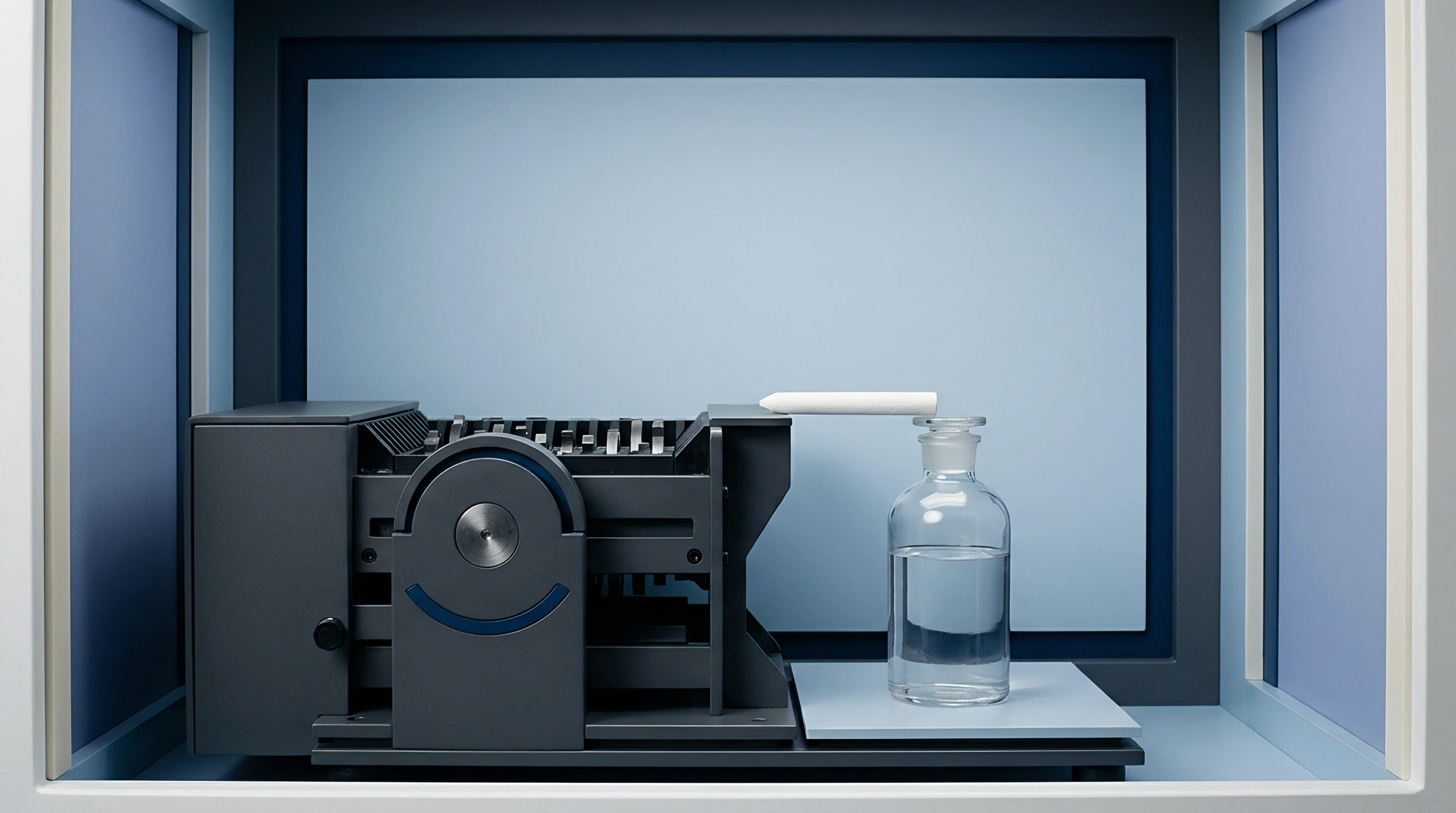
Accurate analytical recovery demands complete dissolution or aggressive swelling of the polyurethane matrix to liberate trapped polar aprotic volatiles into an extraction medium. Methanol penetrates the cellular skin. Under standard EN 17131:2019, laboratory technicians cut representative swatches across the full fabric width, weigh a precise test portion into an amber extraction vial, and add stabilized methanol.
Methanol serves as an optimal solvent because it swells cross-linked polyurethane networks without dissolving the underlying polyester backing, allowing entrapped DMFa, DMAC, and NMP to diffuse freely into the liquid phase. Ultrasonic baths generate cavitation heat. Ultrasonic agitation at sixty degrees Celsius for sixty minutes accelerates mass transfer across the swollen matrix, though uncontrolled temperature spikes during ultrasonic runs cause volatile losses if vial septa deform.
- Cut representative specimens from the middle third of the roll, avoiding the initial two meters of outer wrap and roll selvages.
- Punch multiple circular disks totaling exactly one gram of combined polyurethane membrane and bonded substrate.
- Transfer specimens into a twenty-milliliter headspace or extraction vial, recording mass to zero point one milligram.
- Dispense ten milliliters of extraction grade methanol containing internal recovery standards directly onto the test specimen.
- Crimp vials with polytetrafluoroethylene-faced silicone septa and verify mechanical seal integrity before thermal treatment.
- Immerse crimped vials in a temperature-controlled ultrasonic water bath at sixty degrees Celsius for sixty minutes.
- Cool vials to room temperature, filter the extract through a zero point four five micrometer PTFE membrane, and transfer aliquots to autosampler vials.
Alternative extraction protocols under ISO 16189 use static ultrasonic extraction or mechanical shaking, while older factory procedures rely on static headspace gas extraction. Headspace testing heats the intact fabric in a sealed vial without solvent digestion, quantifying only the volatile molecules that desorb into the vapor phase. Static headspace techniques routinely under-report total solvent burdens in dense, high-gauge polyurethane coatings by seventy to eighty-five percent compared to solvent extraction under EN 17131.
The dense polyurethane skin prevents thermal desorption of deeply entrapped solvent within the twenty-minute incubation window common to headspace autosamplers. Full solvent extraction dissolves or swells the entire coating, delivering true batch values rather than surface release rates.
| Parameter | EN 17131:2019 | ISO 16189:2021 | Static Headspace GC-MS |
|---|---|---|---|
| Extraction Medium | Methanol | Methanol | None (Carrier Gas) |
| Agitation Mode | Ultrasonic bath | Ultrasonic or mechanical shaking | Static thermal equilibrium |
| Extraction Temperature | 60 °C | 60 °C | 120 °C to 140 °C |
| Incubation Time | 60 minutes | 60 minutes | 20 to 45 minutes |
| Matrix Condition | Swollen polymer | Swollen polymer | Intact dry specimen |
| Recovery Efficiency | 92% to 98% | 88% to 95% | 15% to 30% |
Analytical discrepancies between solvent extraction methods and static headspace thermal testing remain unresolved across international commercial arbitrations where testing methodology was omitted from initial purchase orders.

Signal
Gas chromatography coupled with mass spectrometry (GC-MS) or flame ionization detection (GC-FID) converts extracted solvent mass into quantified chromatographic peaks. Nitrogen carrier gas flows steadily. In capillary gas chromatography, extracts pass through intermediate polarity stationary phases, such as polyethylene glycol or cyanopropylphenyl polysiloxane columns, to separate DMFa, DMAC, and NMP from co-extracted coating additives, plasticizers, and flame retardants.
Retention times shift with wear. Phthalate esters and volatile oligomers present in synthetic leather formulations elute across the same analytical windows as target solvents when temperature ramping profiles rise too quickly. Mass spectrometers confirm molecular weights.
Single ion monitoring modes isolate specific mass-to-charge ratios: mass seventy-three and forty-four identify DMFa, mass eighty-seven and forty-four identify DMAC, and mass ninety-nine and forty-four quantify NMP, eliminating false-positive readings caused by hydrocarbon solvents.
Commercial synthetic leather specifications must designate both the extraction solvent and the detector ionization mode to prevent supplier-laboratory variance disputes.
Calibration curves drift over time. Quantification relies on deuterated internal standards, specifically d7-dimethylformamide or d9-dimethylacetamide, introduced into the extraction methanol before ultrasonic processing. Deuterated standards mirror the chemical behavior, volatilization rates, and detector response of target analytes throughout extraction and injection steps.
An internal standard compensates for subtle injection volume variances, sample evaporation during filtration, and detector drift across long autosampler sequences. Acetone blanks verify baseline purity. When calibration curves exhibit linearity coefficients below zero point nine nine five, or when retention time windows drift beyond zero point two percent, analytical results forfeit legal defensibility during customs and brand audit challenges.
Polar solvents in polyurethane matrices demand wet digestion because heat alone fails to liberate locked molecules.
Laboratory findings depend on sample integrity between roll cutting and instrument injection.

Ceiling
Regulatory authorities and private certification bodies enforce strict concentration ceilings for residual aprotic solvents, classifying them as toxic to reproduction category 1B. Under European Union Regulation (EC) 1907/2006 (REACH) Annex XVII Entry 72, textile and coated apparel articles placed on the European market face a legal threshold of five hundred milligrams per kilogram for DMFa. DMAC and NMP face similar European scrutiny under the Candidate List for Substances of Very High Concern, requiring importer notification when concentrations exceed one thousand milligrams per kilogram.
In industrial workplaces, REACH Restriction Entry 76 enforces strict occupational airborne thresholds for DMFa, leading major footwear and garment brands to align their consumer product limits with strict voluntary chemical restrictions.
| Standard or Regulatory Framework | Scope and Product Class | DMFa Limit (mg/kg) | DMAC Limit (mg/kg) | NMP Limit (mg/kg) |
|---|---|---|---|---|
| EU REACH Annex XVII Entry 72 | Apparel and footwear textiles | 500 | N/A | N/A |
| OEKO-TEX Standard 100 | Class I (Baby products, up to 36 months) | 10 | 10 | 10 |
| OEKO-TEX Standard 100 | Class II (Direct contact with skin) | 50 | 50 | 50 |
| OEKO-TEX Standard 100 | Class IV (Furnishing and upholstery) | 500 | 500 | 500 |
| AFIRM Group RSL | Apparel, footwear, and accessories | 50 | 50 | 50 |
| ZDHC MRSL (Process limits in dope) | Raw chemical formulation usage | 500 | 500 | 500 |
Private ecolabel specifications enforce limits far below European Union statutory cutoffs. The OEKO-TEX Standard 100 sets a ten milligram per kilogram threshold for Class I baby articles and fifty milligrams per kilogram for Class II skin-contact goods, leaving minimal room for production drift. The Apparel and Footwear International RSL Management (AFIRM) Group restricted substance list fixes fifty milligrams per kilogram as the universal brand ceiling.
Water-based polyurethane dispersions and solventless reactive hot-melt polyurethanes replace traditional coagulation chemistry in compliant mills, yet conventional DMFa lines remain dominant in commodity upholstery and synthetic leather due to raw material economics.
A single passing type-approval report from a master roll does not protect an importer from batch-level detention when subsequent containers ship without lot-specific gas chromatography testing.
Purchasing agreements that incorporate chemical testing must mandate verifiable documentation chains that prove lot identity across all shipped rolls.
- Scope verification confirms that the test certificate explicitly names the exact commercial article code, membrane thickness, and backing substrate listed on the commercial invoice.
- Method alignment validates that the issuing laboratory performed EN 17131:2019 or ISO 16189:2021 solvent extraction rather than static headspace screening.
- Batch traceability matches the mill production lot numbers on swatch test reports directly to shipping container manifest numbers.
- Accreditation checks confirm the independent testing facility holds active ISO/IEC 17025 accreditation for GC-MS solvent determination in coated textiles.
Purchase contracts specifying that every commercial shipment must satisfy AFIRM limits under EN 17131 via lot-conforming ISO 17025 test certificates shift financial liability for customs rejections and product returns directly to the fabric supplier.