
Residual Solvent Measurement inside Coated Polyurethane Fabrics
Polyurethane fabric compliance demands EN 17131 solvent extraction GC-MS verification rather than headspace screening to capture entrapped aprotic solvents.
Polyurethane fabric compliance demands EN 17131 solvent extraction GC-MS verification rather than headspace screening to capture entrapped aprotic solvents.
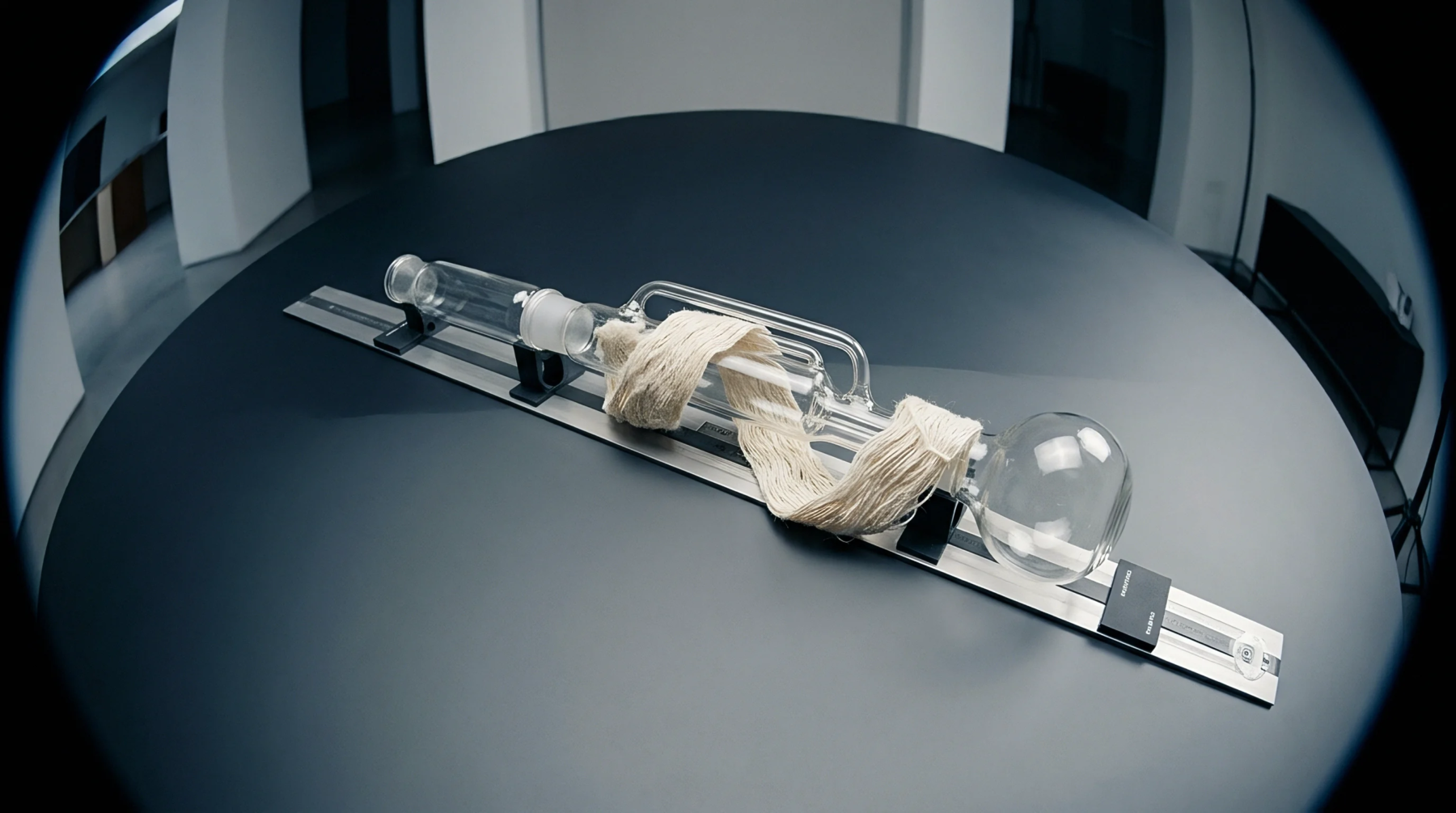
Thermal decomposition of polyurethane during headspace GC-MS generates false positive signals for regulated solvents including dimethylformamide.
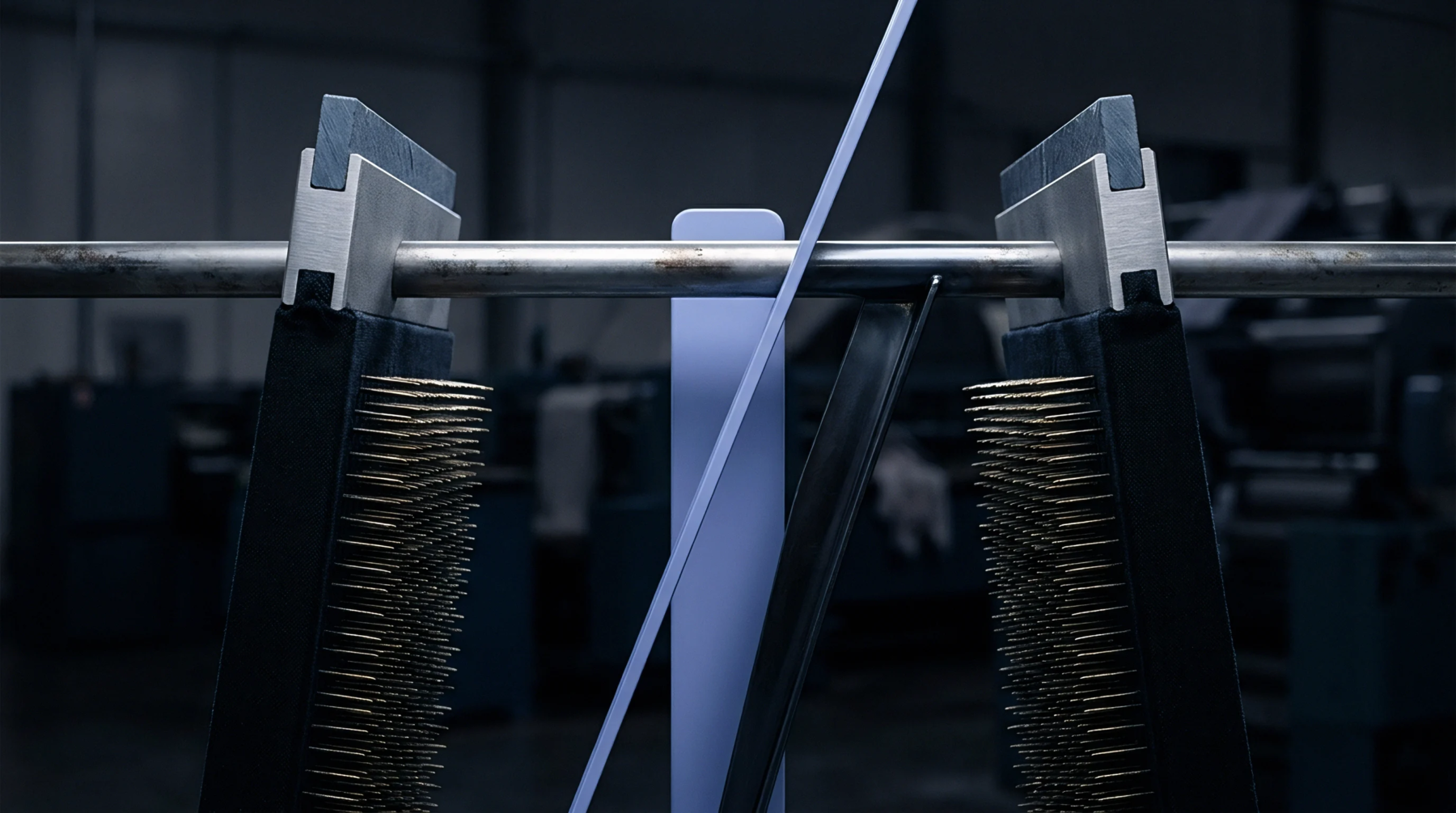
Gas chromatography mass spectrometry quantitation of residual solvents in polyurethane fabrics demands liquid extraction to prevent border detentions.

Hierarchical Dirichlet Process mixture models isolate latent dyehouse solvent spikes from baseline emissions, preventing customs detentions caused by hidden tail-risk off-gassing.
Polyurethane matrix desorption kinetics require late-zone temperatures above polymer glass transition points to clear bound polar aprotic solvents below legal REACH limits.
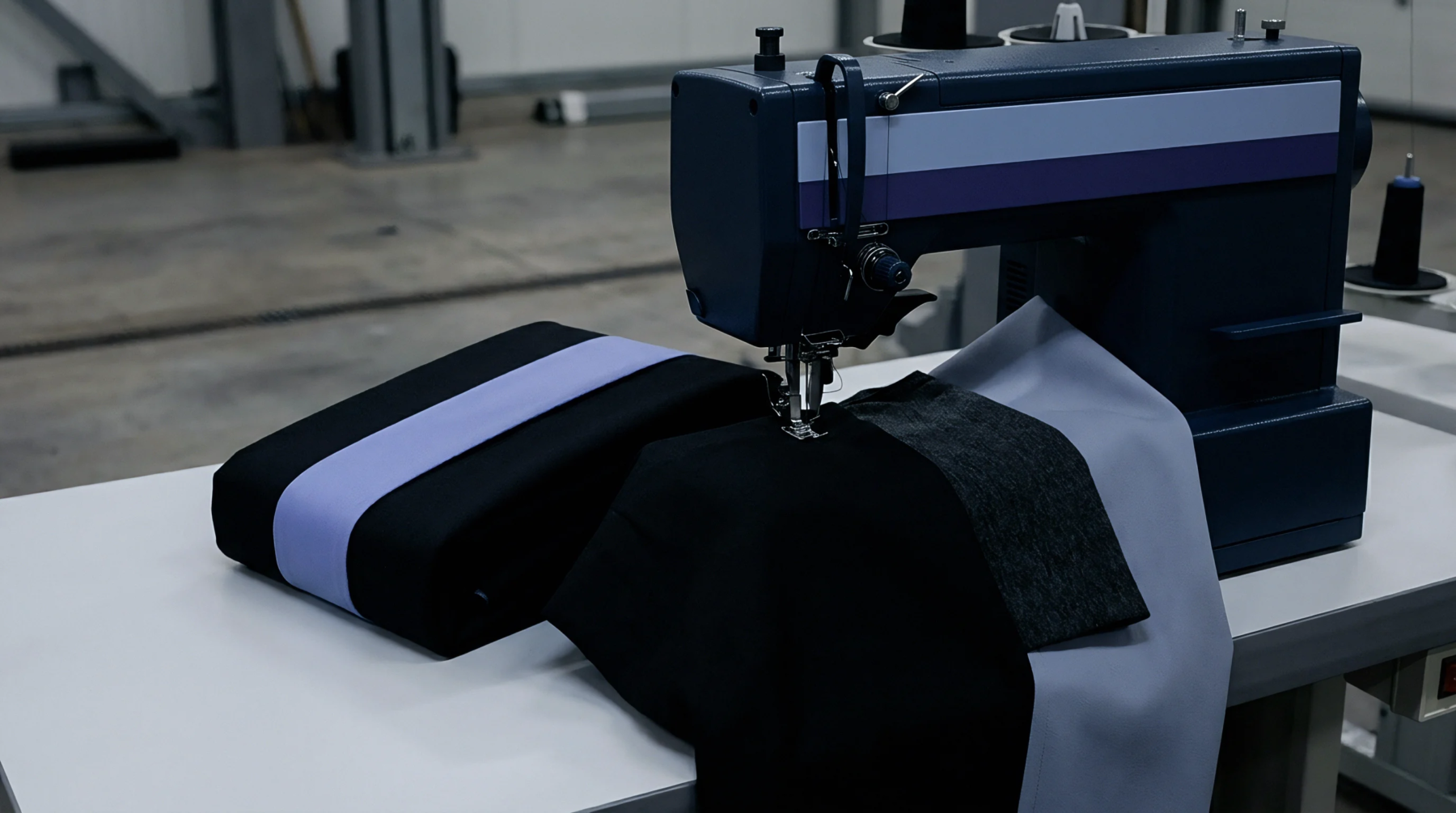
Optimize GC-MS solvent testing using methanol swelling and deuterated internal standards to verify sub-ppm polar amide compliance before shipment clearance.
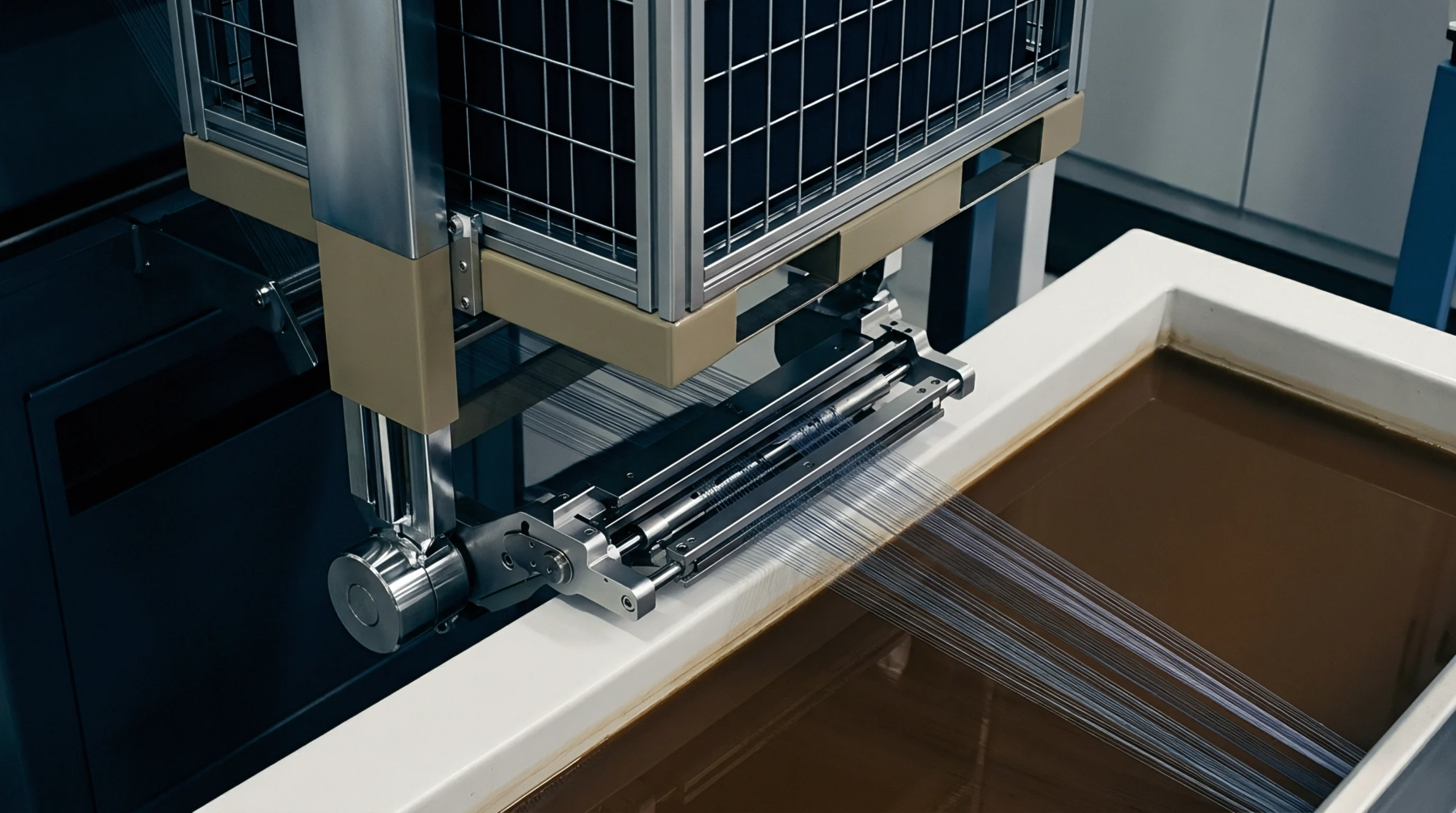
Polyurethane residual solvent quantitation requires ultrasonic liquid extraction with methanol and GC-MS SIM analysis to verify REACH and OEKO-TEX batch limits.
Hierarchical Dirichlet Process models cluster dyehouse outgassing variance to isolate volatile chemical non-compliance before shipment release.
Expertise is a utility, not a secret. sentiention™ publishes its working knowledge as open reference: intelligence layer covering the materials it sources, the markets it enters, and the reference that serves both.