Concentration Ceiling
Maximum allowable concentration thresholds define the upper permissible limits of organic solvent traces remaining in finished fabrics or coated textiles after processing. Restricted substance specifications establish residual solvent limits to prevent toxic manufacturing chemicals, including dimethylformamide or toluene, from lingering in consumer goods. Regulatory limits protect consumers against skin irritation and systemic toxicity.
Chemical Extraction
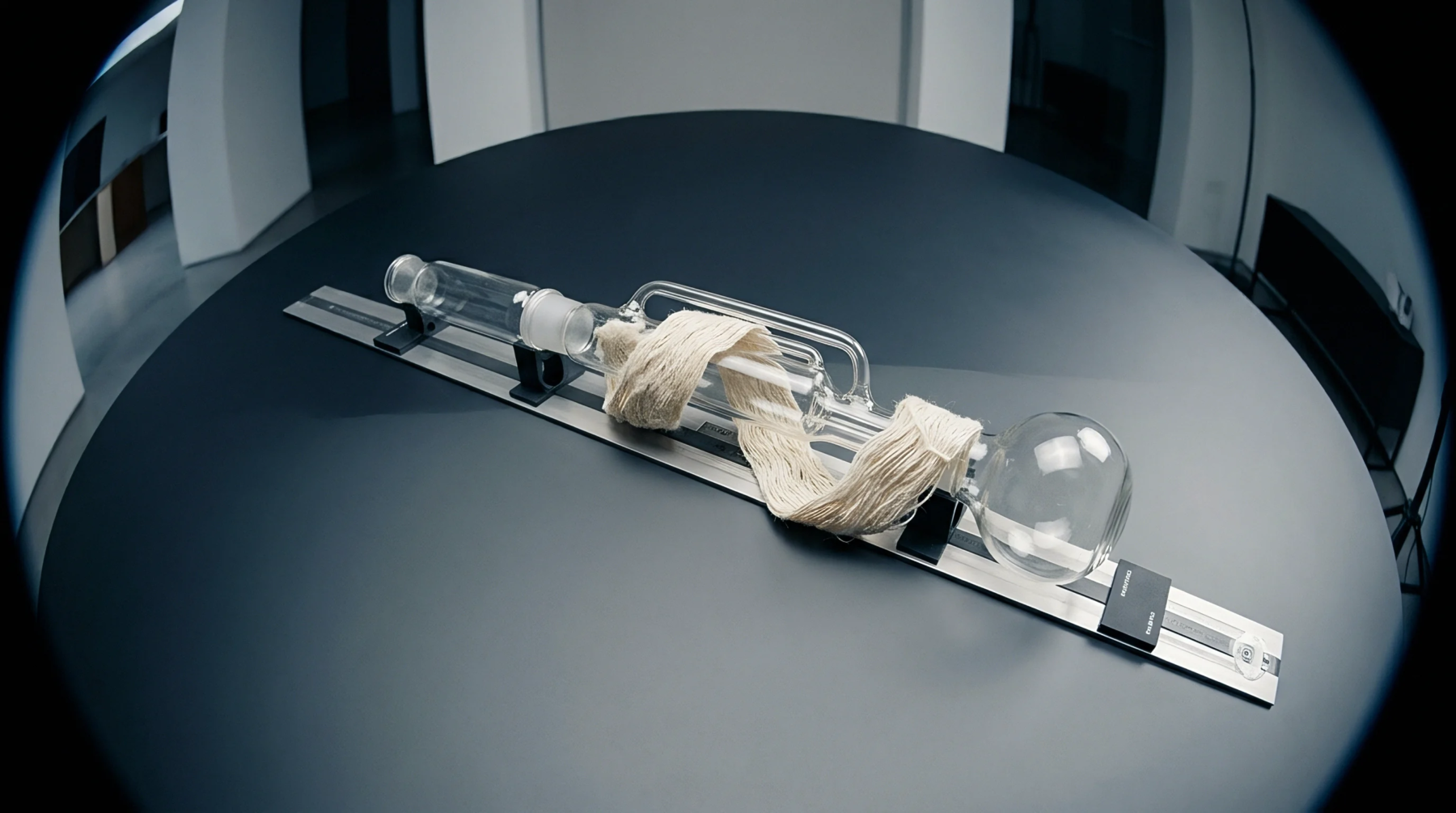
Laboratory testing quantifies solvent residues using head-space gas chromatography or liquid extraction followed by mass spectrometry analysis. Specimens cut from finished garments undergo heating in sealed vials to drive volatile solvent molecules into the vapor space for sampling. Brand specifications set strict concentration ceilings, typically restricting individual solvent levels to between fifty and five hundred milligrams per kilogram depending on product category and skin contact duration.
Exceeding threshold limits prevents product distribution in regulated markets.
Process Optimization
Post-coating wash cycles and extended stenter drying eliminate retained volatile liquids from thick synthetic layers. Drying temperatures and airflow velocities inside stenter frames are optimized to drive solvent evaporation past critical mass transfer thresholds. Automated line monitoring ensures continuous VOC extraction during curing.
Standard Limit
Residual solvent ceilings apply specifically to volatile and semi-volatile organic processing chemicals present in dry finished goods. Unprocessed raw fibers and non-chemical physical defects operate under distinct quality management standards.