Thermal Control
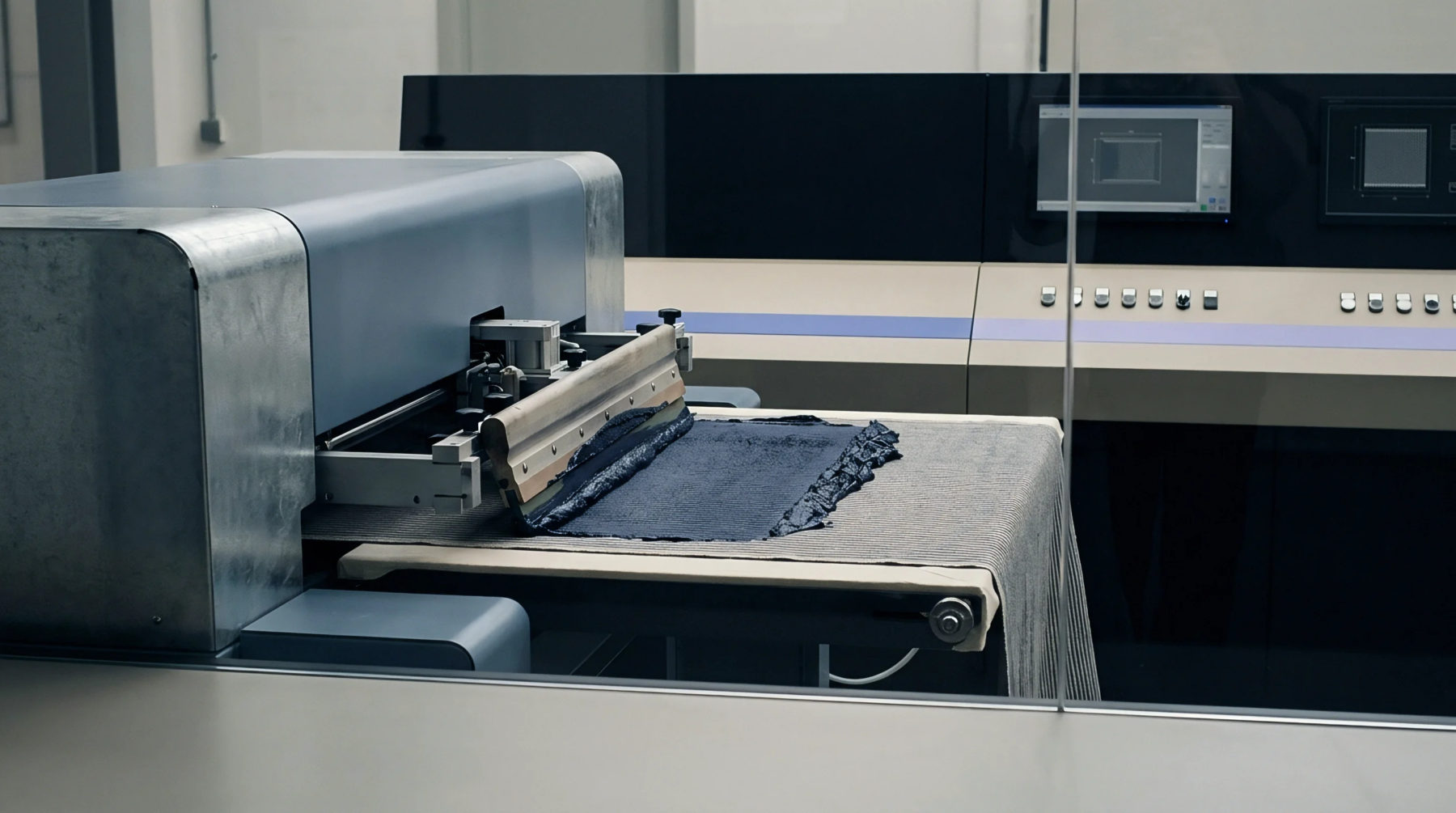
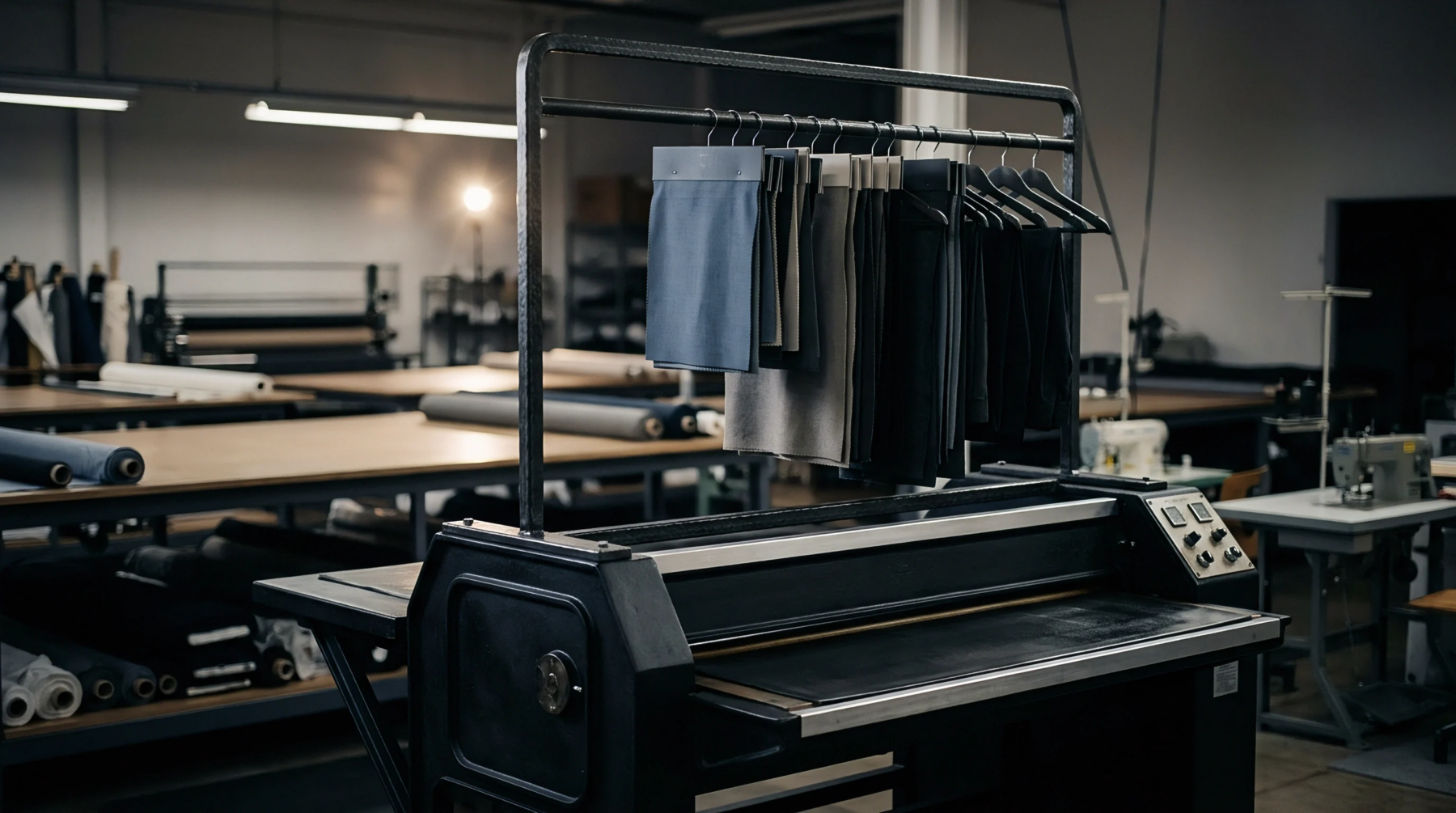
Applied during the final stages of textile production, stenter drying removes moisture from continuous fabric webs while simultaneously establishing dimensional stability across width and length. This mechanical thermal treatment operates within the finishing department of a mill, applying regulated longitudinal tension and crosswise stretching to wet goods as they pass through heated chambers. Commercial verification occurs at the inspection gate where roll dimensions and skew angles must match buyer specifications before cutting commences.
Bounded strictly by the finishing room threshold, the process begins immediately after wet processing and ends when the dry material is batched onto rolls.
Mechanical Tensioning
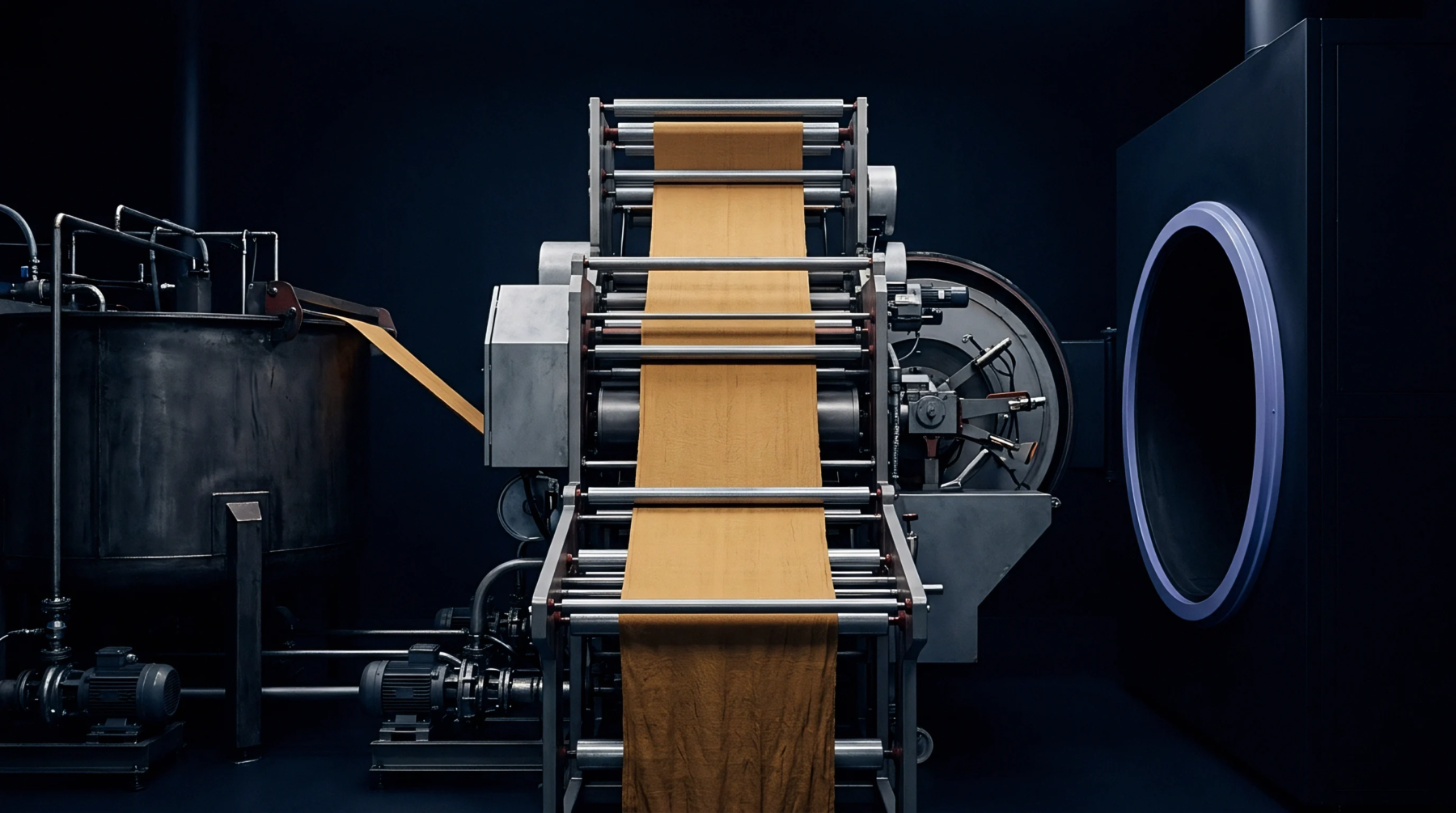
Operating pins or clips grip the selvedges of the damp cloth securely as the web enters the heating zone, preventing the natural shrinkage that occurs during moisture evaporation. High velocity air nozzles direct heated streams perpendicularly onto both sides of the moving textile, driving rapid vapor removal through forced convection. Heavy drive chains propel the edge holding devices along diverging tracks, gradually widening the material to correct previous distortions introduced during dyeing or washing stages.
Speed differentials between the entry feed rollers and the delivery mechanism allow operators to induce controlled lengthwise compaction, determining the final residual shrinkage values of the fabric.
Dimensional Stability
Fabric properties depend directly on the thermal setting parameters executed during this operation, differing fundamentally from inherent raw fibre characteristics tested in the spinning laboratory. Synthetic materials such as polyester undergo heat relaxation under tension, locking molecular arrangements into permanent configurations that resist subsequent distortion during garment laundering. Natural fibres require moisture management rather than thermal setting, demanding careful temperature limits to prevent fiber yellowing or strength degradation inside the drying chambers.
Commercial audits verify these outcomes through standardized washing tests performed on sampled cuttings, ensuring bulk production meets the dimensional tolerances specified in the purchase contract.
Energy Regulation
Thermal efficiency determines the operating economics of the finishing line, consuming substantial thermal and electrical power to evaporate residual water loads. Exhaust moisture sensors monitor the humidity level inside each heating zone, modulating fresh air intake dampers to maintain optimal vapor saturation without wasting heat. Burner modulation systems adjust gas consumption dynamically according to the mass flow rate and moisture content of the incoming wet web.
Heat exchangers capture waste thermal energy from the exhaust stacks to preheat incoming combustion air, reducing total fuel consumption across continuous daily runs.