
Mass Balance Verification Mechanics in Cross-Border Organic Cotton Consignments
Mass balance verification in cross-border organic cotton requires reconciling raw lint transaction certificates, spinning waste loss, and customs origin proofs.
Mass balance verification in cross-border organic cotton requires reconciling raw lint transaction certificates, spinning waste loss, and customs origin proofs.

Rejections stemming from expired mill scopes require immediate date-matching, batch segregation, and rapid engagement with certifiers under grace-period policies.

A test report guarantees compliance only when the laboratory accreditation schedule lists the specific test method, analyte family, and exact substrate matrix.
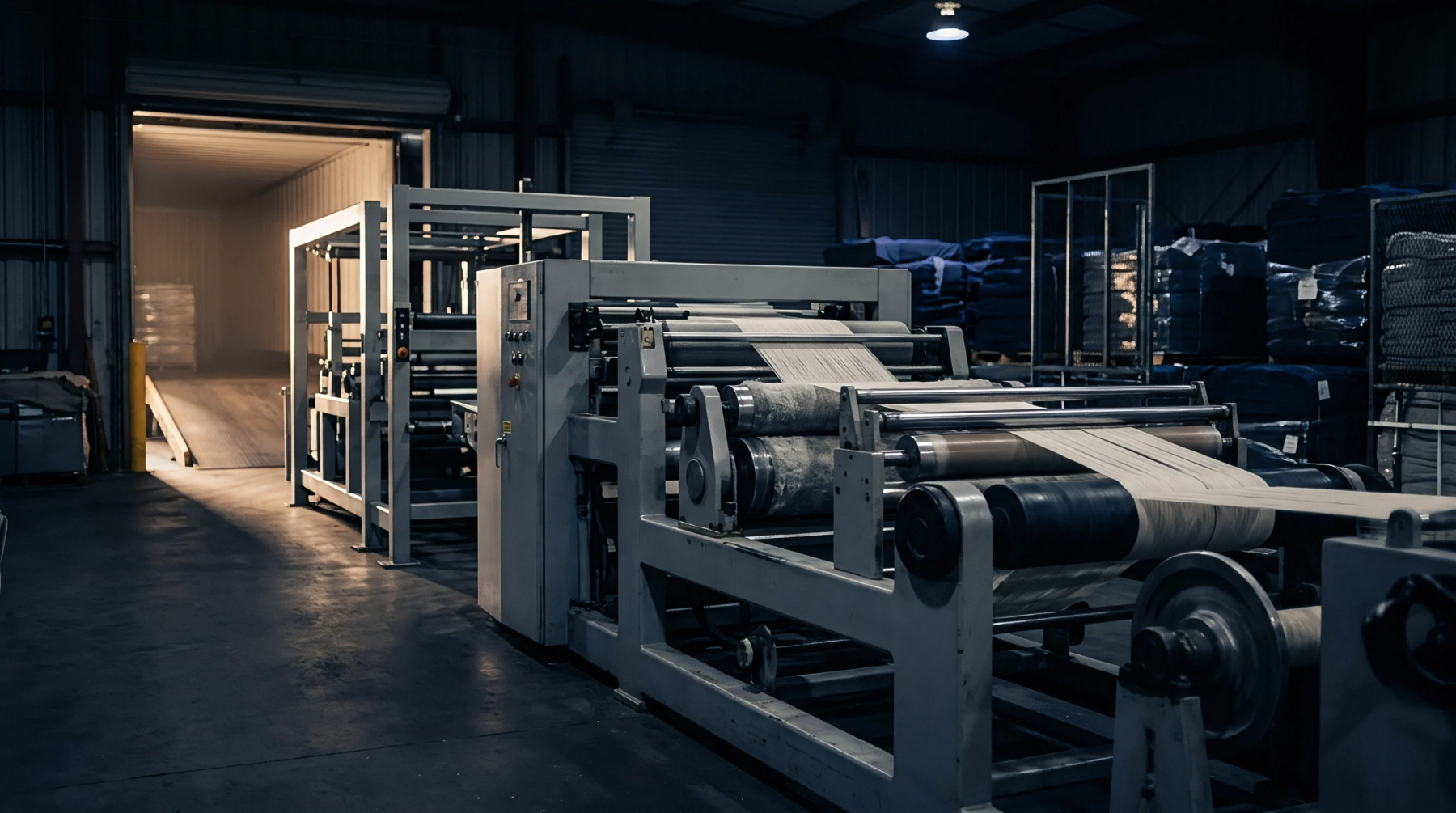
Enforcing PFAS bans at subcontracted wet processors requires tracking organofluorine partitioning in wastewater filter cake using total fluorine testing.

Maintain uninterrupted textile compliance by requiring scope certificate validity sixty days past vessel arrival and tying payment release to valid transaction certificates.

Depolymerized monomer mass balance audits verify physical yields and loss factors because laboratory testing cannot distinguish recycled from virgin monomers.

Fabric swatch dispute resolution requires unbroken physical custody logs, transaction certificates matched to roll tags, and ISO 17025 split-sample testing.

Verify textile chemical volatility limits through lot-specific micro-chamber GC-MS testing and sealed foil sampling to prevent border detention losses.

Dirichlet Process Mixture Modeling deconvolutes co-eluting VOC emissions in coated fabrics, turning uncertain point-tests into actionable probabilistic batch risk assessments.

Depolymerized nylon mass balance ledgers require precise physical yield loss deductions before allocating recycled caprolactam inventory credits across batches.

Verifying synthetic filament claims requires aligning scope certificate product codes against physical batch mass yields and yarn transaction certificates.

Validating post-consumer recycled content requires combining isotopic lab assays, mass balance transaction certificates, and mandatory batch retest clauses.
Expertise is a utility, not a secret. sentiention™ publishes its working knowledge as open reference: intelligence layer covering the materials it sources, the markets it enters, and the reference that serves both.