Chemical Purge
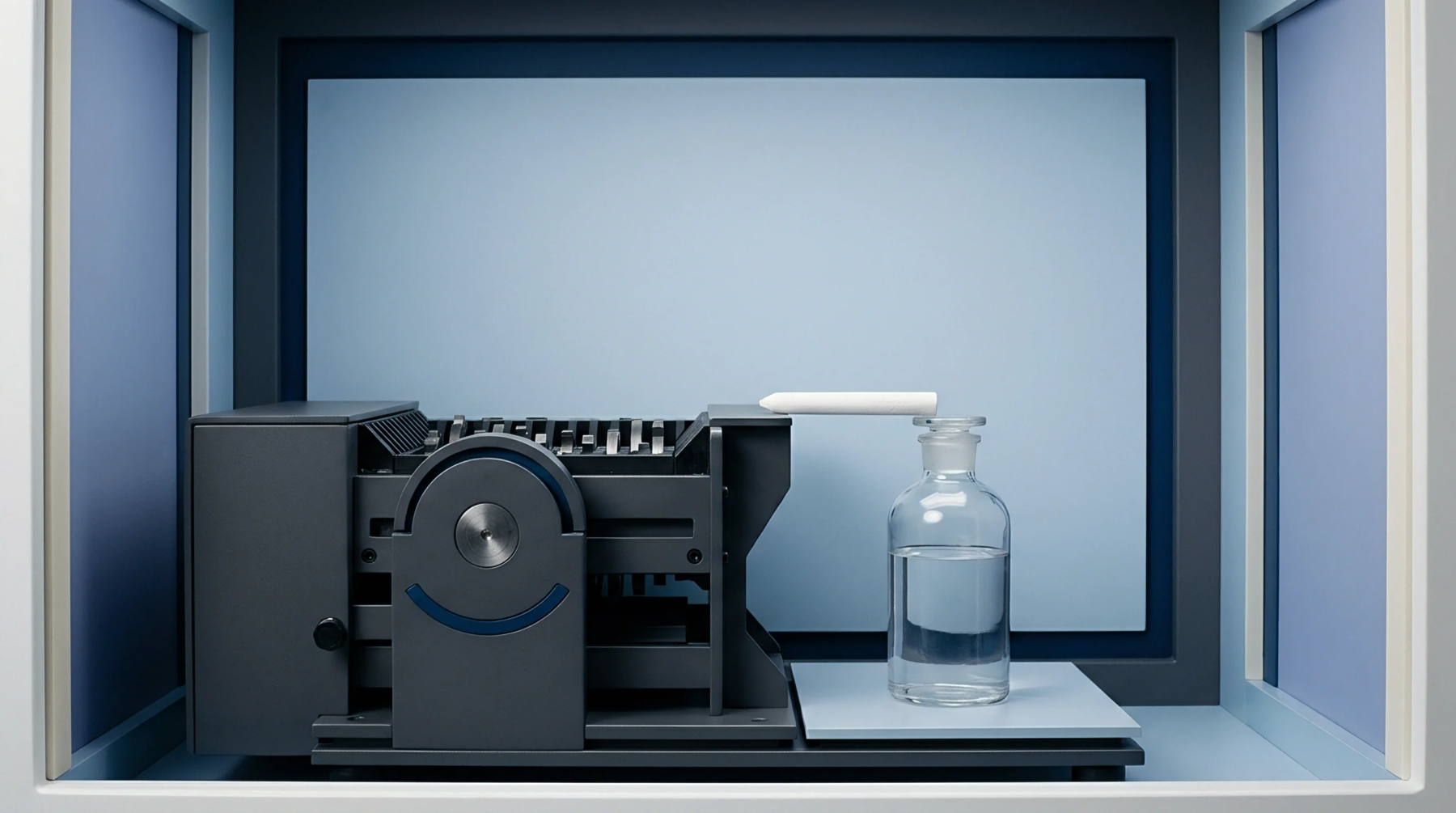
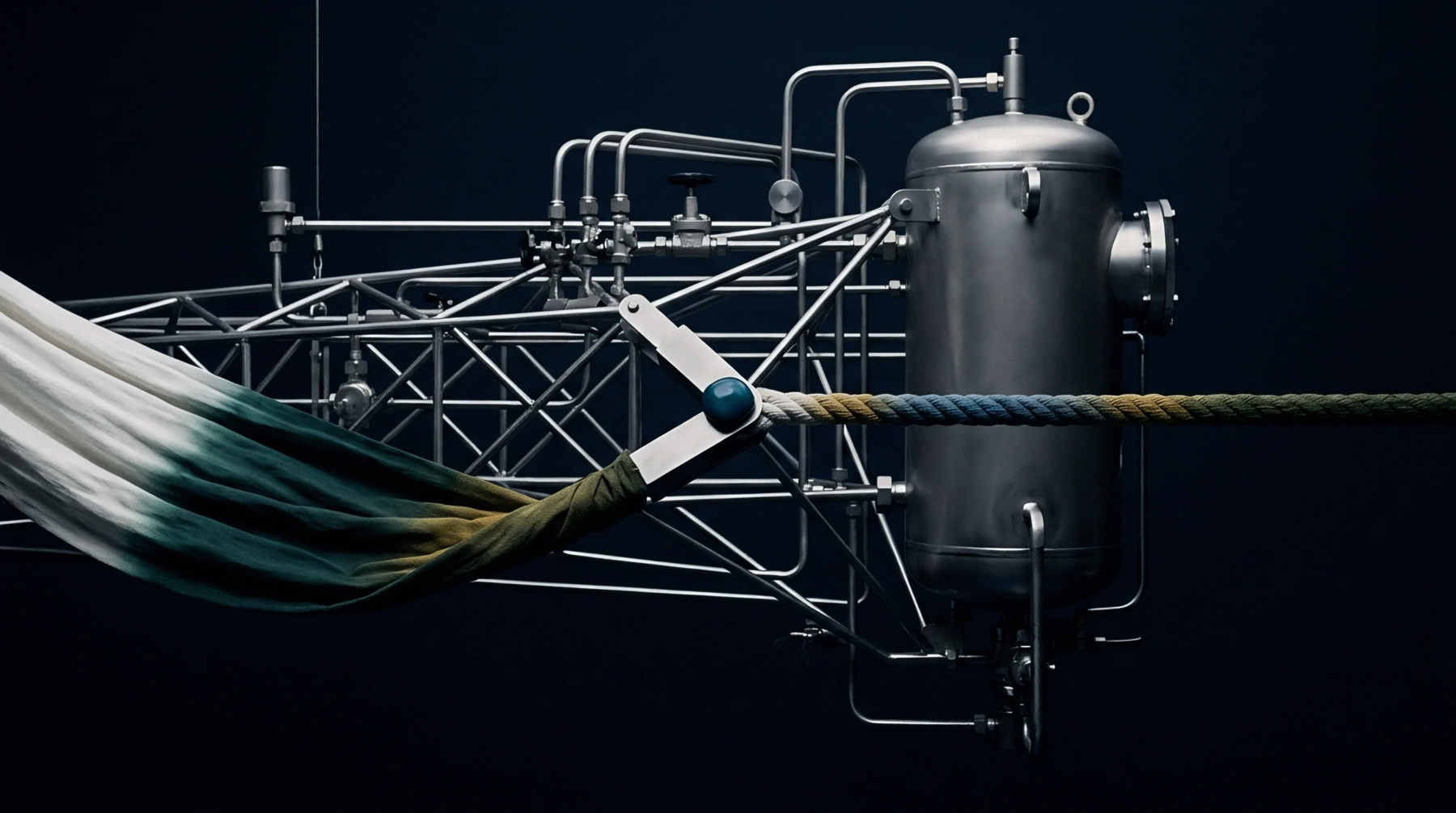
Aqueous-organic partitioning remains the primary unit operation for removing hydrophobic impurities from textile fibres by dissolving target contaminants into a selective liquid phase. Solvent extraction achieves this separation through high affinity between a specific chemical reagent and the target soil or wax while maintaining the solid integrity of the cellulose or synthetic substrate. Textile mills employ this method when conventional aqueous scouring fails to remove high-density finishes or silicone-based lubricants.
Processing efficiency rests on the solubility parameter difference between the bath and the substance targeted for removal. Contaminants migrate from the solid matrix into the liquid phase until the system reaches equilibrium at a fixed temperature. Recirculation of the cleaning fluid prevents saturation of the bath and maintains a high gradient for mass transfer throughout the cycle.
The physical boundary of the operation occurs when the vapour pressure of the chosen chemical interferes with the structural stability of the fibre surface or causes excessive swelling in synthetic polymers.
Partition Kinetics
Migration of target species follows the distribution coefficient which governs the concentration ratio of the solute in the two immiscible phases. Solvent extraction relies on internal diffusion where the agent penetrates the porous structure of the fibre to reach deeply embedded oils or synthetic waxes. The rate of this diffusion depends on the molecular volume of the cleaning agent and the temperature of the contact zone.
Higher temperatures increase the diffusivity but require pressure vessels to keep the volatile fluids in a liquid state. Large molecular chains in spin finishes demand longer contact durations to ensure complete removal from the interior of the filament bundles. Proper machine configuration ensures the ratio of liquid volume to fibre mass remains constant during the transition of contaminants from the textile surface into the bulk solution.
Operational Verification
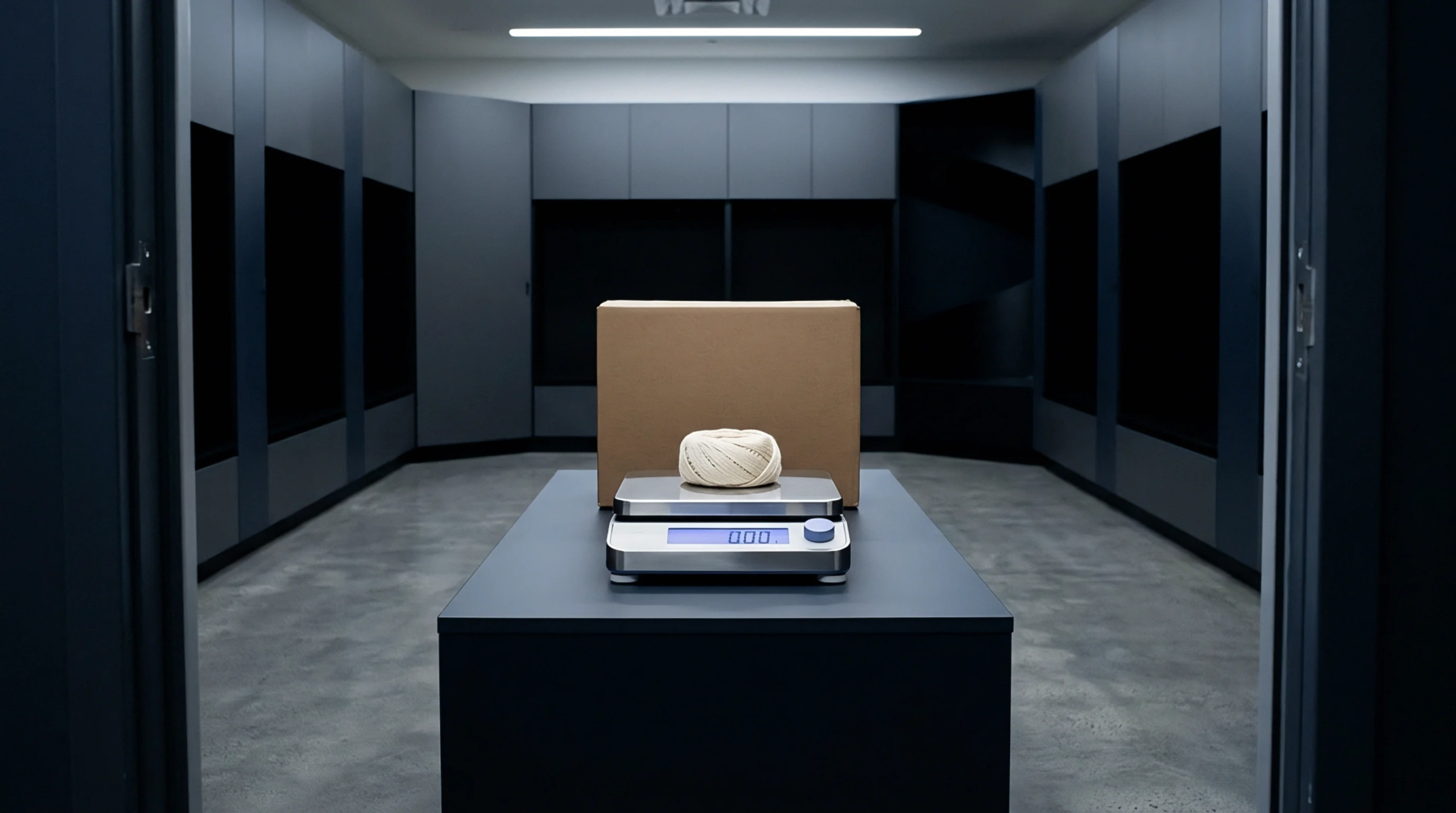
Technical quality teams measure the effectiveness of this separation by weighing the residual extractables after the fabric dries under standard conditions. Verification requires a comparison between the mass of the material before exposure and the mass recorded after the cleaning cycle ends. Laboratories quantify the remaining surface tension using drop penetration tests on the treated surface to ensure full removal of hydrophobic barriers.
Residual levels below a specified threshold confirm the suitability of the fabric for subsequent dyeing or finishing stages. An incomplete process leaves irregular patches that appear as streaks during later wet processing steps.
Systemic Limitation
Industrial deployment of this method creates specific constraints regarding the recovery of the cleaning liquid and the management of hazardous waste. Closed-loop systems mitigate environmental risks by condensing and reusing the medium, though small losses remain unavoidable during the transfer of wet textiles. Economic viability hinges on the cost of the chemical versus the performance improvement of the textile product.
Solvents that degrade during cycles lose their selectivity and increase the presence of byproduct deposits on the fibre surface. Reliable performance in this domain stems from strict control of bath purity and contact duration.