Polymer Adhesion
A thermosetting layer applied to textile substrates creates a protective barrier against external environmental factors. Polyurethane coating modifies surface characteristics to enhance resistance to abrasion and chemical degradation while maintaining flexibility. This film sits atop fibre networks to block moisture penetration without compromising the hand feel of the garment.
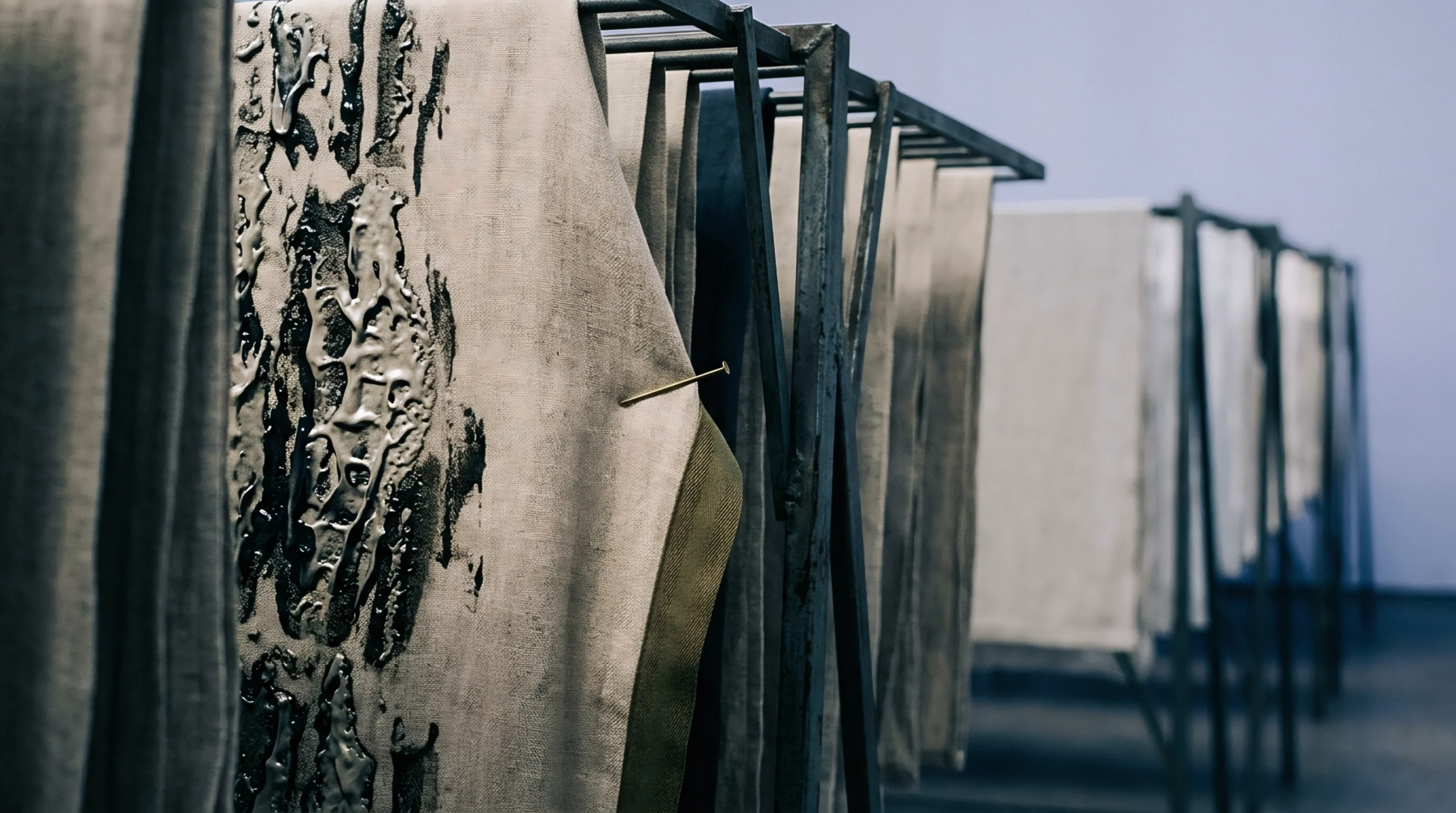
Production involves the deposition of liquid resins onto base materials followed by thermal curing in a dedicated finishing oven. The boundary of this layer stops where the structural integrity of the base yarn begins. It acts as a bridge between the soft fibre components and the harsh exterior environment, ensuring that the textile maintains durability through repeated washing cycles or physical wear.
Abrasion Resistance
Testing protocols for this modification focus on the durability of the film under friction. Manufacturers verify the effectiveness of polyurethane coating by subjecting the finished fabric to a controlled rub cycle until the surface shows visual degradation. Standardised Martindale testers provide the data for these evaluations.
A high rub count indicates that the chemical application successfully adheres to the fibre surface and resists delamination. If the layer peels away under minimal mechanical stress, the chemical formulation lacks the necessary crosslinking density. Factories calibrate these machines to replicate standard garment usage patterns.
The interaction between the synthetic resin and the underlying fibre dictates the eventual lifespan of the finished product. Proper application reduces the rate at which garments lose their aesthetic appeal and functional performance characteristics during normal daily activities.
Surface Permeability
Maintaining the balance between liquid exclusion and air transmission remains a technical challenge for processors. Polyurethane coating manages this through the creation of a porous microstructure that inhibits water droplets but allows vapour molecules to escape. Vapour pressure differences drive the movement of humidity from the skin side to the atmosphere.
Lab technicians confirm these transfer rates by measuring the grams of moisture moving through a specific area over one hour. Excessive thickness increases the resistance to air flow and creates discomfort for the wearer. A thinner application provides breathability but reduces the efficacy of the water barrier.
Quality control labs conduct these measurements after the curing stage to confirm that the resin distribution maintains the required uniformity across the entire fabric width.
Solvent Compatibility
Chemical interactions during the application process determine the long term stability of the film. Polyurethane coating requires precise solvent evaporation rates to ensure that no residues remain trapped between the resin and the base fabric. Remaining liquids cause blistering or yellowing when the material experiences heat.
Technicians monitor the oven temperature and conveyor speed to achieve the ideal drying curve for the chosen resin chemistry. Accurate control of these parameters prevents the premature breakdown of the polymer matrix under exposure to ultraviolet light or standard cleaning detergents. Consistent thermal treatment ensures the material retains its intended elasticity and water shedding properties throughout the life of the garment.
The final film effectively anchors itself to the fabric surface to withstand external stress.