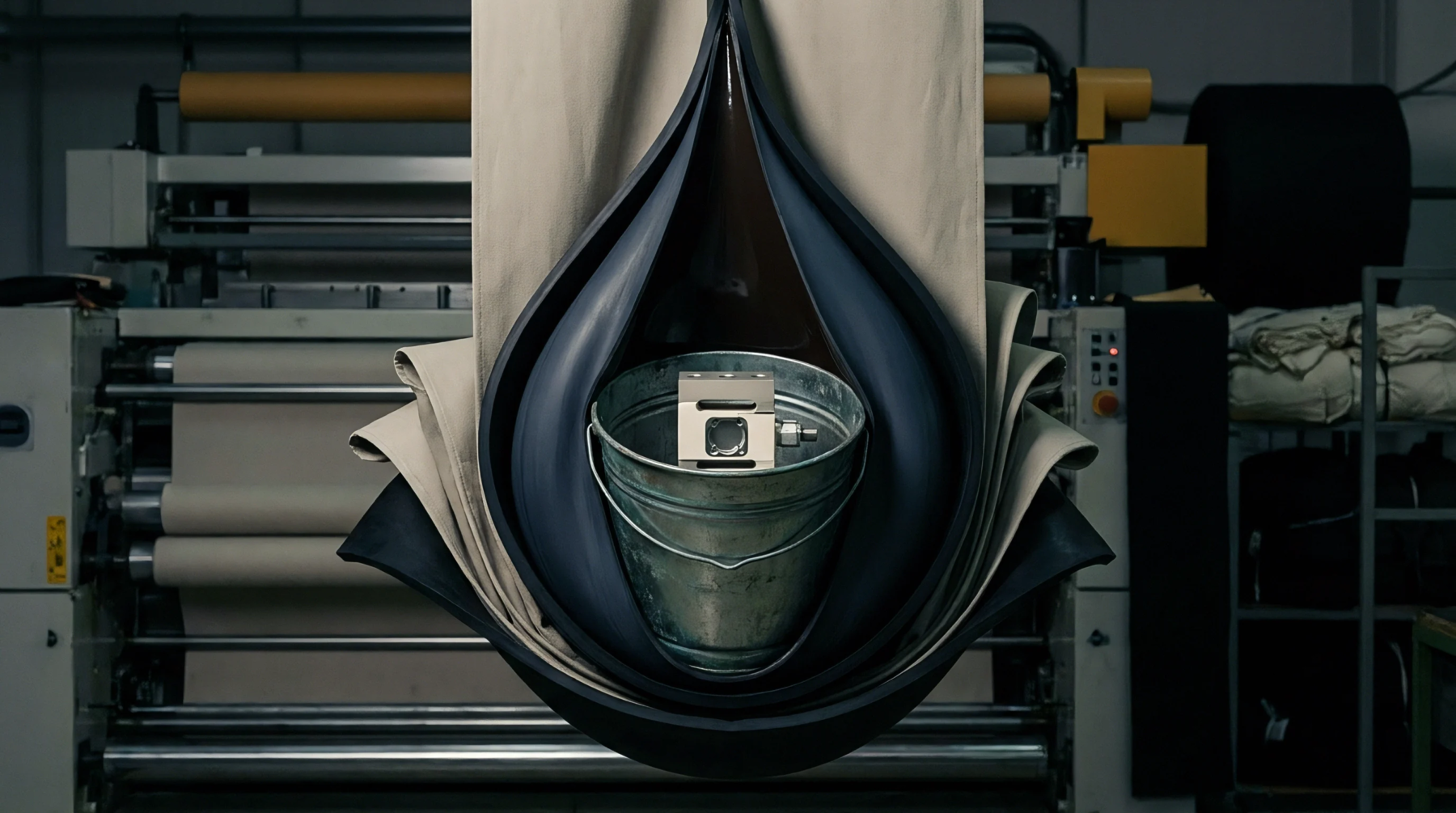
Fabric Resistance
Water column testing determines hydrostatic head by measuring millimetres of height for standing liquid supported against coated or laminated membrane barriers before moisture penetrates the underside. Technical outerwear purchasing specifications demand this measurement on finished yardage during mill quality audits to verify membrane integrity after scouring and heat setting operations. Outdoor apparel buyers set baseline thresholds at ten thousand millimetres for standard rainwear and twenty thousand for extreme alpine shells.
Pressure Limit
Hydraulic fluid accumulation creates downward force against woven polyester substrates during continuous rain exposure in marine environments. Fabric construction density and polyurethane film thickness govern the breaking point where capillary action overcomes hydrophobic surface treatments. Independent testing laboratories mount circular fabric swatches into pressurized chambers and increase water height until three distinct droplets appear on the unexposed face.
Manufacturing tolerances allow a five percent variance across bolt widths during volume production runs.
Seam Failure
Stitching holes compromise waterproof performance because needle punctures break continuous membrane barriers unless factory applied tape seals every seam intersection. Production supervisors monitor hot air wedge temperatures during tape application to prevent adhesive degradation while bonding thermoplastic films over thread lines. Liquid penetration occurs preferentially through needle tracks rather than through solid yarn matrices under equivalent pressure loads.
Barrier Decay
Ultraviolet radiation exposure and repeated laundering degrade durable water repellent surface finishes over extended wear cycles. Chemical crosslinking agents in laundering detergents strip fluoropolymer treatments from outer face fabrics and expose underlying polyurethane layers to abrasive wear. Subsequent laboratory retesting confirms lower column heights after accelerated weathering protocols simulate seasonal degradation.