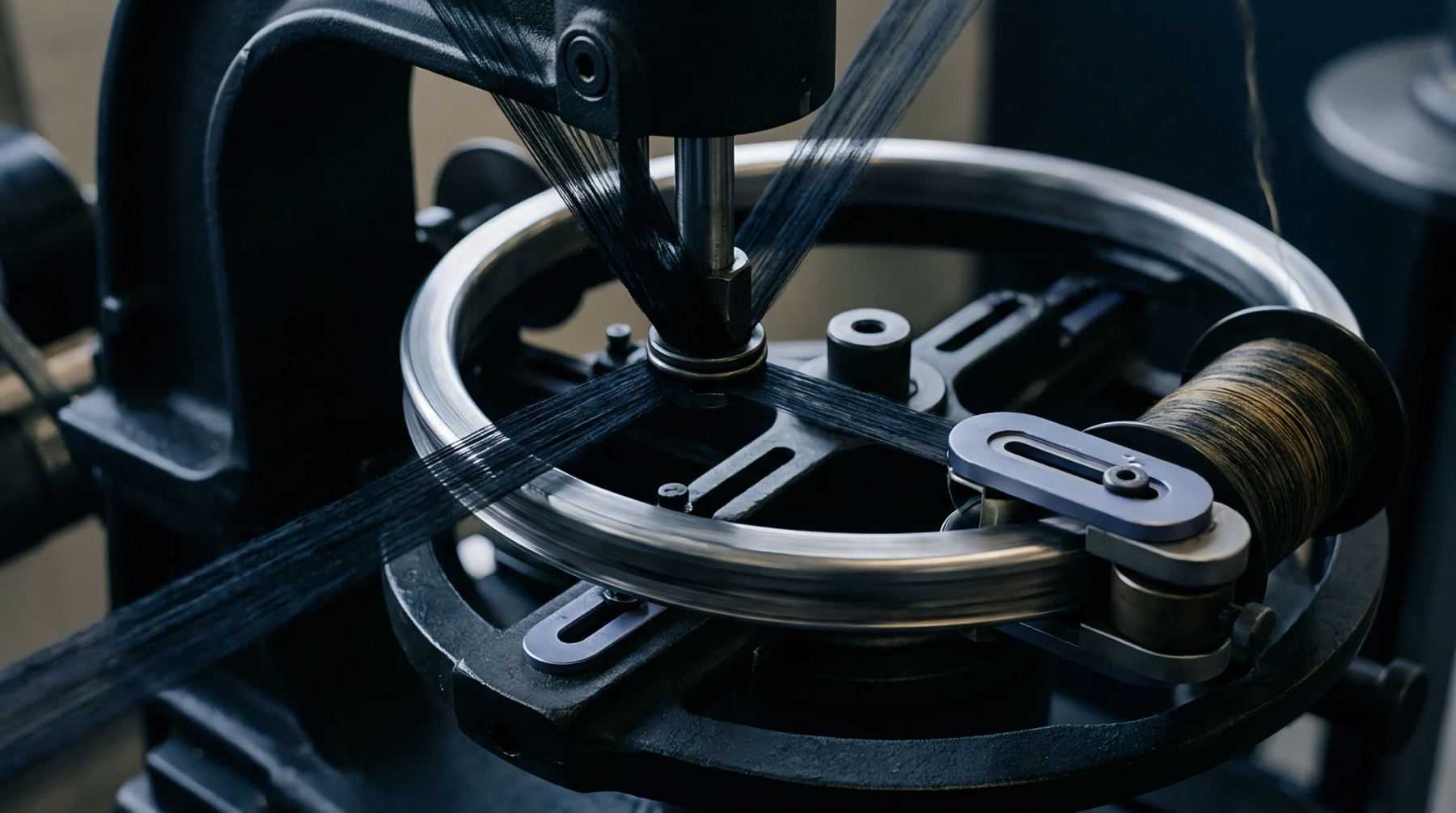
Calculating Commercial Moisture Regain in Cotton Synthetic Yarns
Commercial moisture regain converts oven-dry yarn weight into invoiced mass using standardized moisture percentages and finish allowances under ISO 6741.
Commercial moisture regain converts oven-dry yarn weight into invoiced mass using standardized moisture percentages and finish allowances under ISO 6741.

Desorption hysteresis inflates combed cotton arrival weight by over one percent, requiring ISO 6741 commercial mass terms to prevent customs value adjustments.

Invoice corrections reconcile ocean-shipped combed cotton scale mass to official 8.5 percent regain, preventing overpayment for absorbed water.

Commercial mass in ocean freight combed cotton reconciles scale mass to anhydrous dry weight plus official 8.5 percent regain to prevent paying for water.

Resolve coarse hair micron discrepancies by testing referee core samples via IWTO-12 or IWTO-8 rather than airflow, eliminating medullary porosity biases.
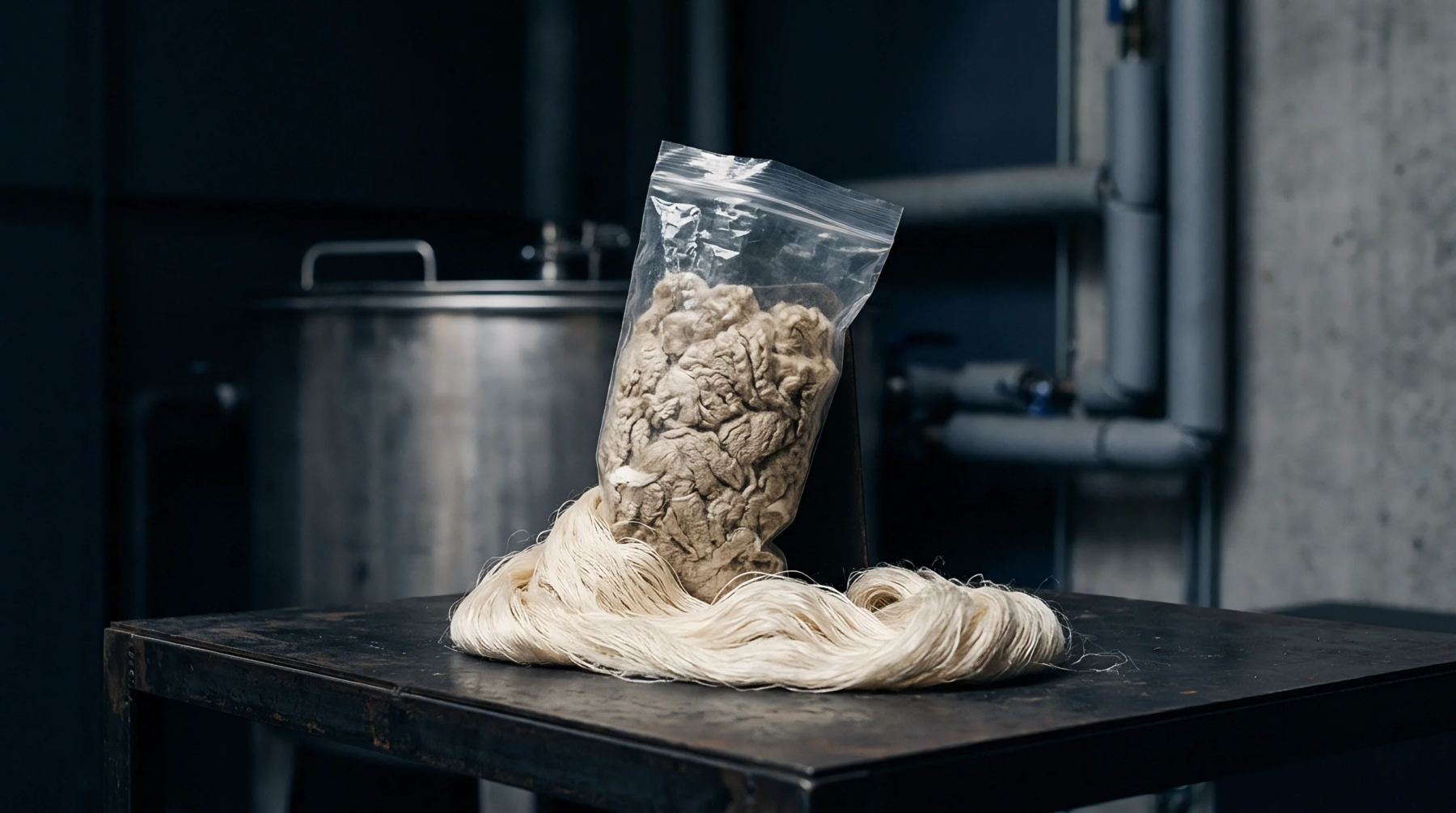
Calibrate OFDA optical thresholds and medullated density adjustments under IWTO-47 to accurately deconvolve bimodal cashmere histograms and verify coarse hair mass.

Tube core sampling and laboratory card dehairing determine clean down yield, adjusting raw lot costs against moisture regain and industrial carding losses.

Reconciling cashmere DNA barcoding with electron microscopy requires binding contracts that use microscopy for mass ratios and genomics for trace screening.
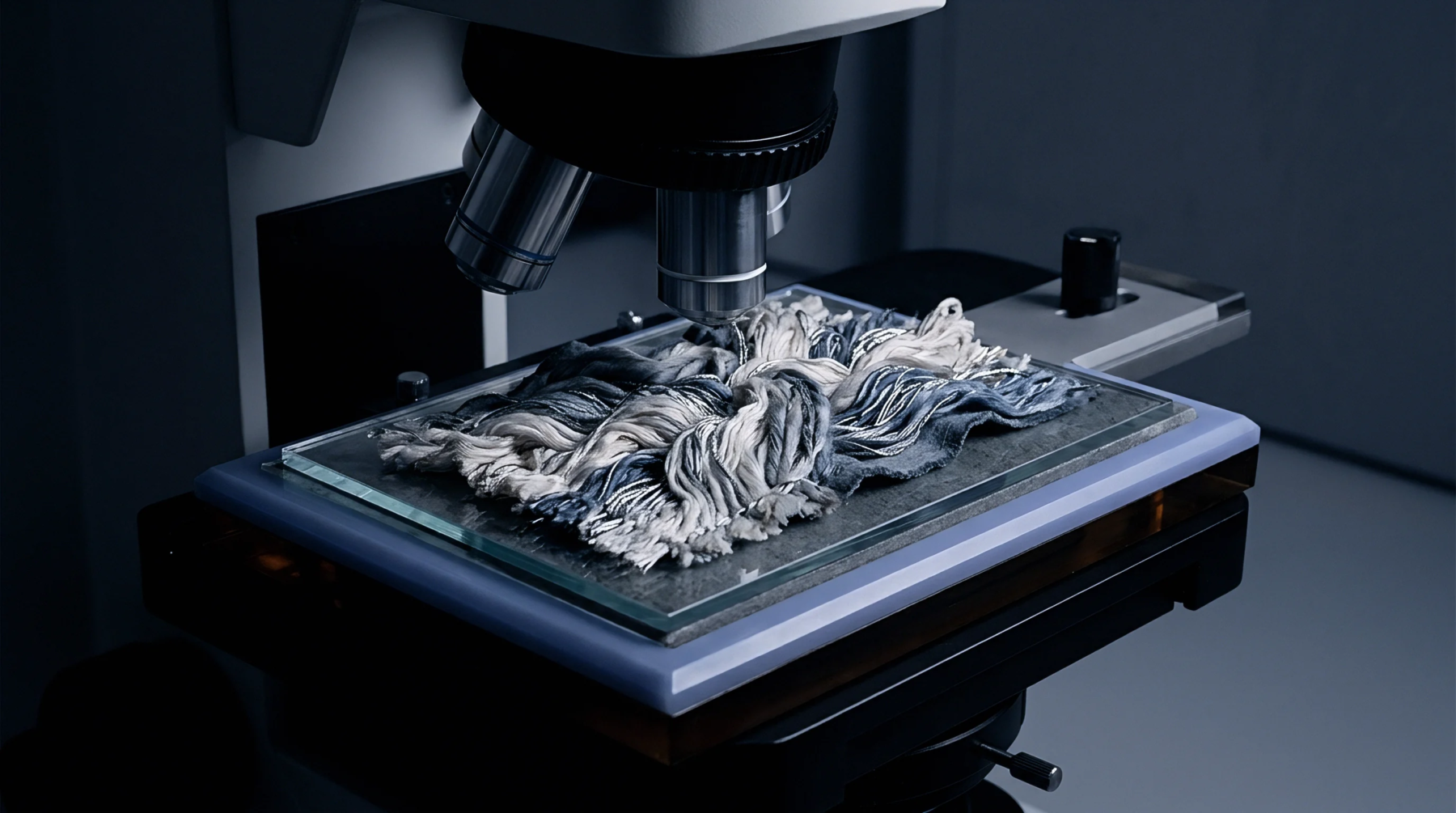
ISO 17751 interlaboratory reproducibility hinges on SEM validation over optical microscopy to prevent diameter skews and descaled wool from distorting blend ratios.

Raw cashmere verification requires coupling OFDA diameter distribution limits with MALDI-TOF mass spectrometry to prevent low-micron wool substitution.

Audit chemical polycondensation mass balance by deducting reaction water losses, tracking volatile oligomers, and enforcing proportional loss allocations.

Customs verification of chemical mass balance recycled polymers requires site-level conversion ledgers and registry certificates instead of lab testing.

Physical verification of mechanically recycled polyester filament relies on quantifying isophthalic acid, diethylene glycol, and sub-micron polyolefin debris.
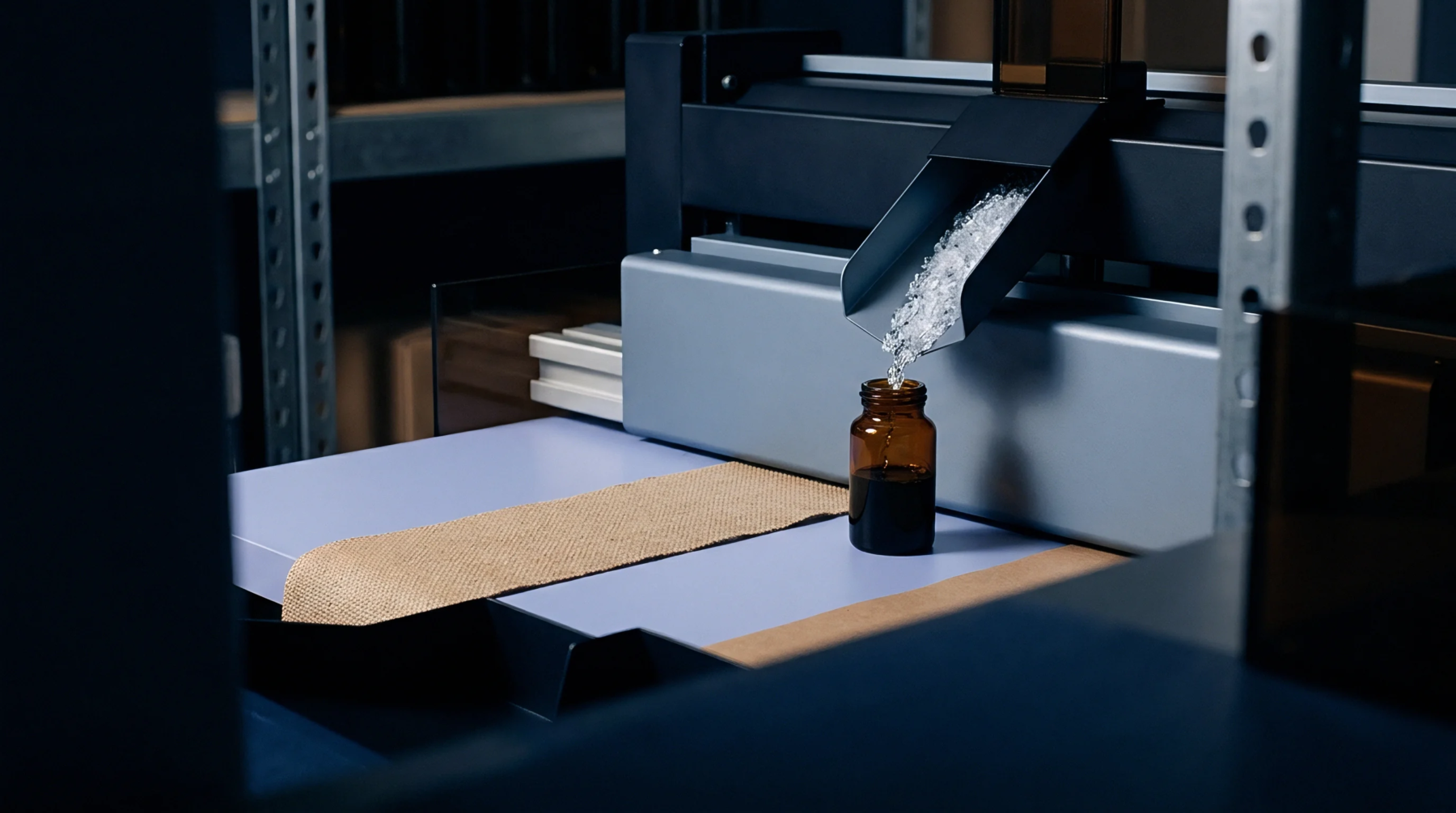
Dynamic moisture regain hysteresis in recycled staple mixtures causes commercial weight errors that require dry-mass testing rather than linear calculation.

Commercial mass equals oven dry mass multiplied by one plus the weighted sum of official fiber moisture regain allowances.
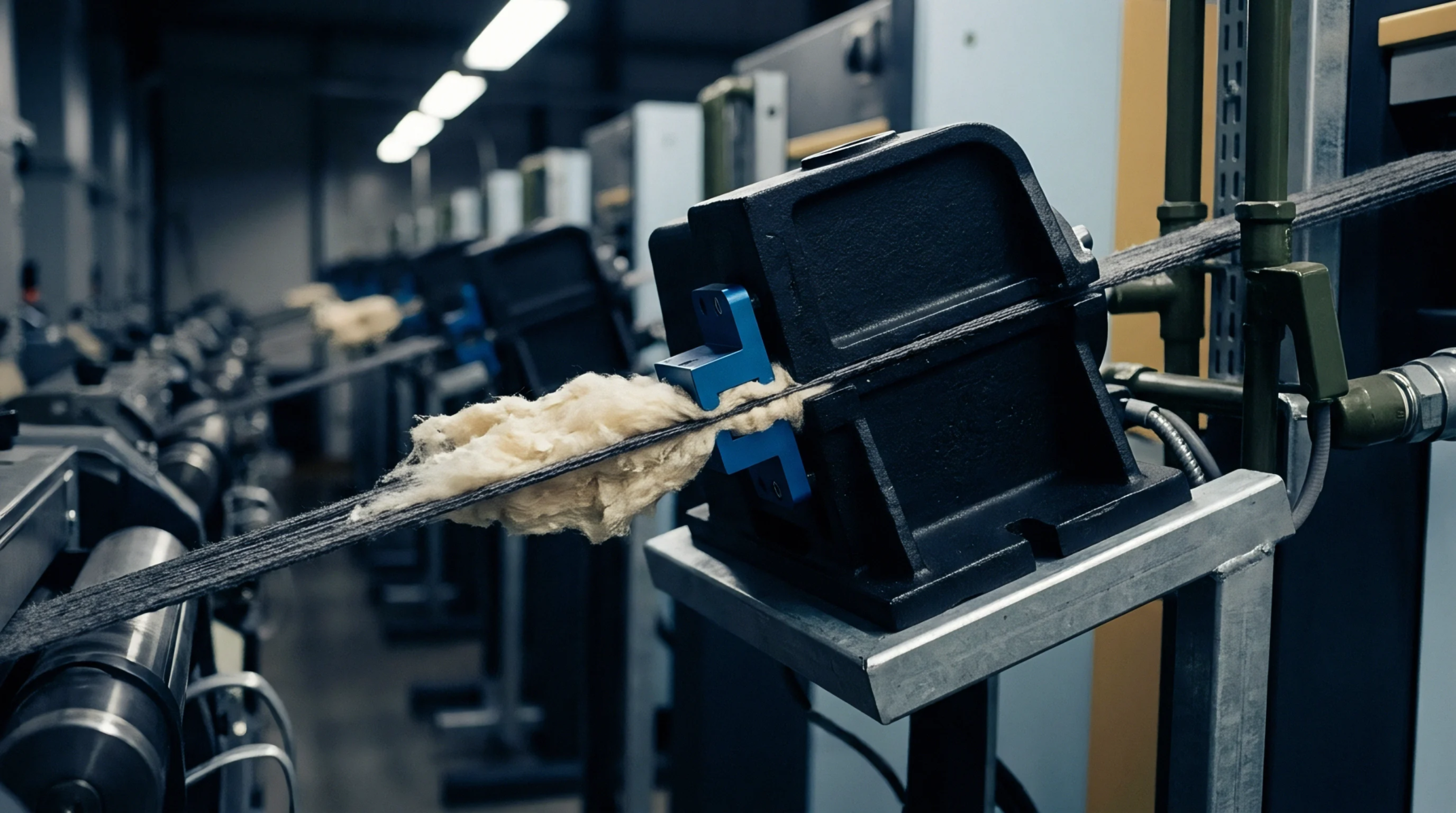
Thermodynamic sorption corrections convert ambient multi-fiber invoice weights to legal dry commercial mass, eliminating excess water charges and tariff overpayment.
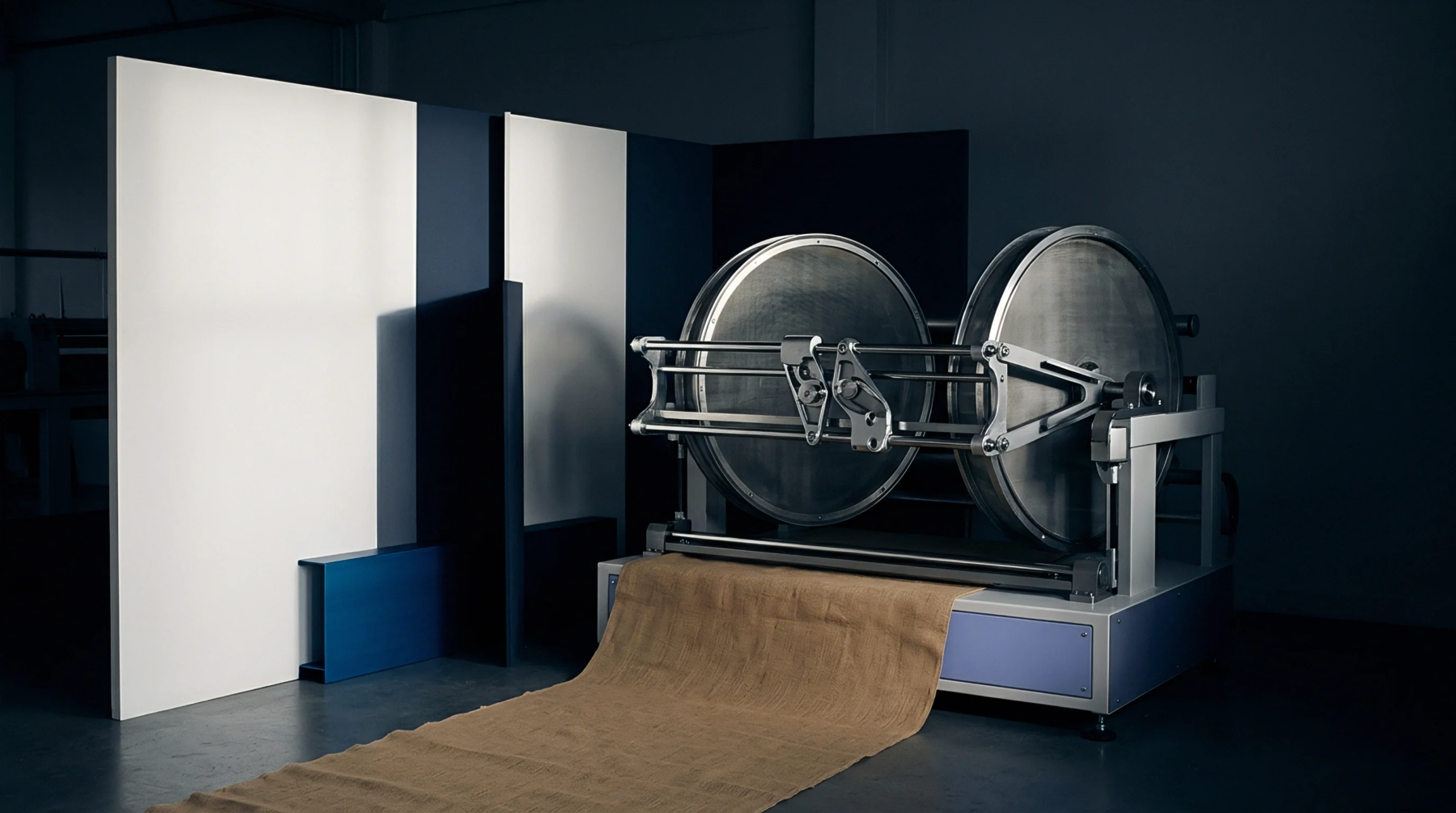
Cross-polarized darkfield line-scan arrays eliminate specular glint on bicomponent microfibers, cutting false defect scrap rates below one percent.
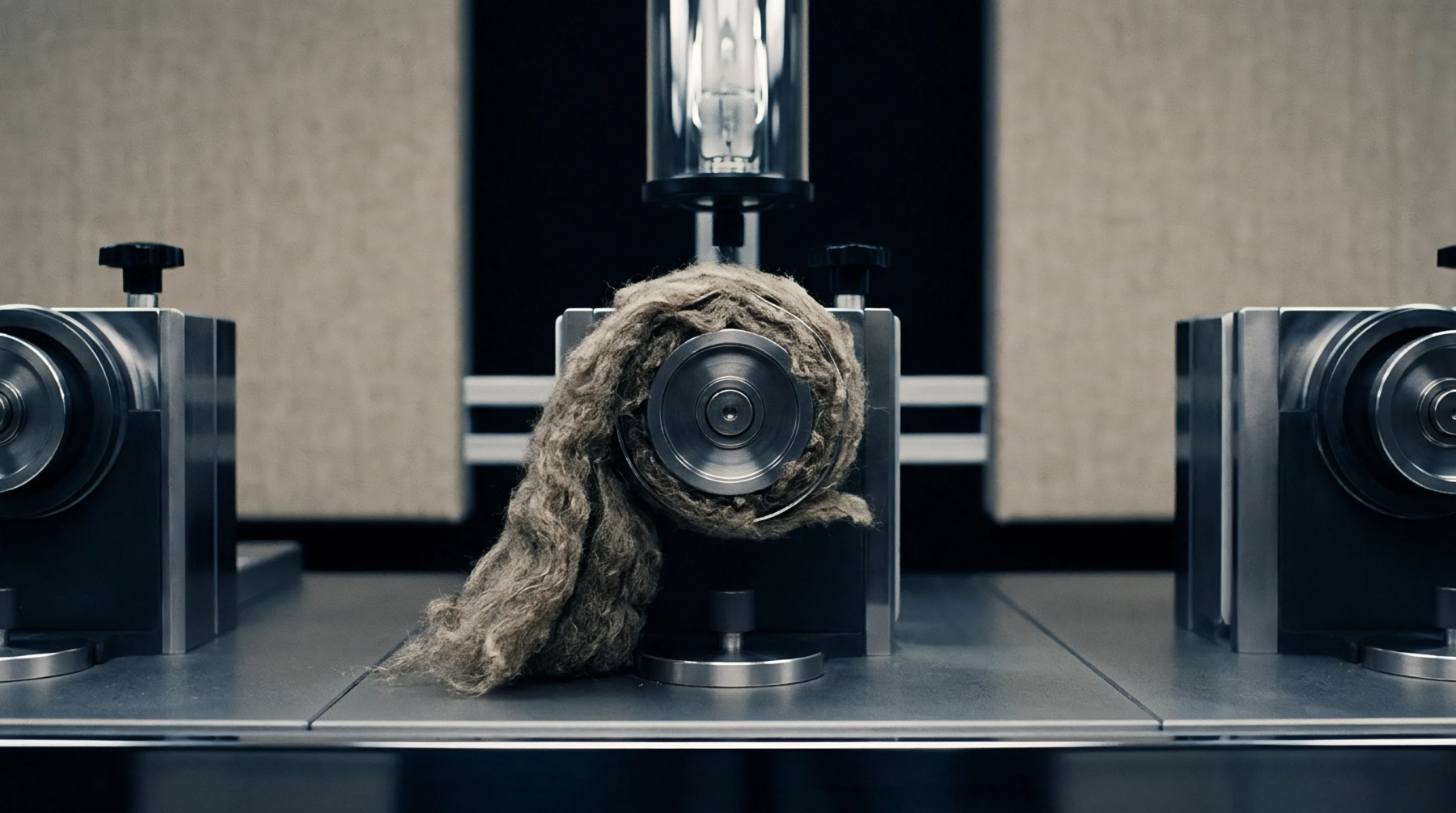
Inline NIR synthetic blend quantification demands Extended Multiplicative Scatter Correction to eliminate titanium dioxide scatter and prevent costly tariff misclassification.
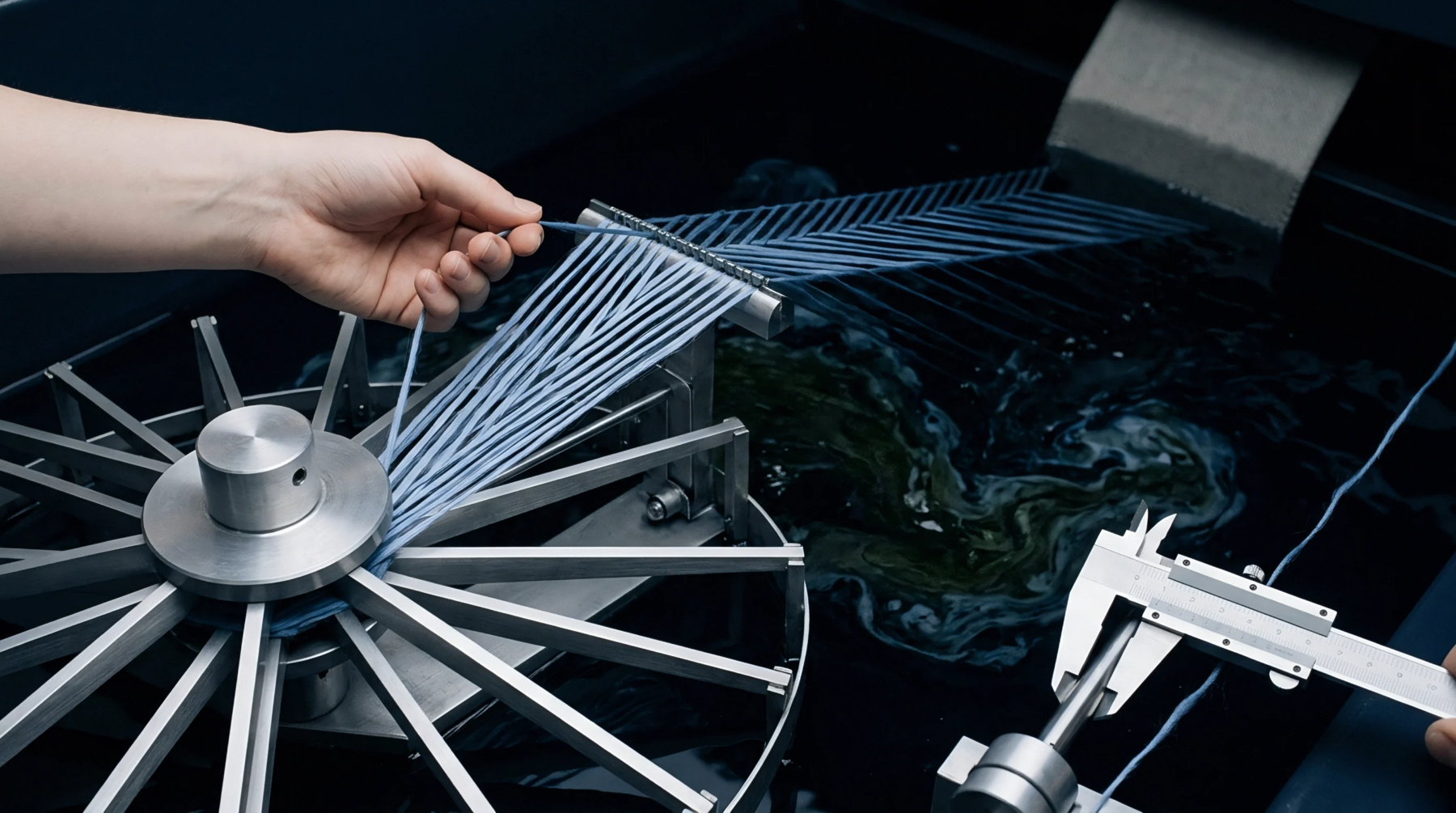
Infragold diffuse reflectance cavities provide thermally stable, non-hydrocarbon NIR baselines that preserve blend quantification on high speed sorting lines.
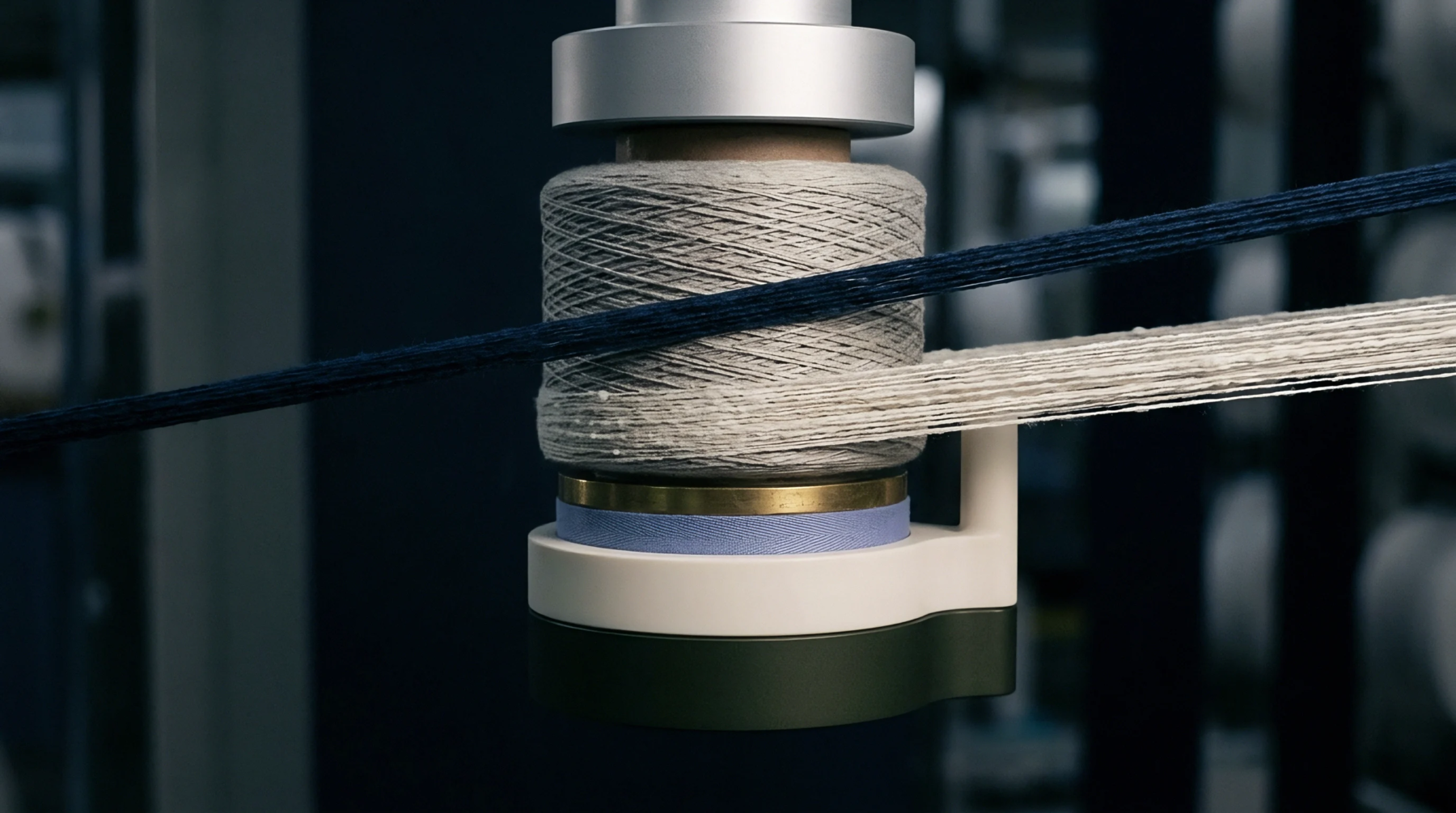
Commercial mass adjustments correct raw cotton delivery weights to an 8.5% standard regain baseline using oven dry core testing to prevent water billing errors.
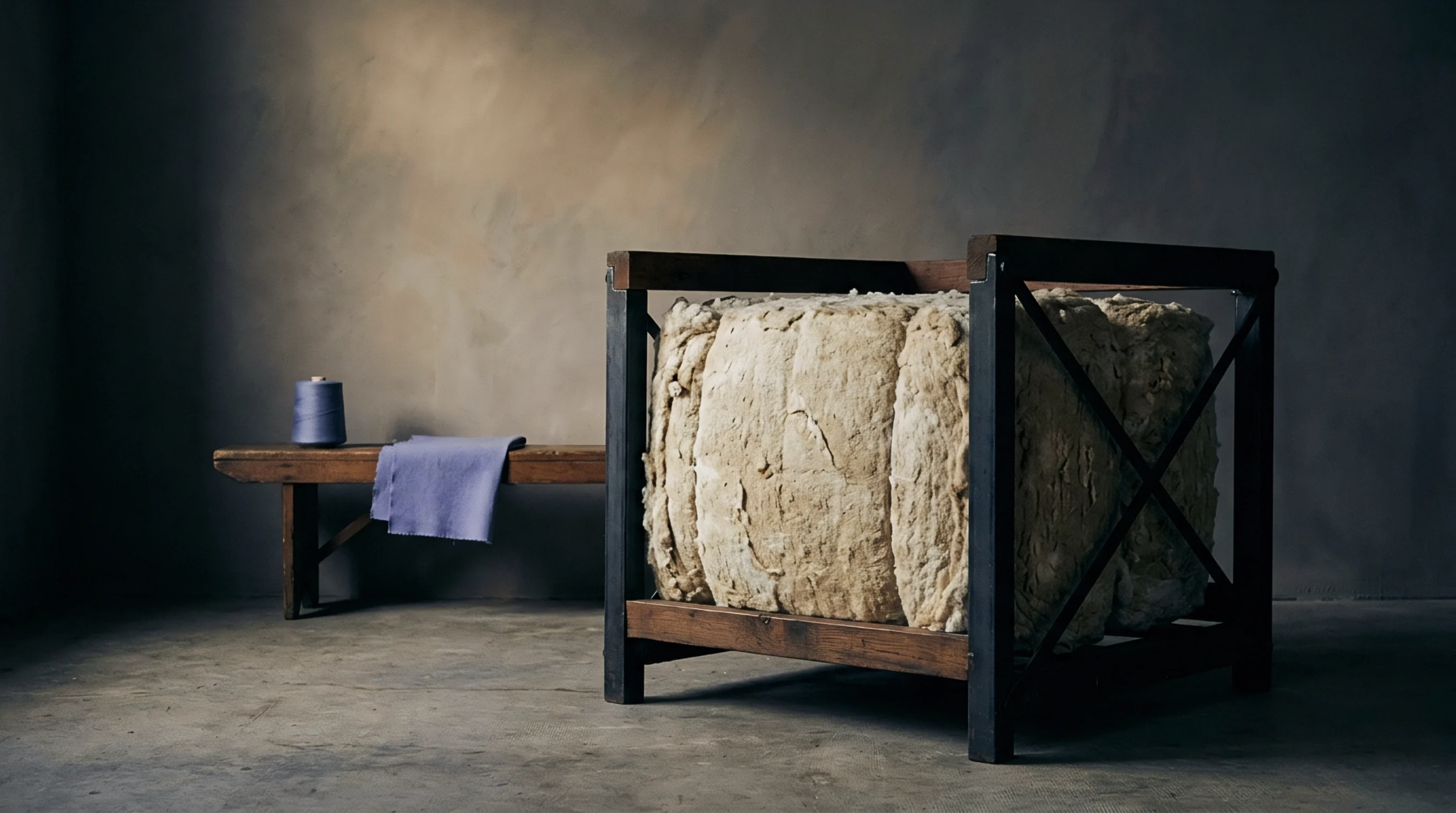
Statistical variance in cotton core testing stems from sample conditioning, instrument calibration drift, and internal bale structural heterogeneity.
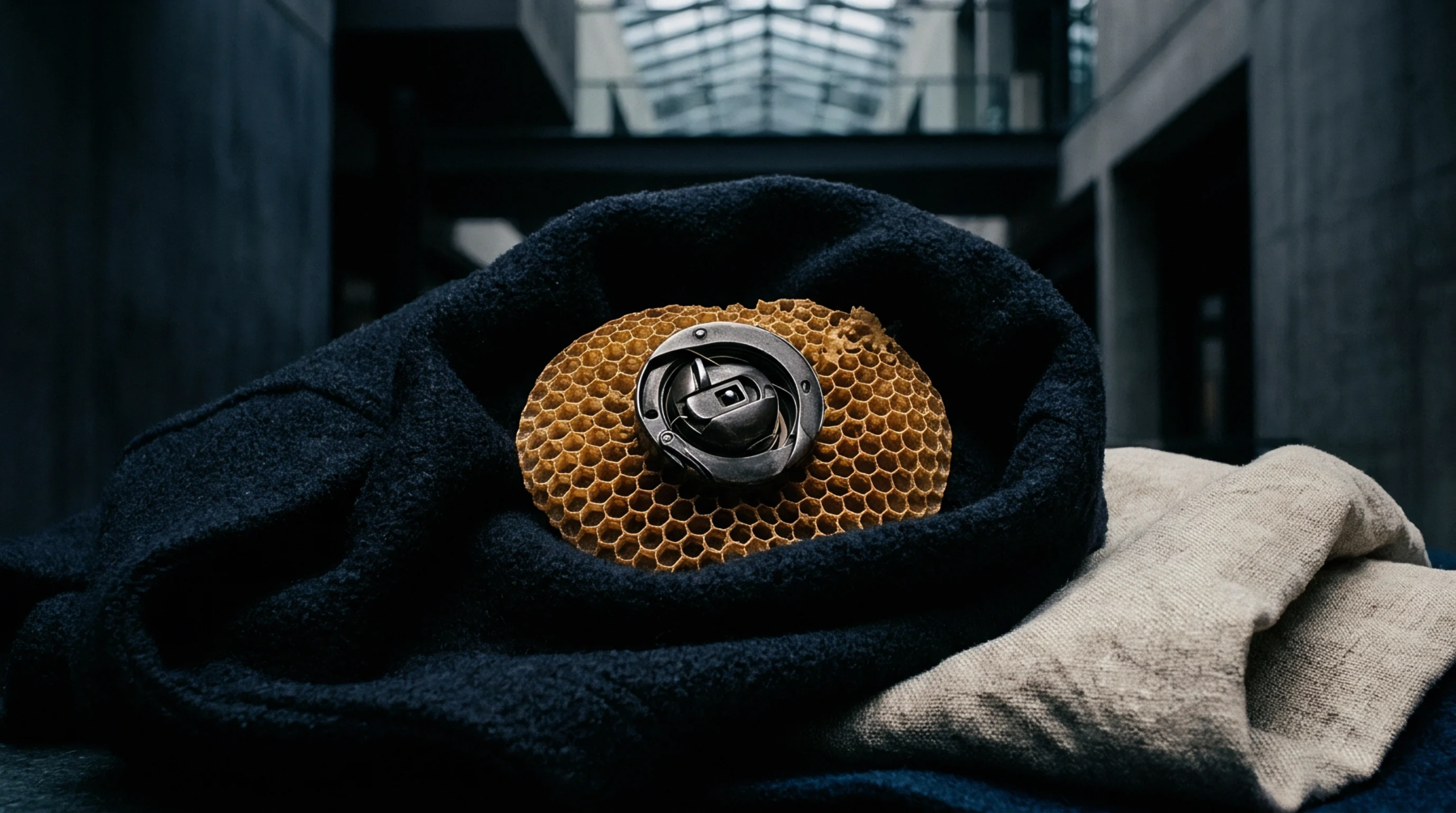
Rotary mechanical core sampling extracts representative lint strata from high-density cotton packages while preserving fibre length profiles for accurate arbitration.

Mathematical regain corrections adjust raw HVI strength and length to 7.0% moisture targets, preventing misclassification from sorption hysteresis.
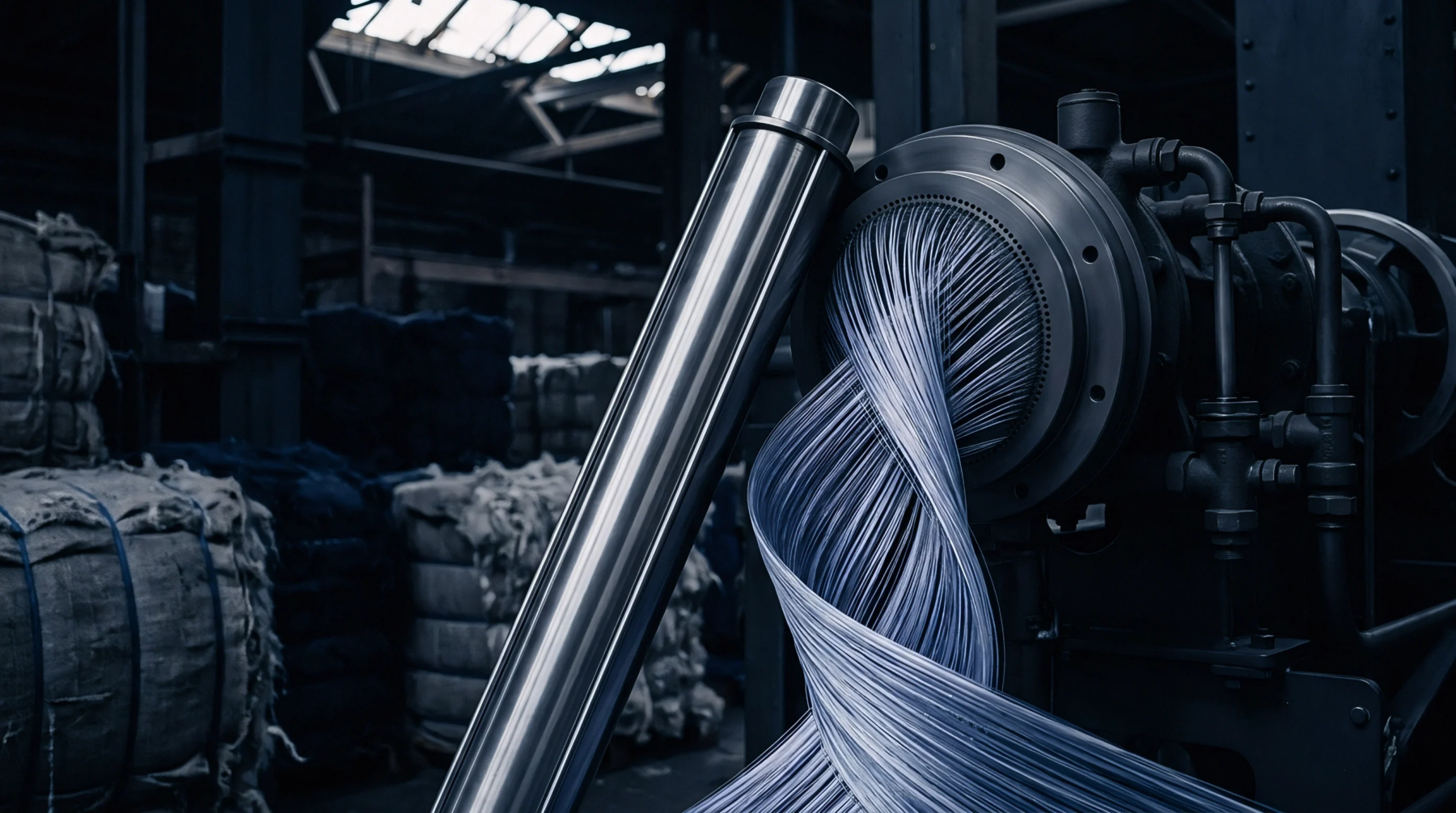
Decoupling maturity from linear density prevents high-speed ring spinning ends-down and dye resist neps by specifying double airflow and individual fiber optics.

Airflow micronaire measures specific surface area resistance, combining perimeter and wall maturity into one value that governs processing waste and price.
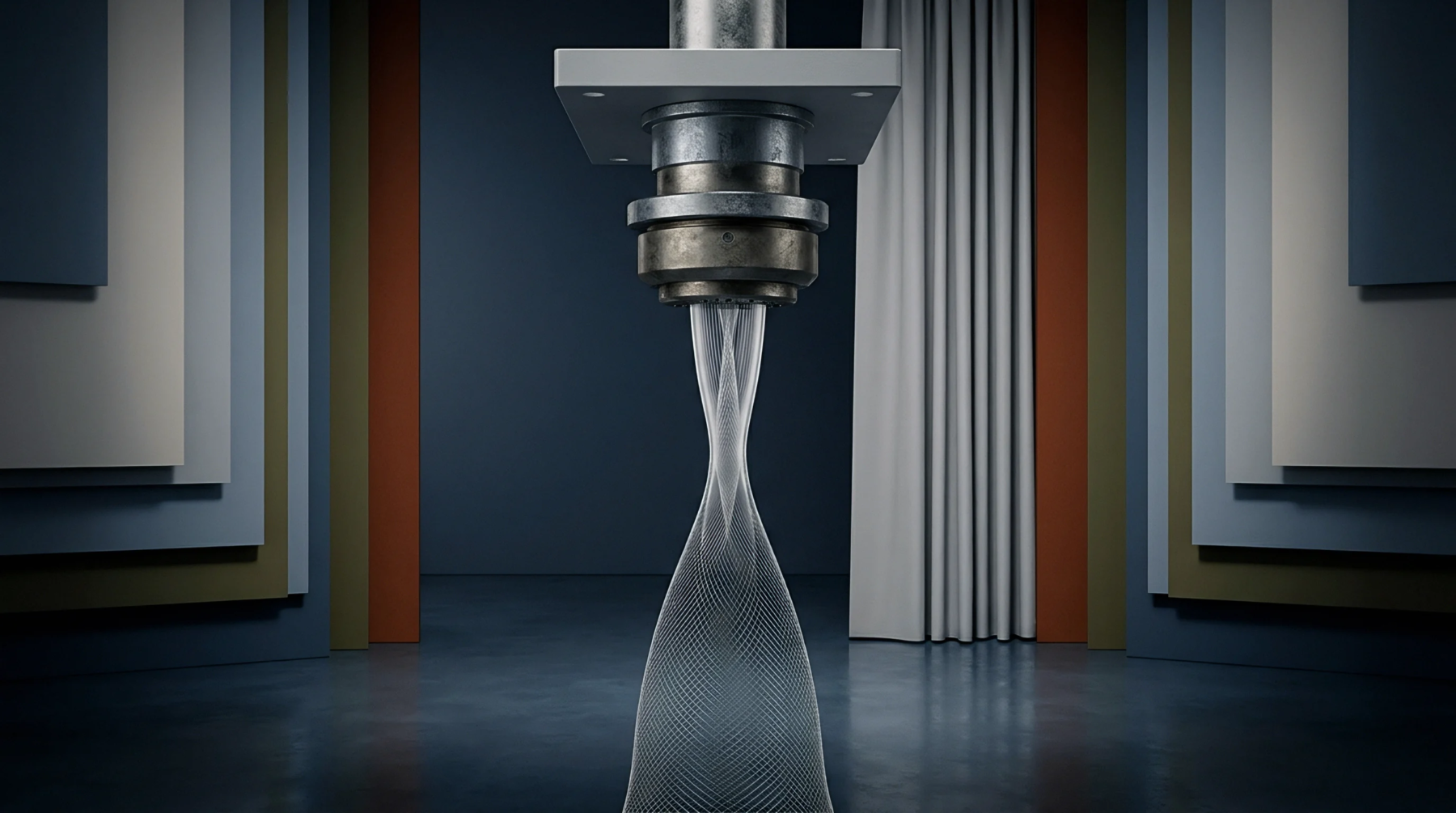
Extended SWIR calibration between 1650 and 2200 nm using rare earth oxides enables detection of polypropylene in cotton at high speeds.

InGaAs SWIR line scan cameras isolate colourless foreign polyolefins from raw cotton by tracking differential moisture and polymer absorption bands.

Shortwave infrared sensors detect transparent polyolefin contaminants in cotton tuft streams by measuring carbon-hydrogen overtones absent in cellulose.

Axial tension accelerates solvent uptake and chain relaxation in oriented yarns; controlling line tension prevents fibrillar shearing and catastrophic bundle creep.
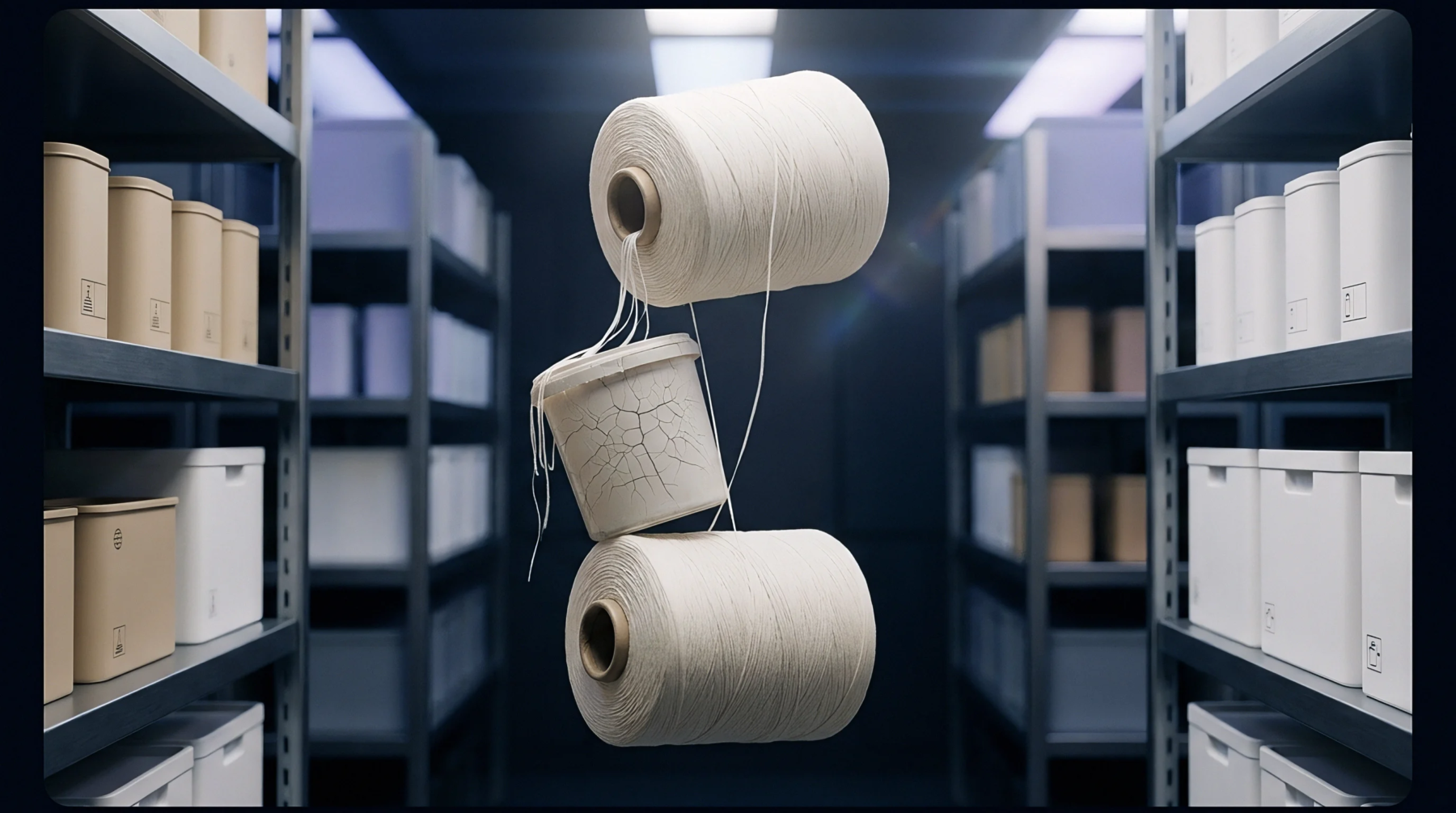
Solvent scouring plasticizes synthetic filaments and accelerates chain scission; process baths above critical temperatures destroy intrinsic viscosity.
Expertise is a utility, not a secret. sentiention™ publishes its working knowledge as open reference: intelligence layer covering the materials it sources, the markets it enters, and the reference that serves both.