Cashmere Adulteration and the Test Methods That Survive a Dispute
Defending a cashmere claim demands LC-MS/MS proteomic proof tied to core samples that survive ISO 17025 cross-examination across two split lots.
Defending a cashmere claim demands LC-MS/MS proteomic proof tied to core samples that survive ISO 17025 cross-examination across two split lots.

Translating fibre price per kilo into cost per finished metre requires adjusting raw cost for commercial regain, spinning yields, weaving crimp, finishing shrink, and customs tariffs.

Fibre composition dictates physical durability, moisture regain, dye chemistry, and customs classification before spinning machinery turns.

Declared composition tolerances bridge laboratory test method noise and commercial target blend ratios through standardized moisture regain corrections.
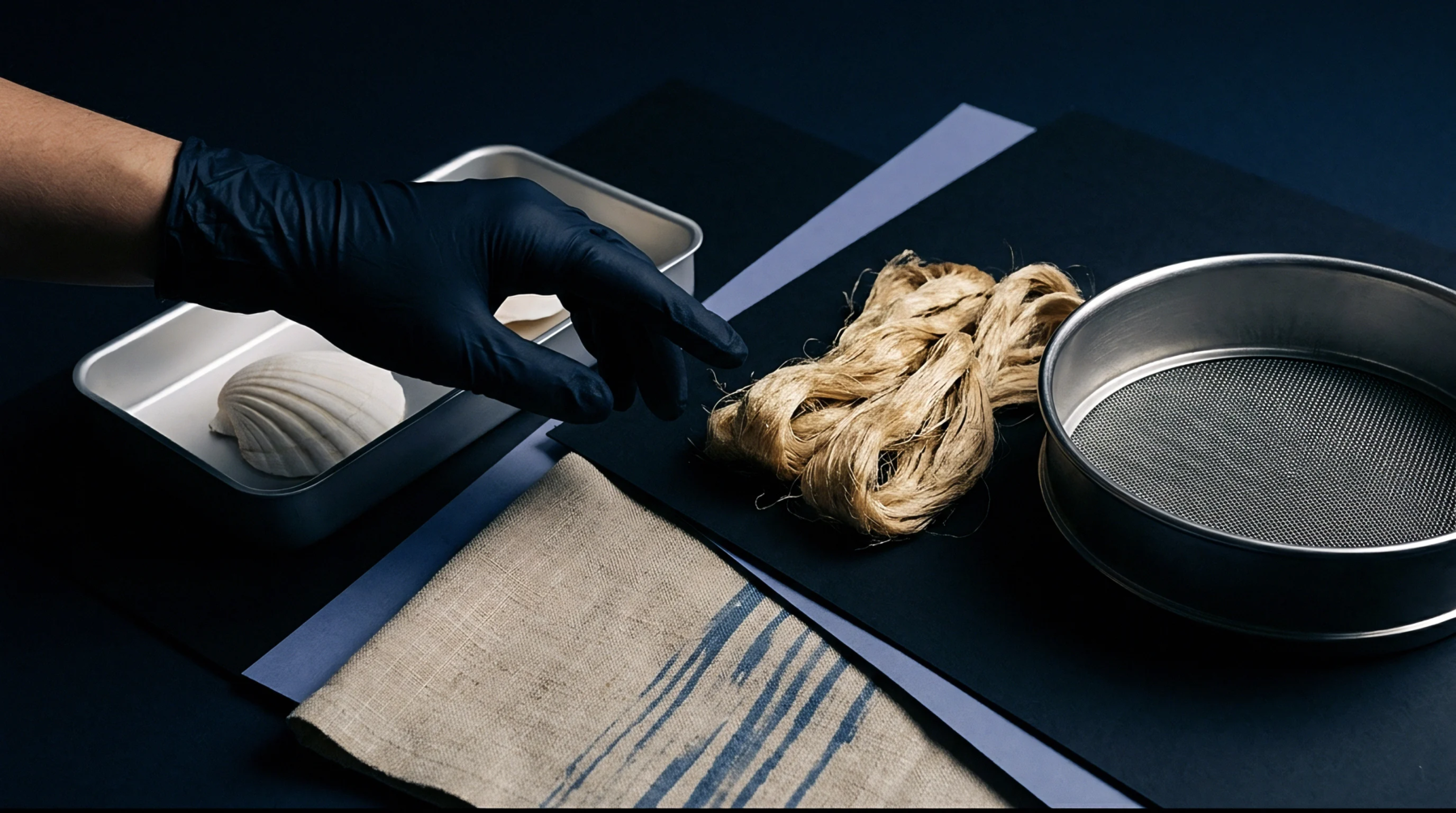
Verify dry mass under ISO 6741 oven testing to ensure yarn invoices bill official regain allowances rather than trapped atmospheric water.
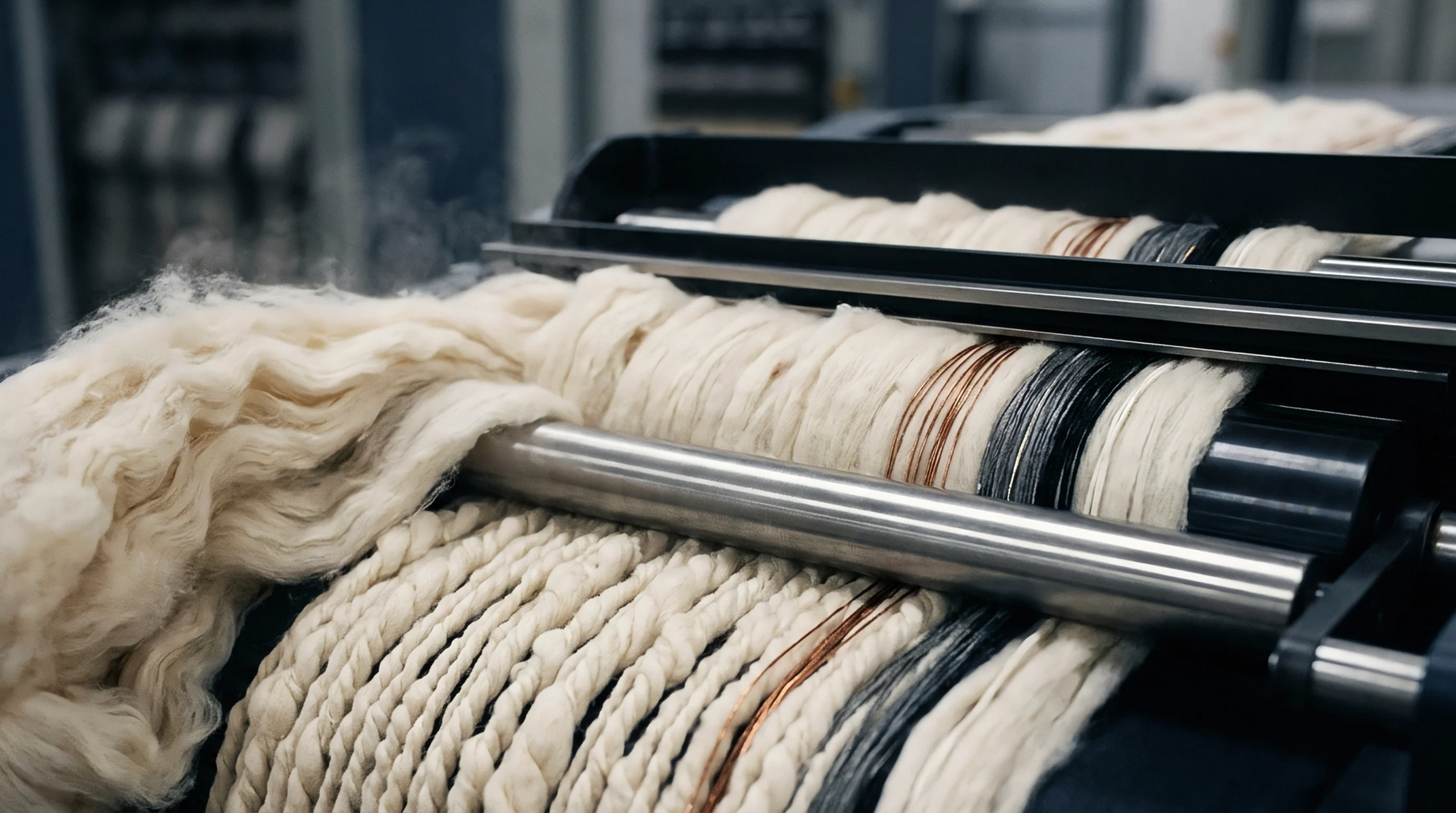
Blend ratio drift stems from uncompensated raw bale moisture changes and pneumatic sorting; control requires ISO 1833 dry-mass specs and real-time weigh-hopper NIR updates.

Inline blowroom optical sensors fail when poor opening leaves inclusions hidden inside dense cotton tufts, allowing synthetic polymer fibers to reach spinning frames.
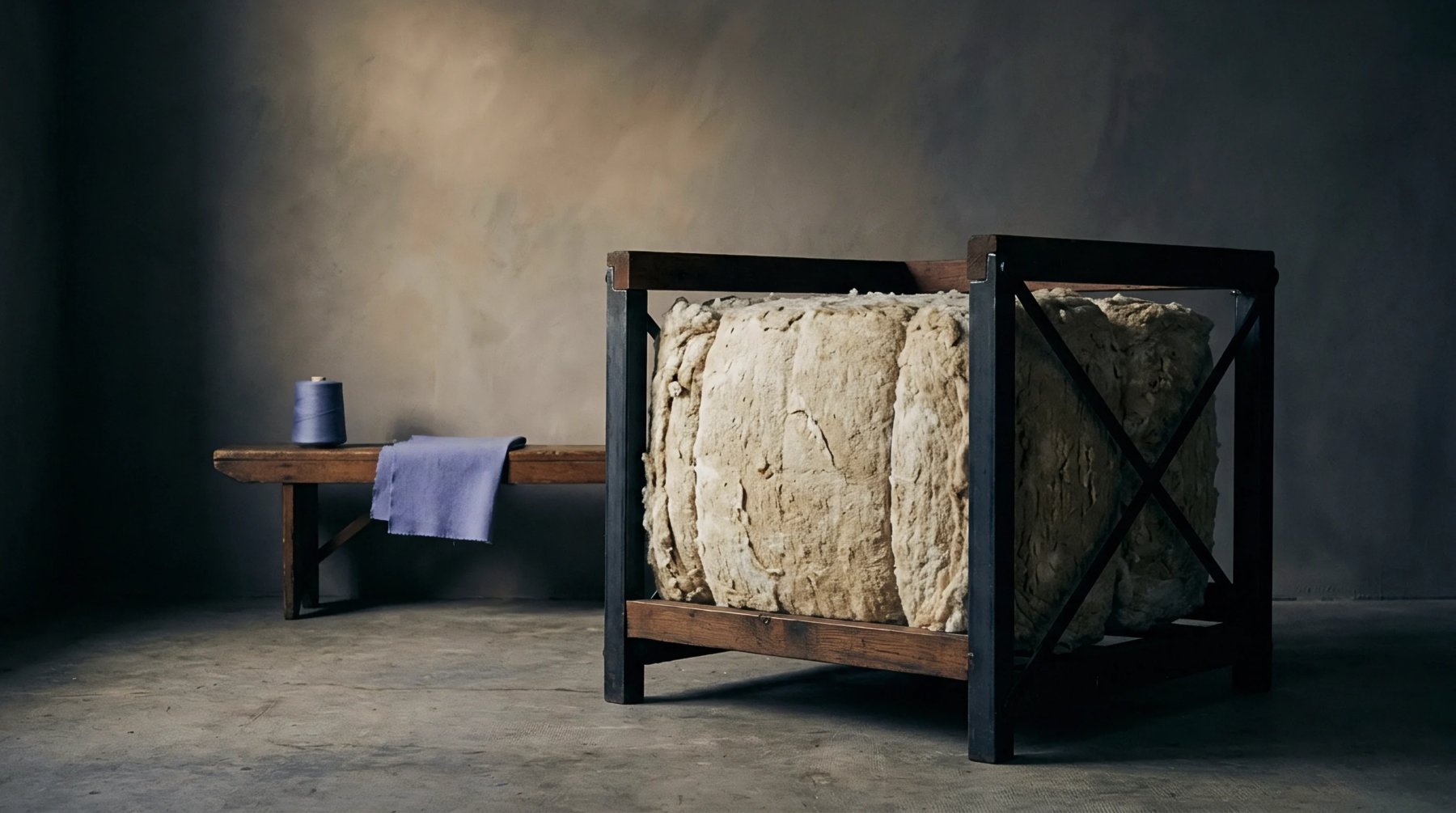
Determining raw cashmere value requires combined OFDA micron profiling and oven-dry yield mass balance testing to calculate true clean dehaired cost.
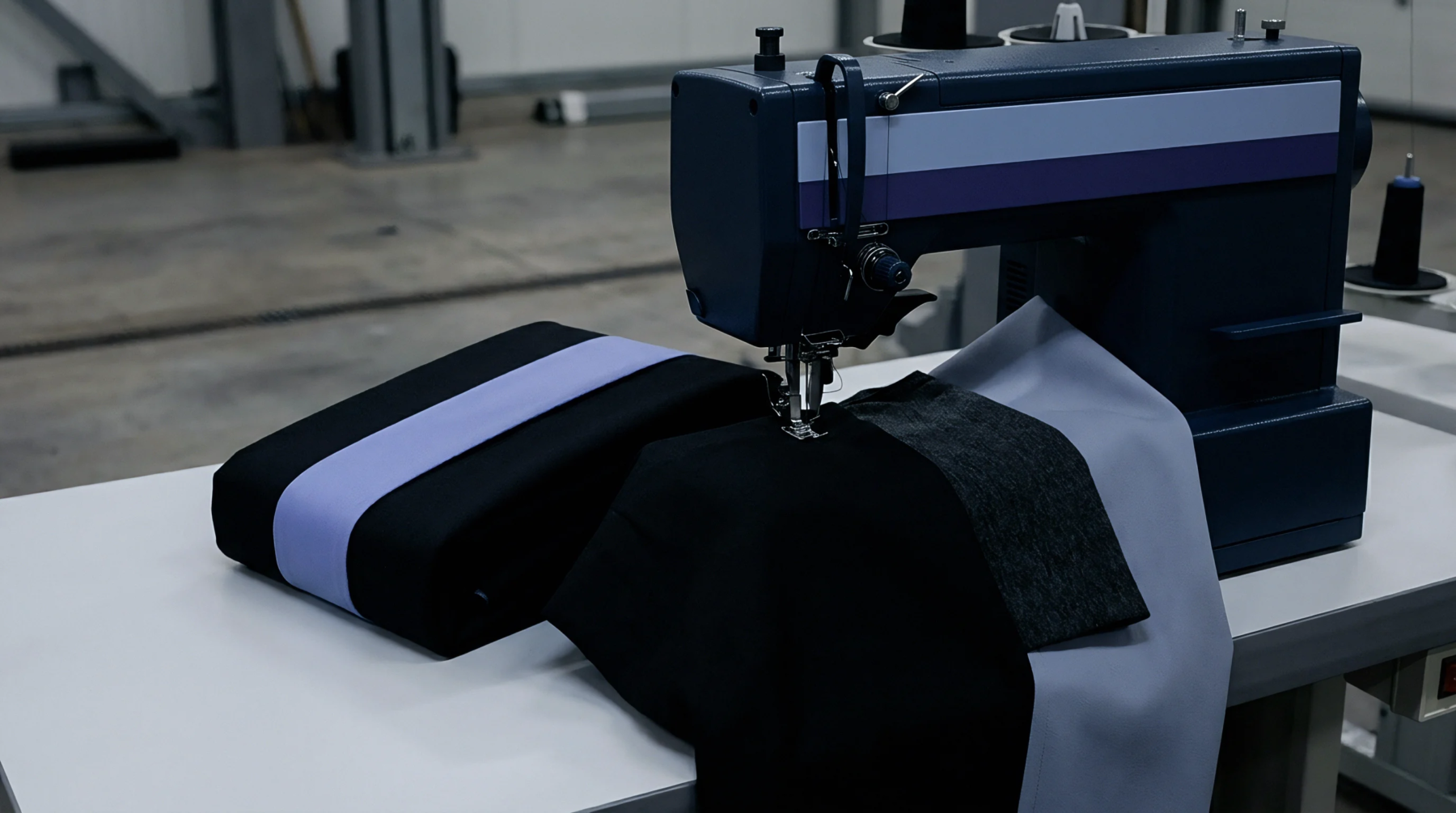
Calculating net dry mass adjustment factors requires converting port scale weights to oven-dry mass using ISO 6741 regain standards to prevent paying duty on absorbed water.
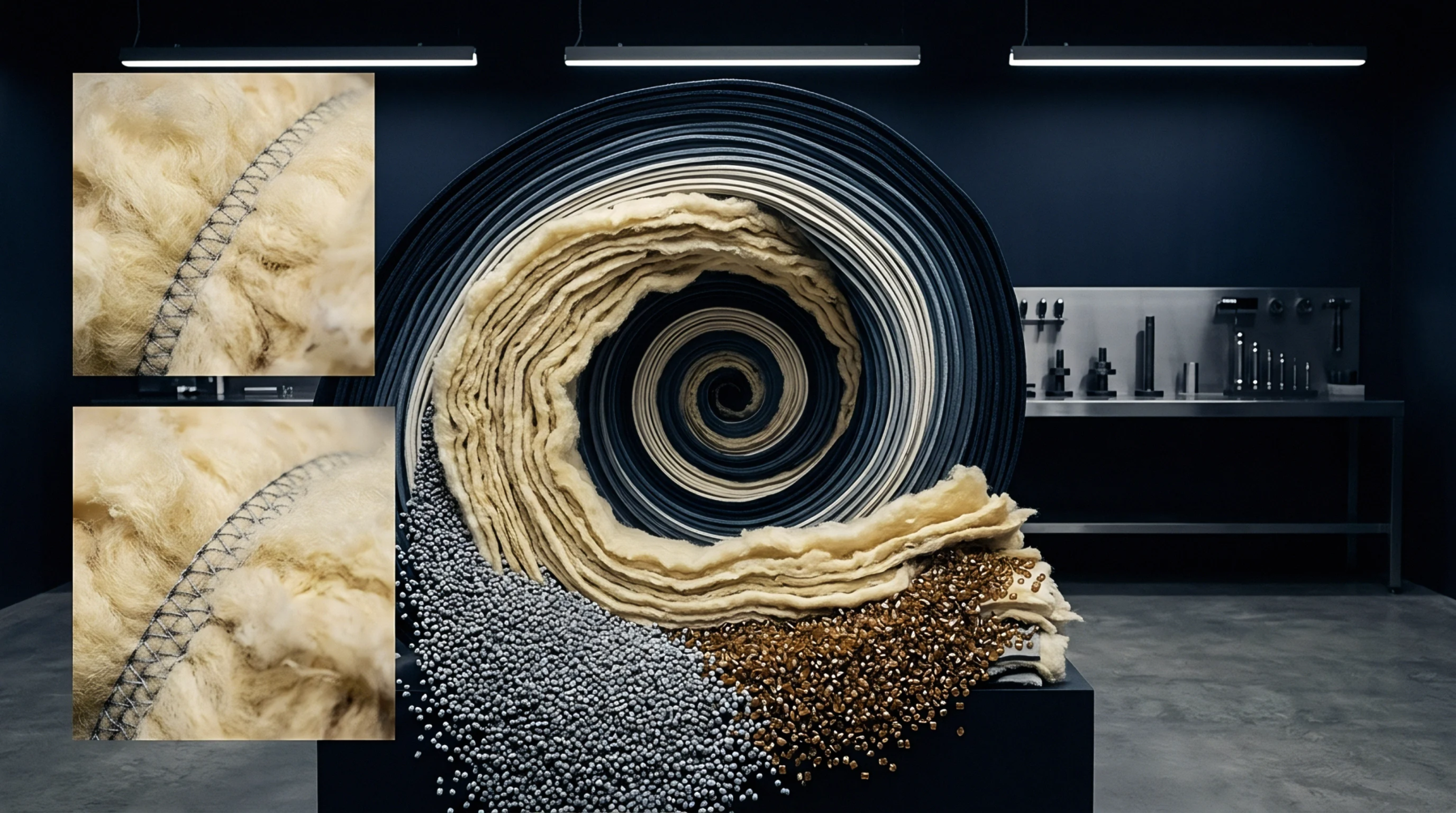
Inline optoelectronic parameterization requires balancing SWIR and polarization gain settings against transport air velocity to remove synthetic polymers without excessive fiber loss.
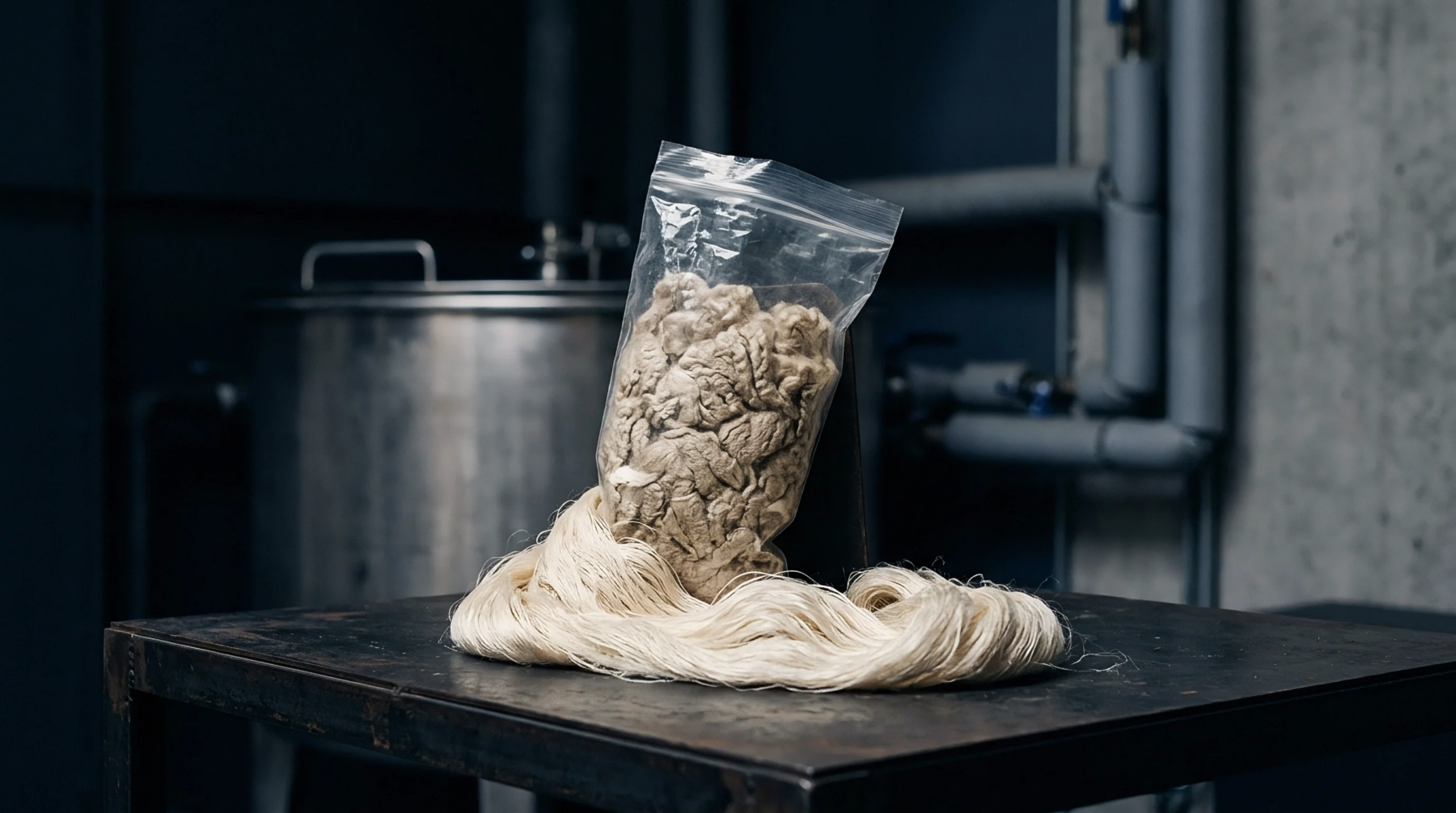
Commercial mass equals oven-dry mass multiplied by standard regain allowances, establishing an immutable billable weight independent of transit moisture shifts.
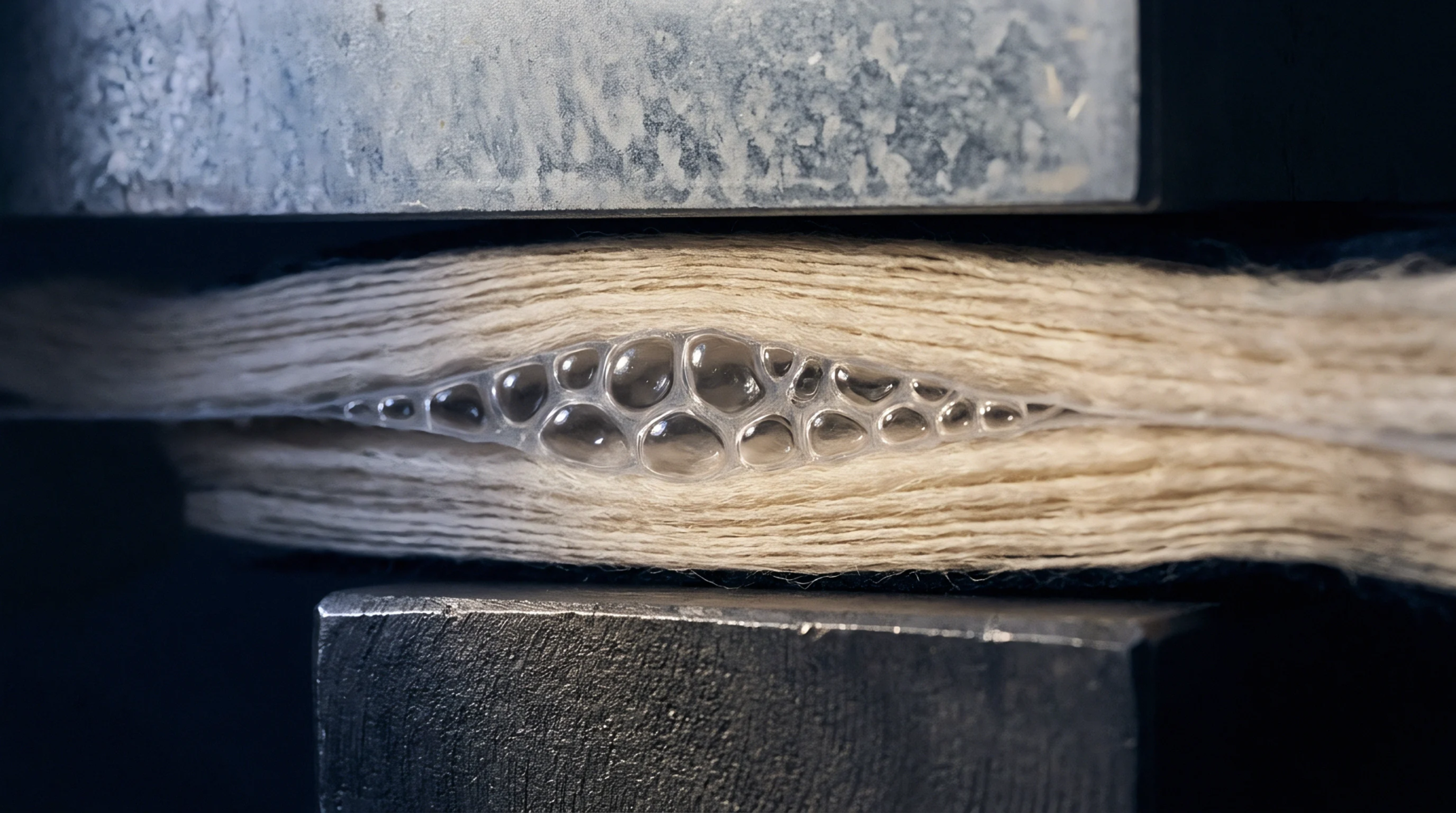
Reconciling moisture regain discrepancies requires calculating net dry mass via gravimetric oven drying and applying standard commercial allowances to correct invoice weights.

Solvent extraction adjustments correct non-fibrous loss and moisture regain to convert raw dry residual weights into accurate commercial mass for tariff settlement.

Commercial mass calculations adjust textile shipping weights to standard moisture regain levels, preventing overpayment of invoices and customs import duties.

Weighted commercial regain calculations turn dry mass fractions and standard allowance rates into contractually enforceable net billable yarn shipment weights.

Buyers verify viscose pulp origin using stable isotope profiling alongside physically segregated chain of custody documentation from pulp mill to yarn.
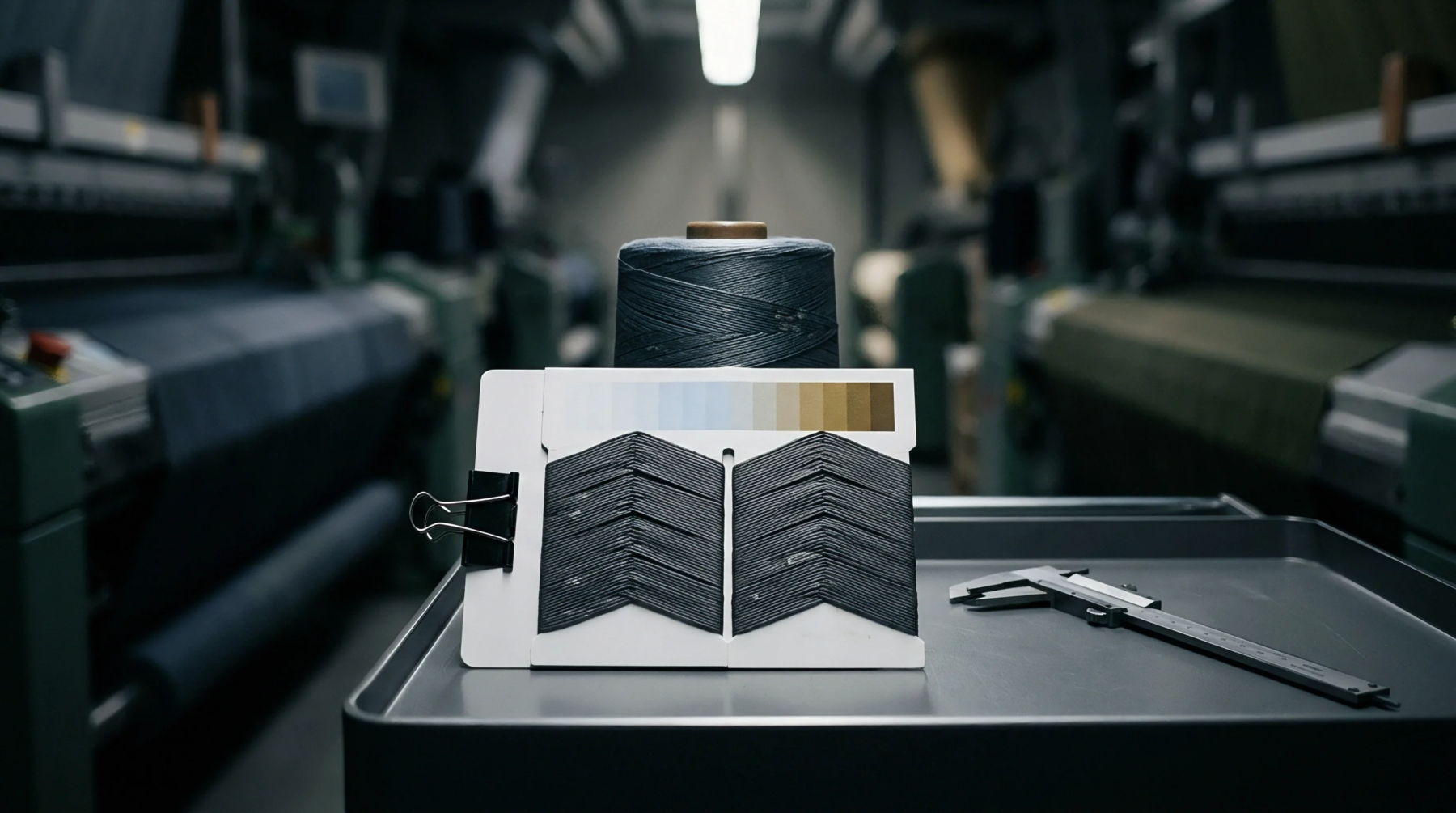
Raw fiber yield calculations require converting gross lot weight to dry commercial mass under ISO 6741 and deducting mechanical waste extractions.

Differential air drag and wire engagement strip cotton at carding zones, forcing synthetic sliver drift that triggers customs tariff threshold penalties.

Viscose wool composition drift stems from differing standard moisture regain allowances, requiring dry-mass conversion formulas to protect tariff lines and invoices.

Core sampling cotton bales with 22mm probes across 10% lot fractions enables precise thermodetector and HPLC acceptance limits for honeydew and synthetics.

Calculate dehairing yield by converting raw mass to clean dry keratin weight, subtracting guard hair and dirt losses, and normalizing to 17% commercial regain.

Customs valuation for multi-fibre blends requires deriving commercial mass by adjusting clean oven-dry weight with ISO 6741 weighted fibre regain allowances.

Tuning shortwave infrared sensors to 1690 nm with anti-reflective backgrounds isolates thin polypropylene film from cotton at sub-millisecond line scan speeds.

Unextracted spinning oils distort oven-dry fiber mass ratios, triggering false chief-weight customs reclassifications between cotton and viscose tariffs.

High-speed air jet blend spinning causes non-linear, component-biased waste drift that alters yarn ratios and requires speed-indexed toll pricing models.

Commercial moisture regain allowances alter declared fiber percentages, triggering customs tariff reclassification across critical weight thresholds.

Adjusting dry test mass using official moisture regain values shifts binary fiber ratios, changing chief weight tariffs and altering landed customs duties.

Reconciling quantitative chemical dissolution variances requires adjusting raw dry laboratory residues using standardized solvent d-factors and statutory commercial regain allowances under ISO 6741.

InGaAs sensor integration requires thermoelectric dark current control and dynamic radiometric calibration to isolate synthetic polymers from raw cotton.

Statutory customs petroleum ether pretreatments fail to extract polar ethoxylated spin finishes, distorting dry fiber mass and shifting tariff lines.
Expertise is a utility, not a secret. sentiention™ publishes its working knowledge as open reference: intelligence layer covering the materials it sources, the markets it enters, and the reference that serves both.