Cylindrical Extraction
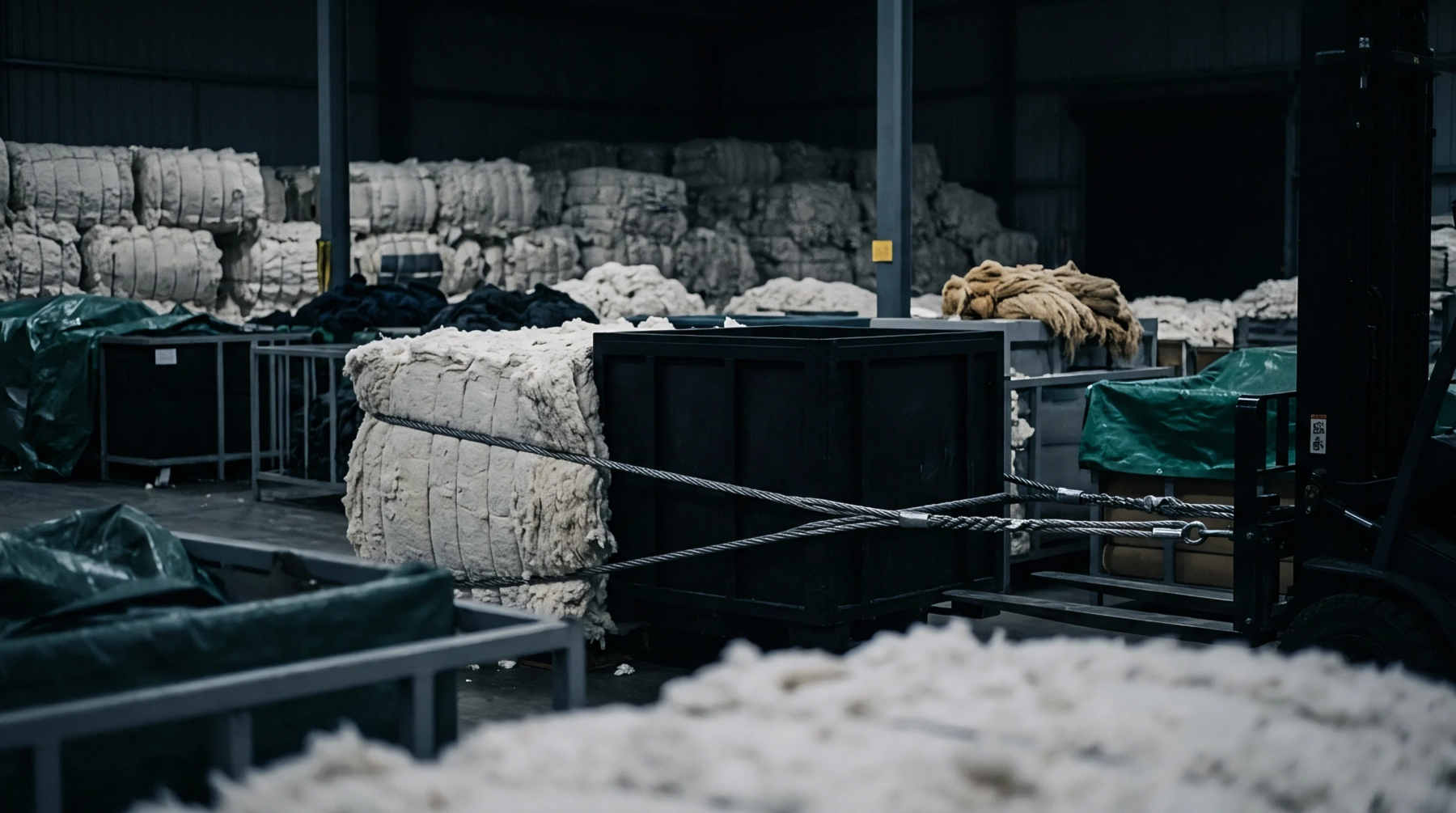
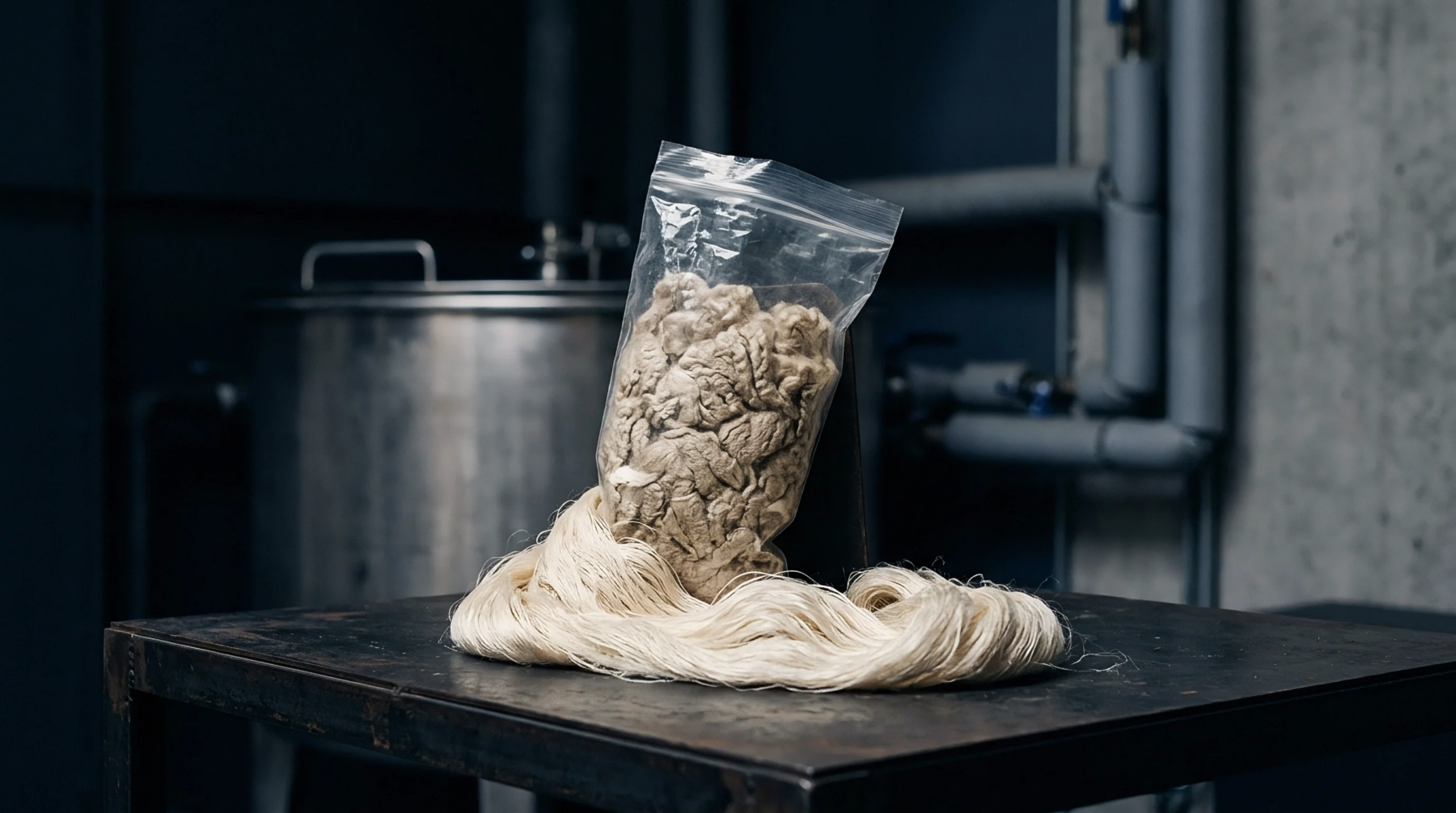
Extraction from stacked fibrous mass occurs through a hollow metal tube driven vertically into large bales of raw cotton or wool to isolate representative interior specimens for laboratory evaluation. Core sampling removes a vertical column of material spanning the entire compressed thickness of a bale without disturbing adjacent layers. Operators drive the steel cylinder hydraulically to extract a column measuring roughly two inches in diameter.
Mills rely on this procedure to assess foreign matter content and moisture regain hidden deep within dense packages before opening stock for carding and spinning lines. Testing laboratories process these cylindrical portions to determine overall fiber length distribution and micronaire values across the entire shipment. This methodology stops applying when bales arrive with visible moisture damage or exterior contamination that requires separate rejection protocols rather than random verification.
Bale Density
Pressure exerted during the original compression phase dictates how easily the rotating cutting edge penetrates the jute wrapping and compressed fibers. High compaction levels require specialized motor-driven bits equipped with hardened teeth to slice through tangled staple without generating excessive frictional heat. Heat generated during penetration alters natural moisture content within the extracted material and distorts subsequent laboratory measurements.
Technicians monitor motor torque continuously while the cylinder descends through the compressed mass to identify internal density variations that indicate uneven packing at the gin or press.
Laboratory Preparation
Extracted material undergoes conditioning in standard atmospheric chambers before technicians separate the column into distinct segments for individual parameter analysis. Operators discard exterior packaging fragments and surface debris collected during initial penetration to ensure laboratory findings reflect only interior fiber characteristics. Technicians blend the separated specimen segments thoroughly using automated mechanical openers to eliminate localized variations caused by natural growth irregularities in raw agricultural stock.
Commercial Verification
Buyers verify raw material quality against contractual specifications by comparing laboratory reports generated from these extracted columns against agreed baseline standards. Settlement of commercial disputes regarding trash content relies entirely upon the reproducibility of test results derived from these vertical specimens. Mills reject entire container loads when mean fiber length values fall below contractual thresholds established during initial sample extraction.
Verification protects manufacturers from absorbing hidden financial losses associated with substandard raw material deliveries originating from distant agricultural regions.