Compositional Baseline
Non-fibrous matter designates extraneous foreign substances mixed into raw textile stock that require extraction before spinning preparation begins. This analytical definition applies directly to natural staple fibers entering preliminary opening machines and ends immediately when carding webs form uniform slivers. Foreign particles include seed fragments, leaf husks, sand grains, and dried plant residues adhering tightly to harvested lint.
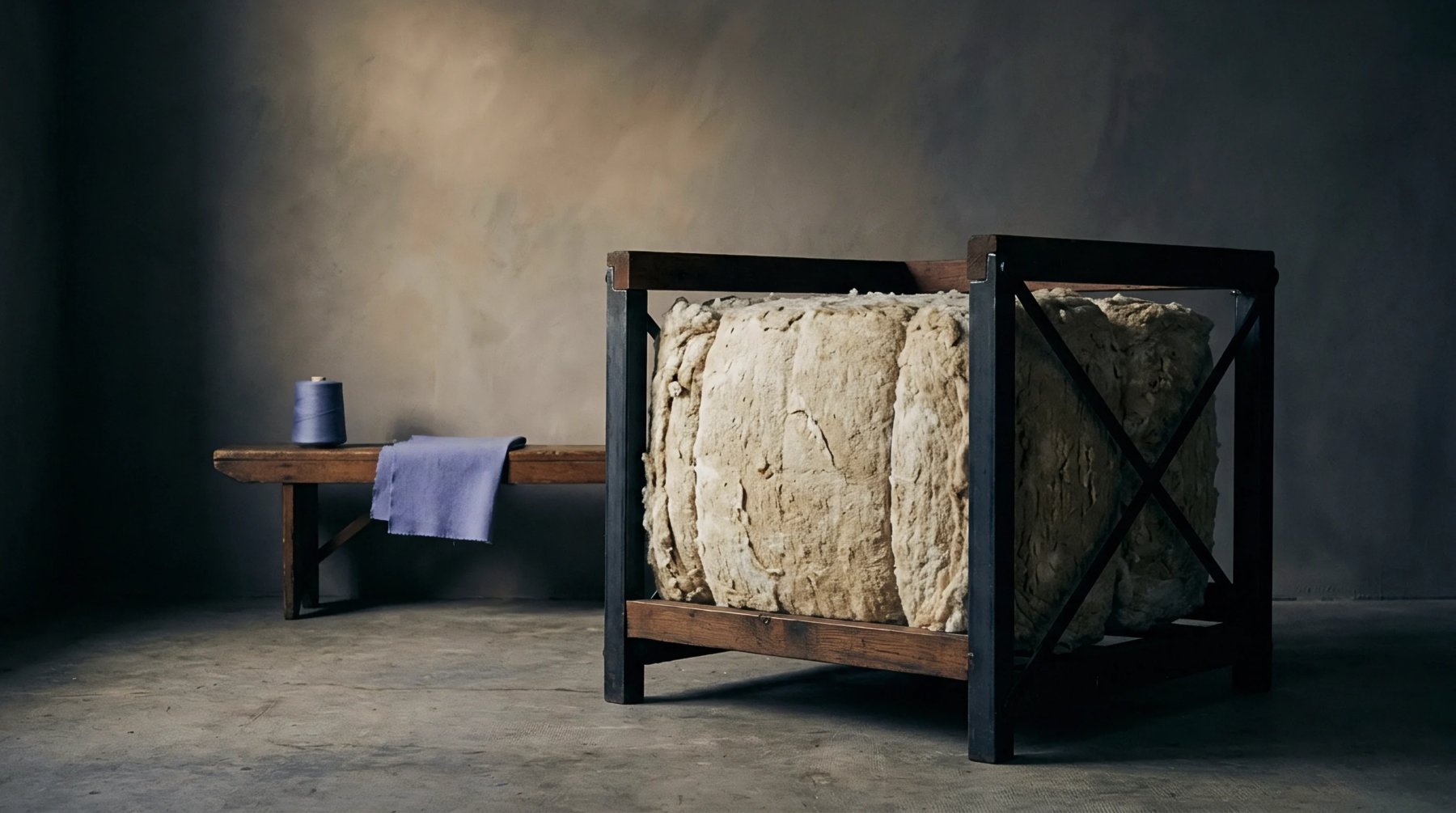
Raw cotton bales often carry excessive contamination levels that disrupt subsequent drafting rollers if mechanical cleaning proves inadequate. Mill buyers inspect delivery lots under controlled humidity conditions to measure impurity weight fractions against contracted quality limits. Excess contamination lowers yarn breaking strength and causes frequent ring frame ends down during high speed spinning operations.
Laboratory technicians separate foreign particles manually from small sample specimens using precise tweezers before calculating percentage mass loss values. Bulk production machinery adjusts grid bar settings continuously to reject heavy particles without losing valuable staple lint into waste chutes. Inspected lots exceeding permitted impurity thresholds face heavy financial penalties or outright rejection at the factory gate before dyeing commences.
Carding machinery subsequently expels remaining microscopic dust particles that survived the initial cleaning line inside the blowroom.
Extraction Yields
Mechanical cleaning efficiency depends heavily upon raw material moisture content and the physical dimensions of embedded trash particles. Heavy contaminants settle rapidly inside vertical openers because centrifugal forces fling dense foreign bodies outward through perforated metal screens. Lighter leaf trash requires pneumatic suction hoods positioned strategically above spiked lattice conveyors to draw airborne debris away from clean stock.
Spinners evaluate blowroom performance by comparing input contamination weights against the total mass collected inside waste extraction chambers daily. Production supervisors monitor cleaning line waste percentages constantly to detect substandard baled shipments before processing costs accumulate. Excessive lint loss during trash removal indicates aggressive beating cylinders damaging individual staple tips unnecessarily.
Plant managers adjust grid bar clearances downward whenever staple length measurements show premature breakage occurring inside cleaning machinery. Lower trash removal rates leave stubborn seed coat fragments embedded firmly inside carded slivers to plague downstream combing units.
Chemical Removal
Alkaline scouring baths dissolve remaining plant impurities chemically during wet processing stages applied to woven or knitted fabrics. Caustic soda solutions swell natural cellulose structures and saponify residual fatty acids adhering to stubborn cotton seed coats. High temperature processing breaks down residual pectin binders holding hard foreign specks securely against individual yarn surfaces.
Bleaching agents subsequently oxidize colored impurities derived from lingering botanical matter until complete whiteness is achieved across the material. Fabric inspectors examine finished goods under specialized daylight lamps to locate residual specks that survived alkaline pretreatment. Undissolved foreign matter creates localized dye resists resulting in tiny white spots across deep colored fabric surfaces.
Laboratory personnel test finished cloth samples for residual sizing compounds and botanical fragments using standardized microscopic examination techniques. Chemical treatment parameters require precise temperature control to degrade natural impurities completely without damaging surrounding cellulose polymer chains.
Finishing Impact
Final fabric tactile qualities depend directly upon the thoroughness of impurity removal achieved during preparatory processing sequences. Smooth surface textures emerge only after every trace of rigid botanical matter is eliminated from yarn interiors completely. Apparel manufacturers reject finished cloth containing protruding hard specks because abrasive points irritate wearer skin during garment use.
Quality control auditors measure surface smoothness using optical profilometers to detect microscopic irregularities caused by trapped foreign particles. High performance technical textiles demand absolute purity to ensure consistent resin penetration during industrial coating operations. Residual botanical matter creates weak points within structural composites where moisture intrusion can initiate premature material degradation.
Final inspection protocols verify that clean fabric meets strict commercial standards established for premium apparel production worldwide.