Standard Customs Laboratory Solvent Extraction Methods for NonFibrous Matter Removal in Textile Yarns
Removing non-fibrous finish via standard solvent extraction before chemical separation ensures accurate clean dry fiber mass and correct customs tariff classification.

Substrate
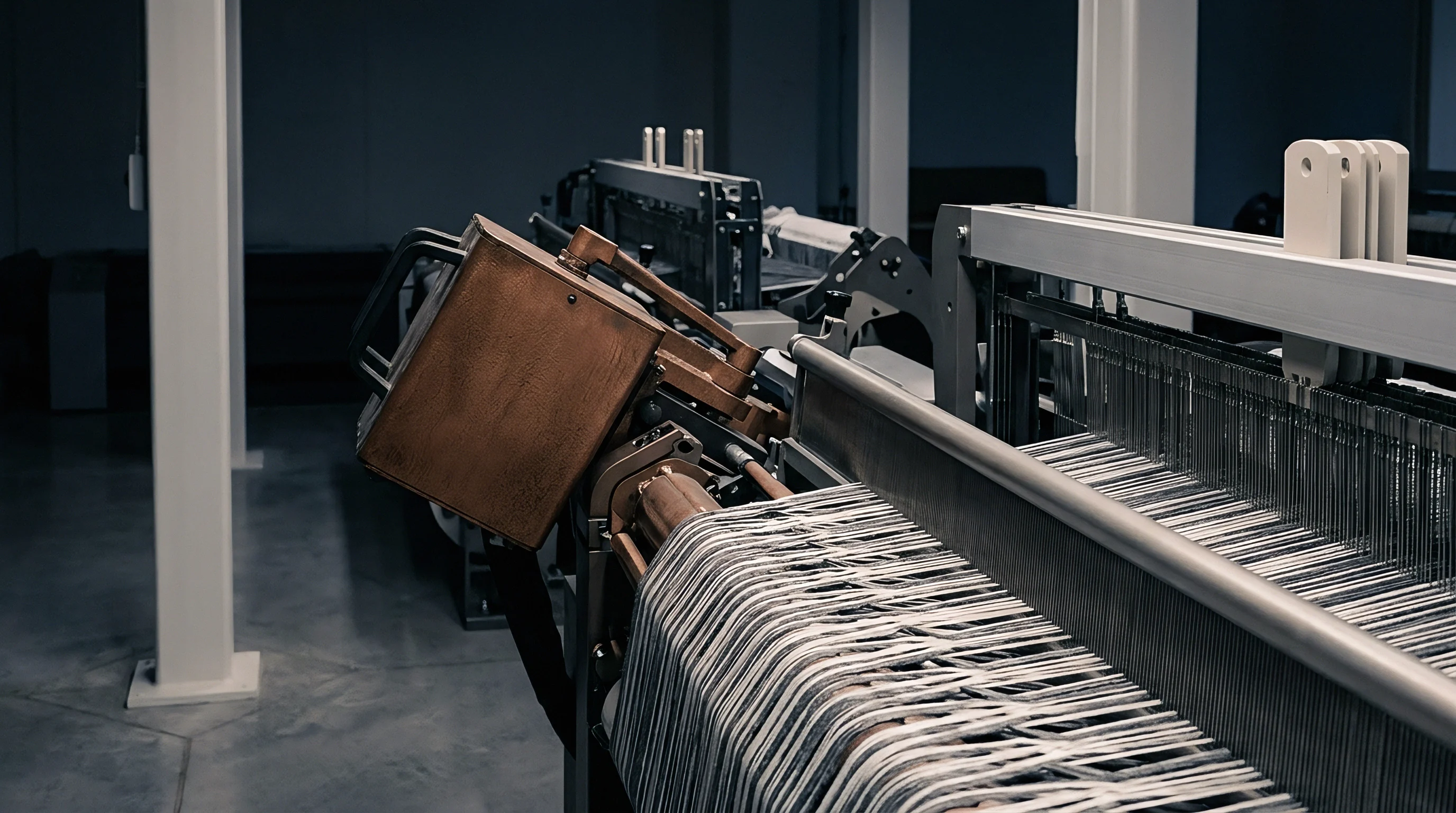
Commercial textile yarns carry noticeable quantities of non-fibrous matter introduced during spinning, twisting, winding, and sizing. Raw fibers also arrive with their own natural impurities ~ cotton waxes, pectins, seed fragments, suint, and lanolin. Mills then layer on synthetic spinning oils, antistatic lubricants, knitting waxes, coning oils, and starch or polyvinyl alcohol sizes to keep filaments from snapping at high running speeds.
When customs laboratories assess raw, grey, or finished yarn shipments for tariff classification by fiber mass without first stripping these additives, the resulting weight percentages are distorted from the start.
Under ISO 1833-1 and corresponding customs testing directives, quantitative chemical analysis requires the complete removal of non-fibrous matter before selective solvents are applied to dissolve individual fiber types. An effective solvent extraction removes applied finishes and natural waxes without dissolving or degrading the underlying polymers. If this pre-treatment step is omitted, the additives register as dry fiber mass.
That inflated baseline shifts the calculated proportions across every component in a blend, directly triggering tariff misclassifications, incorrect duty rates, and penalty audits.
Composition of NonFibrous Additives in Commercial Yarns
The non-fibrous fraction varies considerably depending on fiber origin, yarn structure, and processing route. Spun cotton yarns typically carry between 0.5 percent and 2.5 percent natural fats and waxes by weight, in addition to processing lubricants. Synthetic continuous filament yarns are coated with spin finishes ~ blends of mineral oils, fatty acid esters, polyoxyethylene alkyl ethers, and silicone fluids ~ applied at levels ranging from 0.3 percent to 1.5 percent.
Sized warp yarns show the highest additive loading, with total size solids between 5.0 percent and 18.0 percent consisting of modified corn starch, carboxymethyl cellulose, polyvinyl alcohol, and tallow waxes.
Isolating these residues requires a solvent system matched to the polarity of the target compound. Light petroleum ether strips out neutral fats, mineral oils, paraffin waxes, and synthetic lubricants. Dichloromethane dissolves a wider array of polar lubricants, oxidized waxes, and specific resinous processing aids.
Water washes clear out water-soluble sizing agents, suint, and polyglycol lubricants that resist organic solvents. Customs protocols prescribe single-stage or sequential solvent regimes based on the declared blend and expected finish types.

Spinning Oils Wax Emulsions and Synthetic Sizes
Spinning lubricants reduce metal-to-fiber and fiber-to-fiber friction through drafting and twisting. Ring-spun cotton relies on emulsified vegetable oils or paraffinic hydrocarbons to keep fibers from lapping the rolls. Rotor-spun yarns often pick up heavier wax loads from paraffin discs during high-speed take-up.
Synthetic filaments require complex spin finishes with antistatic agents, anti-sloughing compounds, and thermal stabilizers engineered to survive texturing temperatures above 200 degrees Celsius.
Warp sizing creates a dense matrix that generally calls for a two-stage extraction. Polyvinyl alcohol sizes form tough, water-resistant films once heat-set onto polyester-cotton blends. Hot water washing at 85 degrees Celsius to 95 degrees Celsius, paired with enzymatic desizing via alpha-amylase for starch fractions, dissolves this polymeric skin after an initial organic solvent wash removes fatty and waxy binders.
Skipping the hot water phase leaves size solids on the yarn, inflating the measured weight of whichever fiber survives chemical separation.
Accumulated Finish Residues across Spinning Systems
The spinning method determines both the concentration and physical distribution of finish within the yarn. In ring-spun yarns, lubricants stay mostly on the outer fibers, where solvents penetrate quickly. Compact-spun yarns pack fibers much tighter, requiring longer reflux times to draw entrapped waxes out of the core.
Open-end rotor yarns concentrate paraffin wax within the outer wrapper fibers, whereas air-jet yarns combine surface spin finish with internal lubricants forced into the bundle during vortex formation.
| Yarn Type | Dominant Residue Class | Typical Mass Fraction Range | Standard Solvent Selection | Extraction Temperature |
|---|---|---|---|---|
| Carded Cotton Ring Spun | Natural wax, fatty acids, pectin | 0.8% to 1.8% | Light petroleum ether | 40°C to 60°C |
| Polyester Continuous Filament | Ethoxylated esters, mineral oil finish | 0.4% to 1.2% | Dichloromethane | 39°C to 40°C |
| Warp Sized Poly-Cotton Blend | Starch, PVA, tallow wax, CMC | 6.0% to 16.0% | Petroleum ether then hot water | 40°C then 90°C |
| Scoured Wool Spun Yarn | Lanolin residue, suint, mineral oil | 1.0% to 3.5% | Dichloromethane or diethyl ether | 35°C to 40°C |
| Viscose Filament Yarn | Coning oil, antistatic agent | 0.5% to 1.5% | Light petroleum ether | 40°C to 60°C |
In technical yarn analysis, removing non-fibrous matter is the mandatory starting point for all composition verification protocols. Customs analysts must establish a clean dry baseline before attempting solubility-based fiber separations. Residual oils act as a barrier against selective chemical reagents: solutions of nitric acid, formic acid, zinc chloride, or cyclohexanone cannot wet oil-coated fibers uniformly, resulting in incomplete dissolution and inaccurate blend ratios.
Commercial sizing residues exceeding standard limits inflate dry fiber mass and distort quantitative chemical dissolve ratios.
Fiber substrates respond differently during solvent treatment. Natural cellulosic fibers hold non-fibrous impurities inside lumen cavities and across cell walls, slowing solvent exchange. Synthetics hold finishes primarily on smooth exterior surfaces, speeding up extraction kinetics.
The summary below categorizes typical extractable impurities by substrate and processing history.
- Cotton Natural Waxes consist of high molecular weight fatty alcohols, esters, and free fatty acids located within the primary cell wall that dissolve in warm petroleum ether.
- Wool Residual Grease includes lanolin esters, cholesterol, and suint salts requiring polar organic solvents like dichloromethane for full gravimetric removal.
- Synthetic Spin Finishes contain surface-active agents, mineral lubricants, and antistatic polyglycols that yield to ambient or refluxing dichloromethane treatments.
- Polyvinyl Alcohol Sizes present water-soluble polymeric films applied to warp yarns that require thermal water washing following initial hydrocarbon deoiling.
- Paraffin Winding Waxes leave low-melting hydrocarbon coatings on rotor-spun knitting yarns that readily extract in light petroleum fractions boiling between 40 degrees and 60 degrees Celsius.
Residual paraffin wax applied during winding does not volatilize during wet processing in a way that protects the fiber baseline, making solvent extraction necessary before composition testing.
Apparatus
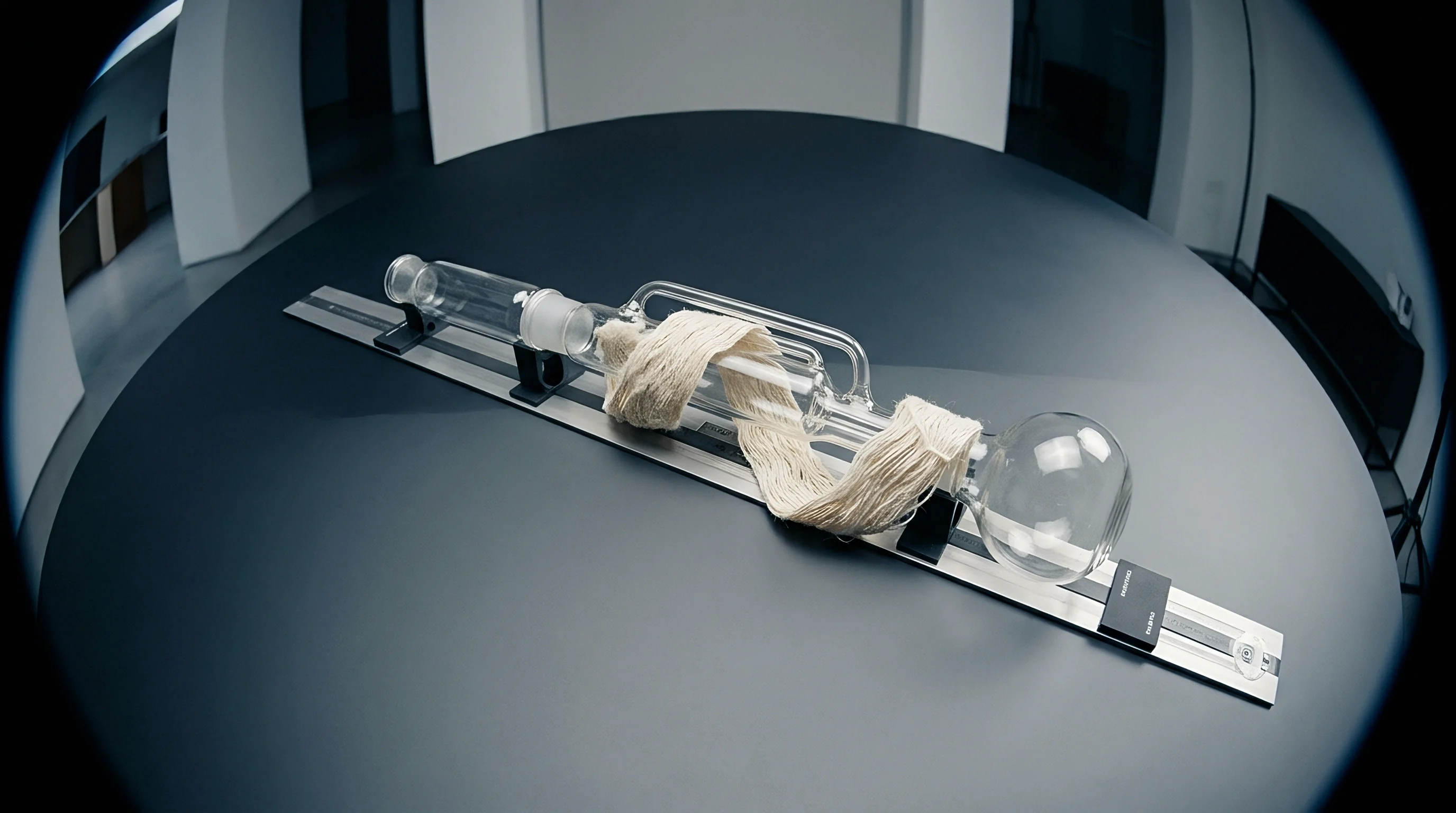
Analytical extraction relies on standardized glass Soxhlet assemblies or automated Soxtec units to cycle hot solvent continuously over yarn specimens. A manual Soxhlet consists of a boiling flask, an intermediate extraction chamber with an integrated siphon tube, and an overhead reflux condenser. Heat applied to the flask vaporizes the solvent, which rises to the condenser, liquefies, and drops into a porous thimble holding the yarn, with the choice of solvent dictating total extraction yield.
Once the solvent level in the chamber crests the siphon tube, the liquid drains back into the boiling flask carrying extracted oils with it. The cycle then repeats. Because the non-fibrous residues have higher boiling points than the solvent, they concentrate in the flask while pure, freshly distilled solvent returns to wash the specimen on every pass.
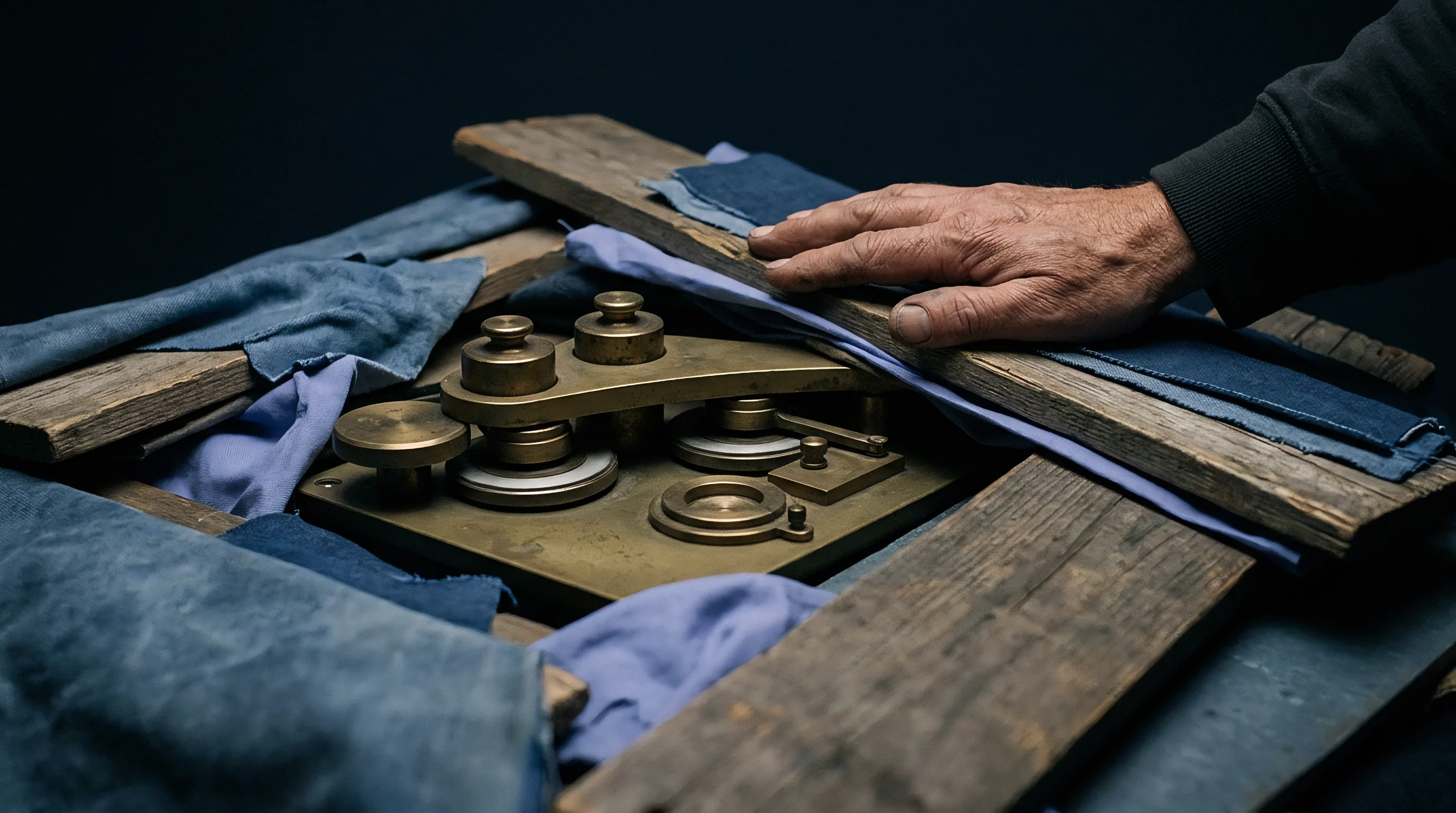
Standard Soxhlet Assembly and Rapid Extractor Configurations
Manual Soxhlet systems run at ambient pressure, completing 14 to 20 siphon cycles over two to four hours depending on yarn construction and finish chemistry. Many customs testing facilities use automated Soxtec units instead to accelerate the workflow. Soxtec instruments divide extraction into three distinct stages: boiling immersion, rinsing, and solvent recovery.
The sample thimble is lowered directly into boiling solvent first to dissolve oils rapidly, raised above the liquid for a siphon rinse, and finally isolated while the unit reclaims the solvent.
Automated Soxtec units cut processing time from four hours to under forty-five minutes without sacrificing gravimetric recovery. Precise mantle temperature control remains essential in both setups. Excess heat risks localized solvent boiling hazards, static accumulation, or thermal damage to heat-sensitive fibers such as elastane and polypropylene.
How Does Solvent Selection Shift Quantitative Blend Results?
Using the wrong extraction solvent introduces systematic errors into blend calculations. Light petroleum ether with a boiling range of 40 degrees Celsius to 60 degrees Celsius serves as the primary reference solvent under ISO 1833-1 for routine fat and wax removal. It clears non-polar oils and waxes without attacking synthetic fiber matrices or swelling cellulosic walls, and its low boiling point ensures clean evaporation during drying without triggering thermal oxidation.
Dichloromethane offers greater dissolving power for polar lubricants, oxidized waxes, and synthetic coning oils, making it the standard choice for textured polyester, polyamide, or high-grease wool yarns. It will, however, extract low-molecular-weight additives, oligomers, and plasticizers from specialized synthetics. When used on acetate, triacetate, or polyvinyl chloride fibers, dichloromethane swells or partially dissolves the substrate, corrupting dry mass measurements.
A 1:2 ethanol-toluene mixture dissolves stubborn sizes and cured resins effectively, but requires tight temperature monitoring to prevent cellulosic degradation.
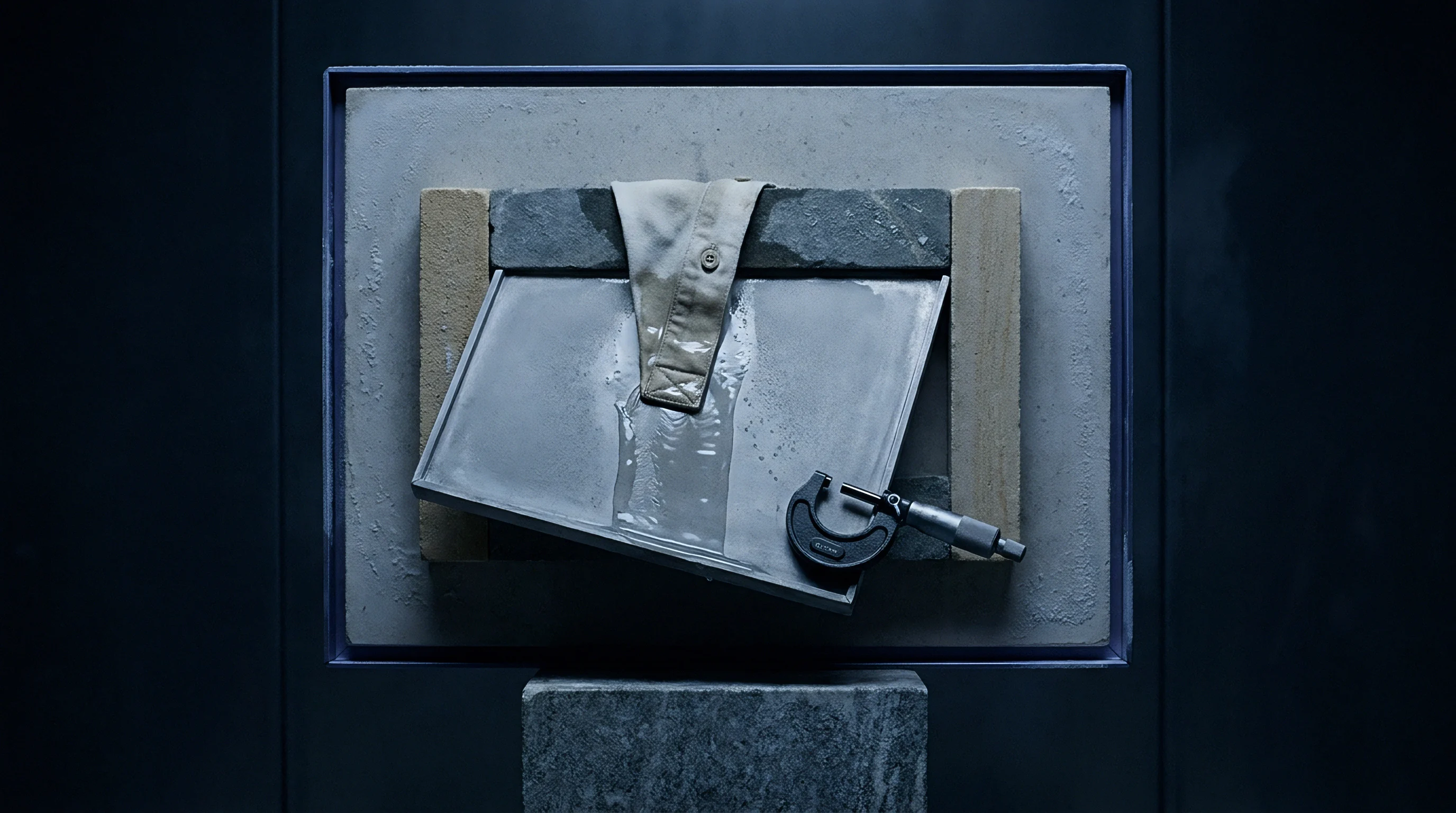
Solvent Thermodynamics and Boiling Point Constraints
Solvent thermodynamic properties determine siphon timing, safety controls, and specimen drying rates. Low-boiling solvents vaporize readily and generate frequent siphon flushes per hour. Solvents with higher boiling points demand more thermal energy, raising the likelihood of mass loss from heat-sensitive fibers.
| Solvent Name | Chemical Formula | Boiling Point Range | Residue Target Profile | Substrate Degradation Risk |
|---|---|---|---|---|
| Light Petroleum Ether | C5H12 to C6H14 mixture | 40°C to 60°C | Non-polar fats, paraffin, mineral oil | Negligible across standard fibers |
| Dichloromethane | CH2Cl2 | 39.8°C to 40.5°C | Polar oils, lanolin, silicone finish | Swells acetate, dissolves PVC fibers |
| Diethyl Ether | (C2H5)2O | 34.6°C | Natural fats, free fatty acids | High peroxide and flammability hazard |
| Ethanol-Toluene Mixture | C2H5OH / C6H5CH3 (1:2) | 78.3°C to 110.6°C | Resin sizes, heavy oxidized waxes | Extracts soluble dyes, alters acrylic mass |
| Deionized Water | H2O | 100.0°C | PVA size, starch, suint, water salts | Causes moisture swelling in wool and viscose |

Soxtec Automated Extraction Mechanics
Automated Soxtec units rely on aluminum or stainless steel heating blocks for uniform thermal contact with extraction cups. Analysts pack weighed yarn specimens into cellulose or glass-fiber thimbles and lock them into the upper extraction chamber. The run follows strict time and temperature settings to avoid solvent loss or sample scorching.
Standard operating procedures for Soxhlet extraction on unknown yarn samples follow a set laboratory sequence. The steps below reflect the reference method used in customs labs to isolate clean fiber prior to composition testing.
- Sample preparation requires conditioning the yarn sample in a standard atmosphere of 20 degrees Celsius and 65 percent relative humidity before cutting into short lengths between 5 millimeters and 10 millimeters.
- Specimen massing demands weighing approximately 2 to 5 grams of the prepared yarn specimen to an accuracy of 0.0001 grams inside an extraction thimble or glass weighing bottle.
- Apparatus assembly involves placing the filled extraction thimble into the Soxhlet extraction chamber, adding 150 milliliters of petroleum ether to the lower boiling flask, and securing the water-cooled reflux condenser.
- Heating mantle activation sets the thermal output to achieve a minimum reflux rate of 5 to 6 siphon cycles per hour throughout the extraction period.
- Siphon reflux execution requires running the continuous extraction system for 20 complete siphon cycles or a minimum duration of 2 hours.
- Solvent recovery involves removing the extraction thimble with preheated forceps, evaporating excess solvent from the thimble under a fume hood, and collecting residual solvent from the boiling flask.
- Oven drying mandates transferring the extracted yarn specimen into a ventilated drying oven set to 105 degrees Celsius plus or minus 2 degrees Celsius for a minimum of 2 hours.
- Desiccation cooling requires placing the dried specimen container inside an airtight desiccator containing fresh silica gel or diphosphorus pentoxide for 45 minutes until reaching room temperature.
- Final mass determination demands weighing the clean dry specimen on an analytical balance to 0.0001 grams to record the post-extraction baseline mass.
Following this protocol clears non-polar finishes without compromising the underlying fiber structure. Laboratory audits show frequent misclassifications caused by analysts using short extraction times on dense, high-twist yarns, which need extended siphon contact to draw finishes completely out of the yarn core.
Extracting cotton spun yarns with light petroleum ether at 40°C to 60°C for 20 reflux cycles yields a residue mass fraction within 0.15 percent of total specimen weight.
A properly scoured sample establishes an accurate dry baseline, whereas incomplete extraction almost invariably leads to blend-ratio disputes at the border.


Gravimetry
Analytical balance precision underpins the entire calculation of non-fibrous content. Testing laboratories work with calibrated single- or dual-range analytical balances reading to 0.1 milligrams. Because textile fibers absorb ambient moisture almost immediately, dry mass measurements require keeping the oven-dried sample inside sealed, ground-glass stoppered weighing bottles throughout weighing.
Exposing hot, dried yarn directly to room air causes rapid water uptake that registers on the balance within seconds. An open weighing bottle with 2 grams of dried cotton yarn can pick up 5 milligrams of moisture in two minutes at 65 percent relative humidity. Analysts therefore weigh specimens strictly inside sealed containers immediately after cooling in a desiccator.
Analytical Balance Requirements and Sample Drying Protocols
Bringing specimens to constant mass requires forced-air ventilated drying ovens with digital temperature control. The standard baseline under ISO 1833-1 is 105 degrees Celsius plus or minus 2 degrees Celsius. Thermally sensitive fibers need lower temperatures under reduced pressure: chlorofibres, elastolester, and low-melting polypropylene degrade or soften at 105 degrees Celsius, requiring vacuum drying at 50 degrees Celsius to 60 degrees Celsius over active desiccant.
Constant mass is confirmed when two successive weighings taken after an additional 60 minutes of drying differ by no more than 0.0005 grams or 0.05 percent of specimen mass. Incomplete drying leaves moisture trapped inside the fibers, artificially inflating the initial dry baseline and biasing all subsequent separation math.
Desiccation Mechanics and Volatile Loss Prevention
Desiccators provide a dry environment where hot weighing bottles can cool before analytical weighing. Typical desiccants include cobalt-indicating silica gel, molecular sieves, and diphosphorus pentoxide. Once the agent approaches water saturation, internal vapor pressure rises and moisture migrates back into the weighing vessel as it cools.
Volatile processing aids complicate gravimetric tracking. Low-molecular-weight lubricant fractions, antistatic carriers, and spinning solvent residues vaporize alongside moisture during oven drying at 105 degrees Celsius. The observed difference between conditioned mass and oven-dry mass therefore reflects both water and volatile finish loss.
Isolating oil content accurately requires running solvent extraction on an oven-dried sample or measuring moisture independently on a separate sub-specimen by Karl Fischer titration or oven drying.
| Error Mechanism | Potential Mass Impact | Analytical Cause | Corrective Control Measure |
|---|---|---|---|
| Ambient Moisture Regain | +0.2% to +1.5% specimen mass | Unsealed weighing bottle during balance reading | Weigh in ground-glass stoppered bottle immediately after cooling |
| Incomplete Extraction | +0.3% to +3.0% residual mass | Insufficient reflux cycles or low solvent volume | Enforce minimum 20 Soxhlet cycles or 45-minute boiling Soxtec protocol |
| Thermal Fiber Oxidation | -0.1% to -0.8% fiber mass | Oven temperature exceeding 107°C on sensitive fibers | Calibrate oven probes; use vacuum drying at 50°C for thermally sensitive yarns |
| Desiccant Saturation | +0.1% to +0.6% specimen mass | Exhausted silica gel allowing moisture ingress | Replace desiccant when color indicator signals water saturation |
| Solvent Residue Retention | +0.2% to +0.7% residue mass | Incomplete drying of high boiling solvent mixtures | Extend vacuum oven drying phase post-extraction |
Mass Determination and Constant Mass Criteria
Determining the percentage of clean dry non-fibrous matter requires exact gravimetric accounting, expressing extraction loss as a fraction of initial dry specimen weight. Letting m0 represent initial oven-dry mass before extraction and m1 the oven-dry mass after solvent extraction and rinsing, the dry non-fibrous matter percentage Pd follows:
Pd = fracm0 – m1m0 × 100
When reporting non-fibrous matter relative to commercial or conditioned lot mass, the calculation incorporates standard moisture regain values. Clean dry fiber mass governs tariffing. If an initial dry mass m0 measures 2.4512 grams and the post-extraction dry mass m1 is 2.4108 grams, the extracted matter equals 1.648 percent, which customs laboratories report rounded to 1.6 percent.
To prevent customs disputes, testing specifications require light petroleum ether extraction prior to quantitative chemical separation. Rigorous gravimetric control clears baseline errors before selective dissolution begins, preventing unextracted oils from altering fiber solubility rates during chemical separation.
Analytical balances lose precision when weighing warm bottles exposed to ambient humidity gradients.
Unaccounted paraffin wax extraction loss in rayon-cotton shipments can alter blend baselines enough to trigger reclassification and substantial duty adjustments.

Allowance
Calculating official blend percentages for tariff assignment requires converting clean dry fiber masses into commercial masses by adding statutory moisture regain allowances. International trade schedules and ISO 6741 assign fixed regain percentages to every fiber group. Because natural fibers hold substantially more equilibrium moisture than synthetics, applying these statutory allowances shifts the mass proportions of the blend components away from their dry ratios.
Customs authorities classify blended yarn by the fiber that predominates by commercial weight. Under Section XI Note 2A of the Harmonized Tariff Schedule, a yarn testing at 50.1 percent polyester filament and 49.9 percent cotton spun fiber falls under Chapter 55 as a synthetic yarn. If that same yarn has a clean dry ratio of 50.5 percent cotton to 49.5 percent polyester, applying standard regain factors flips the dominant fiber entirely, because cotton carries an official regain allowance of 8.5 percent while continuous polyester filament carries only 1.5 percent.

Standard Moisture Regain Adjustments and Clean Dry Mass
Blend calculations start by removing all non-fibrous matter to find the clean dry mass of each fiber component. Once chemical separation isolates dry component A (mA) and dry component B (mB), the analyst applies official regains RA and RB. Commercial masses CA and CB are determined by:
CA = mA × left(1 + fracRA100right)
CB = mB × left(1 + fracRB100right)
The commercial mass share of component A equals CA divided by the total commercial mass (CA + CB), multiplied by 100. Conventional regain percentages prescribed under customs schedules and ISO 6741 include:
- Cotton Combed or Carded carries an official conventional moisture regain allowance of 8.50 percent.
- Wool Spun Yarn retains a conventional moisture regain allowance of 17.00 percent for carded yarn and 18.25 percent for combed yarn.
- Viscose Rayon Fiber holds an official conventional moisture regain allowance of 13.00 percent.
- Polyester Staple and Filament carries a low conventional moisture regain allowance of 1.50 percent.
- Polyamide Nylon 66 retains an official conventional moisture regain allowance of 4.00 percent.
- Acrylic Staple Fiber carries a conventional moisture regain allowance of 2.00 percent.
Commercial Mass Calculations under ISO 6741
Consider a 50/50 declared cotton and polyester ring-spun knitting yarn submitted for customs verification. The laboratory takes a 5.0000 grams raw specimen. Solvent extraction clears 0.1500 grams of non-fibrous paraffin finish, leaving 4.8500 grams of clean dry yarn.
Chemical dissolution with 75 percent sulfuric acid dissolves the cotton, leaving the polyester residue intact.
The laboratory weighs 2.3800 grams of dry polyester residue (mPoly) and calculates dry cotton mass (mCotton) by difference (4.8500 grams total minus 2.3800 grams polyester), arriving at 2.4700 grams of dry cotton. On a clean dry basis, cotton represents 50.93 percent and polyester represents 49.07 percent of the specimen.
Applying the standard regains ~ 8.5 percent for cotton and 1.5 percent for polyester ~ yields a commercial cotton mass of 2.6800 grams (2.4700 × 1.085) and a commercial polyester mass of 2.4157 grams (2.3800 × 1.015), producing a total commercial yarn mass of 5.0957 grams.
Converting these figures to commercial percentages places cotton at 52.59 percent (2.6800 / 5.0957 × 100) and polyester at 47.41 percent (2.4157 / 5.0957 × 100). The moisture regain adjustment increases cotton’s share by 1.66 percentage points above its dry baseline, shifting tariff classification squarely into Chapter 52 cotton yarns.
Customs Tariff Classification Impact of NonFibrous Corrections
Border laboratories routinely retest contested shipments where classification shifts on a fraction of a percent. If a laboratory omits the initial extraction of a 3.0 percent wax finish, the unextracted finish remains on the insoluble polyester residue, inflating its dry mass reading to 2.5300 grams instead of 2.3800 grams.
Applying regain factors to those uncorrected masses gives an apparent commercial polyester weight of 2.5680 grams and a cotton weight of 2.5172 grams, generating an erroneous blend ratio of 50.48 percent polyester to 49.52 percent cotton. That error reclassifies the yarn under tariff code 5509.53 as predominantly synthetic, incurring higher ad valorem duties and potential trade remedy surcharges.
ISO 6741 mandates the subtraction of clean dry non-fibrous matter prior to applying official moisture regain allowances for tariff duty determination.
Customs auditors follow a structured sequence when evaluating yarn blend declarations. The checklist below summarizes the verification checkpoints applied to laboratory extraction dossiers.
- Verify NonFibrous Mass Fractions to ensure total extracted oils, waxes, and sizes fall within acceptable trade tolerances for the declared yarn category.
- Confirm Solvent Compatibility with all declared fiber components to prevent partial structural polymer dissolution during the pre-treatment phase.
- Check Constant Mass Logs to audit whether drying times and desiccator storage durations met ISO 1833 precision thresholds.
- Audit Regain Calculation Tables to verify that official conventional regain factors were applied to clean dry masses rather than raw specimen weights.
- Compare Tariff Threshold Boundaries to identify whether the calculated commercial composition crosses major chief-weight classification boundaries between Harmonized Tariff Schedule chapters.
Section XI Note 2A of the Harmonized Tariff Schedule specifies that goods classifiable under two or more textile materials are classified as consisting wholly of that one material which answers to the material dominating by weight after clean dry non-fibrous removal.

Variance
Interlaboratory variance in non-fibrous extraction data frequently sparks disputes between importers, commercial testing houses, and customs border laboratories. Discrepancies stem from slight differences in solvent purity, siphon cycling rates, oven airflow, and balance room humidity control. ISO 1833-1 sets an interlaboratory reproducibility limit of plus or minus 1.0 percentage point for standard quantitative separations.
When a border lab measures 3.2 percent non-fibrous content on a yarn declared with 1.0 percent finish, the importer faces misdeclaration citations. Retesting protocols require drawing duplicate samples from sealed customs reserve lots using sampling plans aligned with ISO 2859-1. Testing single packages fails to represent lot-wide variation, as exterior yarn layers on bobbins pick up more environmental oils and dust than interior windings.
Discrepancy Resolution and Border Retesting Procedures
Resolving border test discrepancies requires auditing the specific extraction parameters used during the initial run. Differences between manual Soxhlet and automated Soxtec units account for measurable variance in finish yields: Soxtec systems running under mild internal pressure can extract low-molecular-weight oligomers that atmospheric Soxhlet reflux leaves behind. This extra mass loss lowers the apparent dry residue weight, shifting the calculated blend ratio.
Importers disputing customs findings typically file administrative appeals requesting secondary testing by an accredited independent laboratory. The review must mirror the exact solvent, temperature, and regain sequence specified in the reference method. If the secondary review reveals procedural errors ~ such as omitting hot water desizing on PVA-sized warp yarns ~ the original customs finding is set aside.
Interlaboratory Variation and round Robin Tolerances
Round-robin trials show systematic interlaboratory variance caused by moisture regain during analytical weighings. Facilities in humid climates operating without dedicated HVAC controls show wider dry mass dispersion than laboratories operating under stable ISO 139 standard atmospheres of 20 degrees Celsius and 65 percent relative humidity.
Extractable levels below 0.5 percent push the quantitation limits of standard balances when using 2-gram specimens. To minimize gravimetric error on low-finish yarns, laboratories increase sample mass to 10 grams, reducing relative weighing error fivefold while sizing up extraction thimbles and solvent charge accordingly.
Commercial Defense of Customs Audit Findings
Protecting import entries against tariff reclassification requires compiling a complete technical audit dossier before cargo arrival. The file should include certified mill test reports detailing spin finish formulations, complete ISO 1833 extraction sheets, and retained companion samples from the same production lots. When customs authorities query a declaration, having verified pre-shipment Soxhlet data on hand limits financial exposure and speeds resolution.
Tariff appeals turn on whether testing strictly followed published standards. If a customs laboratory substitutes acetone for petroleum ether without authorization in the directive, the resulting data loses evidentiary weight in classification proceedings. Importers who verify laboratory extraction methods preserve their declared tariff classifications and successfully recover duty deposits on contested entries.
Whether international customs authorities will accept automated Soxtec extraction methods as equal equivalents to traditional Soxhlet glass apparatus extractions across all synthetic elastomeric yarn blends remains an open question in trade litigation.