Continuous Pad Dyeing Liquor Volume Control Methods for High Speed Ranges
High-speed pad dyeing liquor control requires ultra-low volume troughs and closed-loop radar dosing to eliminate tailing and shade drift across bulk runs.
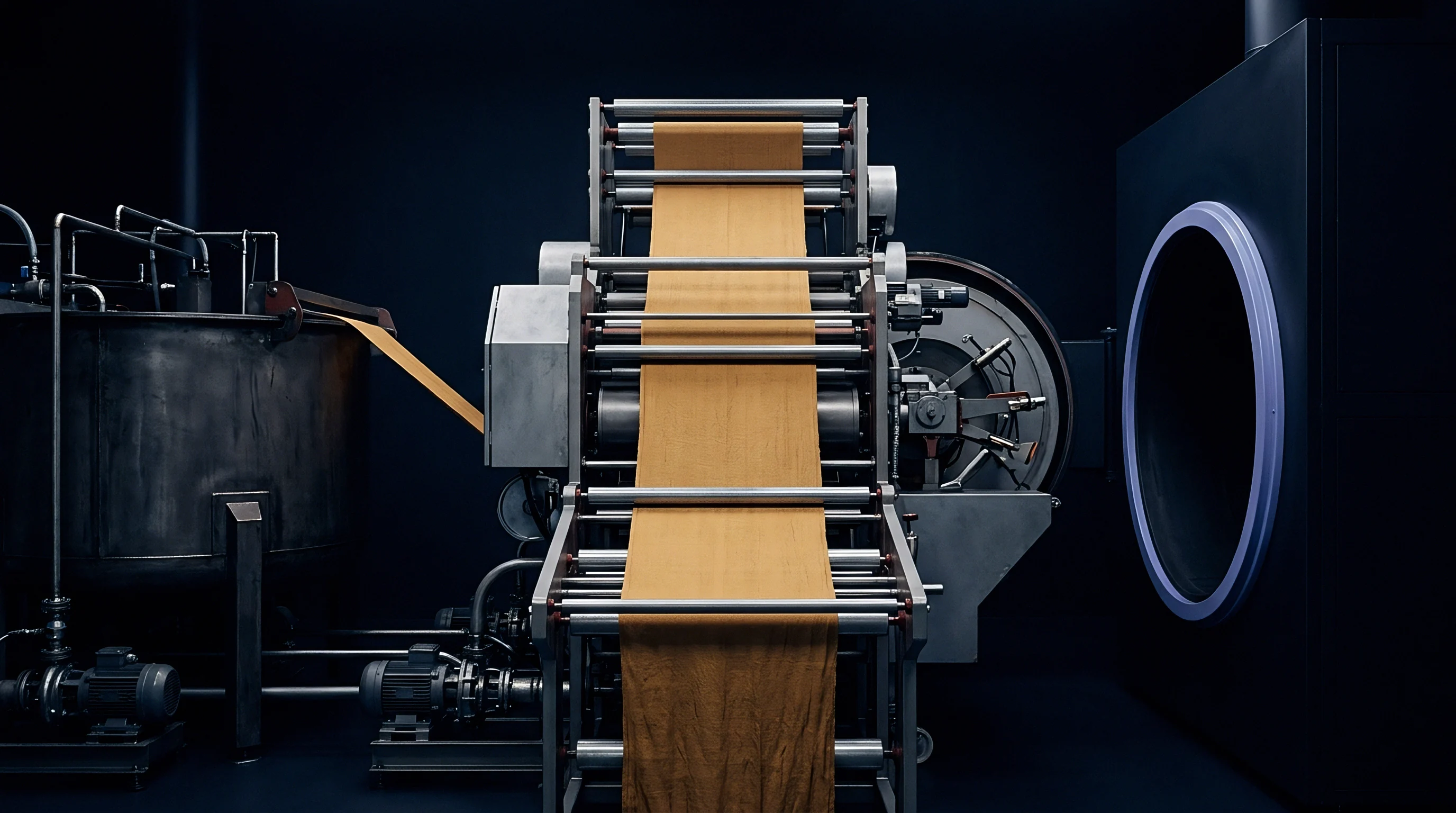
Trough
Continuous pad dyeing at line speeds between 60 and 120 metres per minute reduces the margin for fluid volume variation in the application bath to near zero. High fabric velocities carry substantial volumes of liquid out of the liquor basin on the substrate surface every second. When a dense 100% cotton twill running at 90 metres per minute carries a wet pickup of 68%, the liquor consumption rate reaches 18.3 litres per minute on a 1.8-metre wide range.
If the active liquor bath volume stands at 40 litres, the entire bath turns over every 131 seconds. Under these conditions, minor deviations in liquor level alter dye concentration, bath temperature, and active chemical equilibrium across the production run.
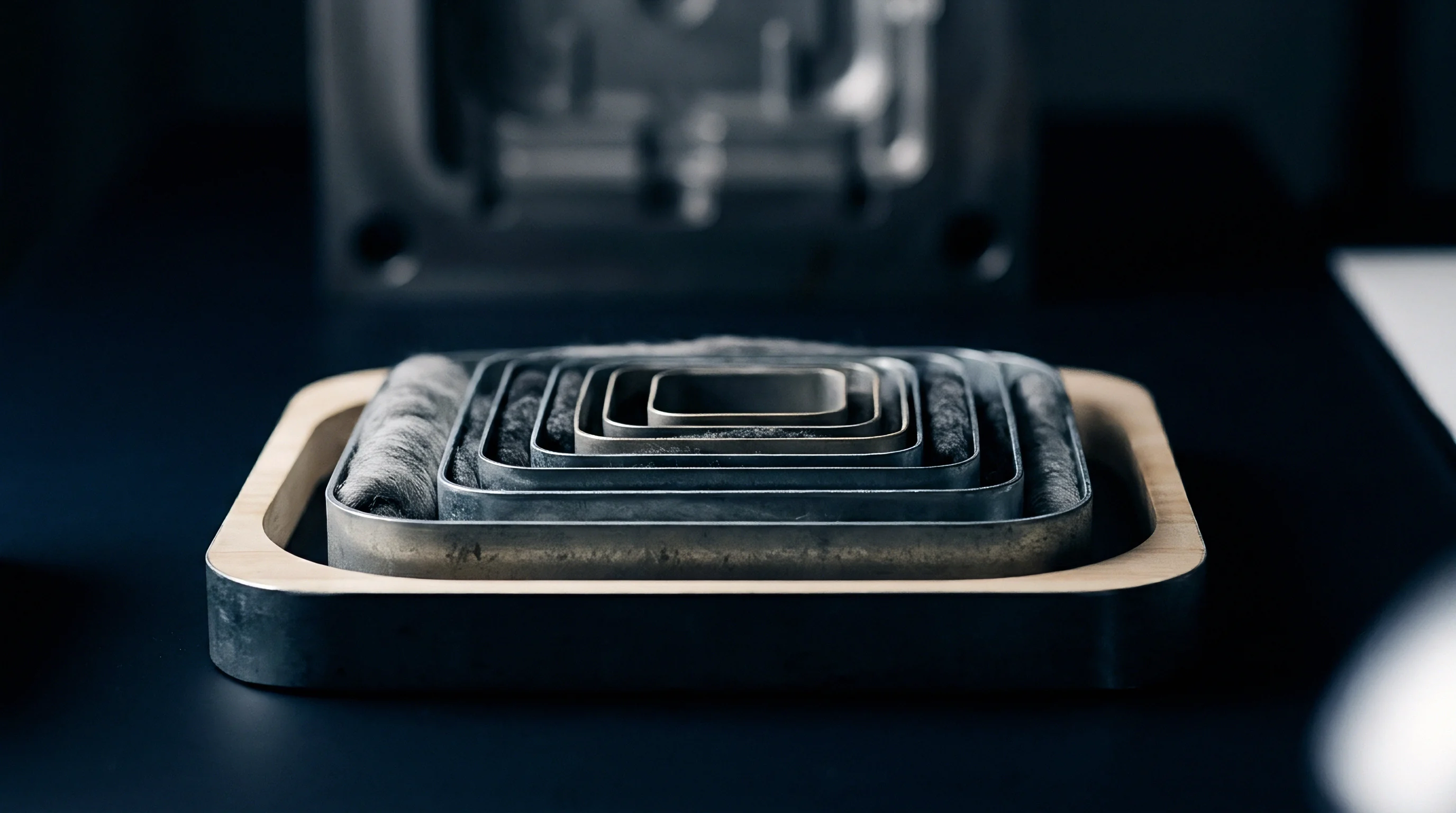
Liquor basin geometry governs both fluid replacement rates and hydrodynamic stability. Conventional high-volume troughs holding 60 to 100 litres create excessive liquor residence times at lower speed bands, leading to selective bath exhaustion when running reactive or disperse dye formulations with high substrate affinity. Conversely, ultra-low-volume troughs holding 10 to 15 litres with submersed displacement rollers minimize residence time to less than 45 seconds at high speeds.
This rapid turnover suppresses tailing, where the head of the fabric roll absorbs dye molecules faster than fresh liquor enters, causing continuous end-to-end shade drift across bulk lots.
Basin Geometry and Fluid Hydrodynamic Architecture
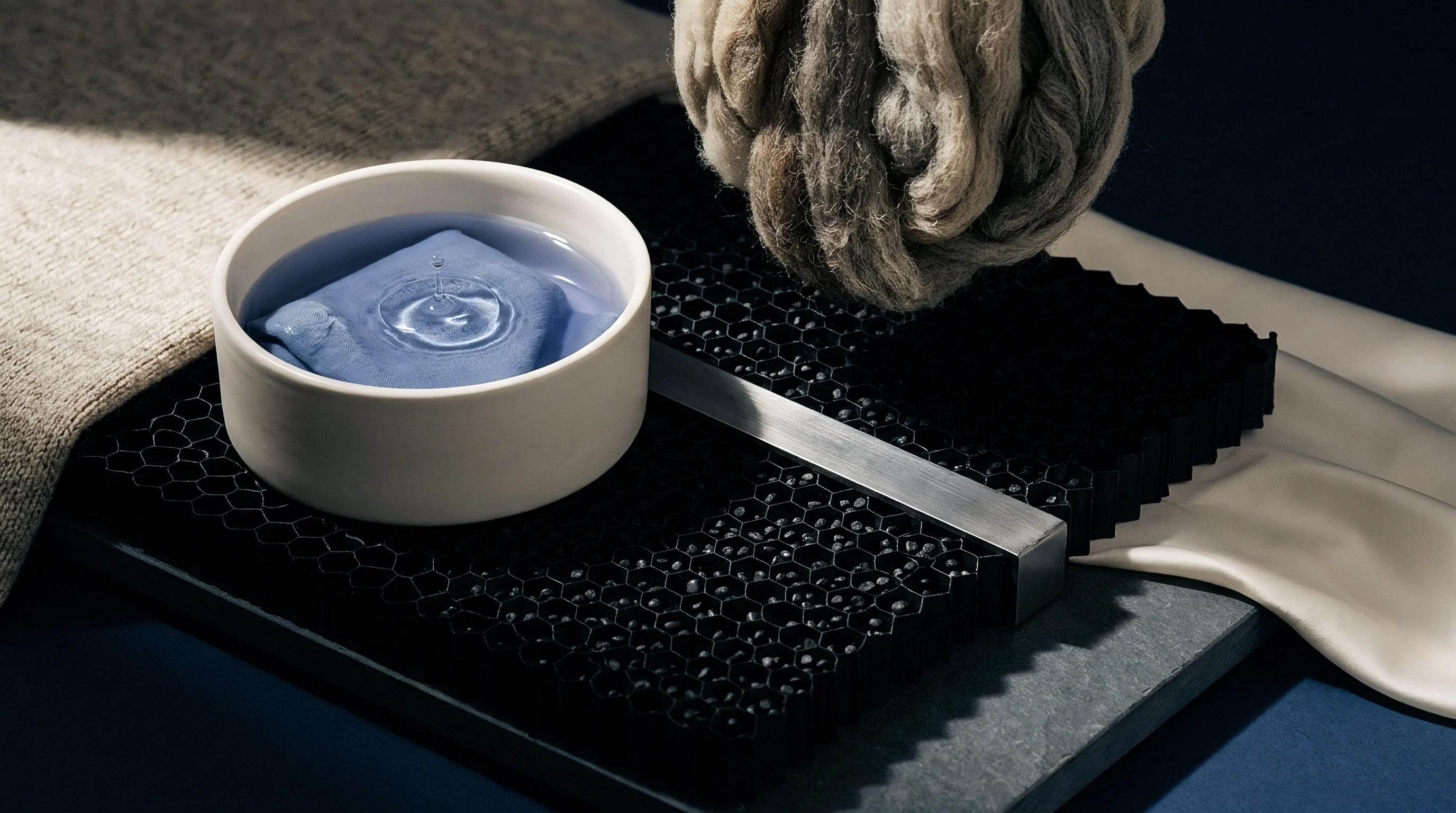
Mechanical design of the padding unit determines how liquid interacts with the moving web before entering the squeeze nip. V-shaped troughs with integrated displacement bodies reduce static fluid dead-zones where chemical precipitation or temperature drops occur. Fluid circulation pumps must maintain laminar flow patterns across the entire working width.
Excessive fluid turbulence introduces microscopic air bubbles into the bath, generating foam that creates light spots on finished woven fabric.
Contractual shade acceptance under ISO 105-J03 demands strict adherence to liquor volume tolerances, where a 5% volume drift voids supplier yield guarantees.
Squeeze roll arrangement relative to the liquor surface establishes the contact duration between textile and dye solution. Direct dip configurations force fabric through the bath before passing into a vertical nip, while horizontal nip arrangements utilize the nip wedge itself as a mini-reservoir. High-speed ranges frequently employ a combination of short immersion paths with low-volume troughs to maintain predictable dip-squeeze kinetics across variable line speeds.

Liquor Basin Design Parameters
Selecting the structural configuration for high-speed padding machinery depends on fiber composition, substrate weight, and dye class chemistry. Trough volume dictates dwell time.
- V-Shaped Displacement Troughs maintain fluid volumes under 15 litres across 2.0-metre working widths, forcing high turnover rates that prevent differential affinity tailing on cellulosic fabrics.
- Horizontal Nip Reservoirs eliminate separate dip tanks by holding dye solution directly between two contacting bowl rolls, reducing total working volume to under 8 litres for continuous filament synthetics.
- Submerged Displacement Rollers fill inner basin voids to restrict dead-zone fluid accumulation, keeping temperature uniform within 1.0 degree Celsius across the entire width.
- Integrated Recirculation Weirs spill excess surface liquor back into dosing loops, removing lint and micro-foam before fluid re-enters the active nip immersion area.
Mismanaging pad trough volume during continuous high-speed runs causes severe end-to-end shade variation that forces the rejection of entire dye lots at the inspection table.
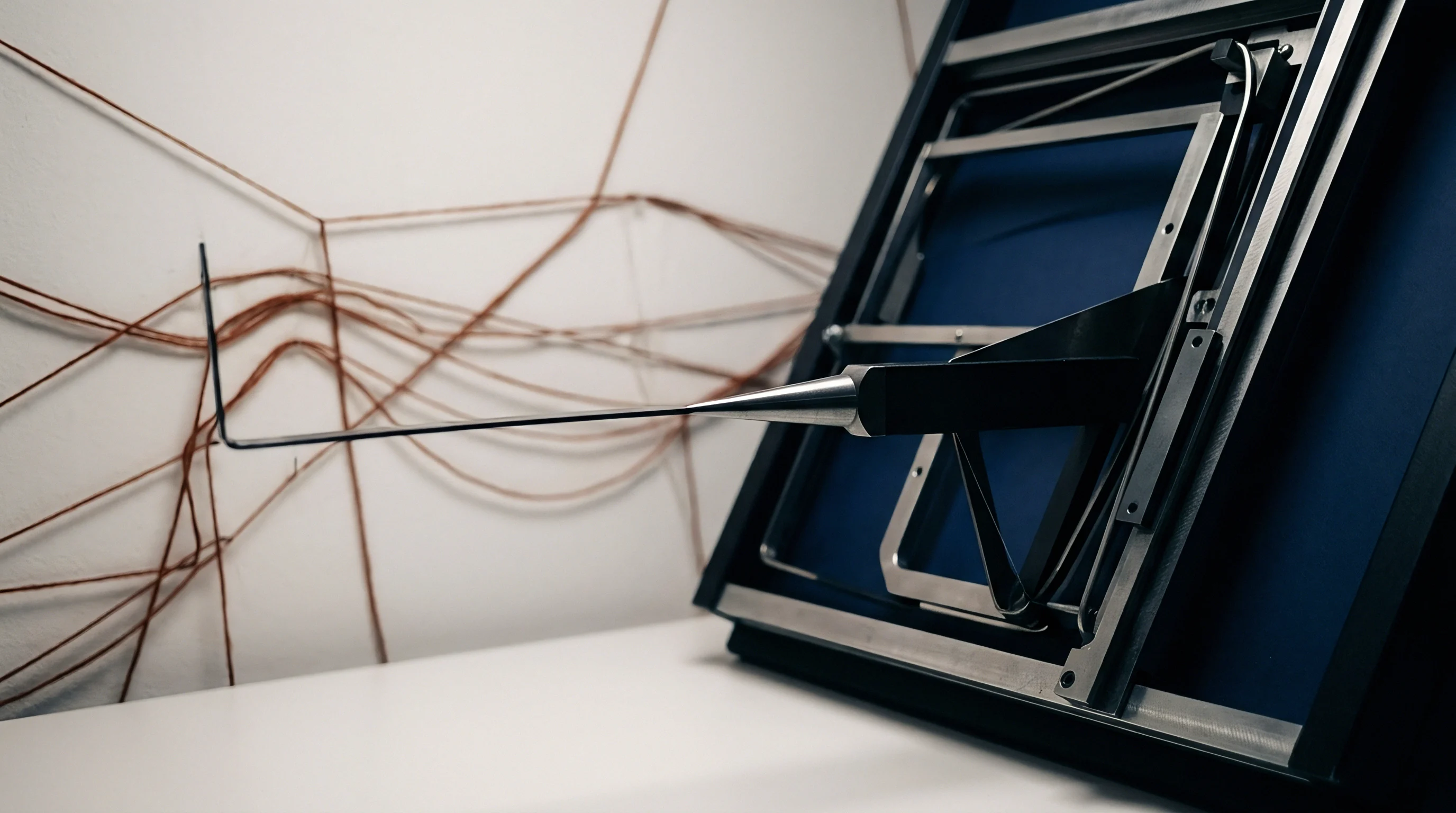
Replenishment
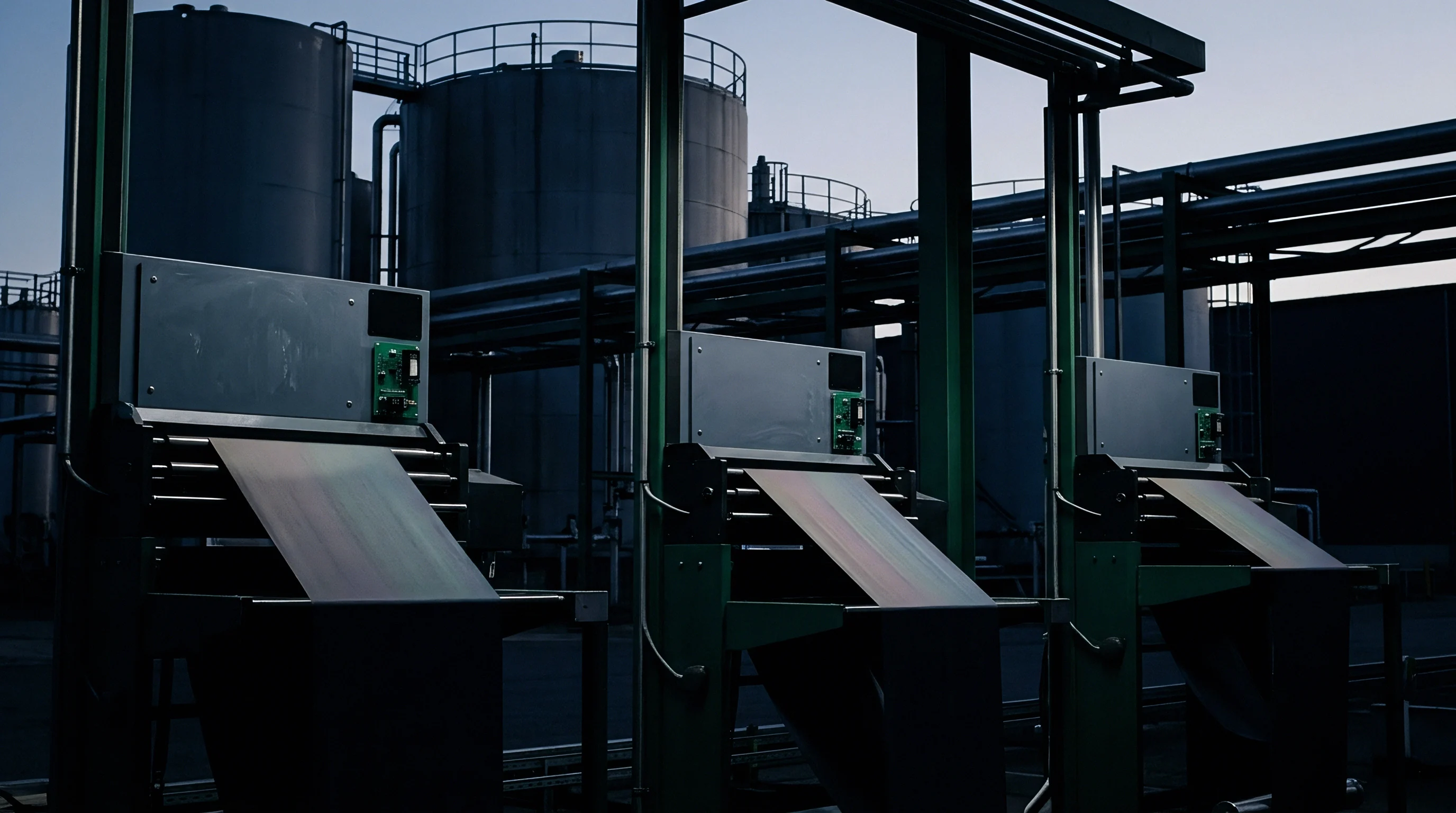
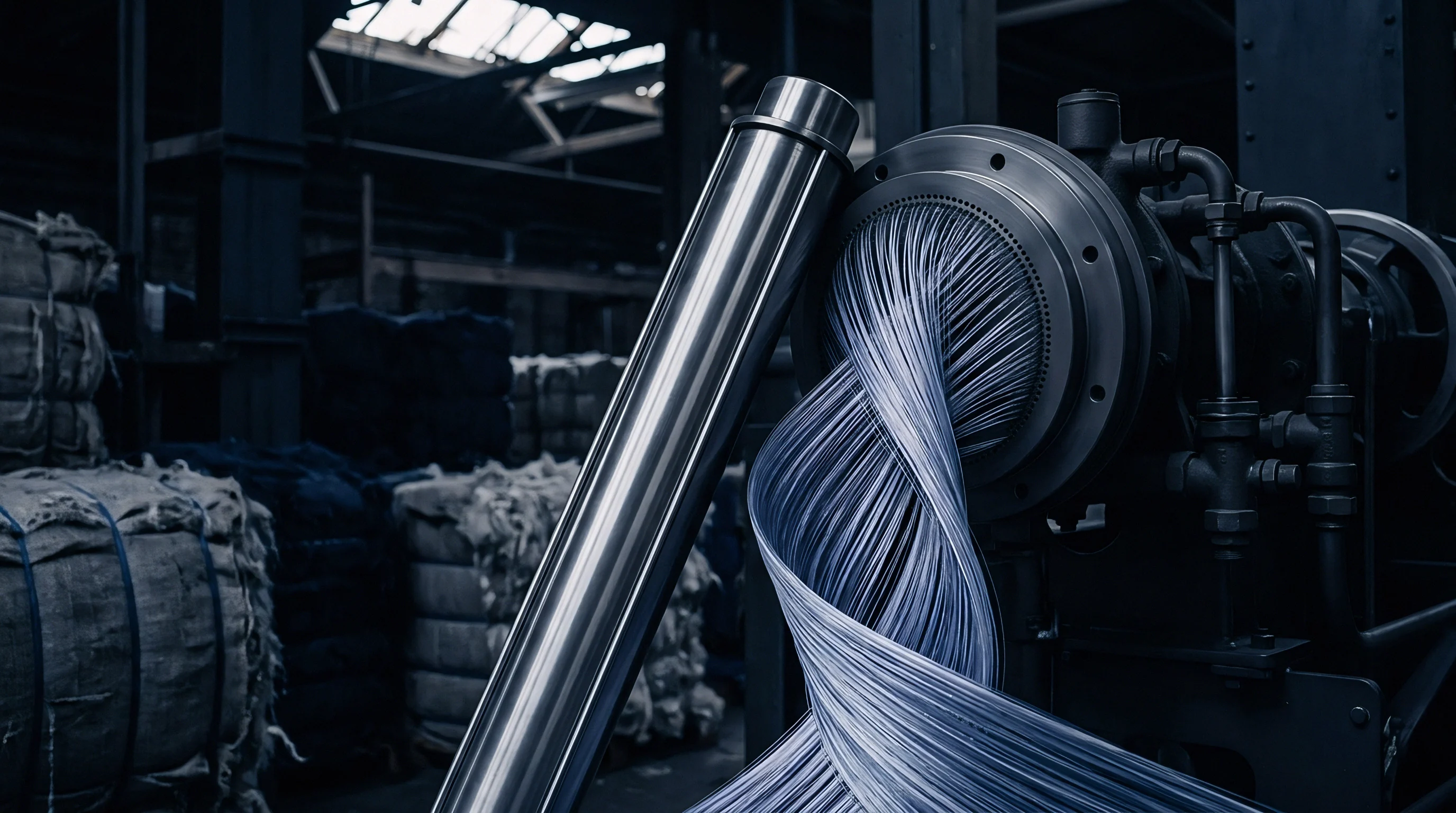
Automated dosing systems must match the precise volumetric extraction rate of the moving textile web in real time. Mechanical level floats and manual needle valves fail to respond quickly enough to line acceleration, decelerations, or fabric splice passages. Modern continuous ranges employ closed-loop dosing units driven by contactless level sensors paired with electromagnetic mass-flow meters.
These systems calculate instantaneous liquid consumption and adjust multi-component feed pumps within milliseconds.
Liquor replenishment relies on multi-channel dosing pumps that feed concentrated dye liquor, alkali or auxiliary chemicals, and water separately into a static mixer immediately before entering the padding basin. Storing fully mixed dye liquor leads to premature chemical hydrolysis when using reactive dyes, or particle aggregation when using disperse suspensions. Direct inline mixing maintains constant chemical potency right up to the point of fabric immersion.
Sensor Mechanics for Continuous Level Monitoring
Precise measurement of liquid depth inside low-volume basins requires non-contact sensor technologies capable of operating in hot, steam-filled environments containing chemical vapors. Radar sensors working at high frequency provide millimeter accuracy without physical contact with corrosive alkali or dye solutions. Ultrasonic sensors offer an alternative but remain vulnerable to localized air temperature gradients and surface foam spikes.
| Technology Type | Measurement Accuracy | Response Latency | Sensitivity to Foam | Maintenance Requirement |
|---|---|---|---|---|
| Guided Wave Radar | +/- 1.0 mm | < 50 ms | Negligible | Low |
| Non-Contact Ultrasonic | +/- 3.0 mm | 100-200 ms | High | Moderate |
| Conductivity Probes | +/- 5.0 mm | < 10 ms | High | High (Scale buildup) |
| Differential Pressure | +/- 2.0 mm | 100 ms | Low | Moderate |
Conductivity probe arrays offer ultra-fast electronic switching but suffer from chemical scaling and falsified readings when dense foam layers accumulate on the liquor surface. Differential pressure transducers mounted at the trough base provide reliable mass readings but require continuous density compensation when dye liquor formulas change during shade transitions.
Dosing Kinetics and Volume Calculations
Managing liquor equilibrium requires calculating the exact mass balance across the padding system. Fast lines demand rapid fluid dosing. Consider a worked scenario on a high-speed continuous line processing 100% cotton woven fabric.
Assume a fabric weight of 220 grams per square metre, running at a line speed of 80 metres per minute across a usable width of 1.6 metres. The dry fabric mass entering the range equals 28.16 kilograms per minute.
At a target wet pickup of 70%, the liquor delivery system must supply exactly 19.71 litres of mixed dye chemistry per minute under steady-state running conditions.
If the pad trough holds a static volume of 20 litres, the total liquor volume recharges completely every 60.8 seconds. If line speed accelerates to 100 metres per minute without altering nip pressure, wet pickup often decreases slightly due to reduced dwell time in the nip, shifting to 66%. The fabric mass throughput rises to 35.2 kilograms per minute, and liquor consumption changes to 23.23 litres per minute.
The automated dosing controller must instantly scale pump output by 17.8% while adjusting component dosing ratios to compensate for the lower pickup percentage, preserving the absolute weight of dye applied per kilogram of fiber.
Continuous Dosing Calibration Steps
Maintaining exact chemical stoichiometry across extended production runs requires strict systematic verification of metering accuracy.
- Calibrate mass-flow meters against physical weight measurements using deionized water at standard operating temperatures prior to mounting chemical supply lines.
- Establish static baseline voltage signals from the level sensor across the full depth range of the clean, dry pad trough.
- Verify dynamic response latency by injecting a measured 500 mL volumetric pulse into the basin while operating at target temperature and monitoring pump speed correction curves.
- Configure proportional-integral-derivative control loops to prevent pump hunting and volume overshoot during rapid line speed changes.
- Measure chemical supply line back-pressure across all dosing ports to eliminate back-flow or siphoning during standby modes.
Range equipment suppliers frequently claim their standard dosing controls manage high-speed variations automatically, yet field audits show these stock systems fail to compensate for fabric wet-pickup changes during speed transitions.
Hydrodynamics
Fluid motion within the squeeze nip and immersion zone dictates dye bath stability at high line velocities. As fabric passes through the liquor at speeds exceeding 70 metres per minute, it drags a boundary layer of fluid along its surface. This boundary layer creates hydrodynamic pressure waves inside the entry zone of the squeeze nip.
High hydrodynamic pressures can lift the fabric slightly off the bottom roll, altering total liquor pickup and forcing fluid sideways toward the selvages.
Differential pickup causes side-to-center shade variation. When liquid experiences higher hydrodynamic resistance at the center of a wide roll than at the edges, squeeze roll deflection compounds the issue. Variable nip pressure profiles across the face of the roll cause uneven fluid extraction, leaving the center of the fabric wetter or drier than the edges.
How Does Line Speed Shift Liquor Dwell Time?
Immersion duration drops drastically as line speed rises. At 30 metres per minute, a fabric path of 0.6 metres inside the trough yields a dwell time of 1.2 seconds. Accelerating the same range to 90 metres per minute cuts dwell time to 0.4 seconds.
Substrates require adequate time for air displacement from inner yarn interstices to allow complete, uniform liquor penetration.
Wetting agents stabilize capillary flow. When dwell times fall below 0.5 seconds, low-foaming non-ionic or anionic wetting agents must be added to lower surface tension below 30 mN/m. Without rapid wetting, the liquor remains on the outer yarn sheath, leading to ring dyeing where the fiber core remains un-dyed.
Subsequent washing cycles then cause severe shade loss and poor rubbing fastness.
High-Speed Padding Failure Modes
Physical dynamics at high line speeds introduce distinct defect patterns that differ from low-speed padding anomalies. Speed changes liquor dynamics.
- Hydrodynamic Wedge Levitation occurs when fluid boundary layers force squeeze rolls apart at high speeds, increasing wet pickup above specified target ranges.
- Cavitation Foam Generation develops behind high-speed submerged guide rollers, introducing air bubbles into the liquor bath that cause microscopic white specks on dyed goods.
- Selvage Fluid Build-Up happens when excess liquor is squeezed laterally, pooling along fabric edges and creating dark selvage-to-center shade gradients.
- Thermal Stratification arises in un-agitated deep troughs, where cold dosing liquor sinks to the basin floor and alters reaction rates across the fabric depth.
A useful operational guideline dictates that total bath volume in litres should never exceed one-third of the range speed in metres per minute to prevent liquor stagnation.
Dispersion
Chemical stability of the pad dye bath governs shade consistency and fastness properties. Dyes must remain perfectly suspended or dissolved throughout the application process. Continuous pad-dry and pad-steam ranges rely on stable dye dispersions that resist agglomeration when exposed to high shear forces in replenishment pumps and narrow squeeze nips.
Partially soluble dyes or coarse pigment suspensions undergo shear-induced aggregation under high-velocity flow. Larger dye particles settle out or deposit unevenly on the fabric surface, generating dark flecks or specking defects. Anti-migrant agents added to the liquor formulation increase wet-state viscosity once applied to the cloth, preventing dye particles from moving toward fabric surfaces alongside evaporating water during infrared pre-drying.
Fabric construction directly dictates liquor volume dynamics, as open weaves demand higher bath turbulence while high-density weaves drop wet pickup.
Substrate density alters absorption rates. Heavy, tightly woven fabrics absorb dye liquor primarily through mechanical entrapment between filaments rather than deep fiber swelling during short immersion windows. Squeeze roll hardness, measured in degrees Shore A, must be adjusted based on fabric weight and construction to control mechanical liquor expression.
Liquor Volume and Wet Pickup Control Systems
Managing the interplay between liquor volume, chemistry, and mechanical expression requires comparing different physical volume management methods on the dye line.
| Control Mechanism | Volumetric Range | Primary Mechanism | Shade Risk Factors | Suitability |
|---|---|---|---|---|
| Static Level Float Valve | 30 – 60 Litres | Mechanical displacement balancing inflow against gravimetric outlet | High tailing risk; delayed response to line speed changes | Low-speed ranges (< 40 m/min) |
| Dosing Loop with Radar Level | 10 – 20 Litres | Continuous non-contact depth sensing driving variable speed pumps | Minor risk during rapid deceleration phases | High-speed ranges (60-100 m/min) |
| Direct Nip-Wedge Injection | 3 – 8 Litres | Micro-volume fluid metering directly into contacting roll wedge | Requires precise edge sealing to prevent leakage | Ultra-high-speed ranges (> 100 m/min) |
| Recirculating Overflow Weir | 15 – 25 Litres | Constant volume overflow loop returning excess fluid to dosing tank | Potential foam build-up in return reservoir | Medium-to-high speeds on heavy goods |
Wet pickup drops at high velocity. Tight nip pressures reduce excess bath retention. Balancing liquor volume control with chemical stability guarantees shade reproducibility across different production lots.
Master supply agreements in commercial dyeing standardly stipulate compliance with ISO 105-J03 color measurement protocols, specifying that total shade variation across a 5,000-metre production run must not exceed a Delta E CMC 2:1 value of 0.8 relative to the approved laboratory master dip.
Receipt
Commercial verification of continuous dyeing performance requires complete integration of chemical consumption metrics, fabric yield data, and machine logging records. Invoices for wet processing services reflect not only raw material consumption but also machine efficiency and shade hit rates. Unstable bath volumes corrupt dye fixation.
When liquor volume control fails, the resulting shade variation forces costly strip-and-redye cycles or re-grading of first-quality goods into second-quality inventory.
Audit records expose uncalibrated pumps. Reviewing continuous range data logs allows sourcing engineers to cross-reference line speed curves against dosage pump frequencies and radar volume outputs. Discrepancies between theoretical chemical consumption and actual barrel drawdown indicate uncalibrated dosing hardware, leaking seals, or unrecorded liquor dumping between shade changes.
Establishing automated consumption receipts for every batch guarantees transparency, protecting buyers from paying for chemical waste caused by outdated dyehouse practices.
Final acceptance of continuous pad-dyed lots rests on verifying that bath parameters remained stable from the first metre to the last. Measuring shade uniformity at the head, middle, and tail of every batch, alongside chemical consumption logs, confirms that the range maintained hydrodynamic and volumetric equilibrium throughout the run.