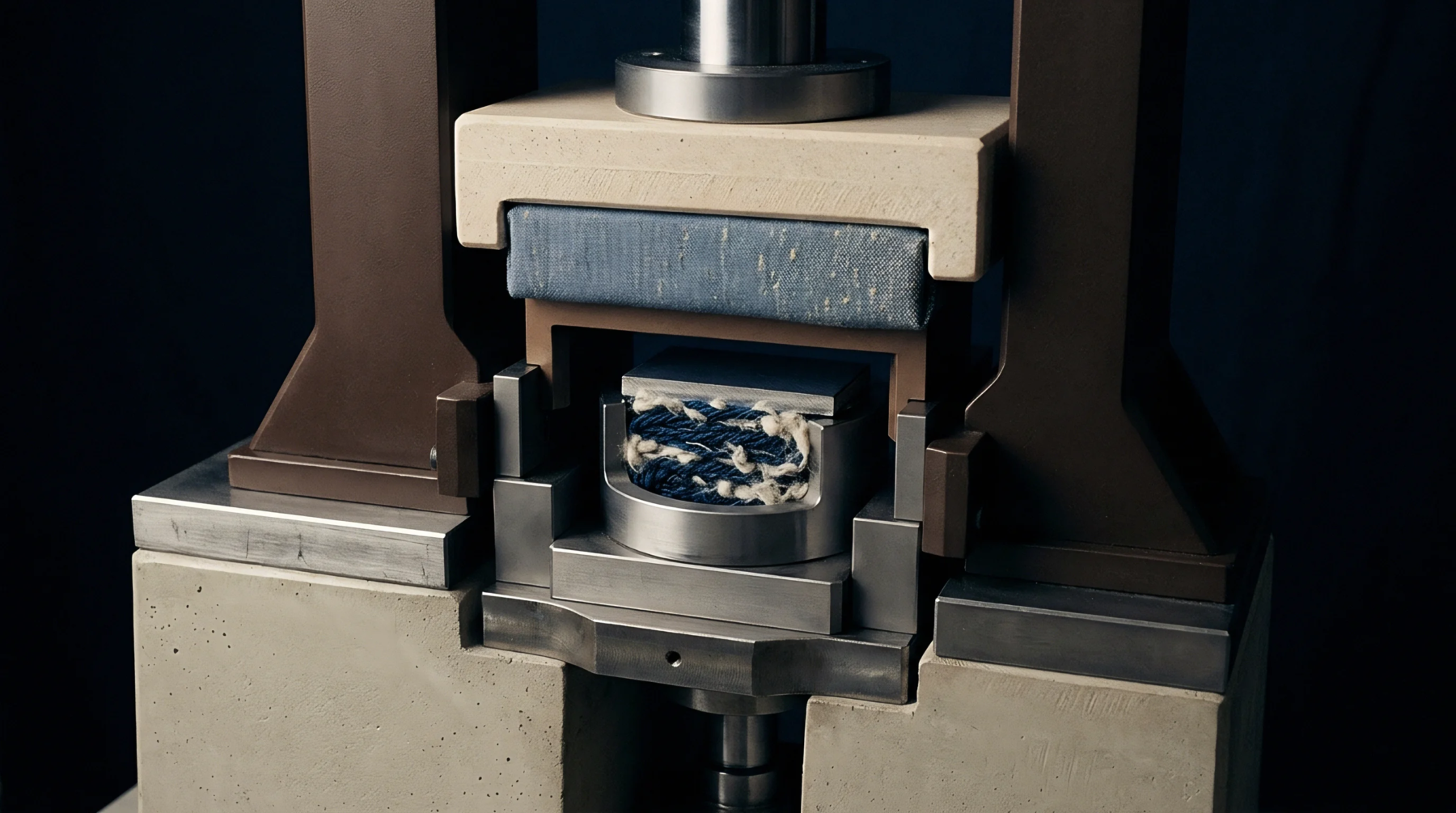
Mass Transfer Rate Drift in Heated Dye Pad Troughs under Variable Relative Humidity
Relative humidity drops accelerate solvent evaporation in heated pad troughs, concentrating liquor and causing head-to-tail shade drift in continuous dyeing.
Relative humidity drops accelerate solvent evaporation in heated pad troughs, concentrating liquor and causing head-to-tail shade drift in continuous dyeing.

High-speed pad dyeing liquor control requires ultra-low volume troughs and closed-loop radar dosing to eliminate tailing and shade drift across bulk runs.
Matching digital ink shear viscosity with controlled pad pick-up targets optimizes optical density and suppresses edge bleeding in high-speed printing.
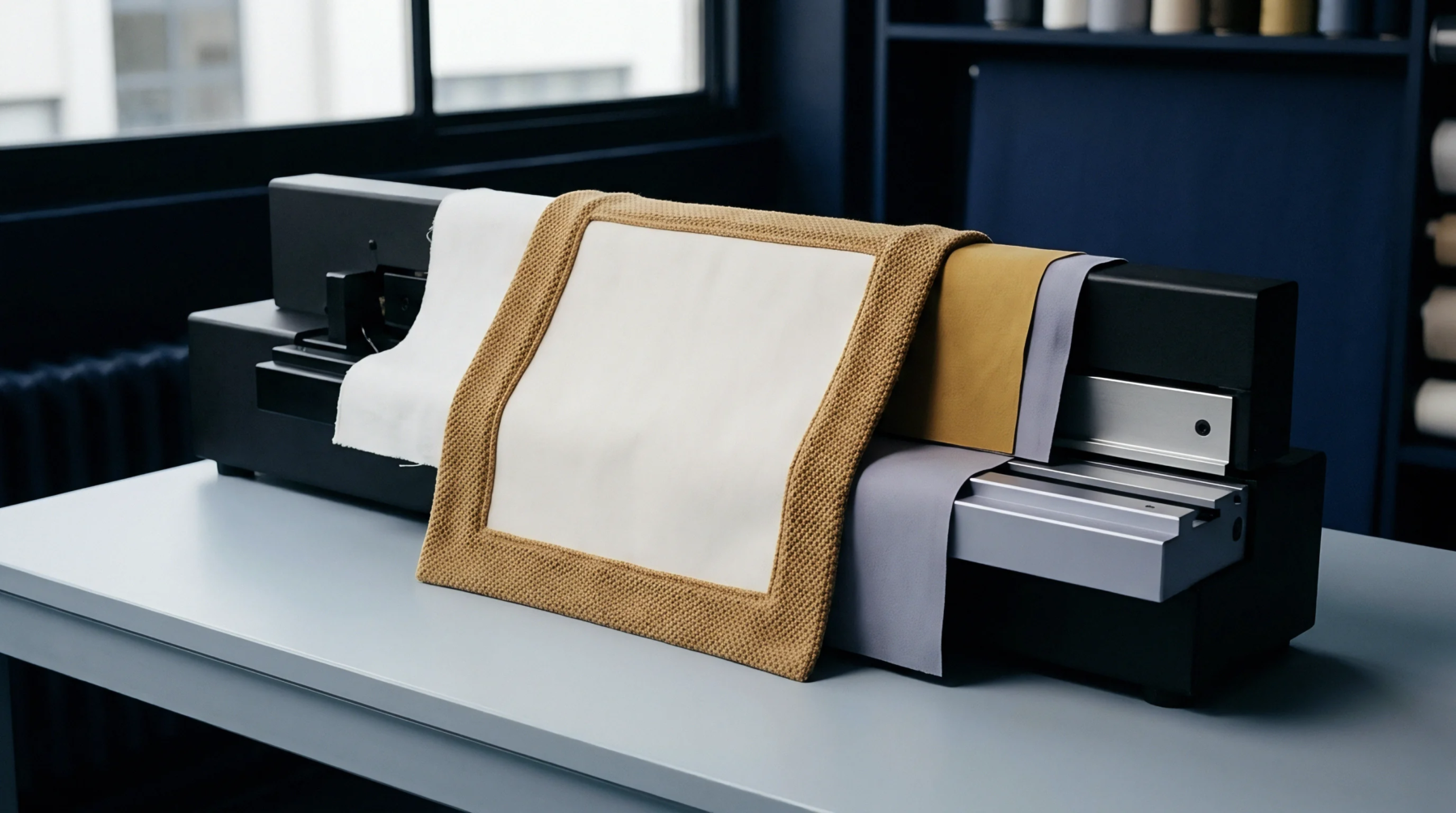
CIEDE2000 tolerances below 0.8 dE00 prevent visual metameric mismatches between garment shells and trims under D65 and retail LED illuminants.
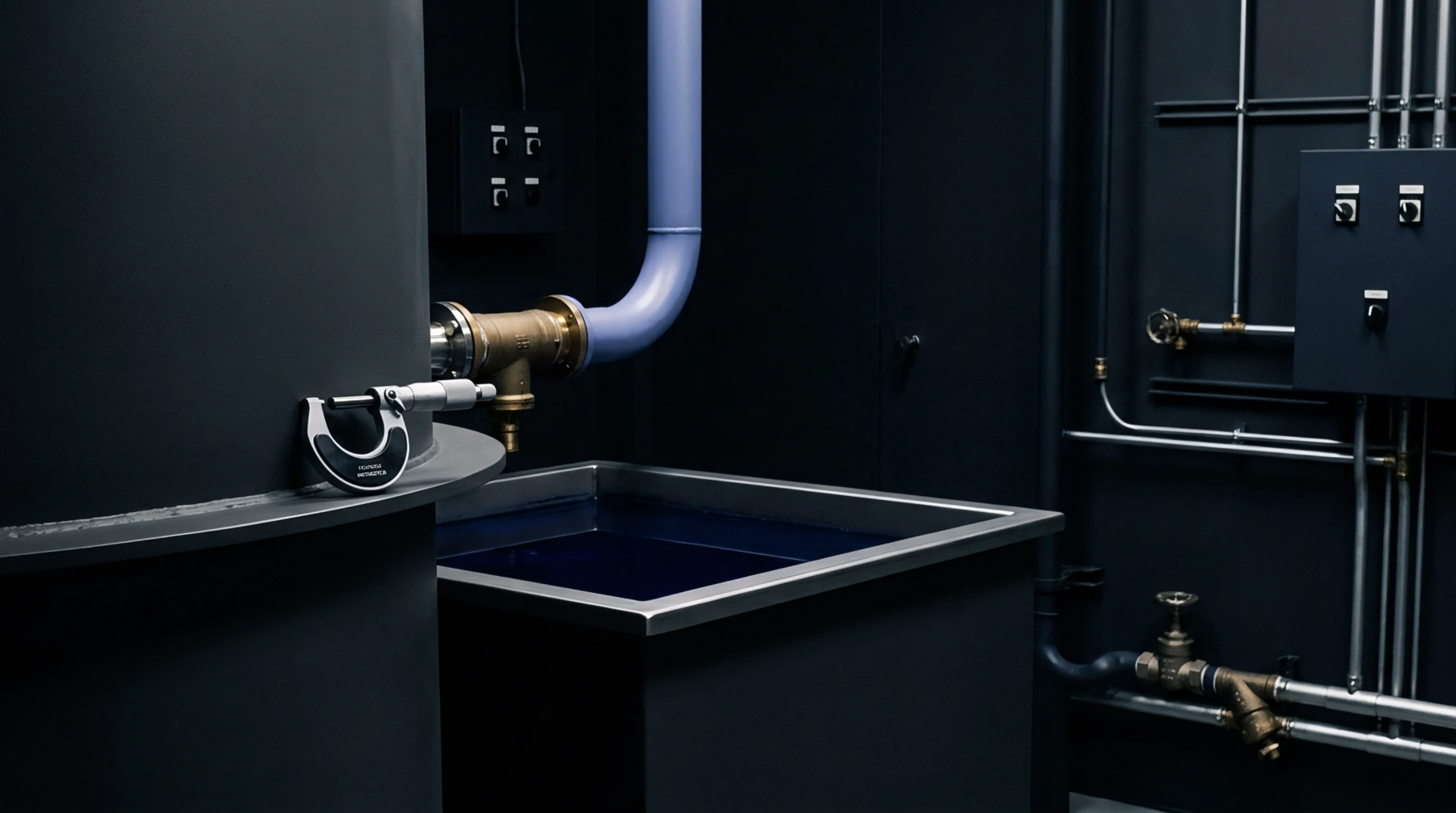
Dynamic hydraulic header balancing and nitrogen expansion tank padding prevent nozzle cavitation and rope speed divergence during fast vessel thermal ramps.
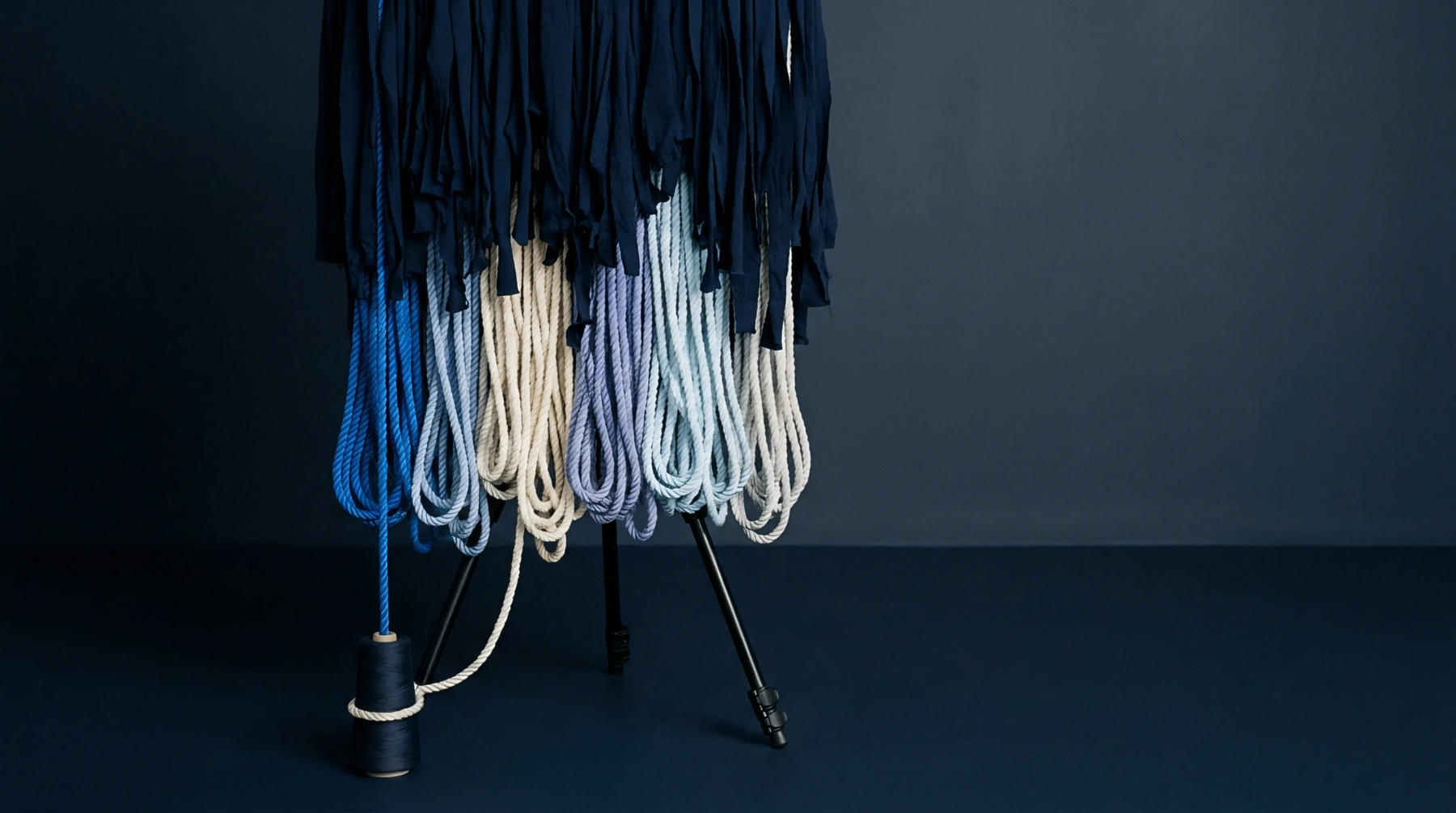
Heavy cotton duck dyeing requires progressive electrolyte dosing, high-pressure liquor penetration, and strict tension control to eliminate surface ring-dyeing.
Commission dyeing defect liability requires contractual tripartite agreements, pre-process greige verification gates, and analytical fault isolation.
Controlling multi-mill spectral reflectance variance requires standardized d/8° geometry, digital CxF3 master distribution, and strict CIEDE2000 tolerances.
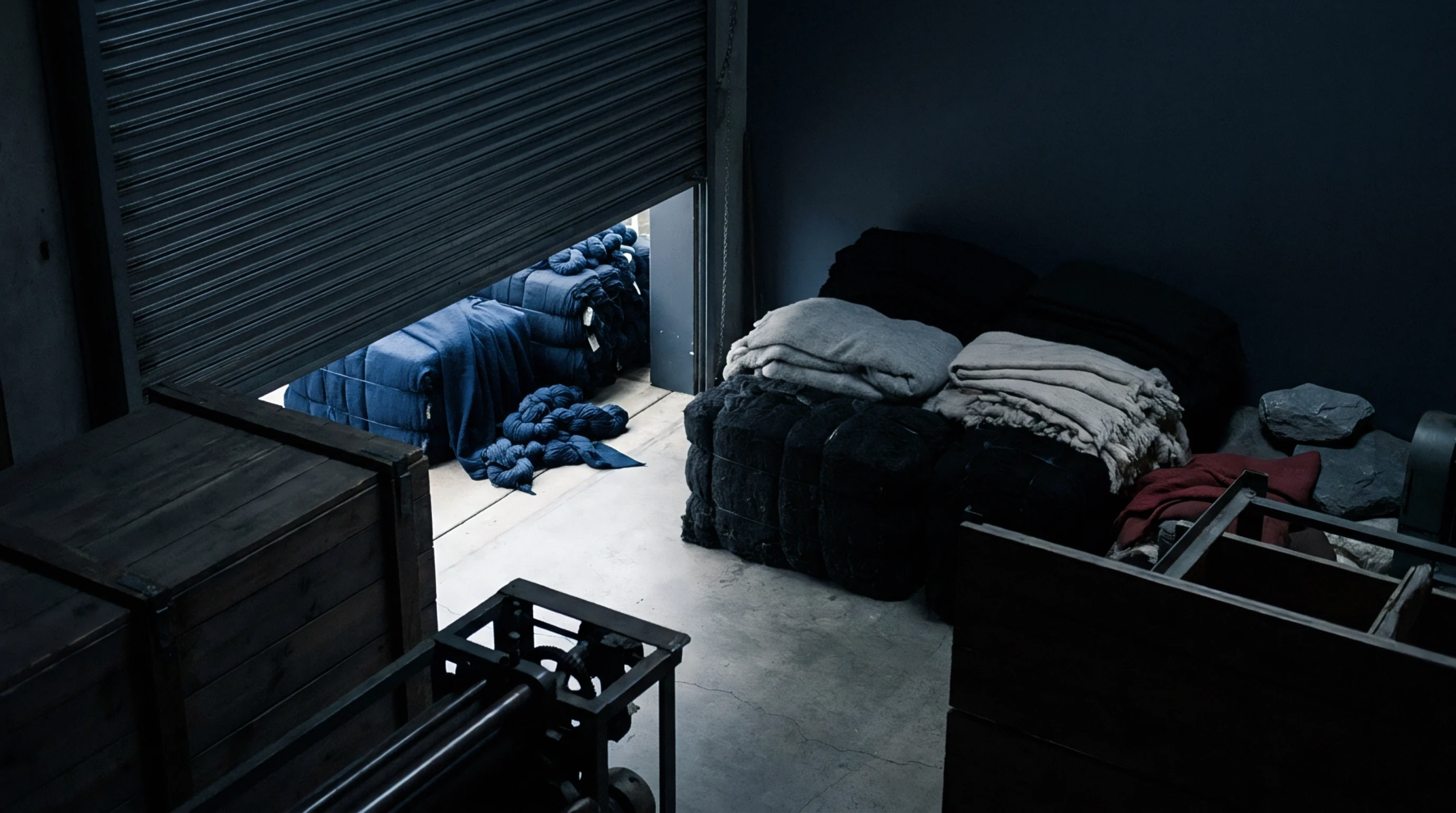
Uncontrolled greige storage triggers moisture migration, lipid autoxidation, and sizing retrogradation, which impair surface wettability and cause severe dye absorption variances.
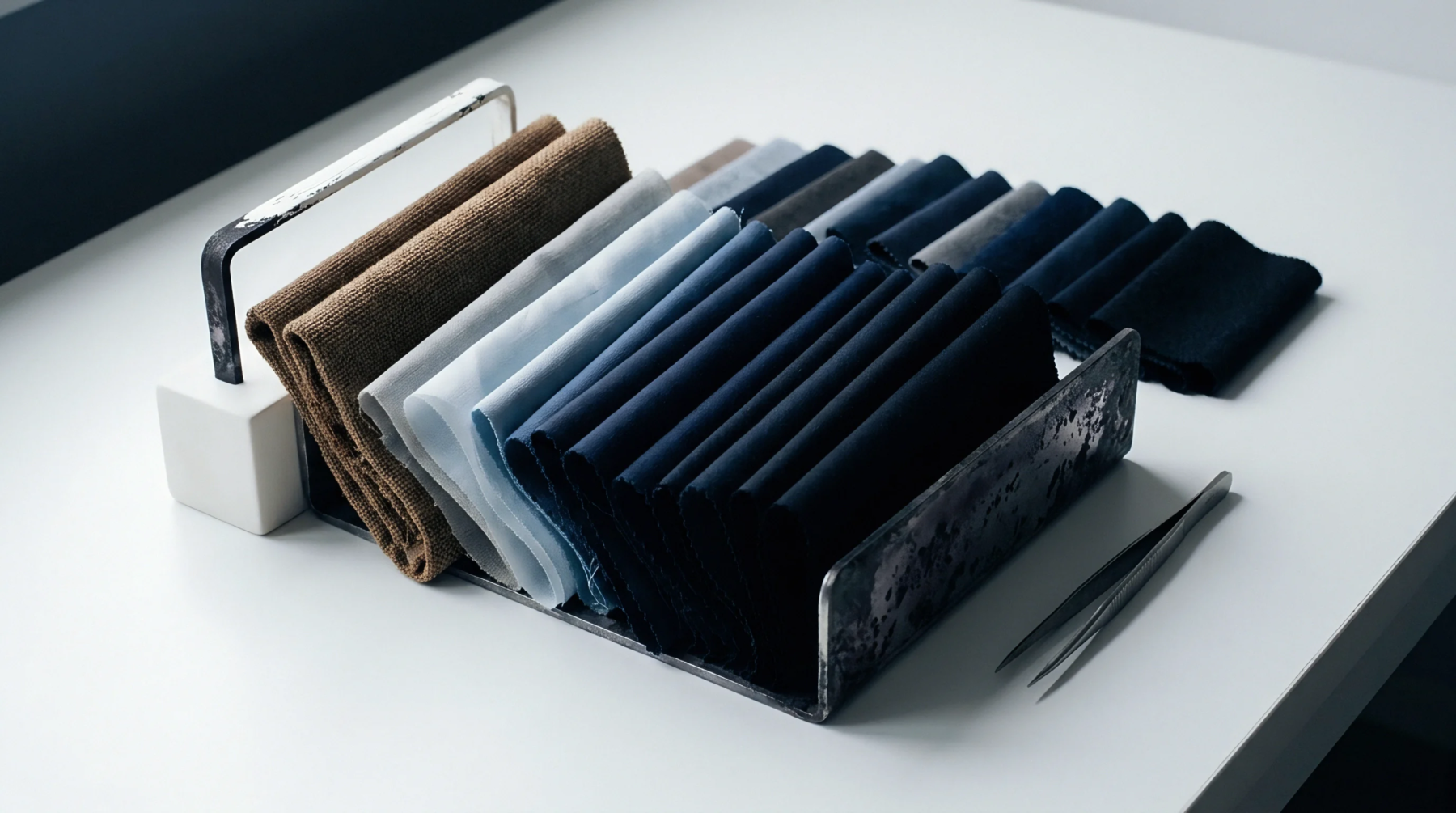
Spectrophotometric color tolerancing requires D65 optical calibration, CIEDE2000 ellipsoidal metrics, and strict substrate backing to ensure bulk dye batch agreement.
Dense cellulosic wet transport is limited by swelling-induced micro-pore collapse; forced hydraulic convection and controlled diffusion times prevent core pale-outs.
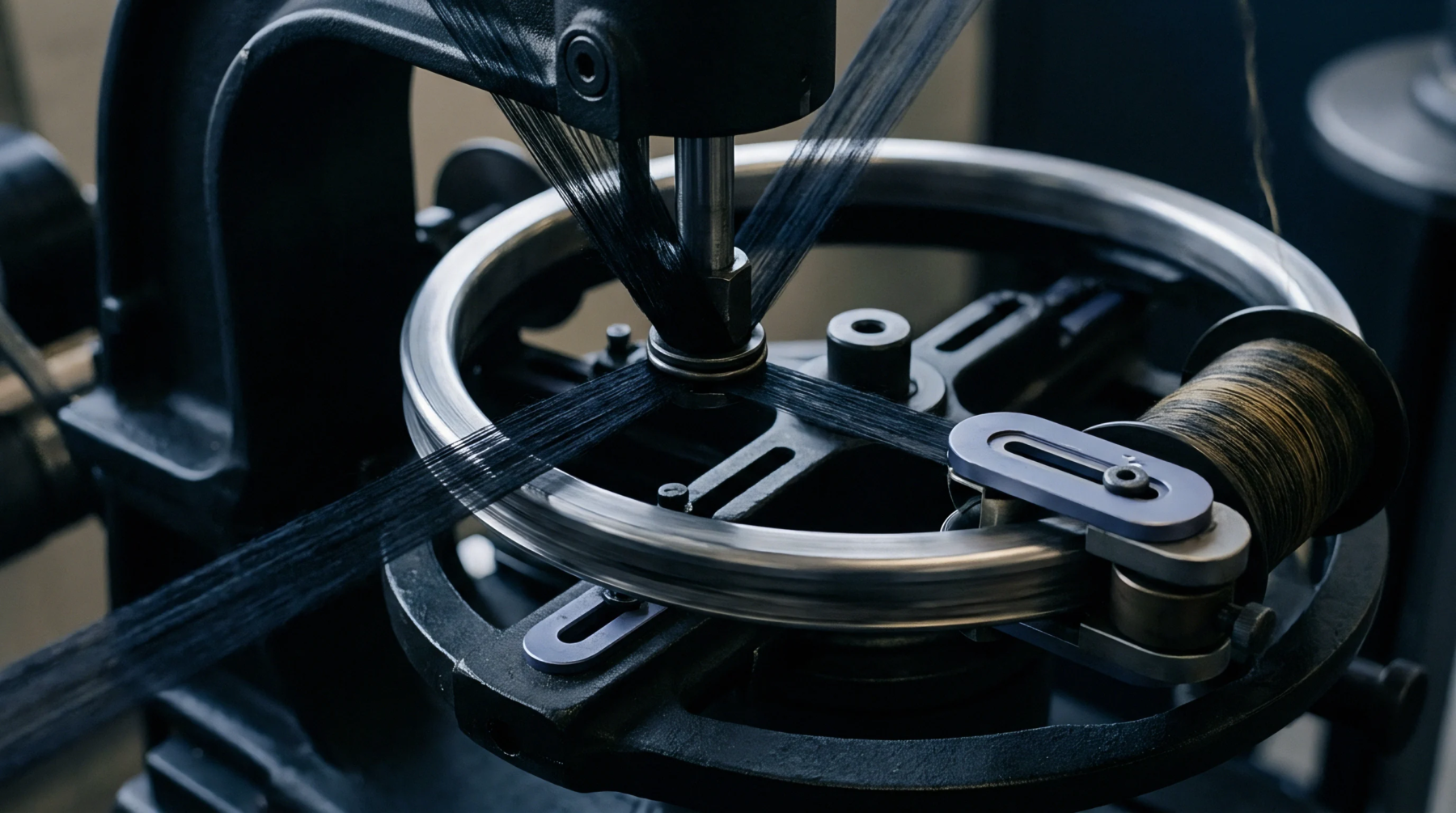
Matching intermediate infrared radiant emission wavelength to polyelectrolyte thermal gelation viscosity prevents dye migration in continuous wet processing.
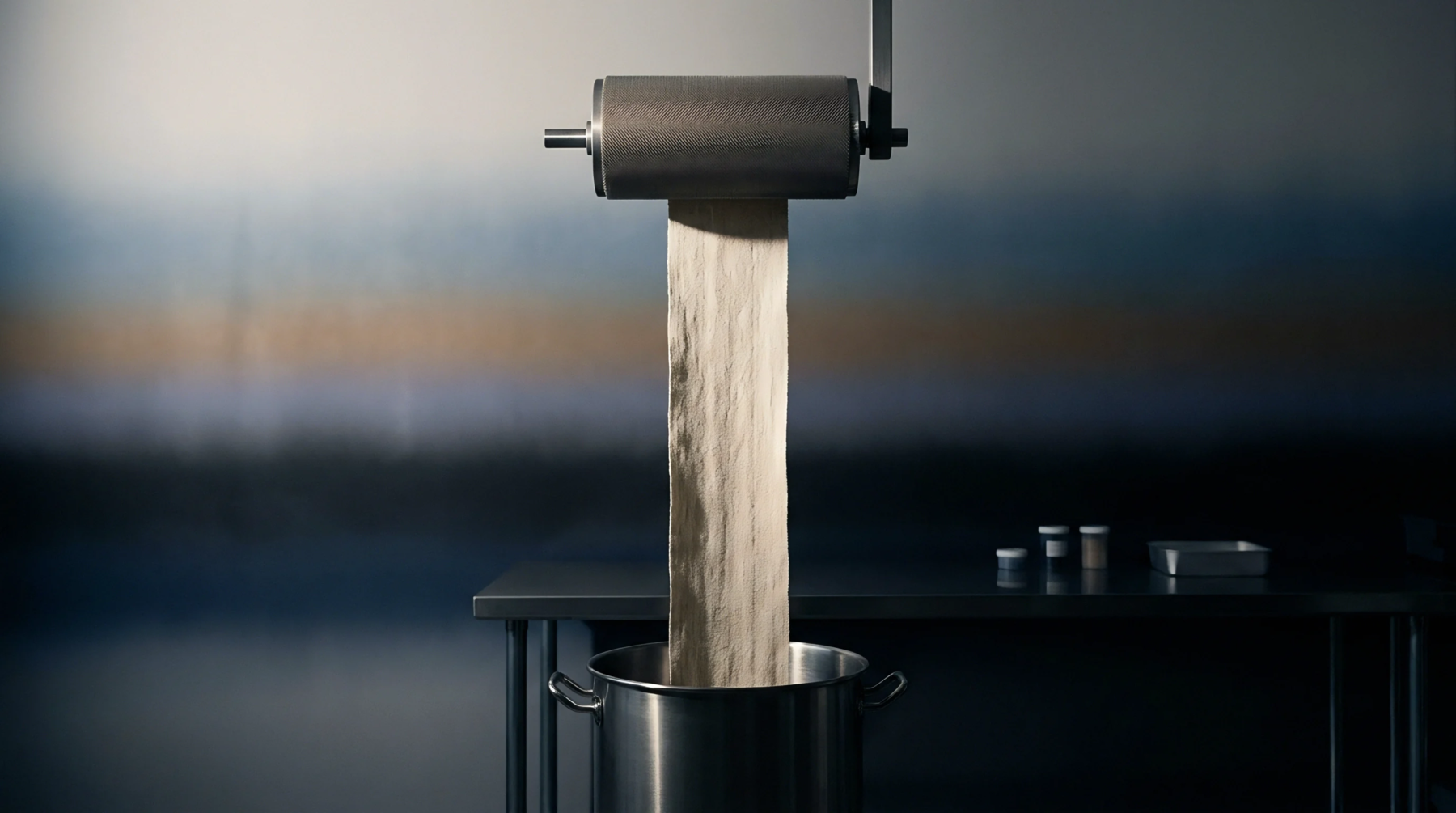
Dynamic psychrometric compensation continuously balances evaporation and pickup in pad boxes, preventing dyestuff molarity drift and head-to-tail shade defects.

Equalizing parallel nozzle pressure across multi-tube jet vessels eliminates inter-chamber shade variations by balancing rope speed and liquor turnover.
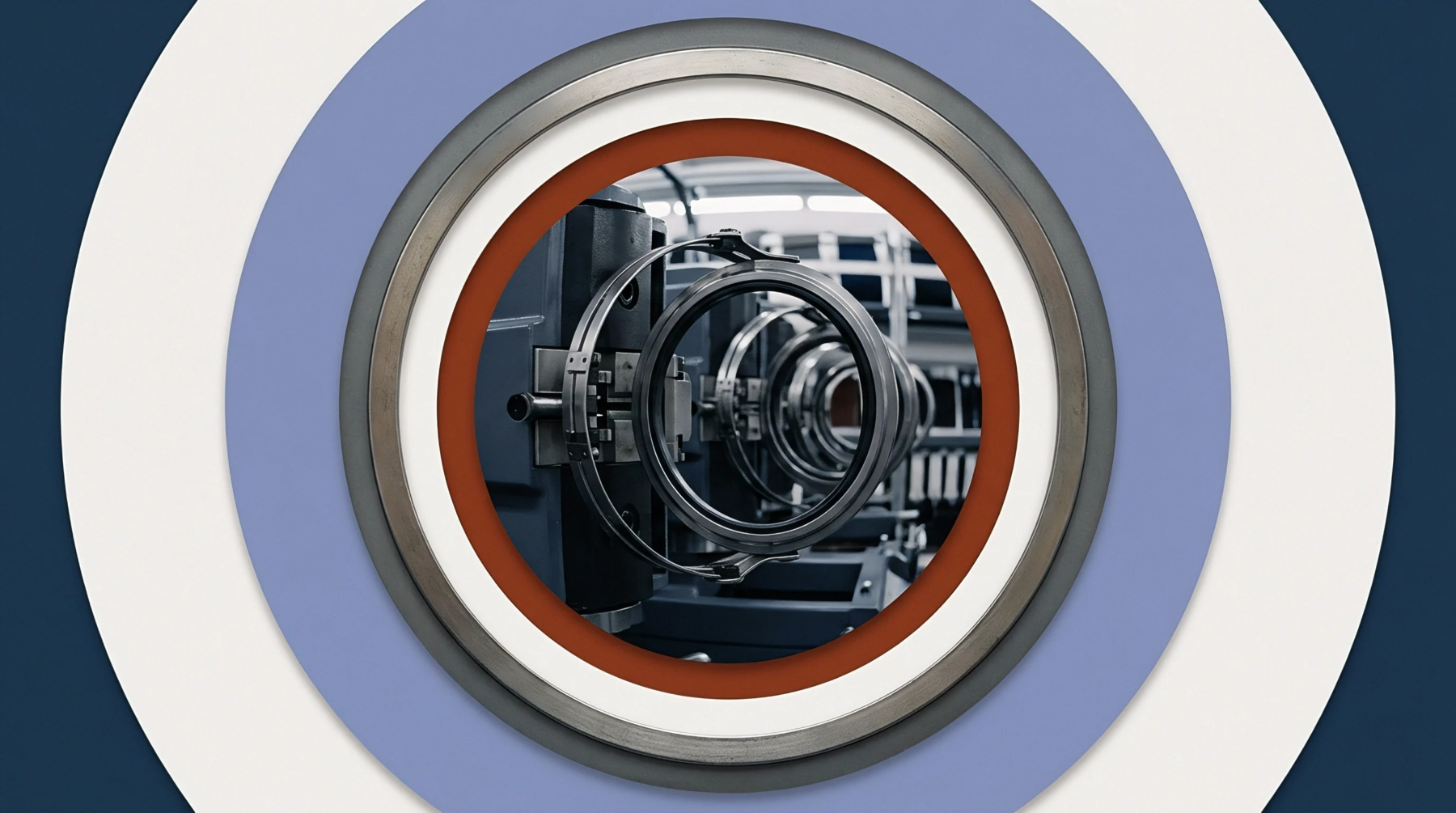
Dynamic control of ambient regain, pad bowl deflection, wet-bulb drying temperatures, and steam saturation halts continuous shade drift across variable weather.
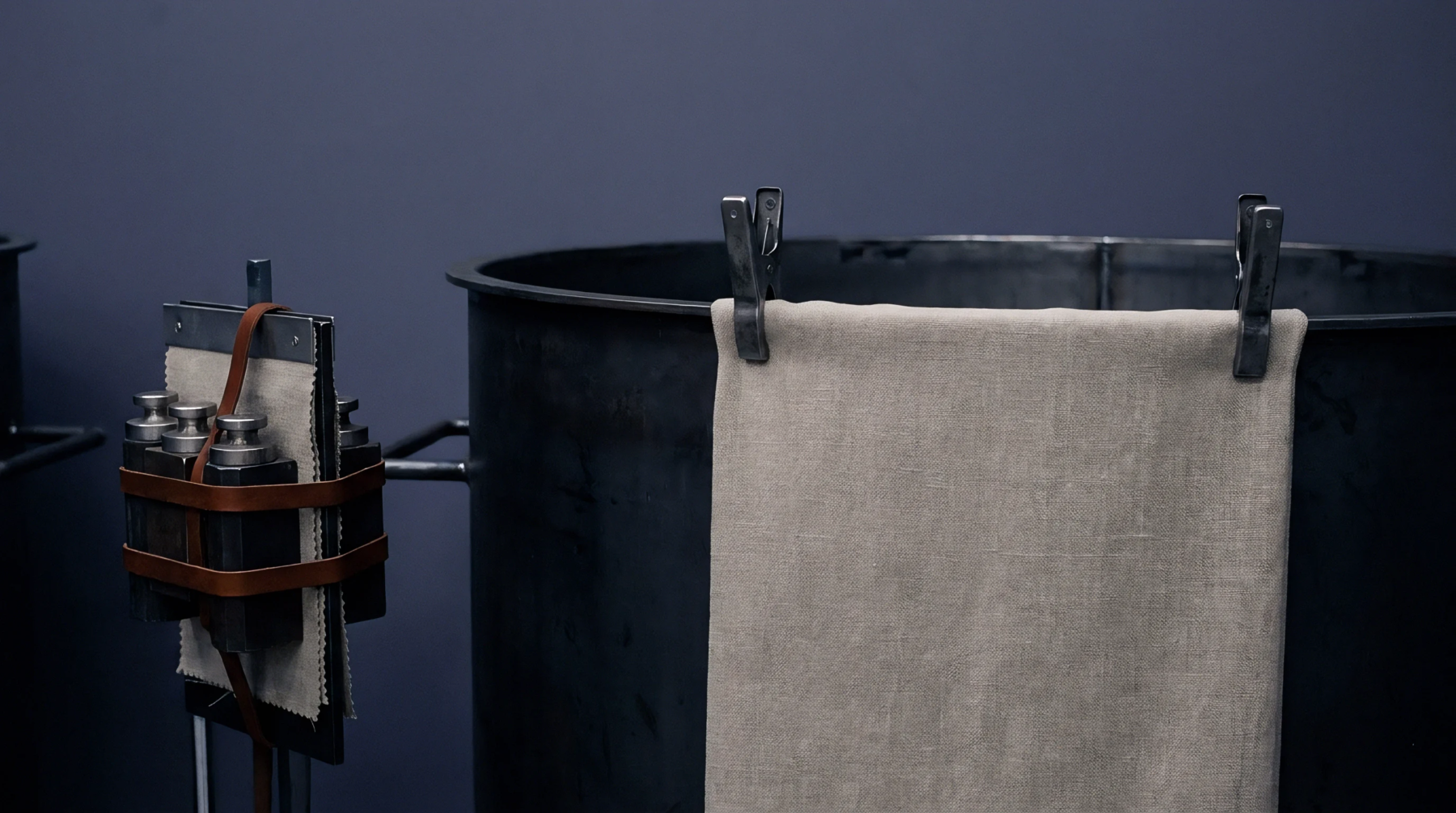
Reconciling master greige orders across multi-tube jet vessels requires matching greige linear mass to individual tube capacities while maintaining fixed liquor ratios across all operational runs.

Enforce CIE DE2000 spectrophotometric shade tolerance limits under dual illuminants with strict fabric conditioning to prevent batch rejections.
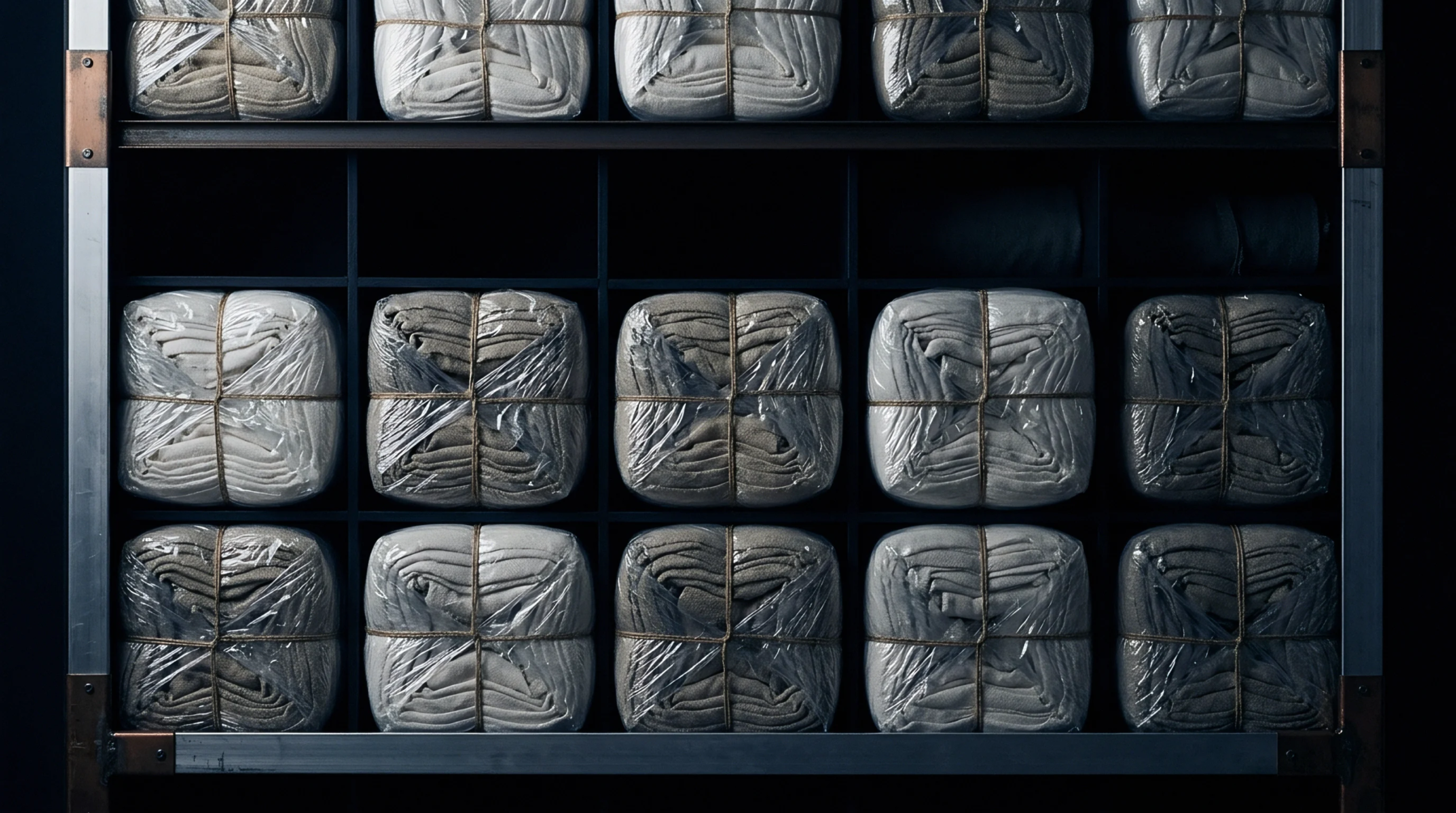
Split dyeing batch shade consistency depends on spectrophotometric reflectance curve matching across multiple illuminants and strict stenter thermal control.
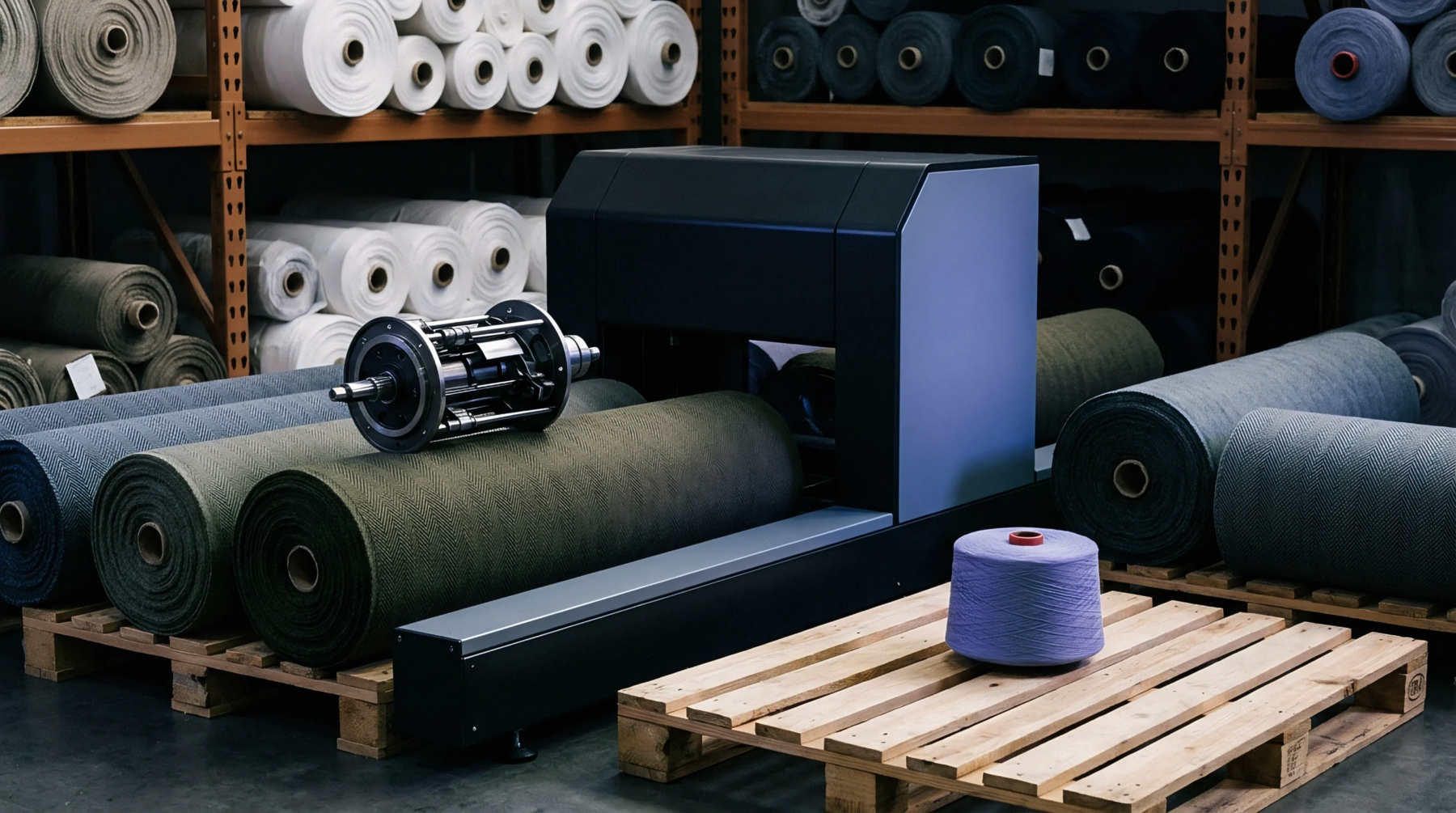
Long term greige storage transfers financial risk from yarn pricing to wet processing variance, requiring strict storage controls and clear dyehouse testing bounds.
Dye lot conversion schedule reconciliation requires matching greige bulk density and nozzle hydraulics to vessel capacity, preventing pump cavitation and shade drift.

Aligning woven greige warp minimums with dyehouse vessel capacities requires calculating dry mass yields and vessel fill limits to prevent shade variation.
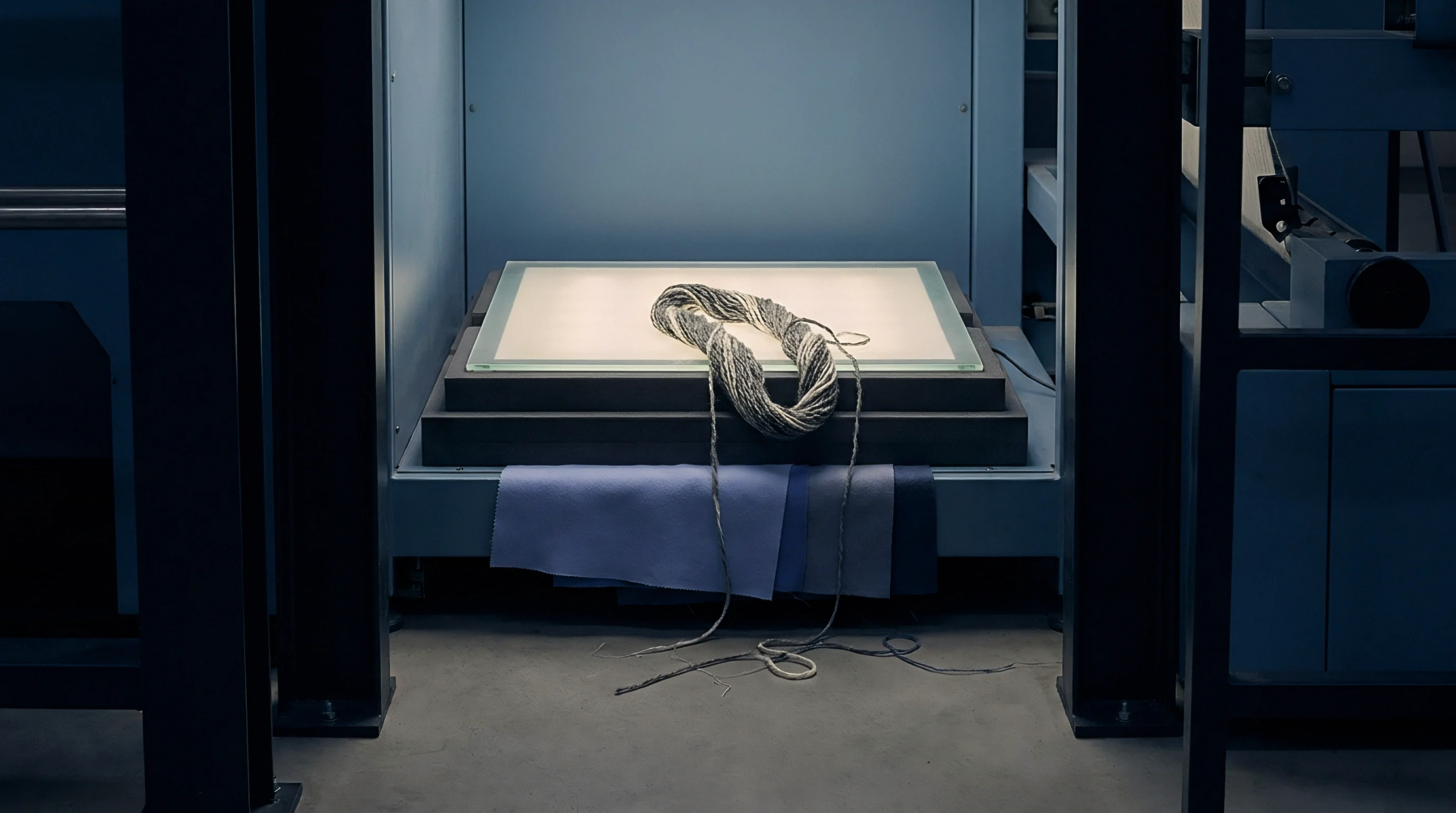
Minimum colour quantities set dye vessel efficiency and enforce range plan fabric allocations long before garment sketches reach the pattern desk.
Expertise is a utility, not a secret. sentiention™ publishes its working knowledge as open reference: intelligence layer covering the materials it sources, the markets it enters, and the reference that serves both.