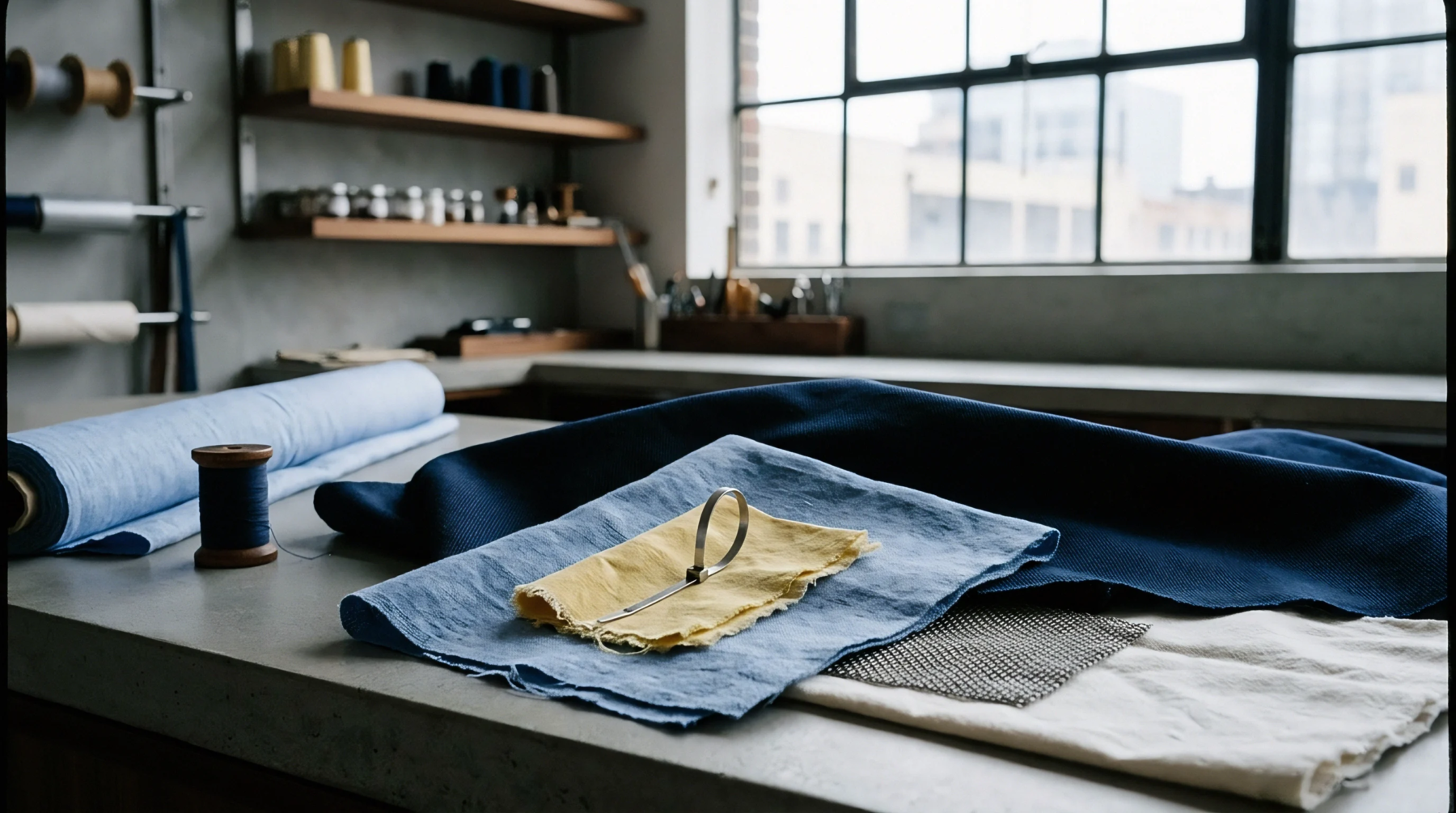
Continuous Dye Line Tension Calibration Protocol for High Density Cotton Twill Architectures
Synchronize multi-motor continuous dye drives to maintain warp tension under 1.8 N/cm, preventing twill skew, pick count loss, and face-to-back shading.
Synchronize multi-motor continuous dye drives to maintain warp tension under 1.8 N/cm, preventing twill skew, pick count loss, and face-to-back shading.
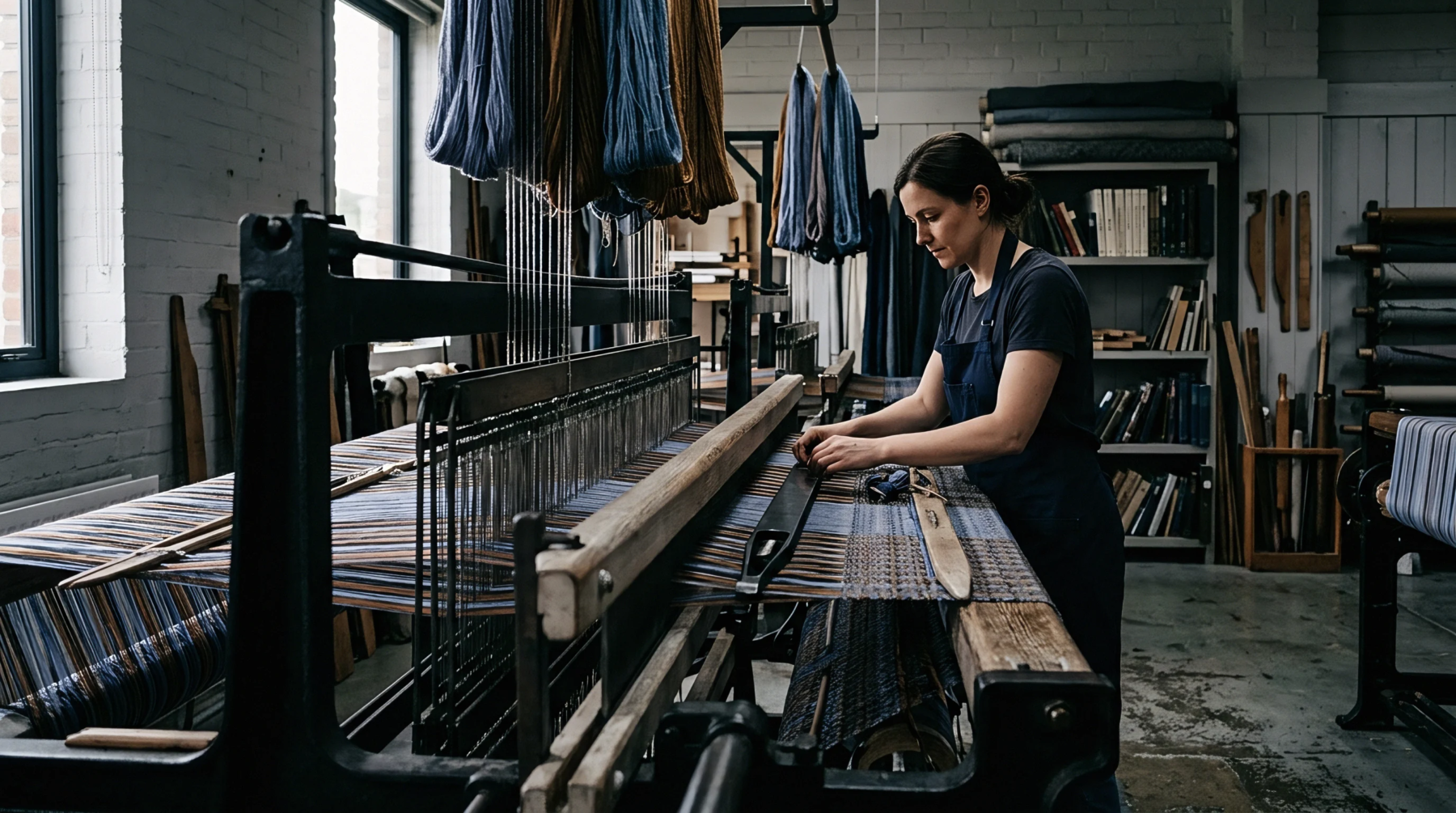
Quantifying greige crimp exchange and jamming limits prevents beat-up fabric defects, off-loom width loss, and incorrect finished weight calculations.
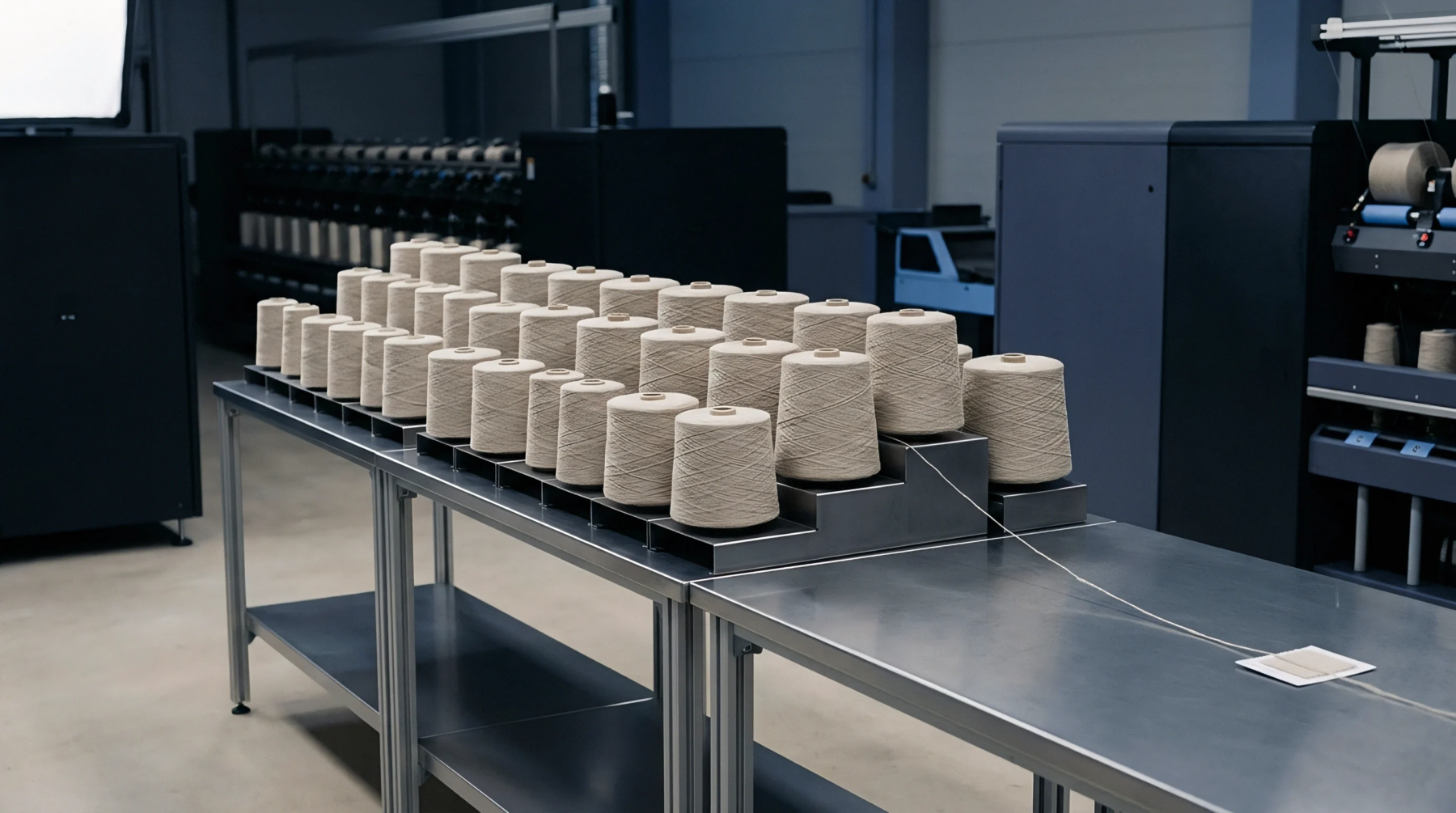
Predicting plain weave jamming limits prevents fabric distortion and secures dimensional stability across caustic mercerizing, dyeing, and wash finishing.
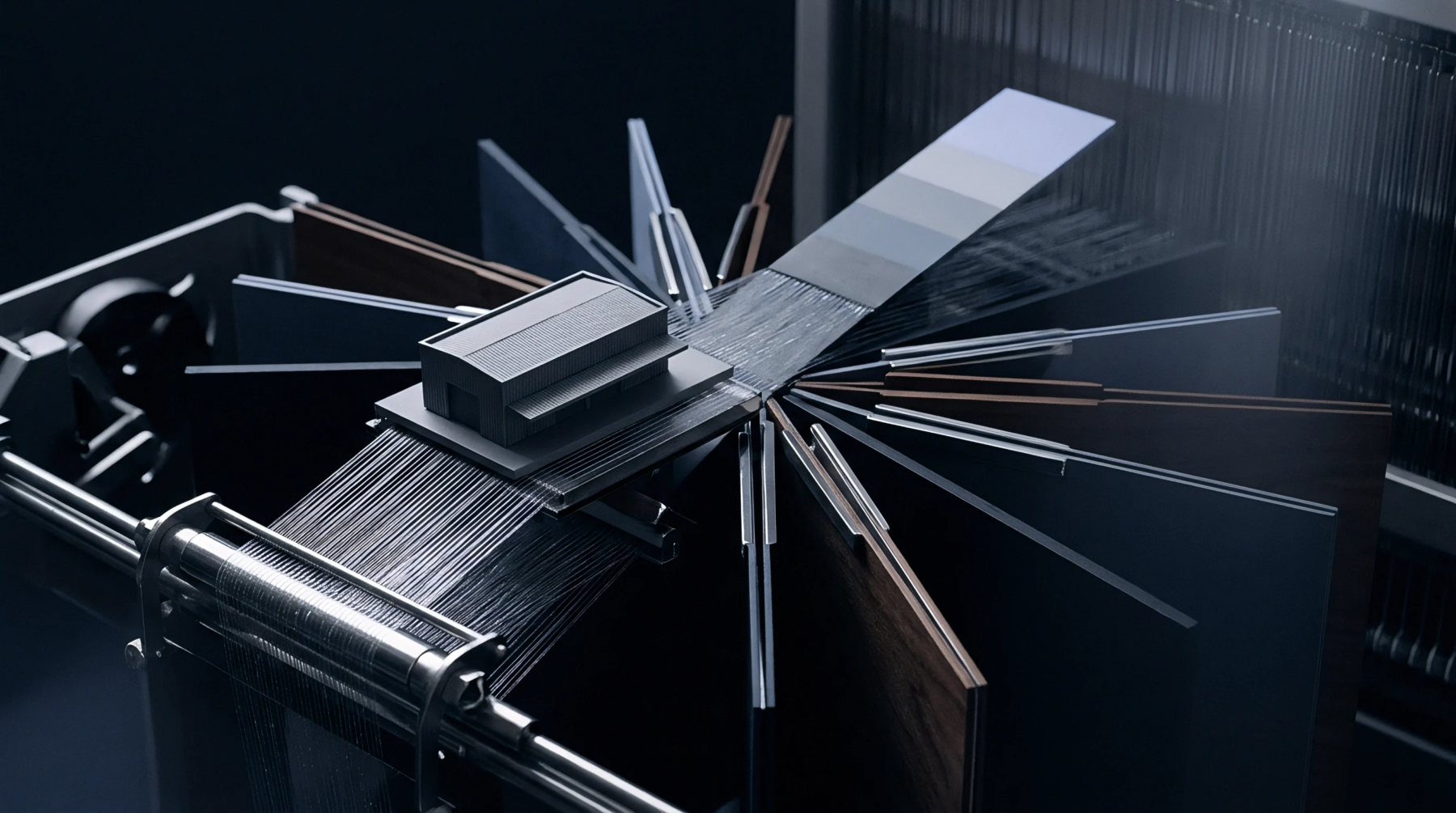
Warp and weft crimp exchange in high-density weaving shifts structural waviness across processing, dictating finished sett, shrinkage, and air permeability.

Derive loom reed width by compounding greige take-up and wet finishing contraction percentages onto target cuttable width while balancing dent air space ratios.
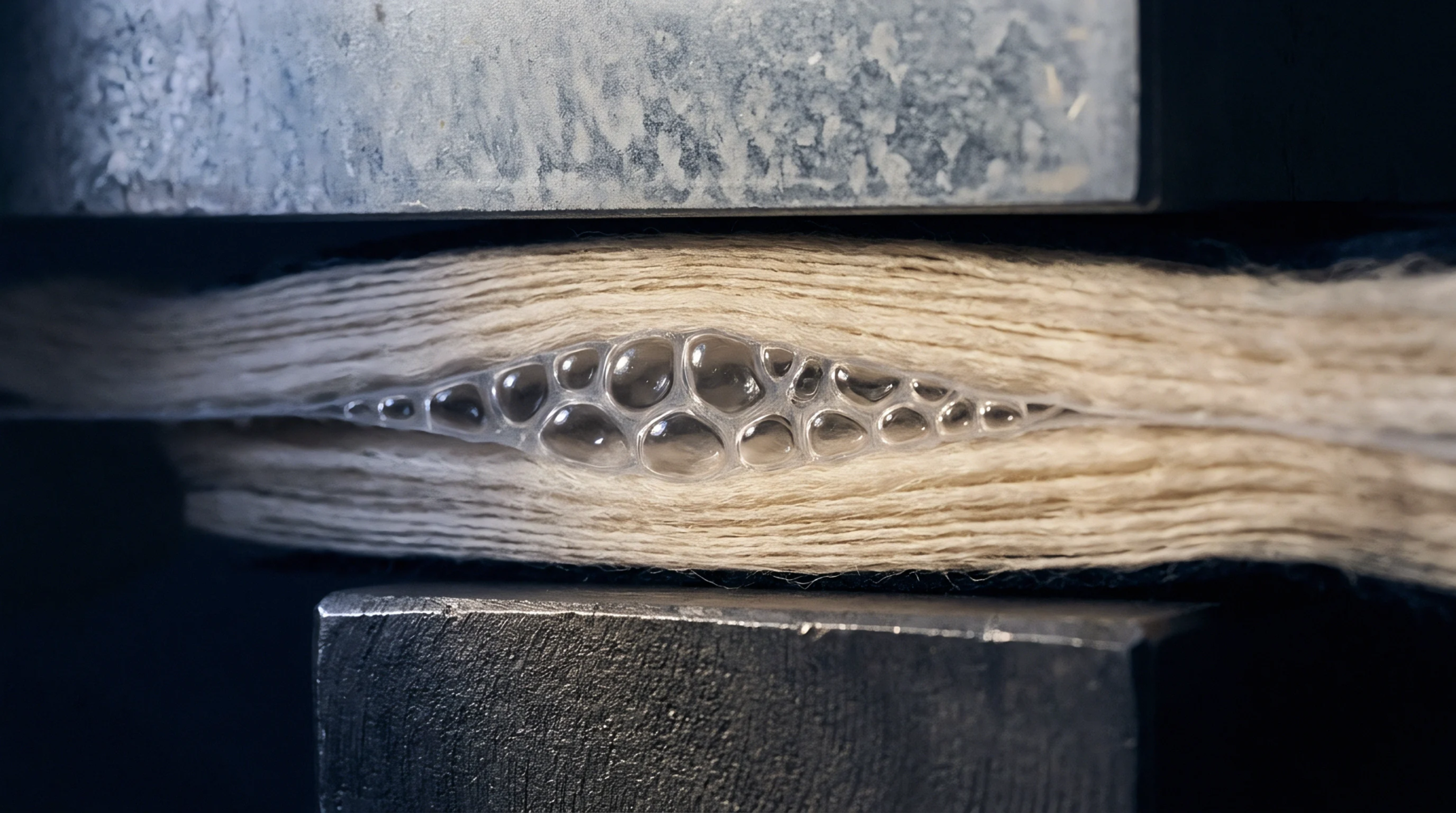
Biaxial thermal stenter extension alters yarn crimp balance through coupled viscoelastic relaxation and Peirce geometry shifts, dictating final fabric dimensional stability.

Continuous stenter overfeed forces must balance longitudinal yarn buckling thresholds against friction to set finished course density without cloth corrugation.
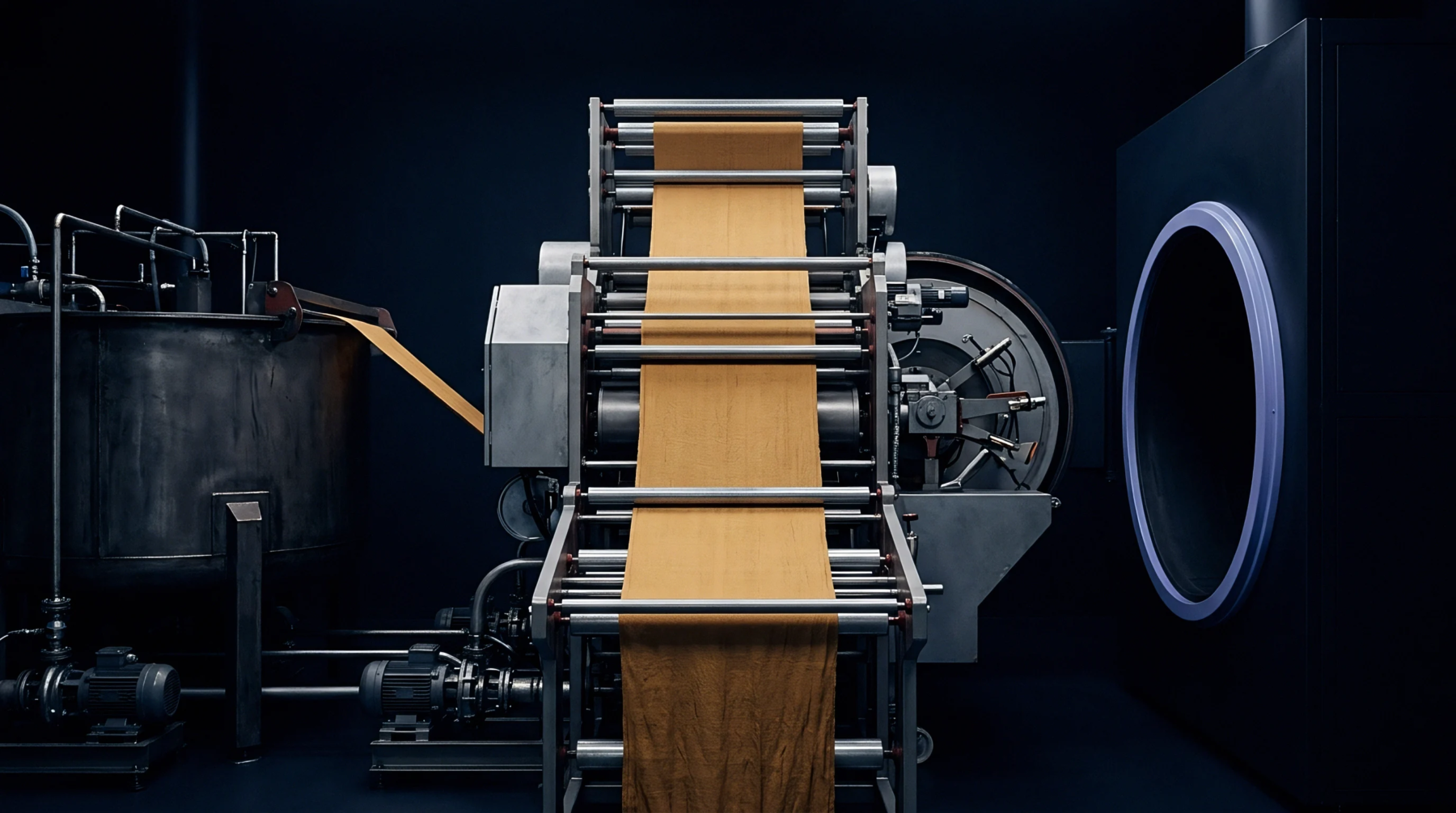
Symmetric nozzle velocity between 18 and 22 m/s during intermediate drying prevents dye migration and maintains shade uniformity in polyester cotton blends.
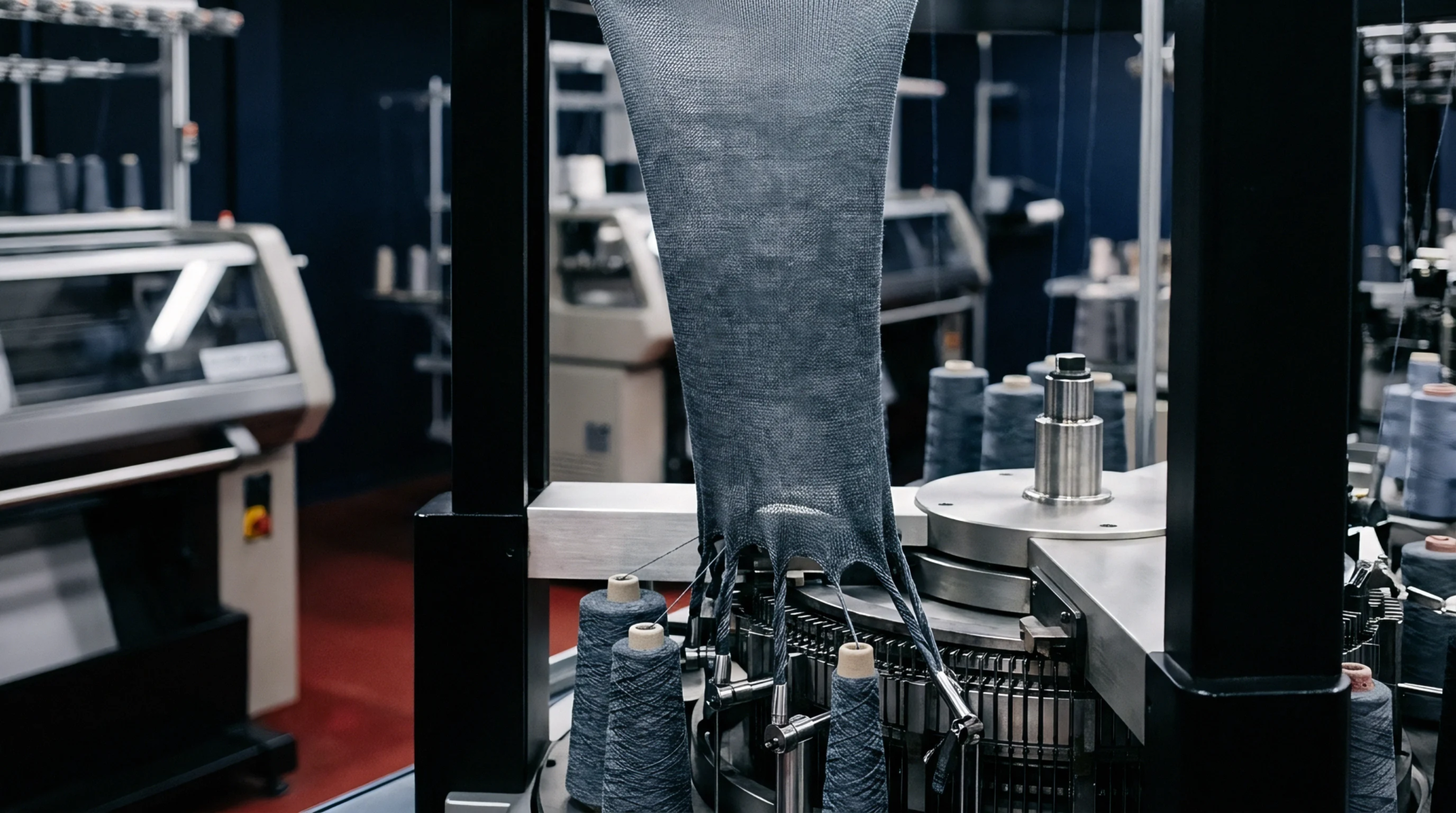
Matching knitting machine gauge to yarn linear density fixes loop tightness factor, setting the upper limit for aqueous dimensional contraction during wet finishing.
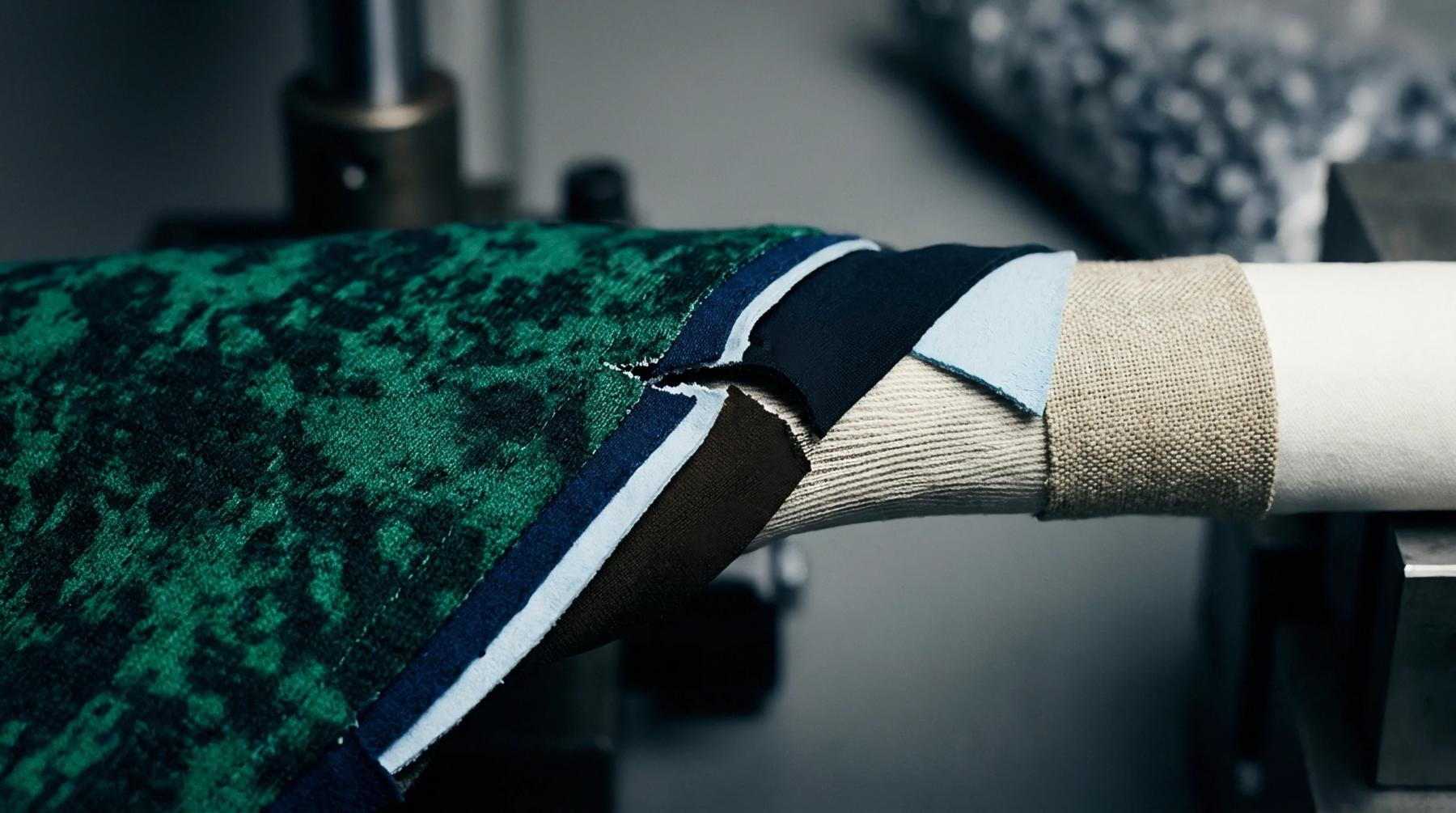
Calibrate stenter line speed to effective core dwell time above 190°C rather than total chamber residence to prevent spandex degradation and knit shrinkage.
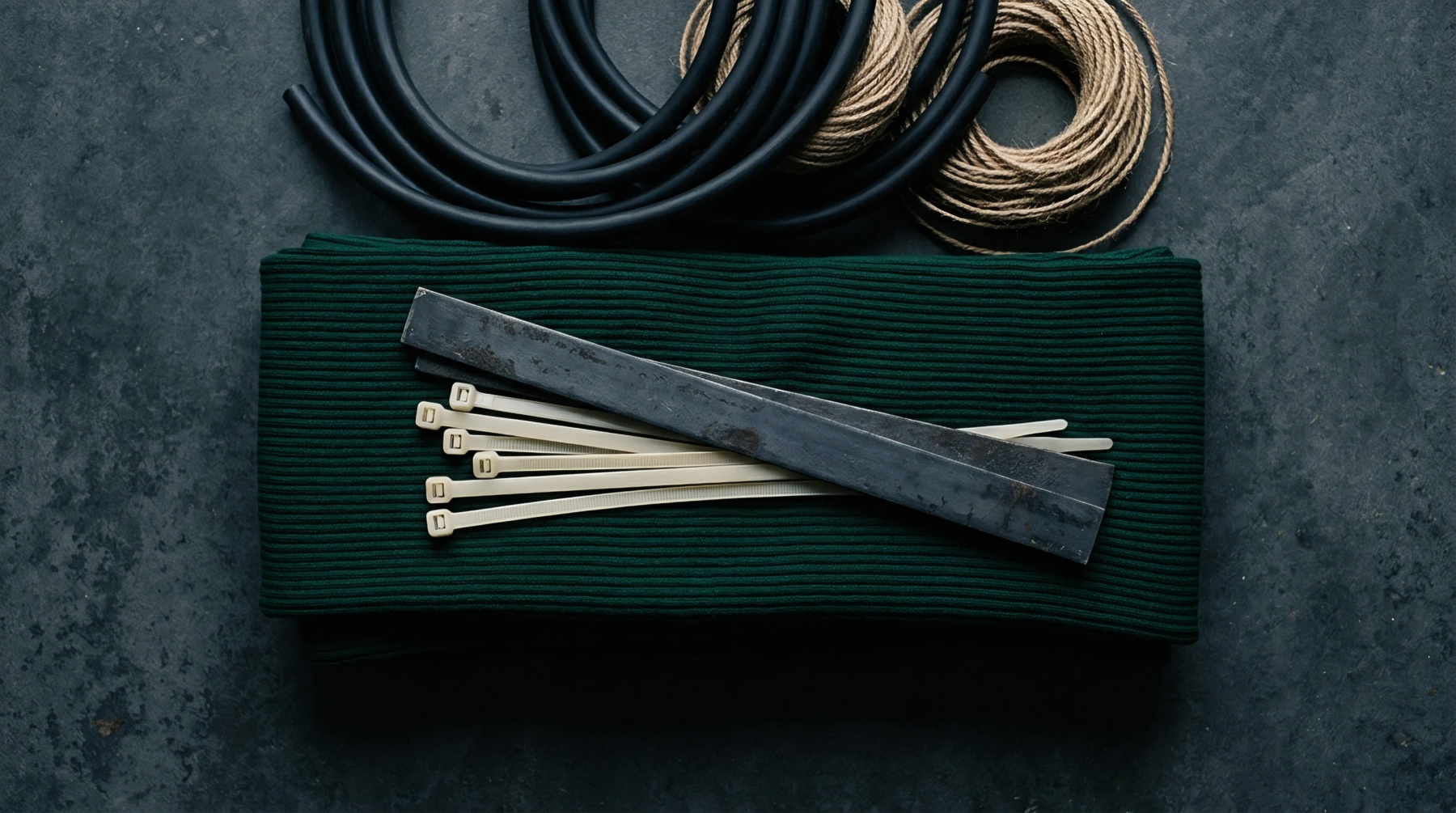
Commission dyeing defect liability requires contractual tripartite agreements, pre-process greige verification gates, and analytical fault isolation.
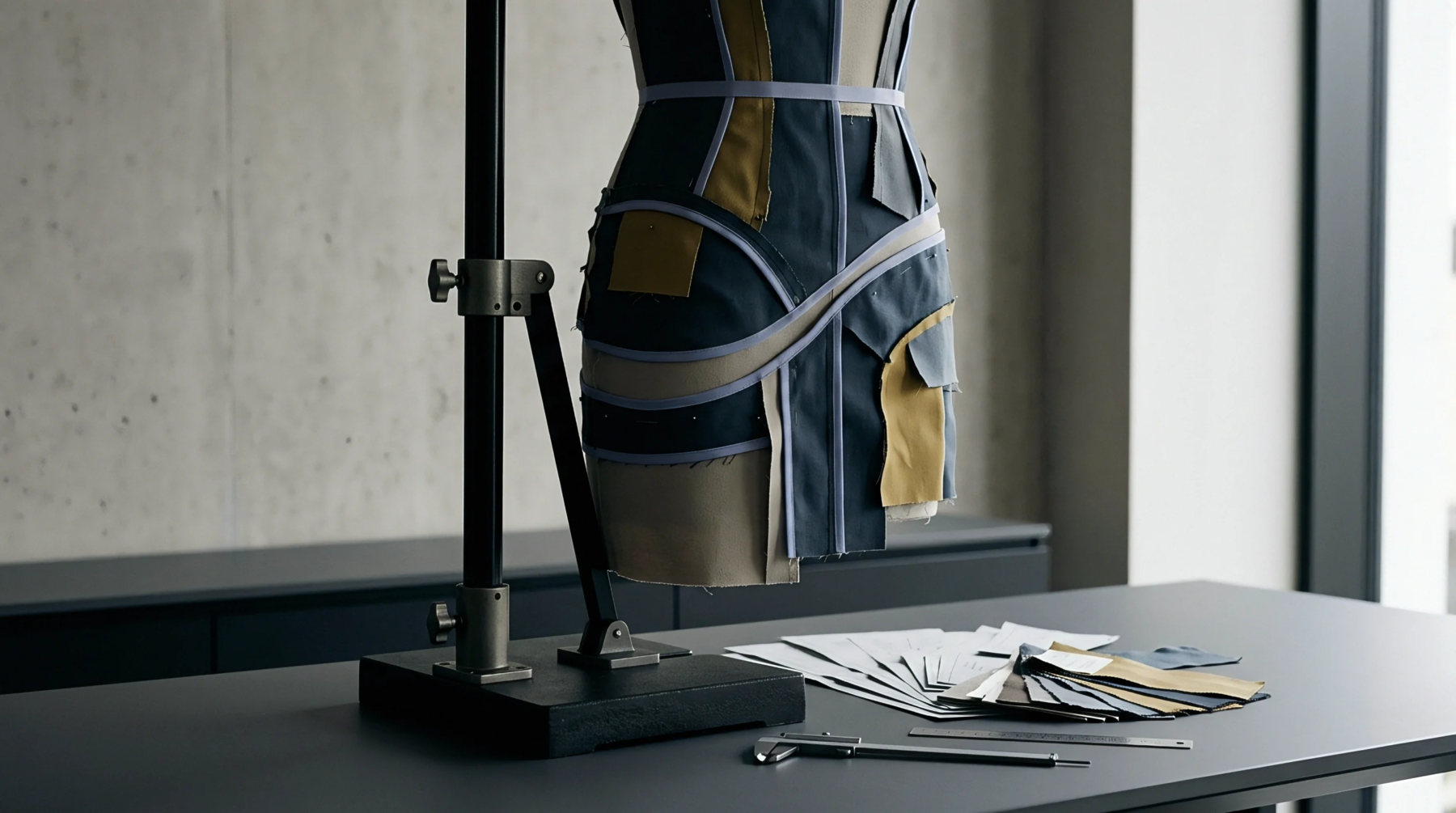
Textile qualification requires mapping baseline chemical limits and physical standards to accredited lot-level test reports before releasing purchase orders.
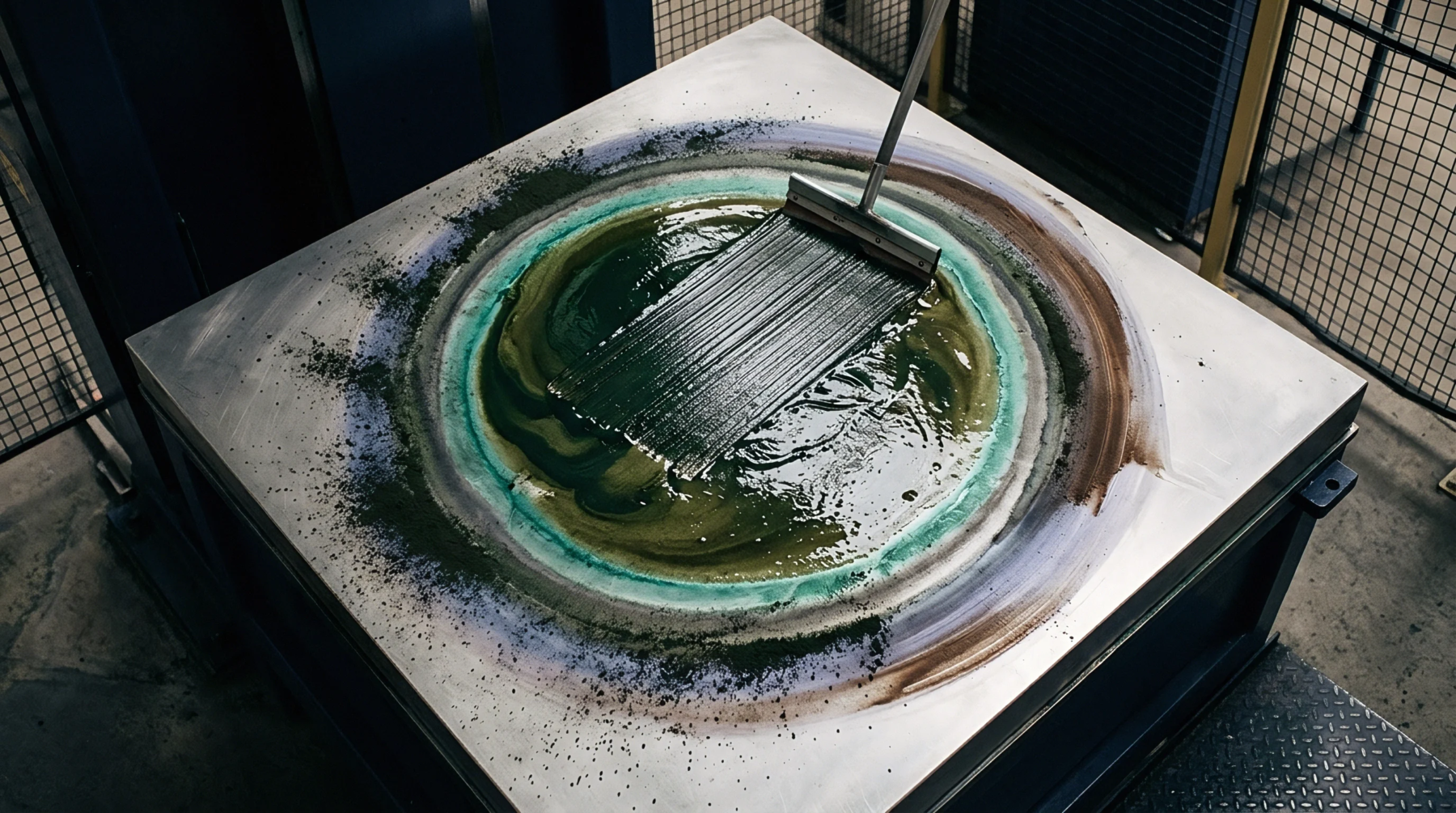
Geometrical modeling of crimp interchange predicts width collapse during wet finishing by balancing yarn swelling against mechanical jamming boundaries.
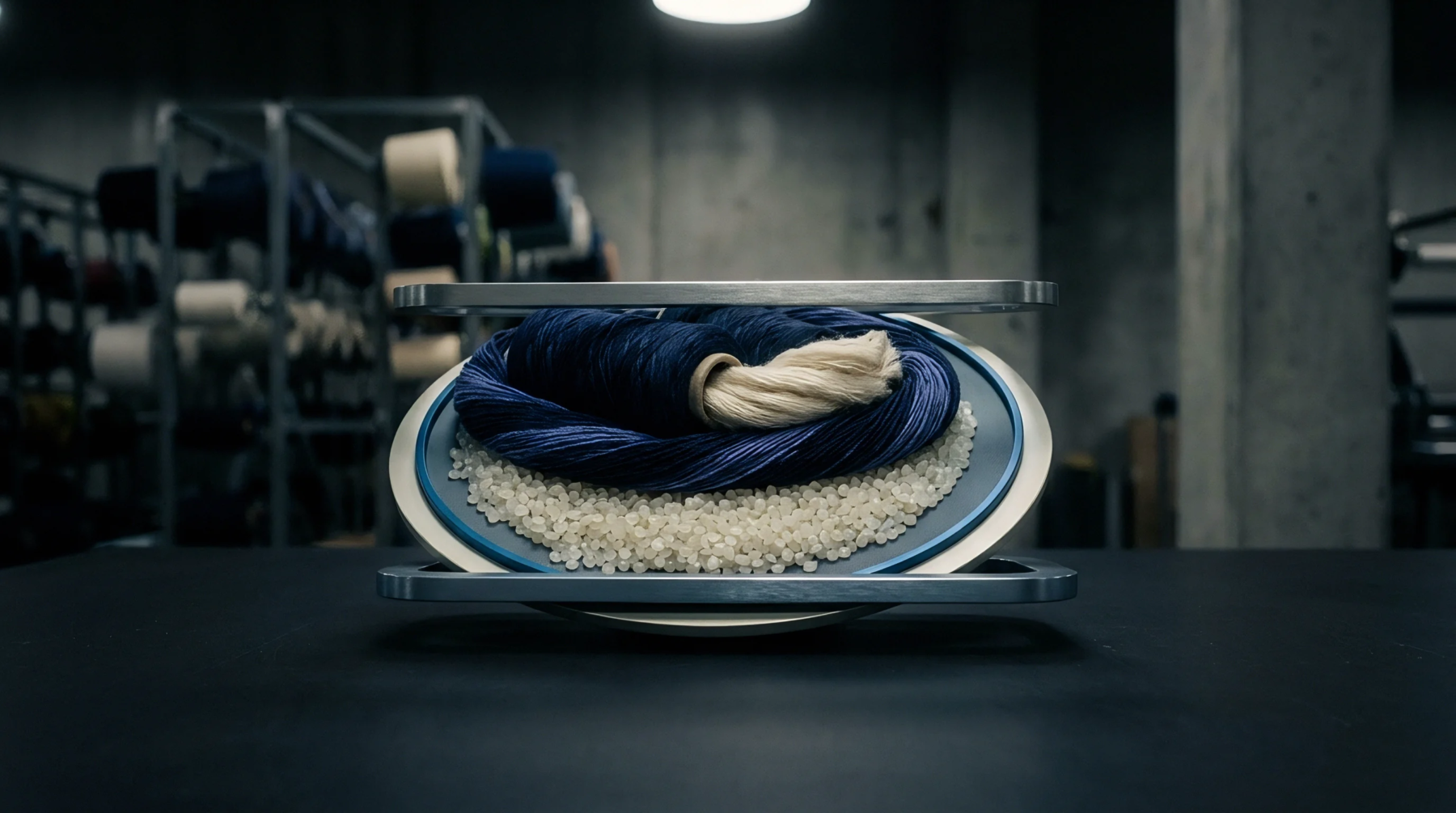
Crosslink density decay during repeated wet processing dictates the trade-off between durable crease recovery and catastrophic fabric tear strength loss.
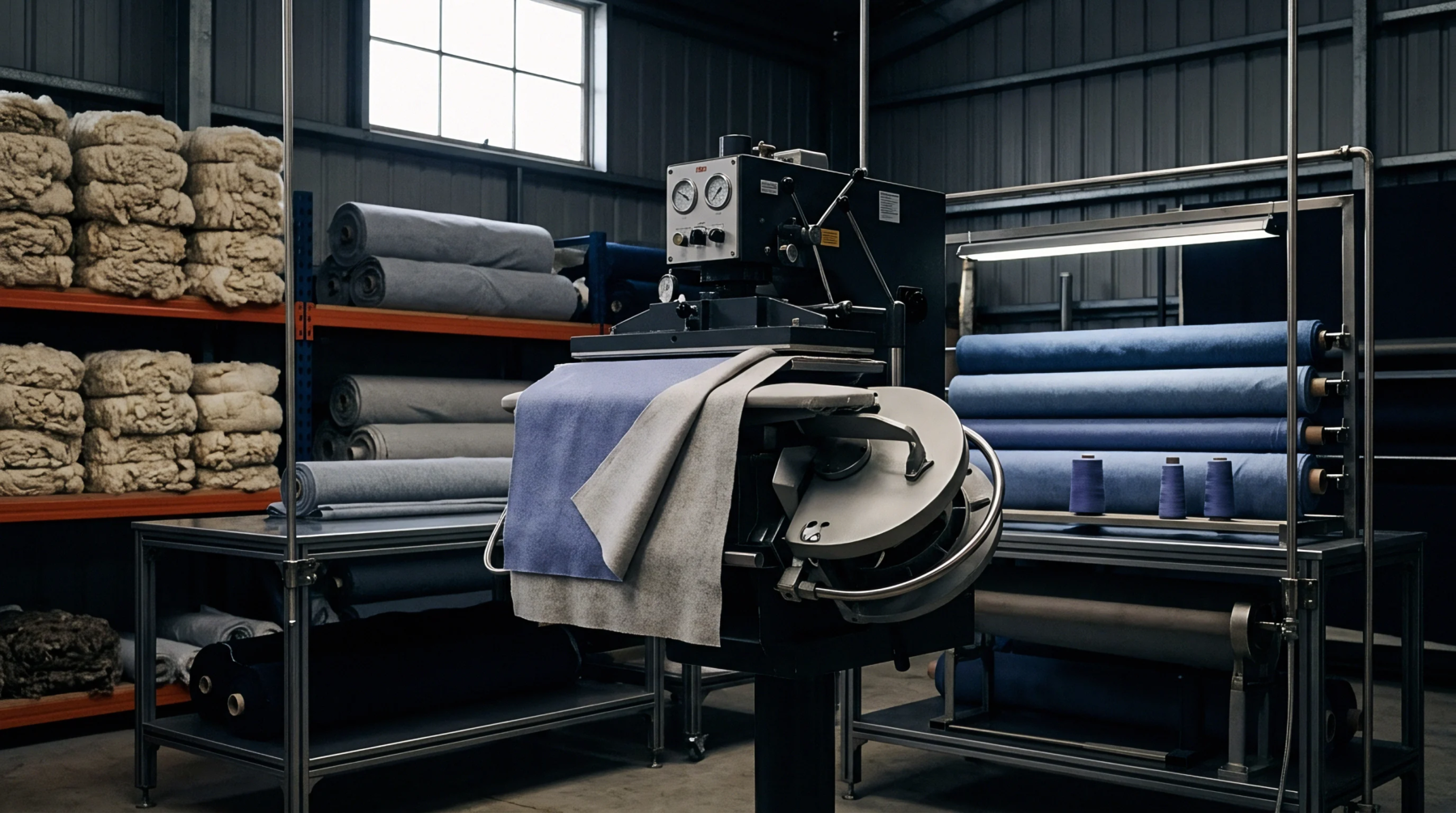
Optimize air-jet polyurethane wovens by setting stenters to 190°C with +24% overfeed, holding heat setting efficiency above 88% and growth below 2.5%.
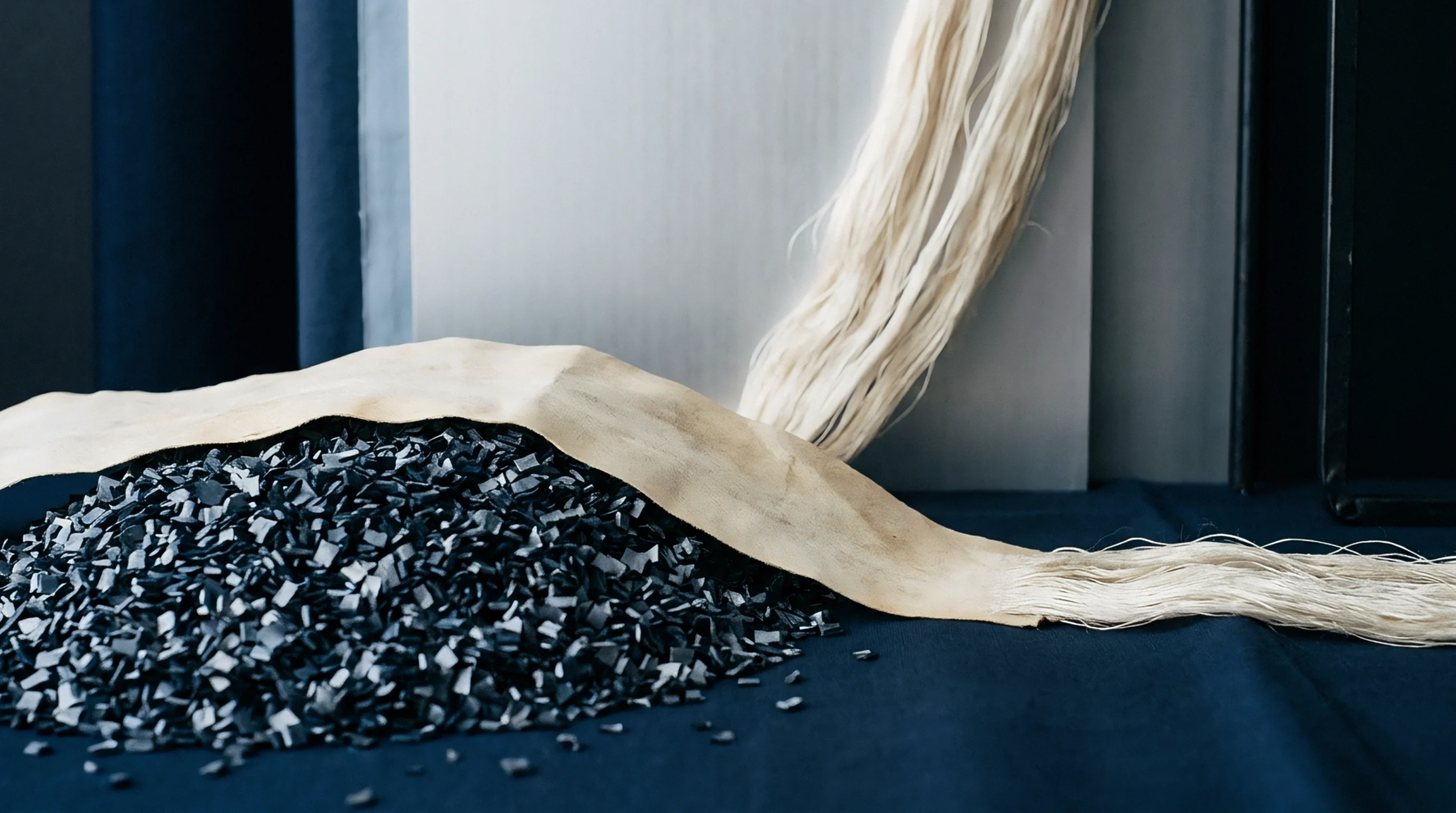
Modeling long-term stress relaxation thresholds in core-spun jet processed elastic fabrics requires balancing spinning core draft with stenter heat setting to prevent interfacial shear slip and retractive decay.
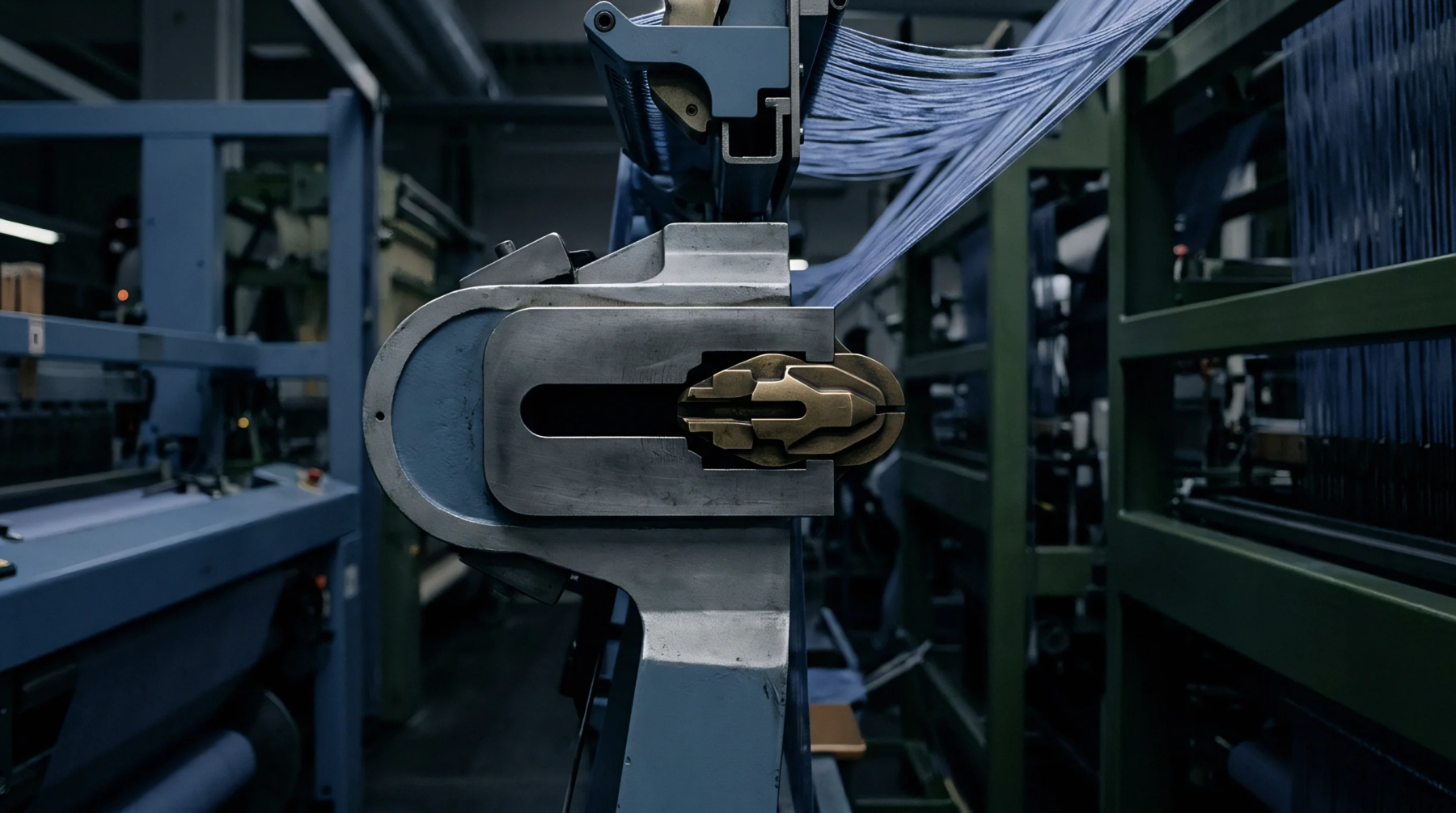
Correlating loom sett and machine gauge to wet shrinkage requires matching grey thread density and stitch length to wet relaxation limits before finishing.

Harmonize multi-market physical fabric testing by implementing worst-case envelope protocols and validating ISO 17025 laboratory accreditation scopes.
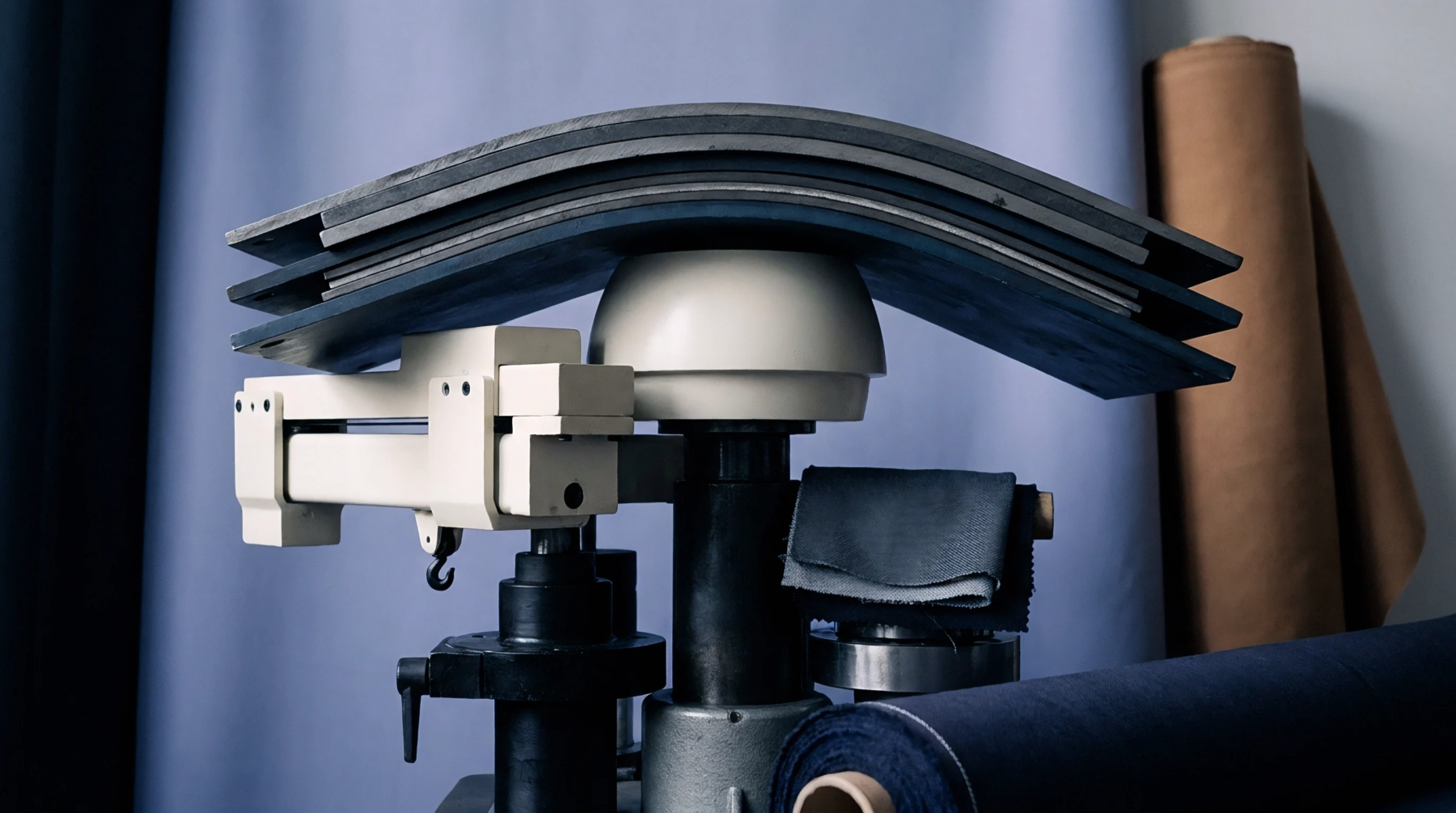
Type approval certificates prove mill capability, while targeted lot indicator testing on repeat orders verifies shipment conformity before vessel loading.
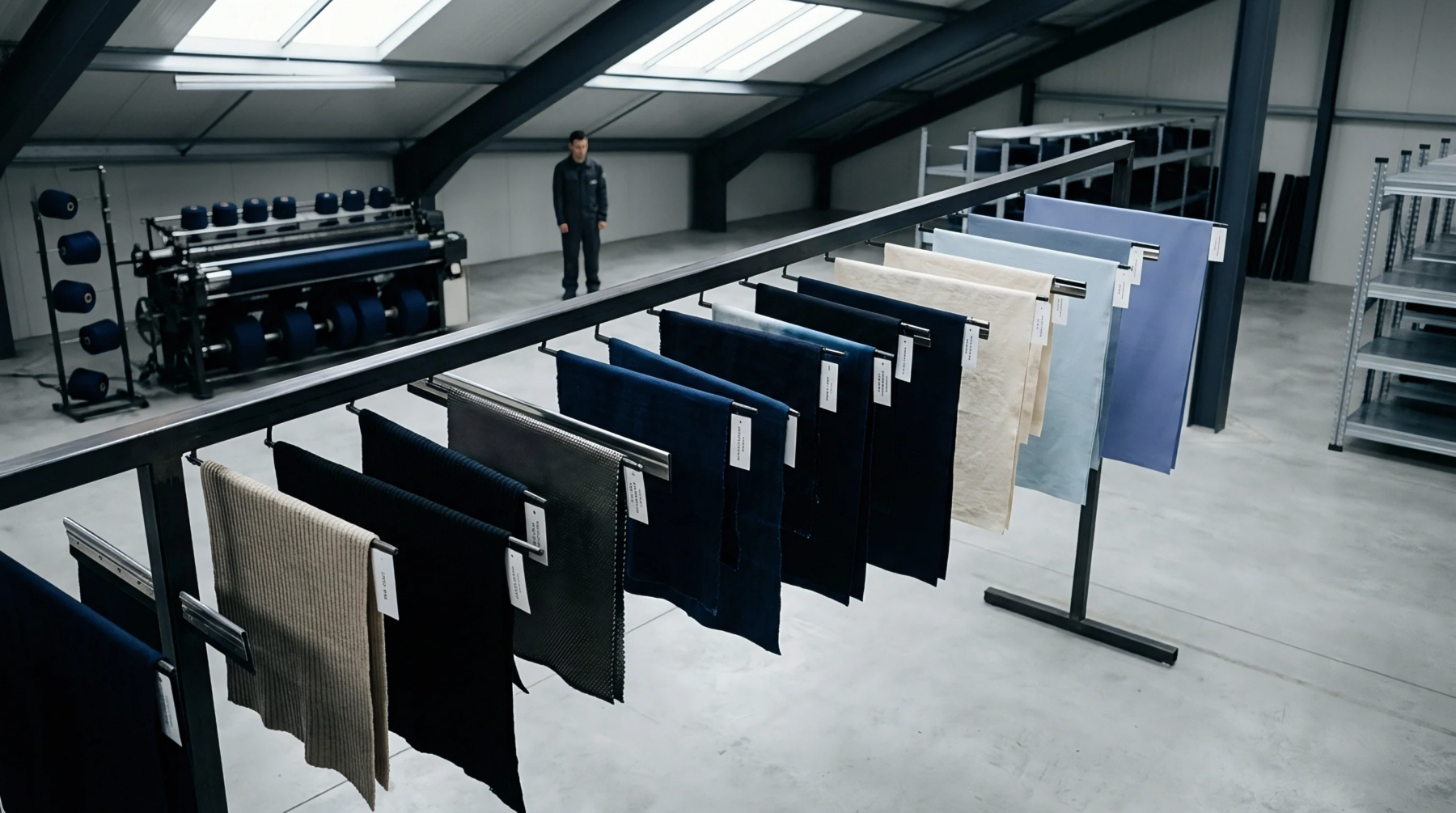
Fabric weight tolerance written as a mill range holds commercial validity only when tested under ISO 139 standard atmosphere using ISO 3801 methods.
Expertise is a utility, not a secret. sentiention™ publishes its working knowledge as open reference: intelligence layer covering the materials it sources, the markets it enters, and the reference that serves both.