Evaluating Structural Mass Variations and Dimensional Yield Drift across High-Speed Weaving and Dyeing Operations
Loom warp tension, crimp interchange, and stenter overfeed directly govern finished fabric mass and dimensional yield stability across production runs.
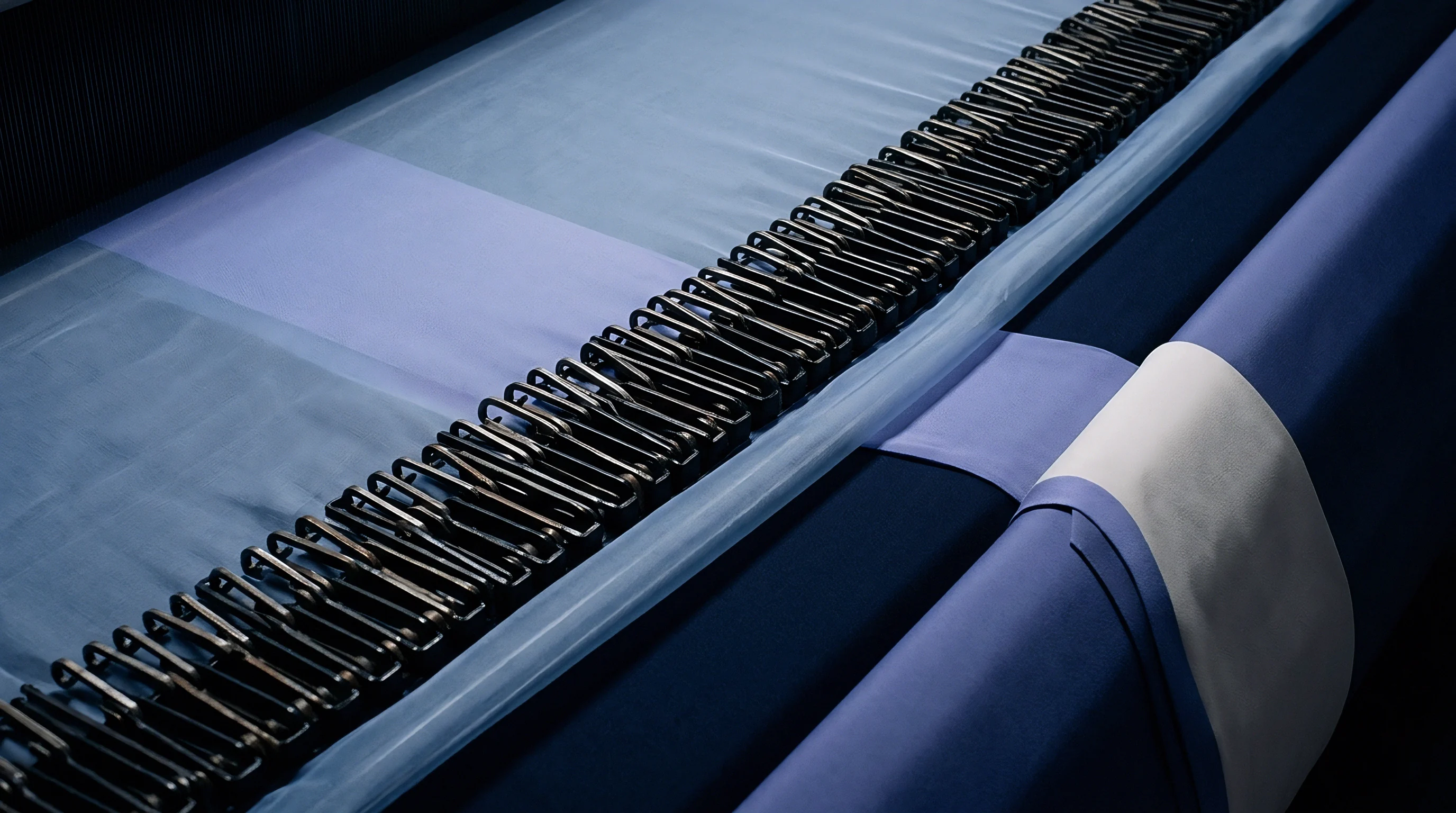

Mass
Air-jet loom insertion operating at nine hundred picks per minute generates dynamic warp tension spikes that directly alter thread packing density across the reed. When high-speed machinery operates near mechanical limits, cyclic shedding motion imparts alternating tensile strain on the warp sheet. This strain causes instantaneous variations in yarn crimp, shifting the measured grey weight off the loom before any wet treatment begins.
Controlling structural mass variations across high-speed weaving and dyeing operations demands analyzing yarn mechanical properties, loom let-off electronics, and downstream wet processing tension profiles simultaneously.
Air-jet looms present distinct mechanical constraints.
Unintended fluctuations in warp let-off tension produce longitudinal bands where ends per centimetre decrease while pick density remains nominally constant according to loom encoder data. Fabric mass measured under ISO 3801 standard atmospheric conditioning (20 degrees Celsius, 65 percent relative humidity) reflects both yarn linear density variations and structural packing shifts. A grey fabric specified at 200 grams per square metre can drift by six percent across a single warp beam if electronic let-off load cells fail to compensate for decreasing beam diameter during high-speed unwinding.
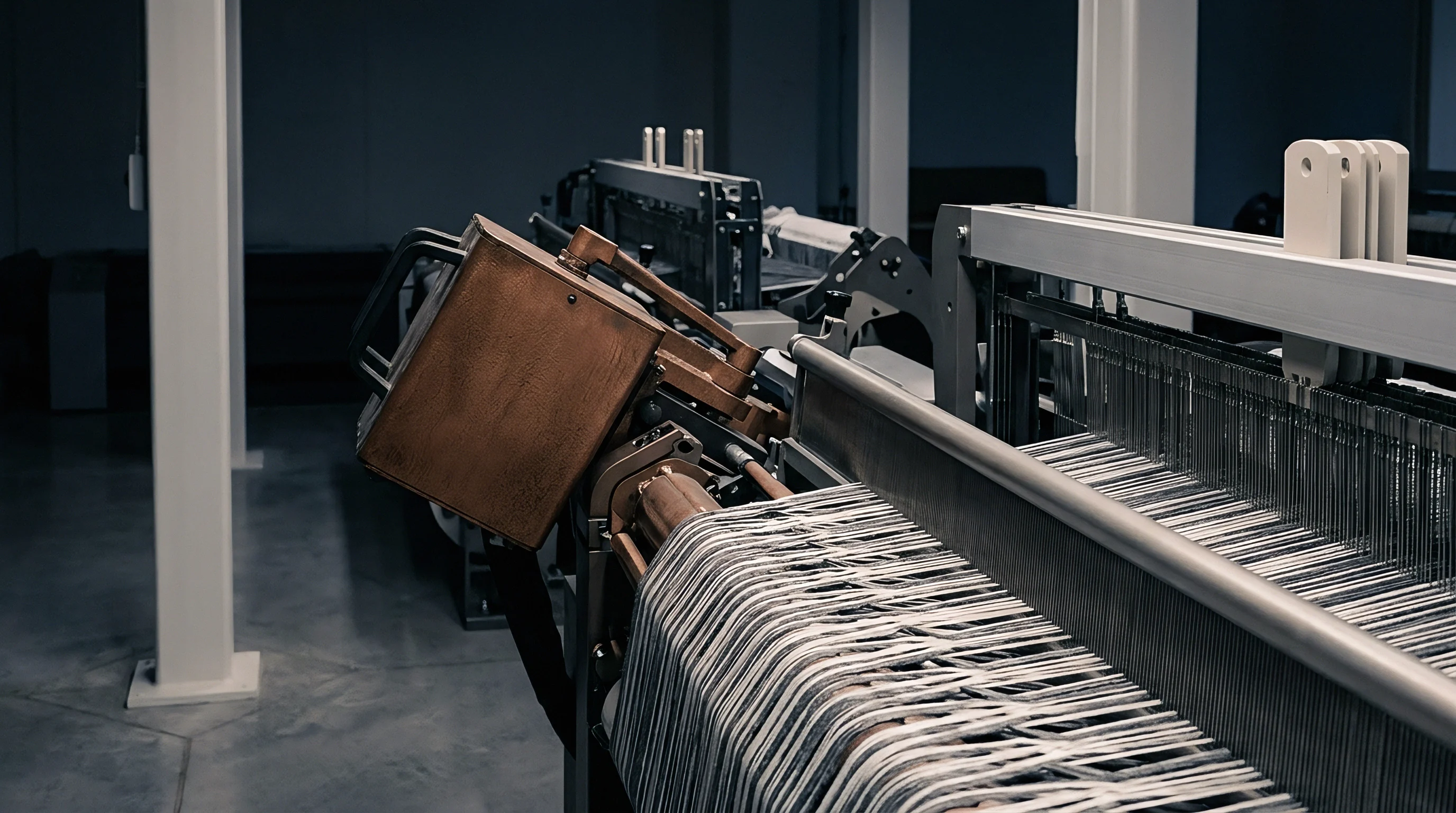
High Speed Shedding Mechanics and Weft Insertion
Peak shed opening angles produce cyclical elongation in the warp sheet, elevating yarn stress during beat-up. On rapier looms running at 650 picks per minute, mechanical drive linkages execute shed opening curves that subject warp yarns to tensile pulses reaching up to 1.8 grams per denier. Air-jet insertion engines running at 1,100 picks per minute reduce mechanical dwell times, requiring higher warp sheet tension to prevent filling stops and yarn entanglements within the air channel.
High static beam tension flattens warp crimp while increasing weft crimp during beat-up, driving structural mass shifts across the roll width.
Warp tension alters thread density.
Quantifying structural mass begins with the fabric cover factor equation derived from yarn geometry and thread density. Fractional cover factor K is calculated using ends and picks per centimetre alongside yarn tex linear density:
K_warp = (ends_per_cm) sqrt(tex_warp) / 10
K_weft = (picks_per_cm) sqrt(tex_weft) / 10
K_total = K_warp + K_weft – (K_warp K_weft / 28)
When high-speed loom vibrations cause micro-slips in the take-up roller clutch, picks per centimetre decrease periodically. A drop from 24.0 to 22.8 picks per centimetre on a 3/1 twill weave instantly reduces fabric weight by 10 grams per square metre, pushing the cloth below lower commercial specification limits while altering finished dye uptake rate.
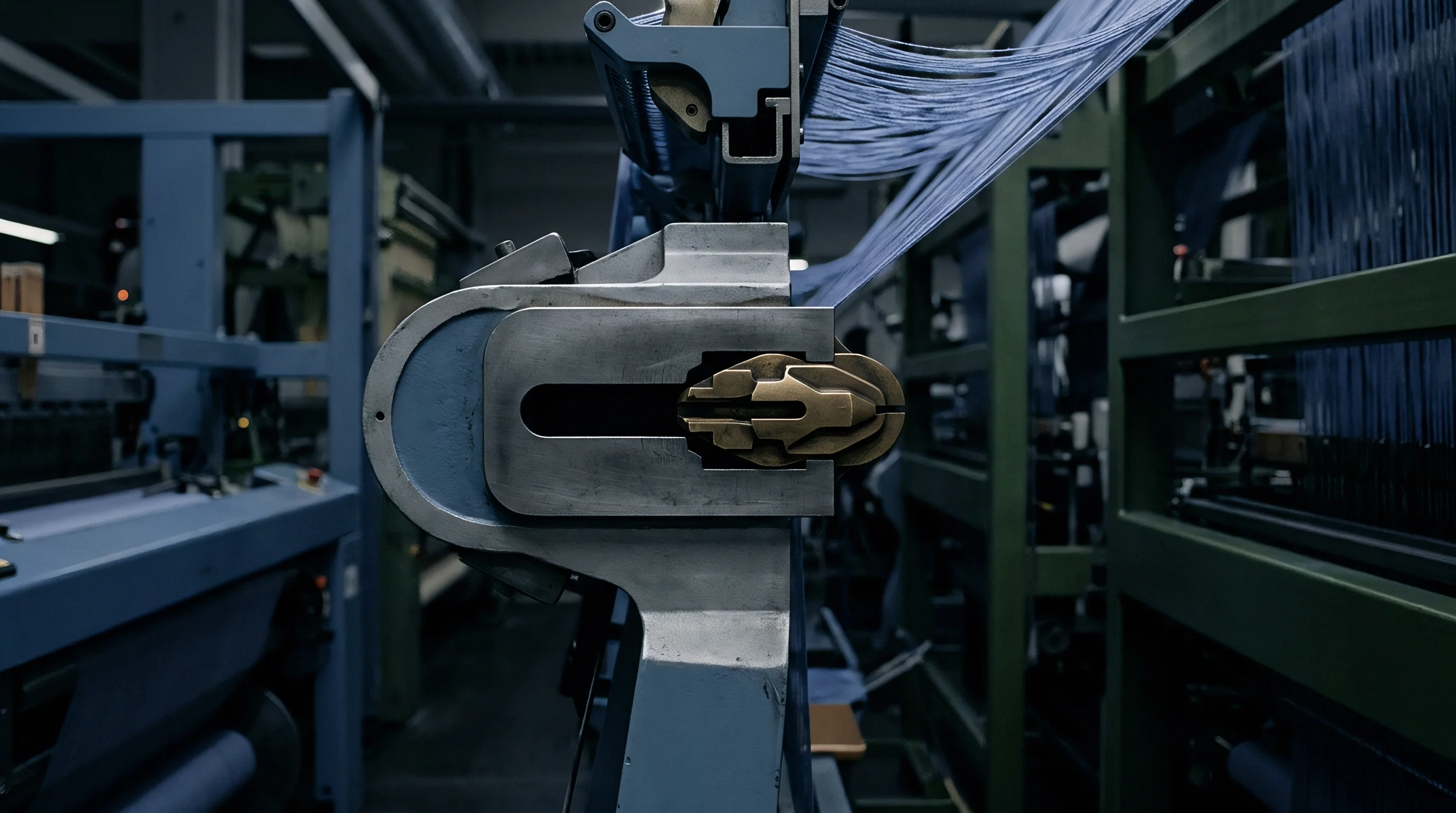
Cover Factor Equations and off Loom Weight Tolerances
Calculating fabric density relies on comparing thread diameters against center-to-center spacing within the structural grid. Standard grey fabric specifications establish nominal pick counts with an allowable tolerance of plus or minus two percent. On high-speed weaving equipment, a two percent decrease in pick density combined with a one percent drop in warp ends due to reed splay creates an additive weight reduction of three percent off the loom.
Yarn count variations drive weight shifts.
An over-tensioned warp beam lightens the finished fabric long before the stenter pin chain applies heat.
Off-loom weight measurements taken directly behind the take-up roll reflect temporary tensioned states rather than relaxed structural equilibrium. Yarns undergo viscoelastic strain recovery over twenty-four hours following loom doffing. Grey mass per unit area evaluated immediately after weaving yields lower mass figures than fabric conditioned under ISO 3801 standard environments, masking true yield figures prior to dyehouse entry.
| Insertion Technology | Loom Speed (PPM) | Mean Warp Tension (g/den) | Picks per Cm Variance (%) | ISO 3801 Mass Delta (%) |
|---|---|---|---|---|
| Air-Jet (Profile Reed) | 1050 | 1.65 | +/- 1.8 | +/- 3.2 |
| Flexible Rapier | 680 | 1.25 | +/- 0.9 | +/- 1.6 |
| Projectile | 420 | 0.95 | +/- 0.5 | +/- 0.9 |
| Data derived from 100 percent combed cotton 30s/1 warp, 20s/1 weft plain weave constructions conditioned at 20C and 65 percent relative humidity. | ||||
Excessive beam tension consistently reduces finished fabric weight while inflating wet processing shrinkage.

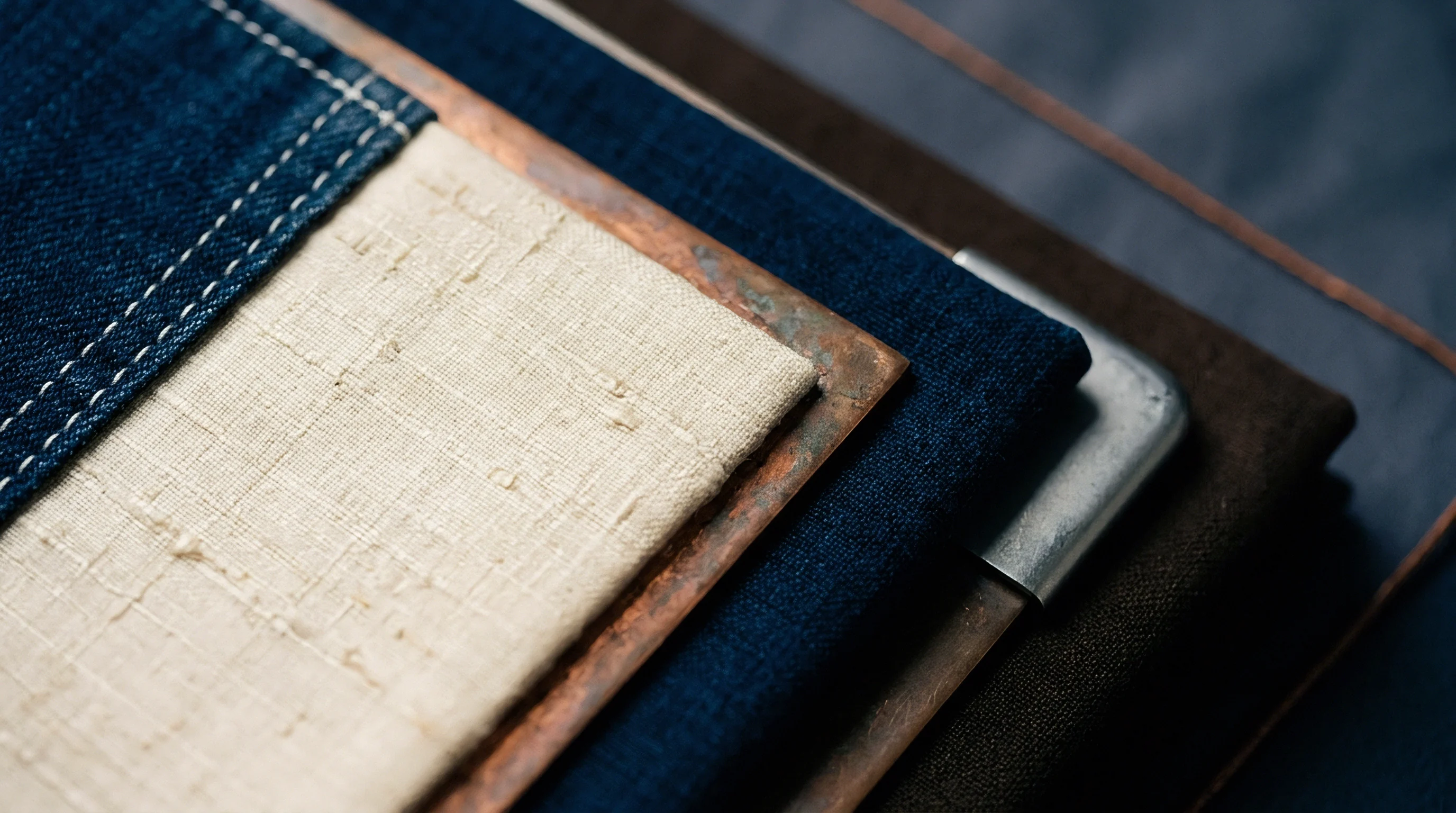
Shed
Mechanical geometry within the loom harness frame dictates how warp ends bend around inserted pick yarns. The relationship between warp crimp and weft crimp, known as crimp interchange, establishes the baseline structural dimensions of grey fabric. High beat-up force applied by the reed forces weft yarns into a wavy path while pulling warp yarns taut, shifting crimp distribution.
As the woven roll unrolls and relaxes, stored elastic strain forces the structure to contract in length while expanding in width or vice versa, causing dimensional yield drift.
Beat-up force dictates warp crimp.
Evaluating crimp percentage C requires measuring yarn length removed from a fabric sample of known length L_fabric under standard tension, yields yarn length L_yarn according to ISO 7211-3:
C = ((L_yarn – L_fabric) / L_fabric) 100
A warp crimp of 8.5 percent combined with a weft crimp of 4.2 percent on a high-speed rapier loom produces high longitudinal stability but creates extreme widthwise instability during subsequent wet scouring and jet dyeing operations.
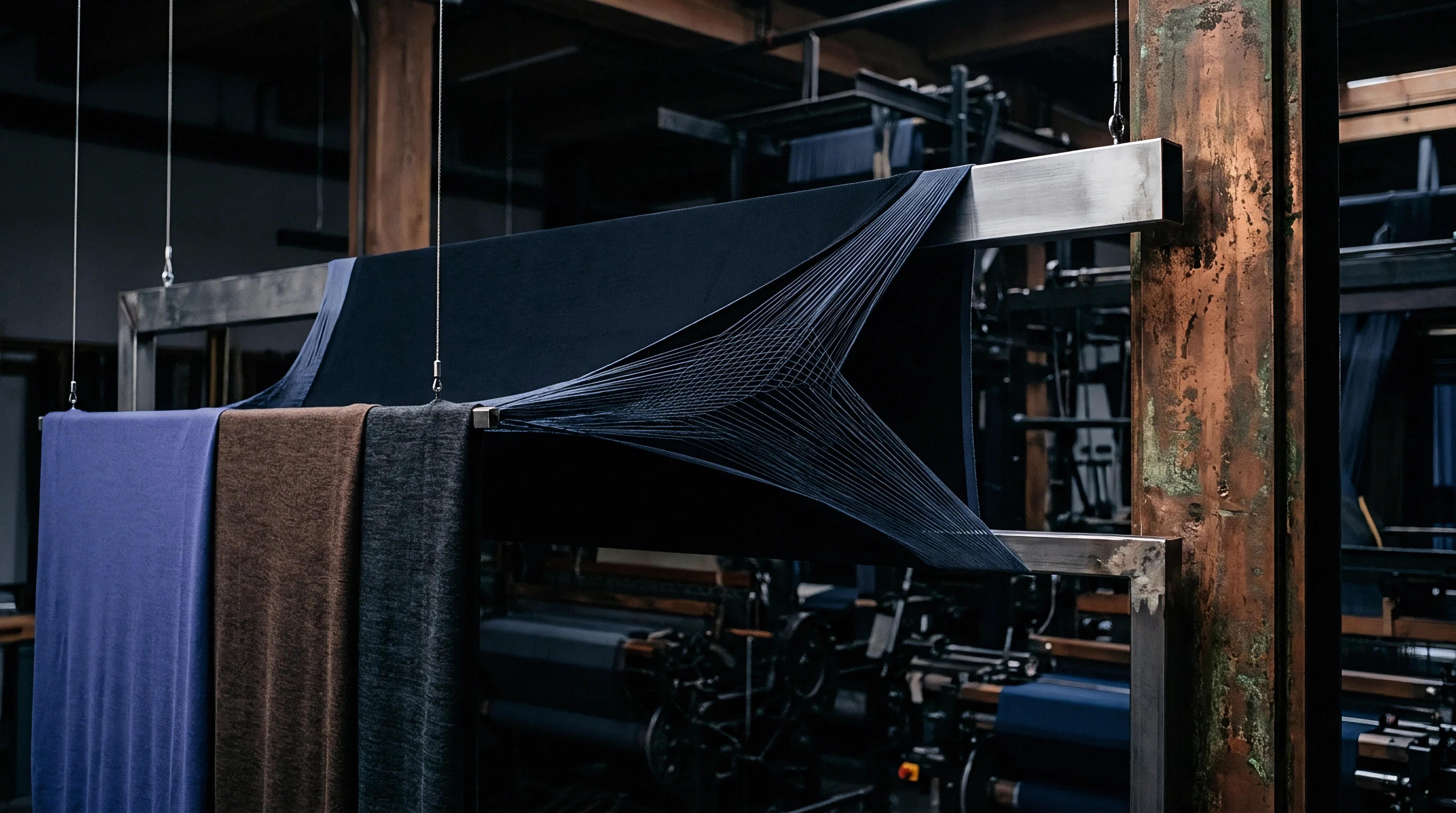
Crimp Interchange Dynamics during High Speed Beat Up
When beat-up forces compress inserted filling yarns, internal strain shifts between warp and weft systems until axial force balance is established. High insertion speeds restrict the timeframe available for yarn stress relaxation during harness crossing. Modern electronic let-off mechanisms utilize closed-loop load cell feedback to regulate warp sheet tension throughout the weaving cycle, but mechanical hysteresis in loom harness frames leads to micro-variations between front and rear harness frames.
Weft insertion rate affects tension balance.
Unequal harness lifts create asymmetrical crimp distribution between odd and even warp ends. In heavy continuous production runs, this asymmetry manifests as diagonal bowing and widthwise structural instability when the grey fabric contacts hot aqueous baths during dyeing.

Widthwise Contraction and Reed Width Calculations
Designing reed space demands accurate projections of grey fabric contraction driven by filling tension relaxation. Reed width calculation relies on target grey width, weft yarn crimp percentage, and an empirical factor accounting for temple clamp resistance:
Reed_Width = Finished_Width (1 + C_weft / 100) (1 + Process_Shrinkage / 100)
Inadequate reed width calculation forces finishing plants to over-stretch grey goods laterally on stenter frames to hit contract customer width specifications, triggering severe residual longitudinal shrinkage upon garment laundering.
- Asymmetric Warp Let-Off causes non-uniform tension distribution across the beam, creating longitudinal weight bands that vary by up to eight grams per square metre from selvedge to center.
- Weft Crimp Relaxation Differential arises when air-jet main nozzle propulsion pressures fluctuate, imparting variable mechanical strain along the length of each inserted pick.
- Off-Center Temple Clamp Pressure pinches selvedges unevenly, holding outer warp ends taut while inner warp ends contract, leading to wavy edges and localized width narrowing.
- Cyclic Harness Height Misalignment changes the shed geometry during harness crossing, driving periodic crimp interchange shifts that manifest as horizontal bar marks under shade evaluation.
Unconditioned cotton-polyester twill woven above 800 picks per minute exhibits a mass increase of three grams per square metre following twenty-four hours of ambient relaxation.

Worked Yield Shift and Crimp Analysis
Consider a 100 percent combed cotton 2/2 twill woven on an air-jet loom at 900 picks per minute. The fabric target specification specifies a finished mass of 240 grams per square metre and a finished width of 150 centimetres. Loom setup parameters utilize a reed width of 168 centimetres, warp end count of 3,840 total ends (25.6 ends/cm in reed), yarn linear density of 30 tex in warp and 35 tex in weft, and a pick setting of 22 picks per centimetre off the loom take-up roll.
Off-loom measurements taken immediately after weaving reveal a warp crimp of 6.2 percent and a weft crimp of 10.5 percent. The calculated grey mass per unit area off the loom is:
Mass_grey = (25.6 100 30 / (1000 (1 – 0.062))) + (22.0 100 35 / (1000 (1 – 0.105))) = 81.87 + 86.03 = 167.90 g/m²
Following twenty-four hours of ambient bench relaxation, elastic recovery shifts warp crimp from 6.2 percent up to 8.1 percent, contracting fabric length by 2.0 percent while pick density rises to 22.45 picks per centimetre. Re-calculating relaxed grey mass yields 171.32 grams per square metre. Ignore this structural relaxation step and the dyehouse will miscalculate stenter overfeed percentages, resulting in an underweight finished delivery.
Weaving mills typically claim that width contraction anomalies originate entirely from yarn spinner twist variations rather than loom let-off tension spikes.

Vat
Liquid immersion triggers immediate fibre swelling, altering internal friction between intersecting yarns in the wet grey roll. When hydrophilic fibres like cotton, viscose, or linen absorb aqueous liquor inside jet or jig dyeing vessels, yarn cross-sections expand significantly while yarn lengths contract. Hydrogen bonds within cellulosic amorphous regions break under water penetration, releasing mechanical strain locked into the yarns during high-speed weaving.
This relaxation process drives dimensional drift, causing significant fabric length contraction and mass accumulation per unit area.
Rope processing stretches wet yarns.
In high-temperature jet dyeing vessels operating at 130 degrees Celsius for polyester or 95 degrees Celsius for cotton, fabric ropes circulate through transport nozzles driven by hydraulic liquor flow at speeds reaching 400 metres per minute. Mechanical pull exerted by transport winches and hydraulic drag inside jet nozzles imposes continuous axial tension on wet goods. This axial strain elongates relaxed loop structures, forcing weft crimp into warp ends and causing severe width contraction.
What Drives Widthwise Contraction during Jet Dyeing?
Cellulosic yarns expand in cross-sectional diameter when saturated, driving axial length reduction throughout the structural unit cell. Hydrophobic synthetic fibres like polyester exhibit minimal moisture-driven swelling but undergo thermal contraction when exposed to dye liquor temperatures exceeding their glass transition threshold (T_g ~ 80 degrees Celsius). When polyester-cotton blended fabrics enter high-temperature jet dyeing tubes, thermal contraction of polyester warp yarns combines with moisture swelling of cotton filling yarns, generating complex dimensional movement.
Nozzle pressure induces linear strain.
Excessive venturi nozzle pressure inside jet dyeing machines acts directly upon wet fabric ropes, driving longitudinal elongation while pulling side edges inward. A fabric entering the dyehouse at 160 centimetres greige width can exit the unloading winch at 142 centimetres width if jet tube hydraulic draft remains uncalibrated, representing an 11.2 percent width loss that must be recovered during drying.
| Dyeing Machinery Route | Substrate Blend | Longitudinal Strain (%) | Widthwise Contraction (%) | Post-Dye Mass Shift (%) |
|---|---|---|---|---|
| High-Pressure Jet (Rope) | 100% Polyester | + 4.2 | – 9.5 | + 6.1 |
| Atmospheric Overflow (Rope) | 100% Cotton Twill | – 5.8 | – 6.2 | + 13.8 |
| Hydraulic Jig (Open Width) | 100% Cotton Poplin | + 2.1 | – 2.8 | + 0.8 |
| Continuous Pad-Steam | 65/35 Poly-Cotton | + 0.5 | – 1.5 | + 1.2 |
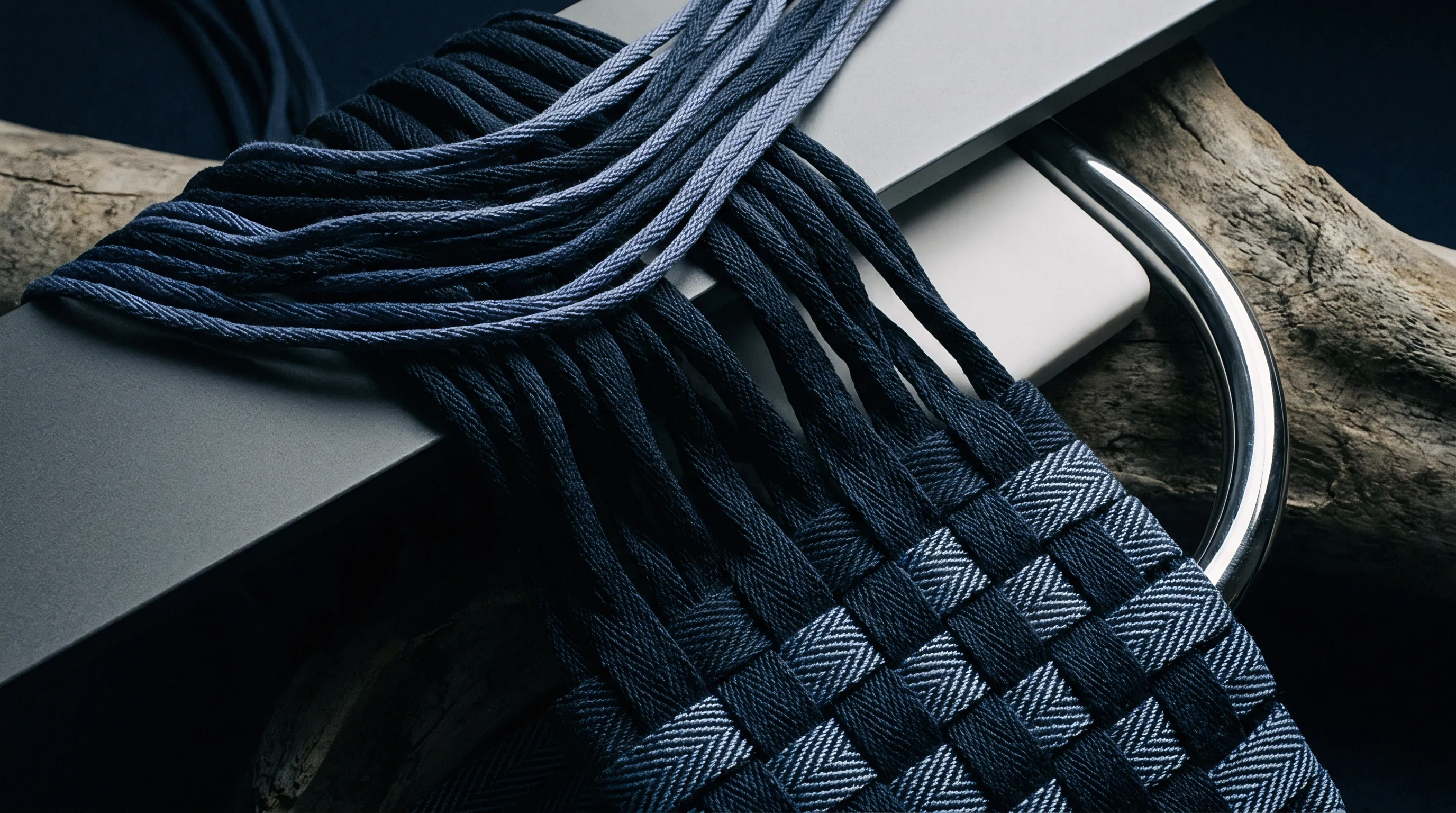
Rope Form Tension and Longitudinal Elongation
Processing woven goods in rope form inevitably creates uneven tension distribution across the fabric cross-section. Outer surfaces of the crushed rope experience higher mechanical drag against chamber walls, while inner folds remain under compression. This differential strain distribution generates localized variations in yarn crimp recovery across the roll width, leading to edge-to-center mass variations.
- Measure off-loom greige dimensions and calculate baseline mass according to ISO 3801 prior to scour entry.
- Record longitudinal tension across the jet tube nozzle during full shade exhaust cycle.
- Sample three fabric swatches from head, middle, and tail of the dyed batch in wet state.
- Measure relaxed width on flat inspection table after dewetting and pad-extraction.
Compliance with ISO 5077 dimensional stability thresholds requires setting stenter overfeed percentages directly against rope-dyed longitudinal strain profiles.
Open-width processing systems like hydraulic jigs and continuous pad-steam ranges minimize widthwise contraction by maintaining flat fabric geometry throughout chemical application and washing. Tension control on modern hydraulic jigs utilizes differential AC servo drives to maintain constant web tension down to 50 Newtons across total roll diameters up to 1,200 millimetres. Lower mechanical strain prevents severe longitudinal stretch, preserving grey crimp balance and allowing precise control over finished mass per unit area.
Failing to compensate for jet tube longitudinal strain results in severe garment length shrinkage during initial consumer laundering.


Stenter
Drying chambers re-establish fixed inter-yarn spacing by evaporating moisture while holding the substrate under controlled biaxial pin tension. The stenter frame represents the critical finishing unit where final fabric weight, usable width, and dimensional stability are locked into the construction. Differential speed control between the entry feed rollers and the main pin chain, known as overfeed percentage, enables finishing technicians to force length shrinkage into wet fabric prior to heat application, compensating for prior wet-processing elongation.
Drying locks residual fabric tension.
Calculated overfeed percentage OF is governed by incoming wet fabric velocity V_in and drying pin chain velocity V_chain:
OF = ((V_in – V_chain) / V_chain) 100
Applying a positive overfeed of +12 percent forces 112 metres of wet fabric onto 100 metres of pin chain length. As water evaporates within heated stenter bays, yarn loops contract into compacted configurations, elevating finished pick density and raising mass per unit area to achieve target weight specifications.
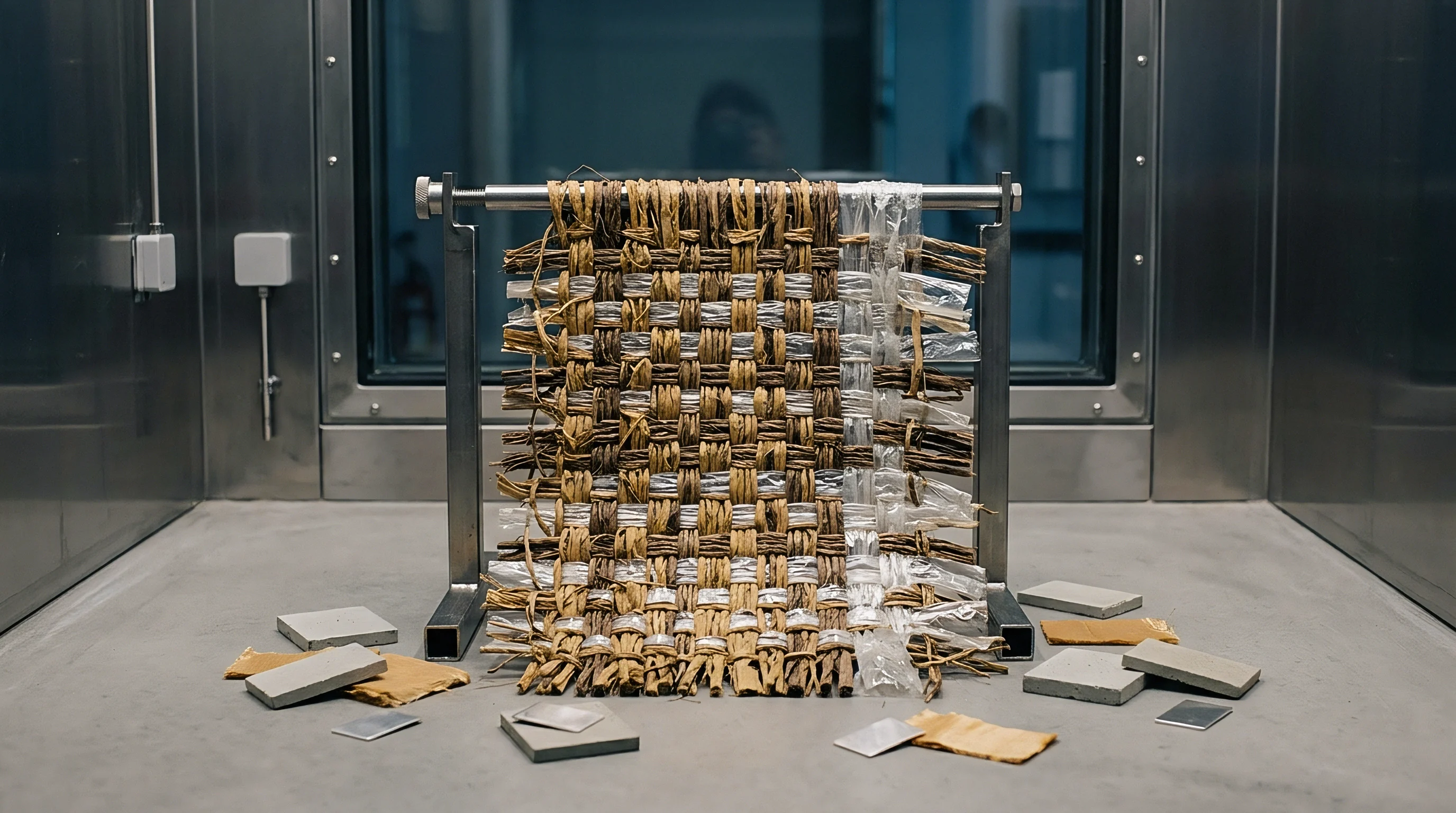
Pin Chain Overfeed Mechanics and Density Compensation
Differential speed ratios between input feed rollers and transport pin tracks force extra fabric length into the drying zone. Overfeed capability allows mills to adjust finished fabric mass within a range of plus or minus eight percent relative to green state grey mass. Overfeeding shortens fabric length, increasing picks per centimetre and raising finished GSM according to the equation:
GSM_finished = GSM_incoming (1 + OF / 100) (Width_incoming / Width_target)
Attempting to gain excessive finished weight by applying unrealistic overfeed values exceeding +18 percent results in mechanical pin spillage, edge lifting, and uneven wave formation along the selvedges, rendering edge cuts unusable on garment cutting tables.
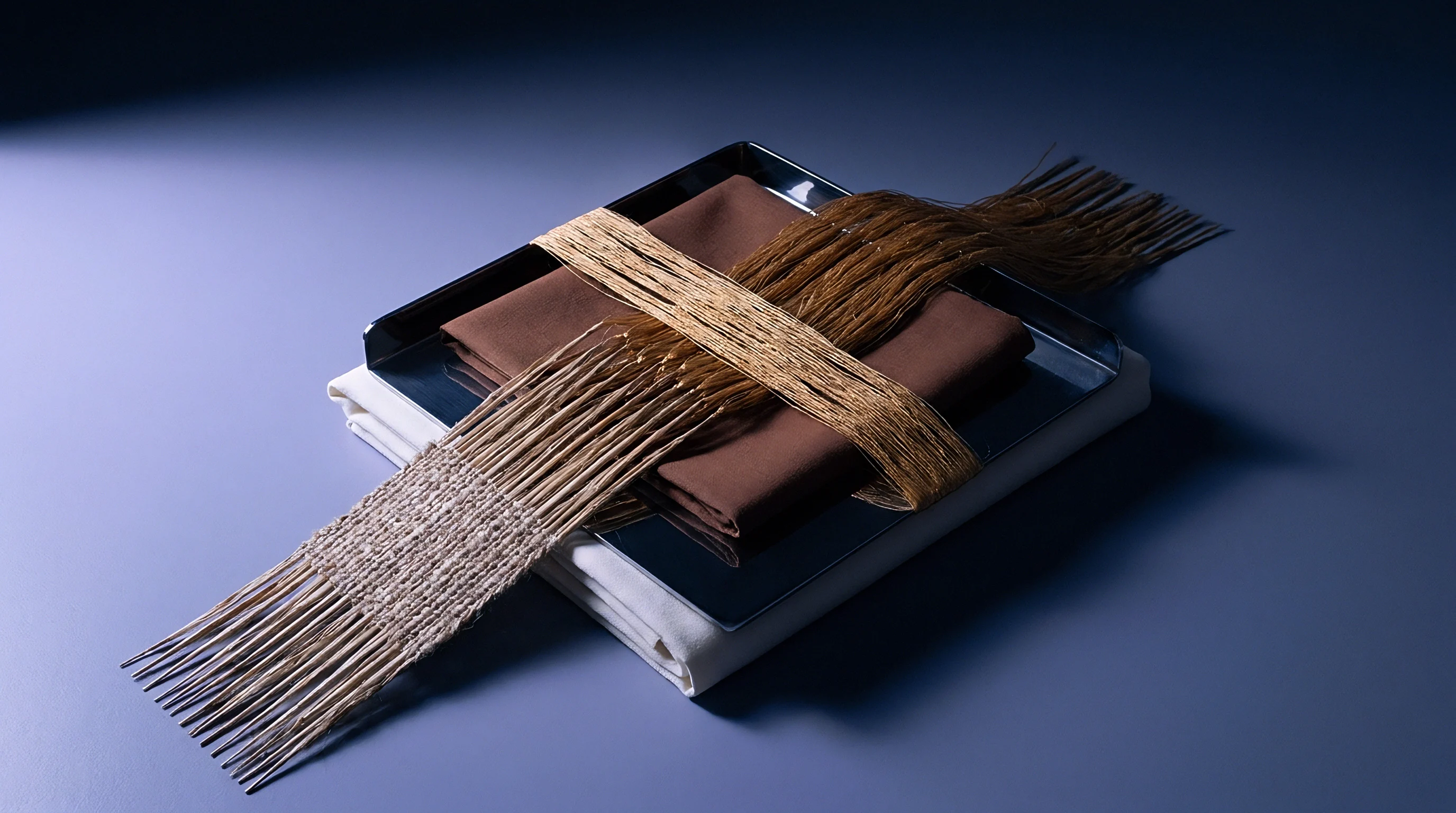
Heat Setting Kinetics and Polymeric Crystalline Yield
Thermoplastic synthetic fibres undergo polymer chain relaxation when exposed to temperatures exceeding their glass transition threshold. For 100 percent polyester constructions, heat setting executed inside stenter zones at 190 to 205 degrees Celsius breaks intermolecular secondary bonds, allowing polymer chains to realign into low-stress crystalline states. Elastane blends require precise heat setting at 185 degrees Celsius with a dwell time of 45 seconds to establish dimensional memory without degrading polyurethane core filaments.
Thermal dwell time fixes dimensions.
Inadequate thermal dwell time leaves residual internal stress in synthetic yarns, causing severe hygral expansion and thermal shrinkage when finished goods undergo steam pressing during garment manufacturing.
- Target GSM Offset Calibration compares wet pad-extracted mass against final dry specifications to calculate exact pin chain overfeed ratios.
- Widthwise Pin Gauge Adjustment sets drying track width wider than target finished width by two centimetres to account for elastic neck-in upon pin chain release.
- Residual Moisture Sensor Thresholds regulate exhaust blower damper positions to guarantee fabric leaves the final cooling zone at standard regain levels.
- Biaxial Tension Balancing Ratio correlates overfeed speed against pin chain lateral strain to prevent asymmetry between warp tensile strength and weft tear resistance under ISO 13934-1 testing.
Over-stretching fabric width on the drying frame permanently degrades tear strength while under-delivering finished roll yield.
| Finishing Setup Target | Overfeed (%) | Chamber Temp (°C) | Dwell Time (s) | Finished GSM (g/m²) | ISO 5077 Wash Shrinkage (%) |
|---|---|---|---|---|---|
| Maximum Weight Recovery | + 16.0 | 165 | 35 | 248 | – 1.8 / – 1.2 |
| Balanced Yield Nominal | + 8.0 | 170 | 30 | 232 | – 2.5 / – 2.0 |
| Maximum Linear Yield | 0.0 | 175 | 25 | 215 | – 6.8 / – 3.1 |
| Width Stretch Maximum | – 4.0 | 180 | 20 | 202 | – 9.4 / – 1.5 |
| Data based on 100 percent cotton 3/1 heavy twill finished on a 6-bay oil-heated stenter frame under ISO 6330 4N wash testing. | |||||
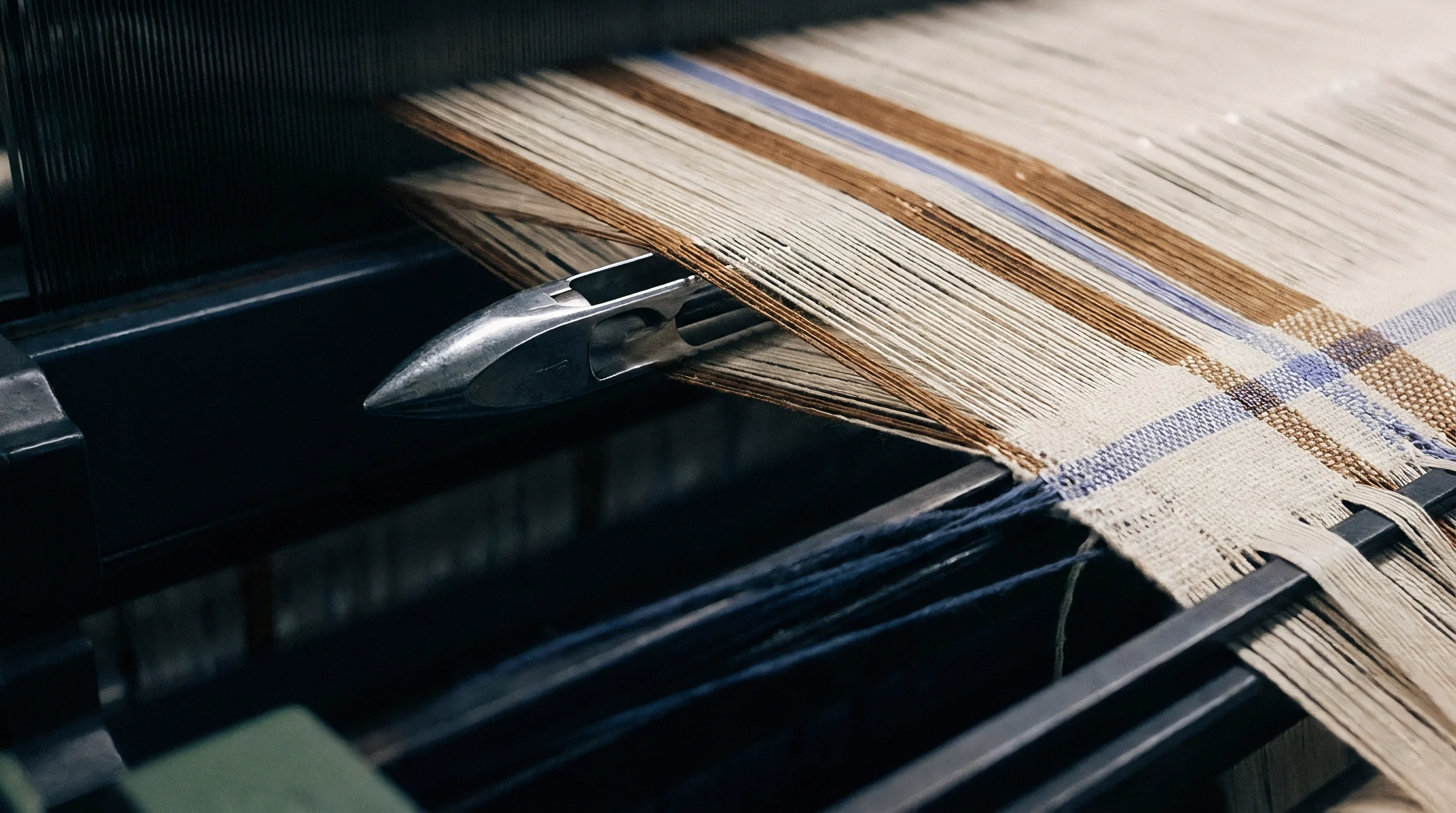
Worked Overfeed and Mass Optimization Calculation
Assume a dyehouse receives a 20,000-metre lot of 65/35 polyester-cotton workwear twill dyed in rope form on jet machines. Wet pad-extraction leaves the fabric at 55 percent residual moisture content with an unrelaxed wet width of 148 centimetres and an incoming wet mass of 310 grams per square metre (dry mass equivalent: 200 g/m²). The client specification mandates a finished width of 150 centimetres, a finished mass of 220 grams per square metre, and post-wash dimensional stability under ISO 5077 within plus or minus 2.0 percent in both warp and weft directions.
To reach 220 g/m² finished mass from a 200 g/m² dry incoming base while widening the fabric from 148 cm to 150 cm, the required linear mass accumulation ratio R is calculated:
R = (GSM_target / GSM_incoming_dry) (Width_target / Width_incoming) = (220 / 200) (150 / 148) = 1.10 1.0135 = 1.1148
This linear accumulation requires an overall length compaction of 11.48 percent. The required stenter pin chain overfeed percentage OF is:
OF = ((R – 1) / 1) 100 = 11.48%
Setting stenter bay temperatures to 180 degrees Celsius across bays 1 through 4 for drying, and 195 degrees Celsius in bays 5 and 6 for heat setting at a chain speed of 38 metres per minute provides a dwell time of 28.4 seconds inside the 18-metre drying housing. Testing finished rolls under ISO 5077 confirms warp shrinkage at -1.4 percent and weft shrinkage at -1.1 percent, placing the bulk delivery comfortably inside contract limits while delivering the target weight.
Standard commercial specifications following ISO 5077 mandate that post-wash dimensional variance thresholds override green-state delivery width targets.


Discrepancy
Commercial transactions for woven goods frequently encounter mismatches between delivered weight metrics and invoiced linear yardage. Fabric buyers purchase linear metres to fulfill garment marker layouts, whereas mills calculate production costs based on fibre weight consumed per hour. When structural mass variations occur across high-speed weaving and wet finishing operations, linear yield drifts from theoretical projections, generating commercial disputes over billable quantities, width compliance, and mass tolerances.
Width loss increases cutting waste.
Contractual weight targets dictate final billing.

Commercial Tolerance Ranges and Invoice Mass Reconciliations
Standard purchasing contracts define allowable mass variances within a three percent margin above or below nominal specification. When a finishing mill delivers fabric that meets weight specifications but falls two centimetres narrow on usable cuttable width, garment manufacturers experience immediate yield losses. Cutters must redesign computer marker lay plans, reducing pattern yield and increasing cutting room scrap rates.
Uncorrected drift inflates raw material expenditure.
Converting nominal order requirements into financial metrics requires evaluating landed cost per usable square metre rather than simple invoice cost per linear metre. Usable fabric area calculation accounts for un-cuttable selvedges and width deficits:
Cost_usable = (Invoice_Price_per_Linear_Metre) / (Total_Width – 2 Selvedge_Width)
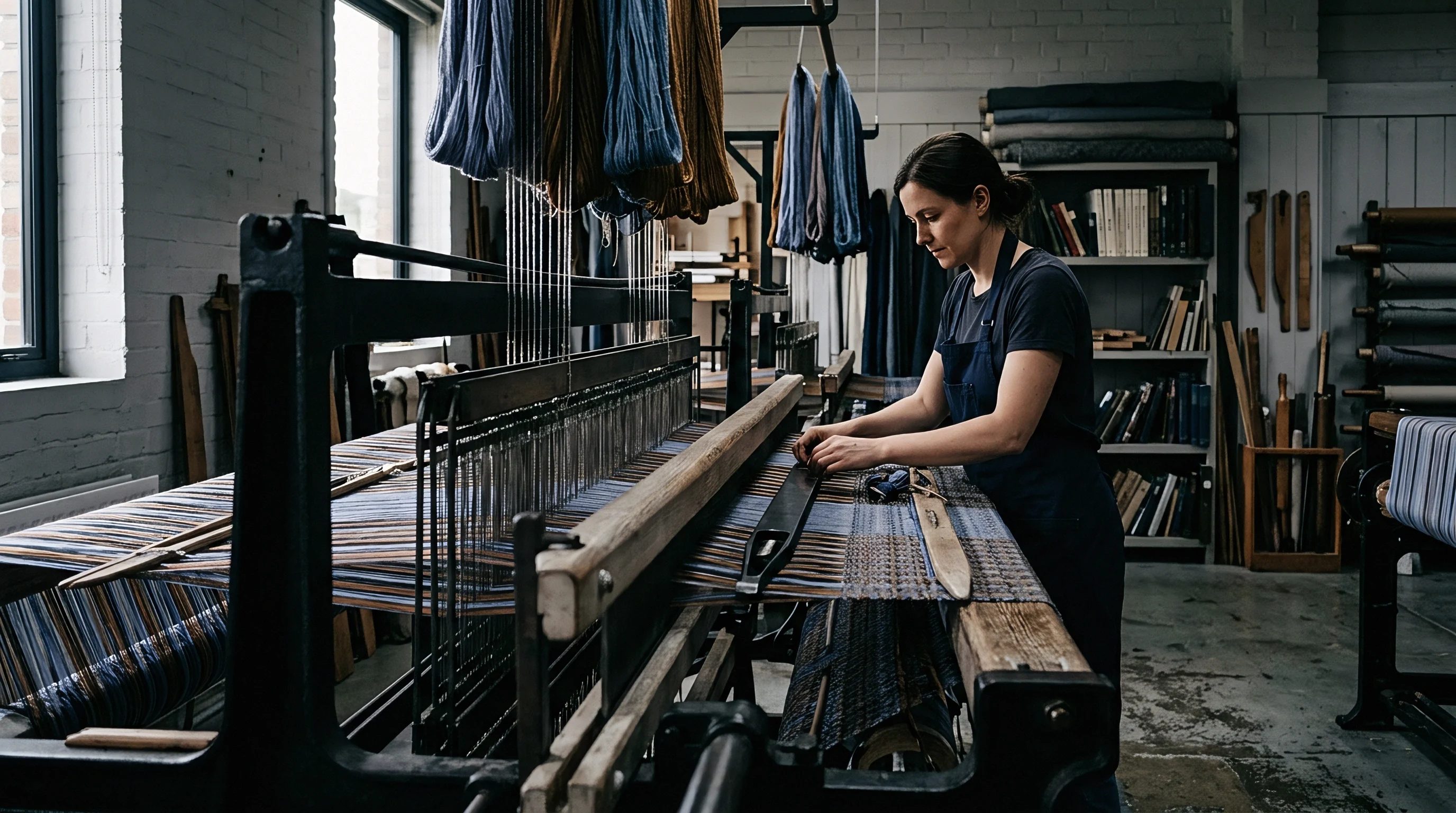
Cutting Table Yield Losses and Roll Width Deficits
Inconsistent width across rolls within a single dye lot forces garment factories to sort rolls into width sub-groups before laying up cutting tables. Sorting increases labor overhead and introduces scheduling delays. When a 50,000-metre order contains width variations ranging from 146 to 152 centimetres, the garment marker must be locked to the narrowest 146-centimetre threshold, wasting up to 3.9 percent of usable surface area on wider rolls within the same shipment.
Worked Commercial Reconciliation Analysis
Consider a buyer sourcing 50,000 linear metres of dyed cotton canvas specified at 300 g/m² nominal weight and 150 cm nominal cuttable width, priced at 4.20 USD per linear metre (total purchase order value: 210,000 USD). Contract terms establish an allowable mass tolerance of plus or minus 3.0 percent (291 to 309 g/m²) and a minimum cuttable width threshold of 148 cm.
Upon arrival at the buyer’s receiving audit desk, physical testing across 10 percent of delivered rolls reveals average finished mass of 288 g/m² (4.0 percent below nominal, 3 g/m² below lower tolerance limit) and an average cuttable width of 147 cm (1.0 cm below absolute minimum threshold). Total shipment weight delivered equals 21,168 kilograms against a nominal contract target of 22,500 kilograms, representing an unadjusted material deficit of 1,332 kilograms of fibre.
The financial impact of this dual discrepancy combines direct material deficits with cutting room efficiency losses. The 4.0 percent weight deficiency reduces the fabric’s physical structural density, risking failure under ISO 13934-1 strip tensile strength requirements. Simultaneously, the 1.0 cm width deficit forces cutting table markers to shrink from 148 cm down to 146 cm, resulting in a 1.35 percent pattern layout yield loss across garment production runs.
Reconciling the invoice involves applying a dual penalty deduction against the baseline mill invoice:
Weight_Penalty = Value (Target_GSM – Actual_GSM) / Target_GSM = 210,000 (300 – 288) / 300 = 8,400 USD
Width_Loss_Penalty = Value (Target_Width – Actual_Width) / Target_Width = 210,000 (1.48 – 1.47) / 1.48 = 1,418.92 USD
Total Commercial Adjustment = 8,400 + 1,418.92 = 9,818.92 USD
The revised billable total equals 200,181.08 USD. Resolving mass variances through direct contractual mathematical formulas prevents endless dispute negotiations and anchors commercial relationships in verifiable technical performance data.
Whether real-time optical scanning of stenter exiting width can eliminate post-dyeing mass reconciliations remains an unresolved operational question across modern finishing mills.