
Grounding Greige Yarn Crimp Mechanics in Woven Interlace Geometry
Woven yarn crimp mechanics derive from interlace curvature, where loom tension and yarn bending stiffness govern structural equilibrium and finished fabric width.
Woven yarn crimp mechanics derive from interlace curvature, where loom tension and yarn bending stiffness govern structural equilibrium and finished fabric width.
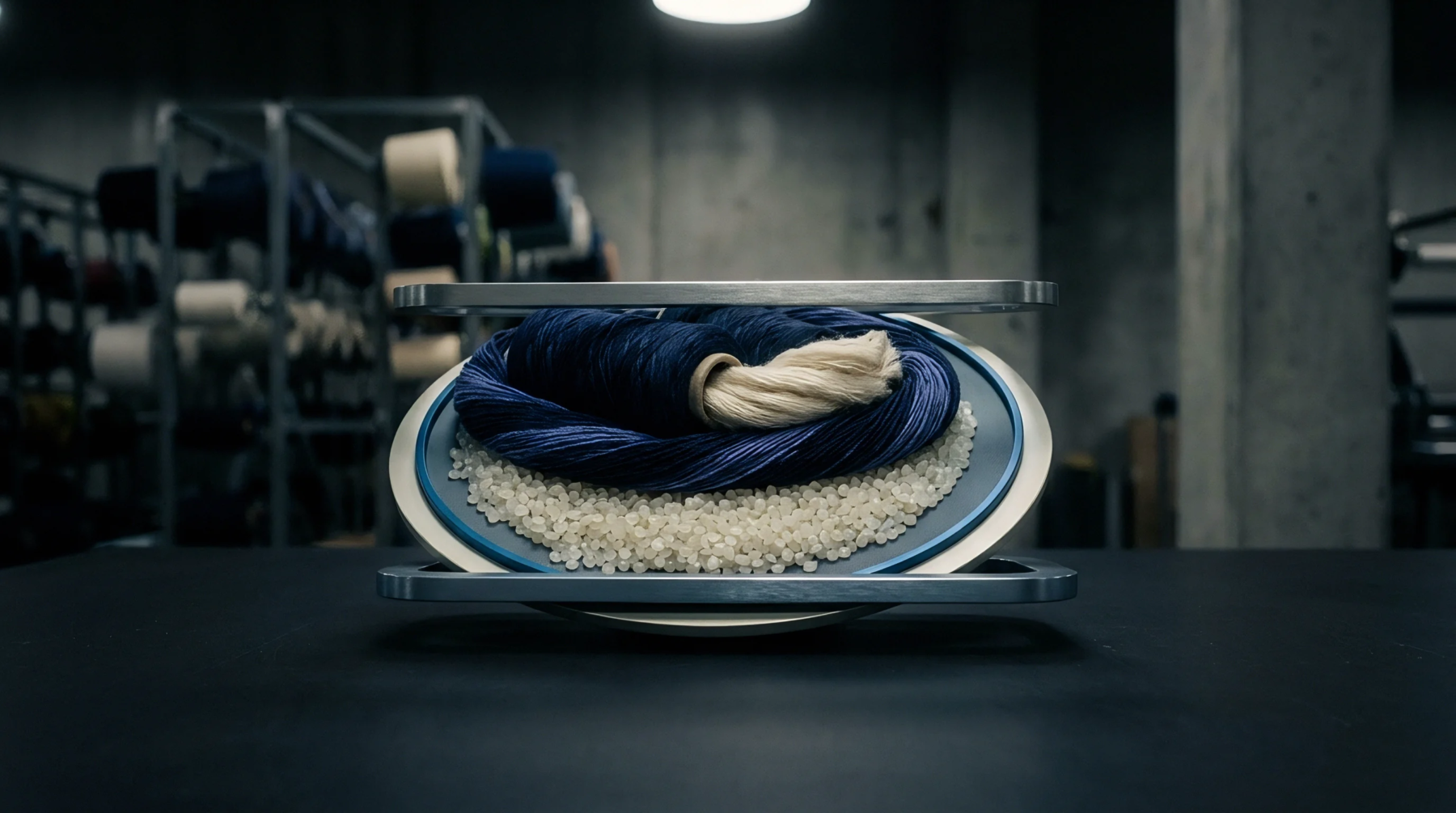
Determining required loom reed width requires converting unraveled weft yarn takeoff data into take-up fractions and adding wet processing shrinkage allowances.

Greige warp parameters require calculating loom reed width from finished dimensions while incorporating weave crimp, size pick-up, and shuttleless selvedge waste.
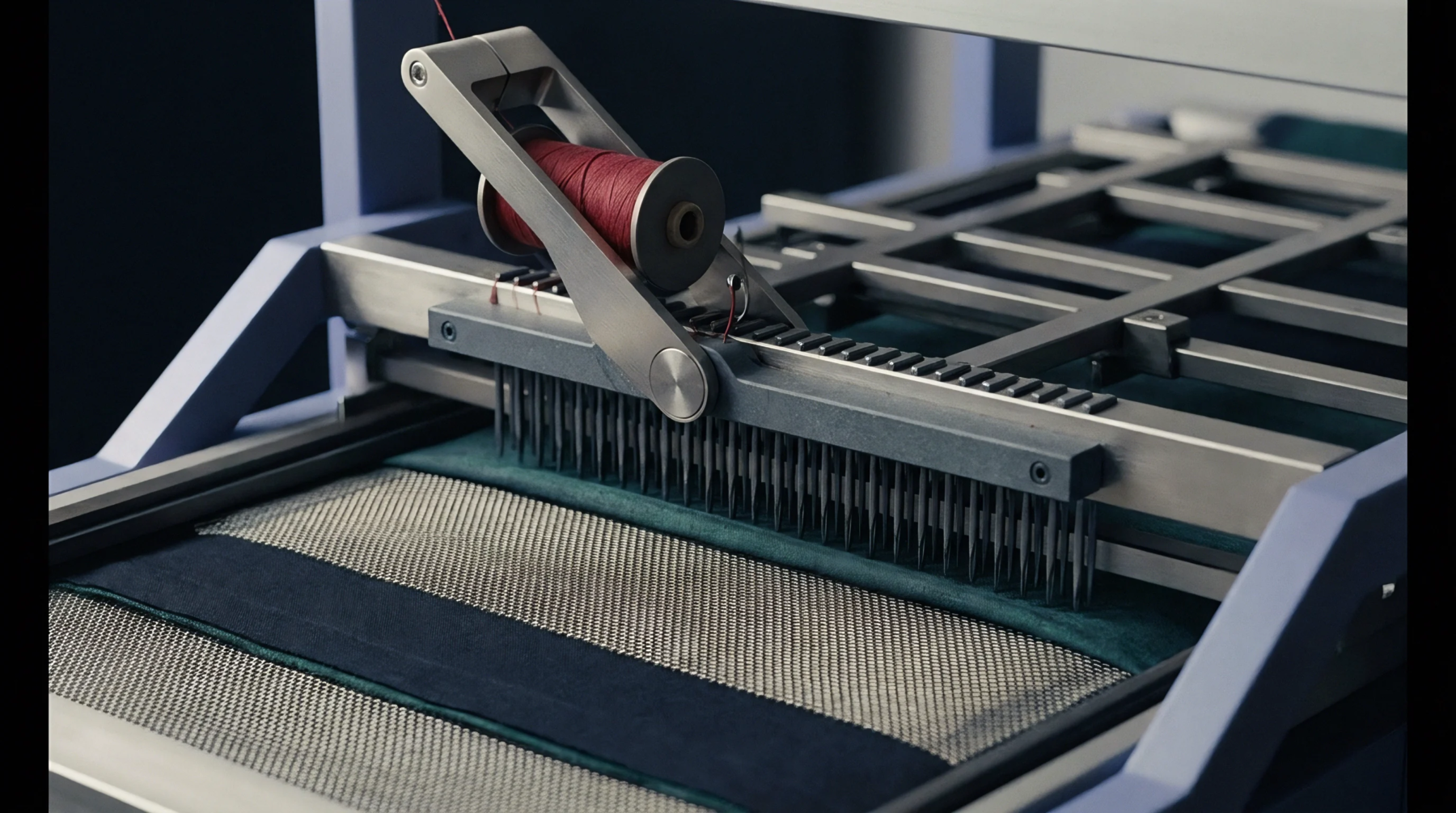
Greige thread density limits wet fabric relaxation by establishing inter-yarn friction boundaries that block yarn swelling and crimp interchange during finishing.

Accurate woven mass calculation requires modeling yarn counts, crimp percentages, sizing removal, and moisture regain across every step from loom shed to final invoice.

Translating fibre price per kilo into cost per finished metre requires adjusting raw cost for commercial regain, spinning yields, weaving crimp, finishing shrink, and customs tariffs.
Expertise is a utility, not a secret. sentiention™ publishes its working knowledge as open reference: intelligence layer covering the materials it sources, the markets it enters, and the reference that serves both.