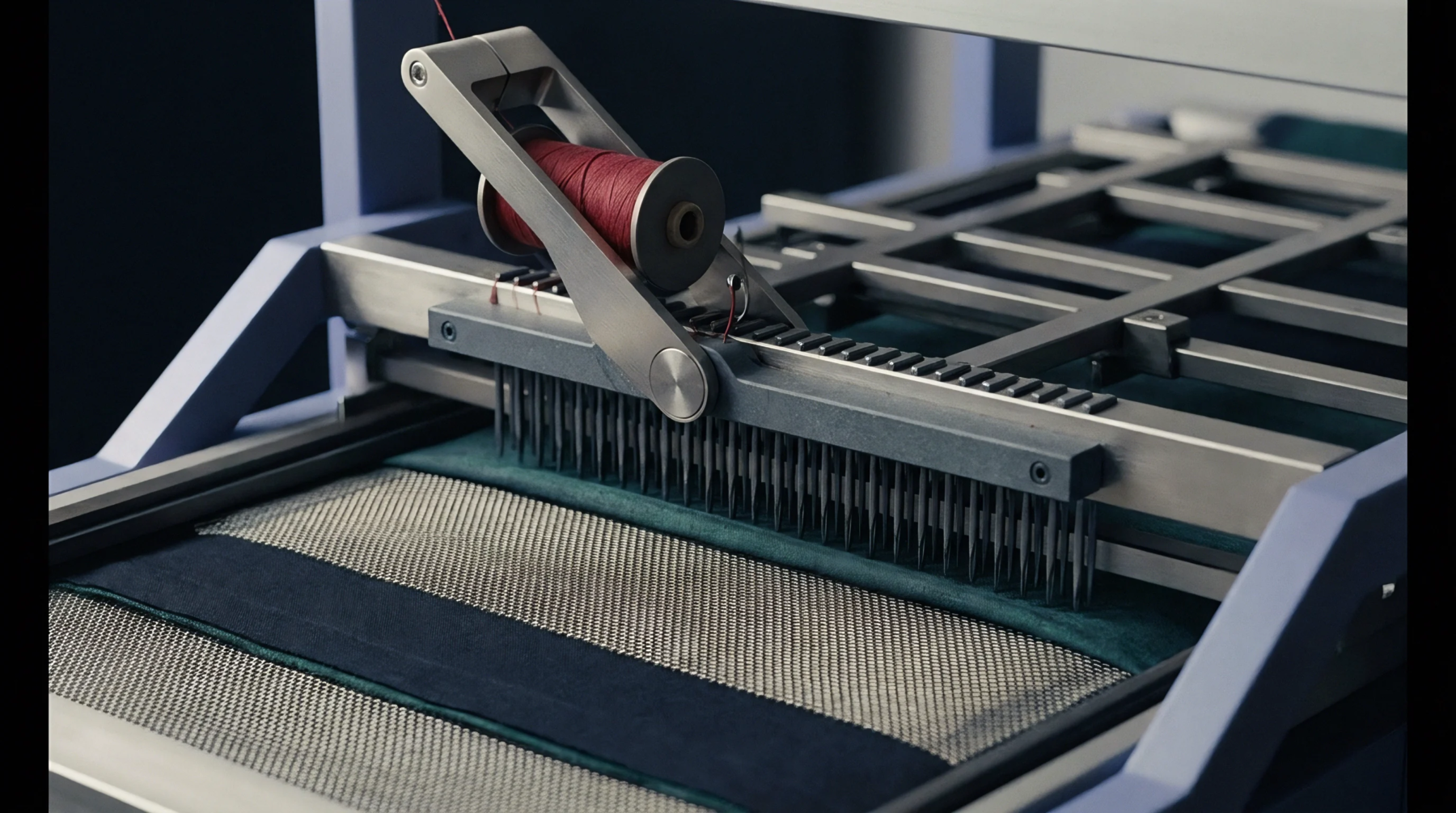
Tension Regulation
Longitudinal force management systems maintain constant machine-direction pulling force on continuous wet fabric webs moving through processing ranges. Finishing plant operators utilize wet web tension control to prevent fabric stretching and web breaks in wet processing machinery. The system ceases to apply to batch operations like jet dyeing or garment washing where continuous web tension is not maintained.
Load Sensing
Sensitive dancer rolls and load cell transducers monitor web tension variations between driven nip rolls continuously. Automated motor controllers adjust drive speeds on adjacent rollers to compensate for fabric elongation or contraction during washing and dyeing. Machine technicians calibrate wet web tension control systems to maintain uniform tension across wet processing steps.
Precise tension management prevents distortion in delicate knitted fabrics and lightweight wovens.
Web Behavior
Water saturation increases fabric weight while reducing yarn friction, making wet webs vulnerable to mechanical deformation. High web tension stretches wet yarns permanently, causing width loss and uneven weight distribution across the roll.
Finishing Calibration
Processing delicate fabrics requires low line tension to preserve natural elasticity and surface texture. Excessive web pull during drying locks structural distortion into the finished fabric, causing skewing and bowing defects. Plant engineers optimize wet web tension control settings across wash boxes and pad mangles to balance web transport speed against fabric strength.
Reliable tension regulation minimizes downtime from fabric tears and ensures uniform finished fabric dimensions.