
Calculating Loom Reed Width and Warp End Density for Plain Weaves
Derive loom reed width by compounding greige take-up and wet finishing contraction percentages onto target cuttable width while balancing dent air space ratios.
Derive loom reed width by compounding greige take-up and wet finishing contraction percentages onto target cuttable width while balancing dent air space ratios.
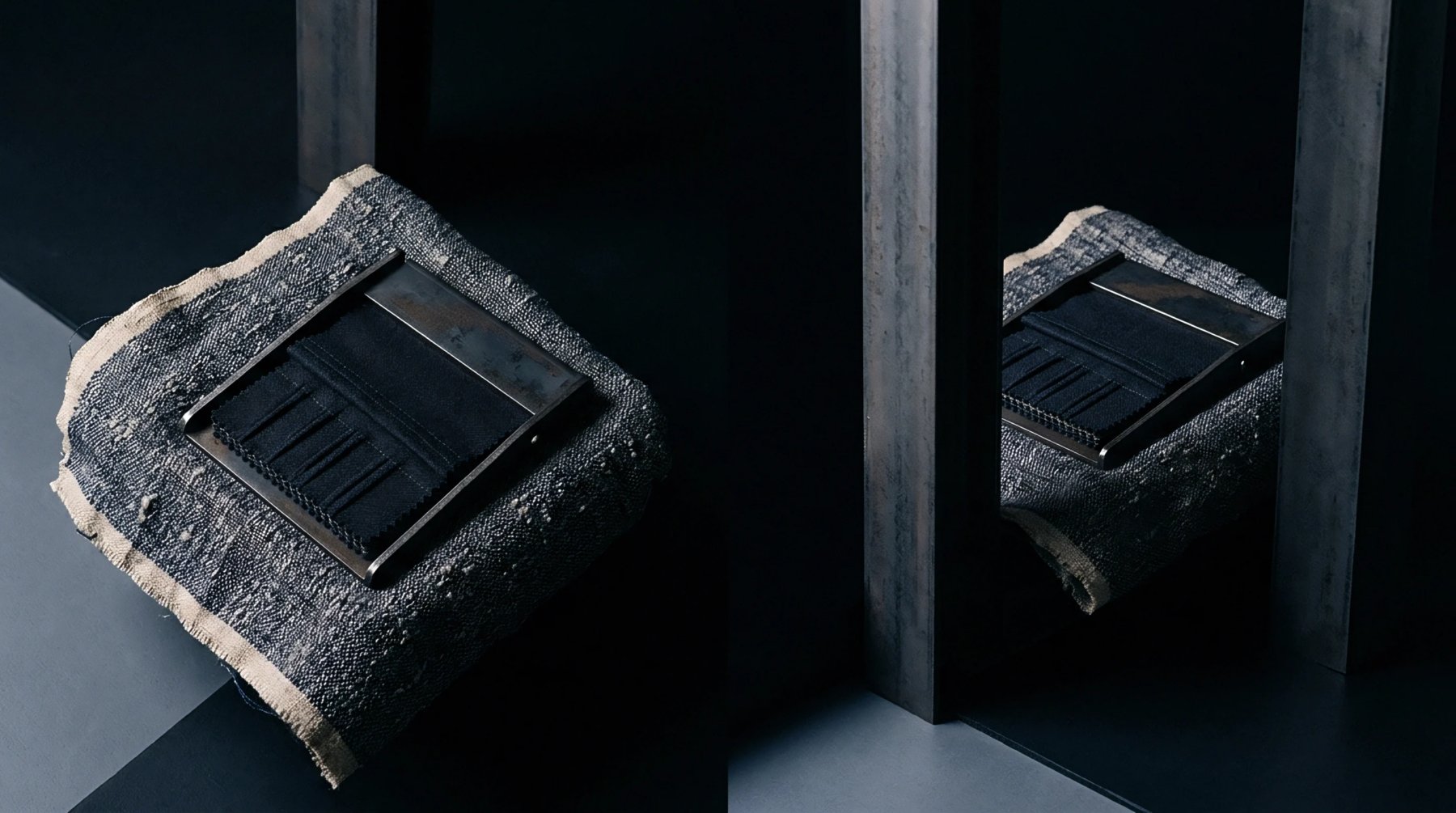
Verifying off-loom thread density after four hours of tension-free conditioning prevents bulk specification disputes and costly finished cloth rejections.

Fabric structural crimp converts raw yarn length into finished fabric areal weight, driving yarn consumption ratios and landed linear metre costs.

Engineering accurate finished width requires combining yarn crimp contraction with wet processing contraction factors during reed selection on the loom.

Greige warp beaming economics requires minimum 5000 metre set lengths to absorb fixed slasher setup losses, sizing waste, and creel remnant expenses.

Fabric performance depends on greige interlacing geometry, wet processing relaxation, and multi-mill supply chain lead times.

Fabric mass per unit area is calculated by combining yarn linear density, thread count, and crimp factors across conditioned warp and weft system dimensions.

Sett and cover factor define structural thread packing; maintaining high pick density and tight fractional cover locks yarn crowns to maximize abrasion life.
Expertise is a utility, not a secret. sentiention™ publishes its working knowledge as open reference: intelligence layer covering the materials it sources, the markets it enters, and the reference that serves both.