Crimp Measurement Standard
Technical methods for calculating the yarn crimp or take-up in woven fabrics rely on standardized tension applications to straighten yarn segments without stretching them. The astm d3883 procedure identifies the difference in length between a yarn as it sits in the fabric and its length after being removed and straightened. It governs the relationship between yarn consumption and final fabric dimensions.
Measurements from this test help engineers predict how much yarn is needed to produce a specific length of cloth.
Laboratory Calculation
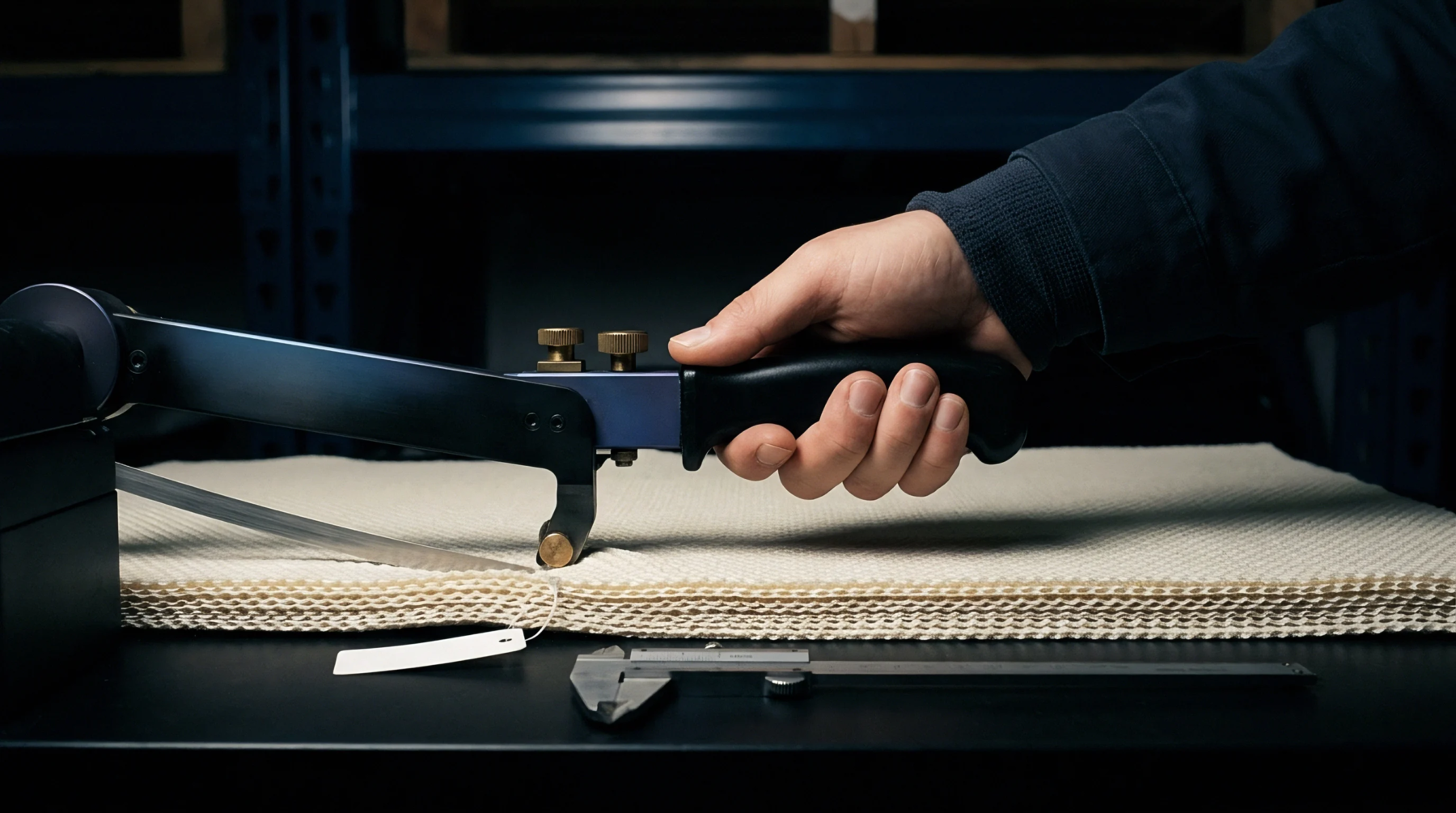
Removal of yarn from the fabric specimen requires careful handling to avoid damaging the fibres. Technicians mark a fixed distance on the fabric, then extract the yarns and apply a specific force to remove the wavy architecture created by weaving. The resulting change in length is expressed as a percentage of the original fabric length.
This value is known as the crimp, whereas the take-up is calculated using the straightened yarn length as the denominator.
Industrial Utility
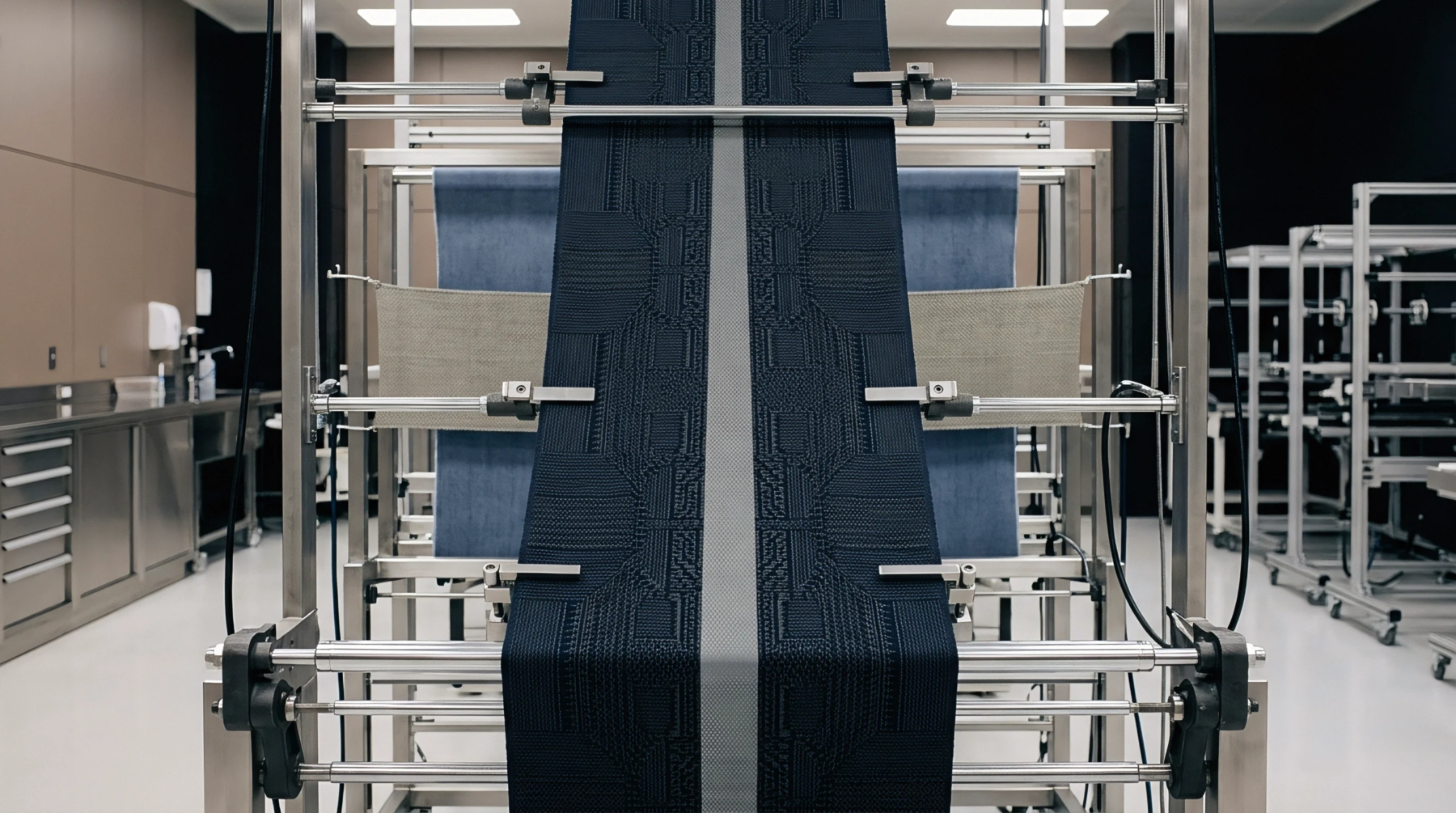
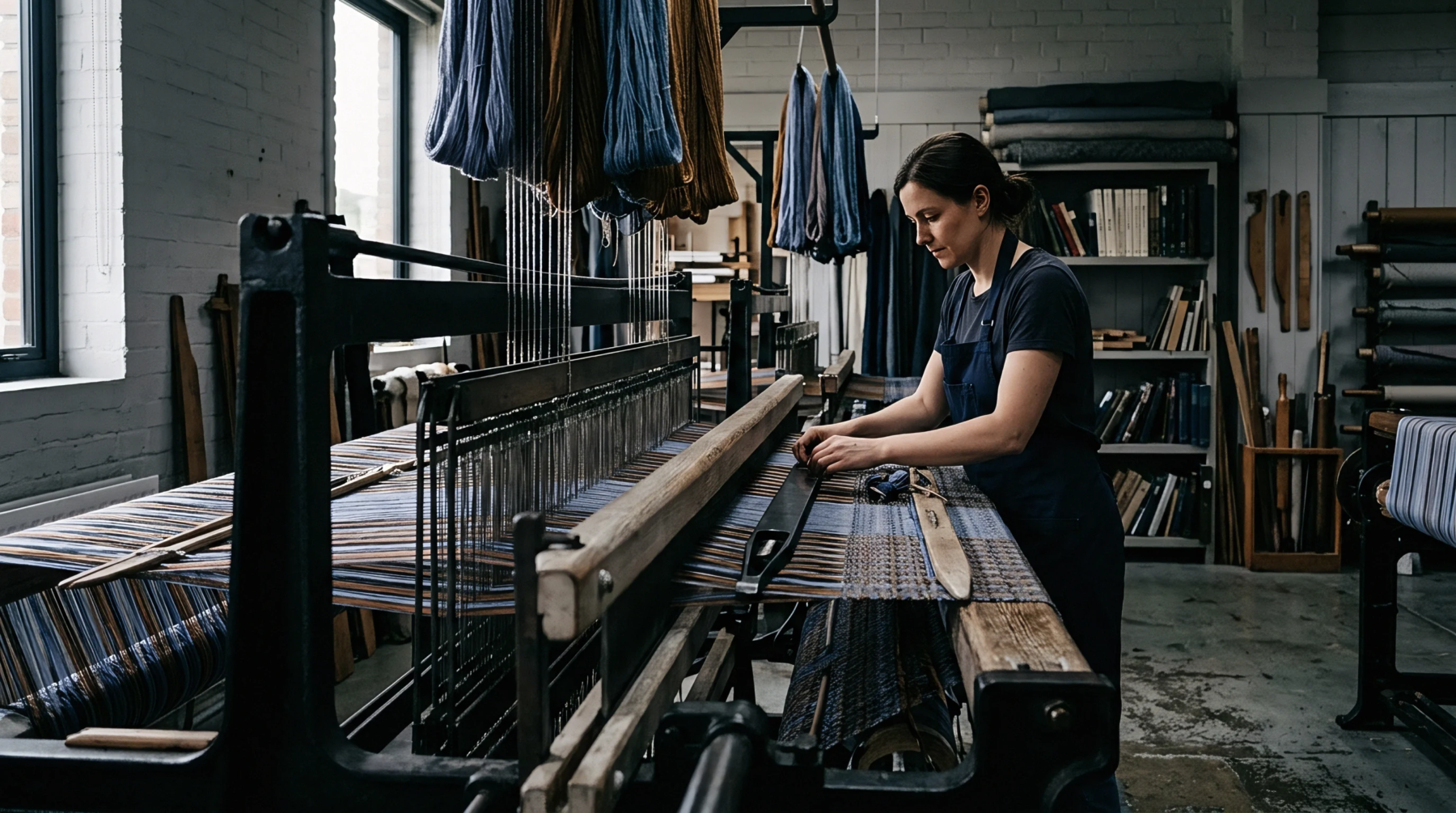
Warp and weft tension settings on the loom directly influence the results of this test. High warp tension reduces the crimp in the longitudinal direction while increasing the waviness of the filling yarns. Because this balance affects the stretch and durability of the finished garment, designers use the data to select appropriate yarn counts.
If the crimp is too low, the fabric may lack the necessary flexibility for comfortable wear. Conversely, excessive take-up increases yarn costs without necessarily improving fabric quality. These metrics guide the optimization of loom efficiency.
Quality Validation
Consistency across different production lots ensures that garment sizing remains stable. Discrepancies in the values indicate fluctuations in loom settings or yarn moisture. Monitoring these figures helps mills maintain a uniform appearance across bulk orders.
Accurate testing is required for technical performance.