
Warp and Weft Crimp Exchange Mechanics in High Density Weaving
Warp and weft crimp exchange in high-density weaving shifts structural waviness across processing, dictating finished sett, shrinkage, and air permeability.
Warp and weft crimp exchange in high-density weaving shifts structural waviness across processing, dictating finished sett, shrinkage, and air permeability.

Derive loom reed width by compounding greige take-up and wet finishing contraction percentages onto target cuttable width while balancing dent air space ratios.
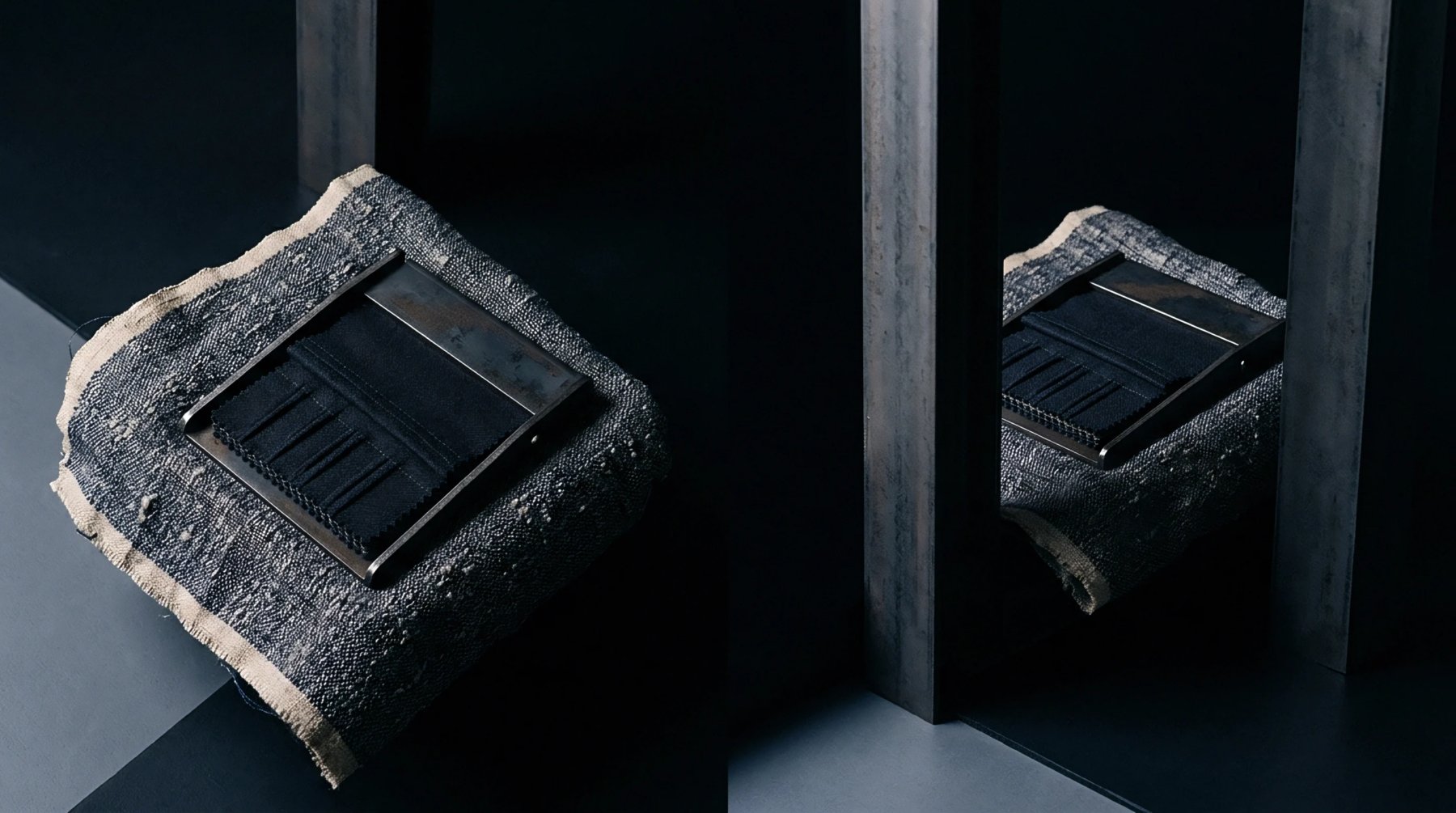
Verifying off-loom thread density after four hours of tension-free conditioning prevents bulk specification disputes and costly finished cloth rejections.

Greige sett density determines yarn mobility and crimp capacity, directly establishing wet processing shrinkage and final finishing compaction limits.

High warp cover factors restrict weft straightening, forcing non-linear widthwise contraction during wet relaxation, demanding engineered stenter overfeed.

Fabric structural crimp converts raw yarn length into finished fabric areal weight, driving yarn consumption ratios and landed linear metre costs.

Warp and weft crimp exchange during wet finishing balances longitudinal overfeed and lateral rail draft to set fabric weight and arrest post-wash shrinkage.
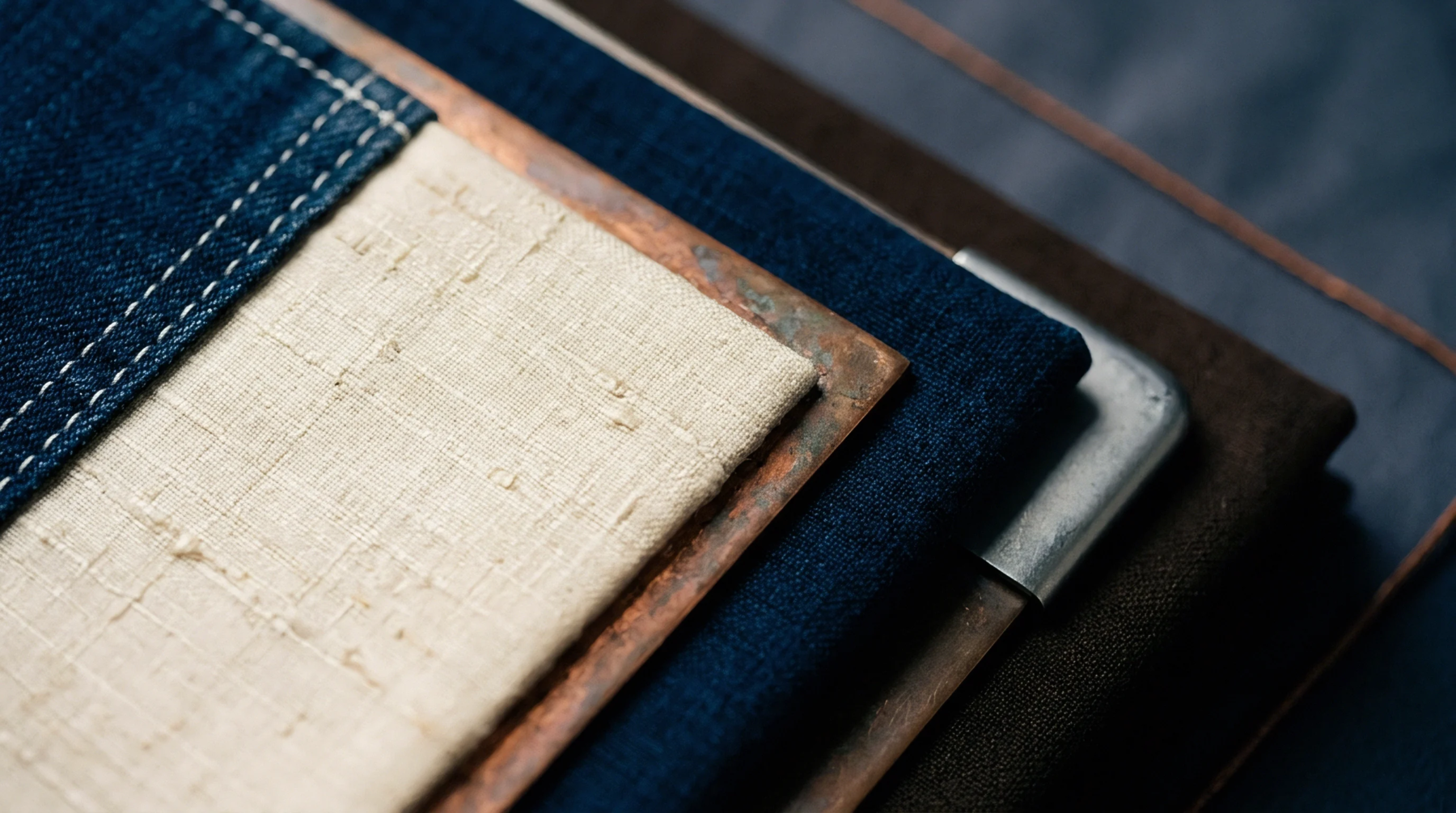
Dynamic web tension locks yarn crossovers into high-resistance capillary slit pores, requiring controlled positive overfeed to maintain open fluid transport.
Geometrical modeling of crimp interchange predicts width collapse during wet finishing by balancing yarn swelling against mechanical jamming boundaries.
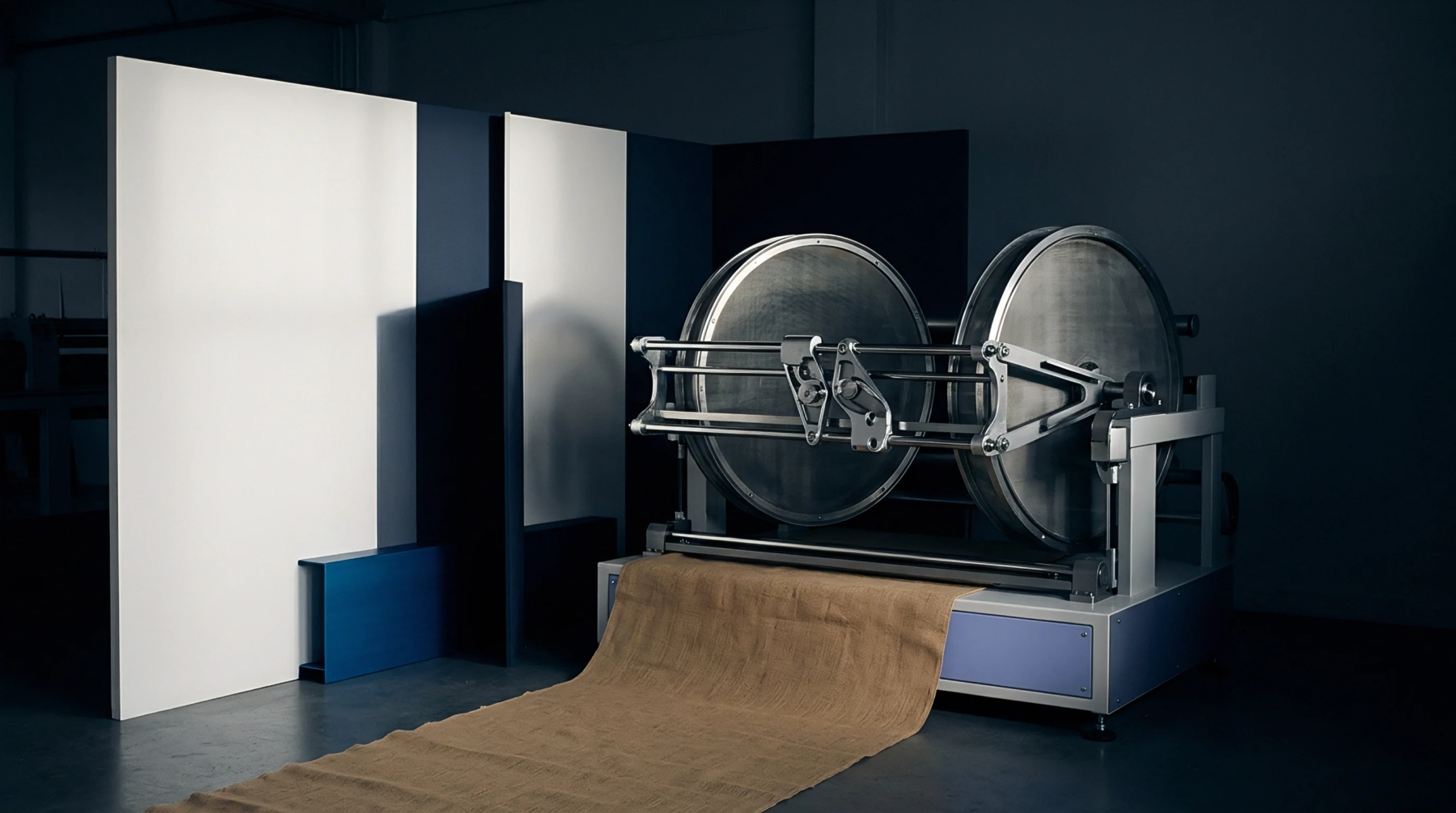
Mathematical overfeed modeling balances longitudinal compressive force against thermal viscoelastic relaxation to lock target crimp geometry and control finished GSM.
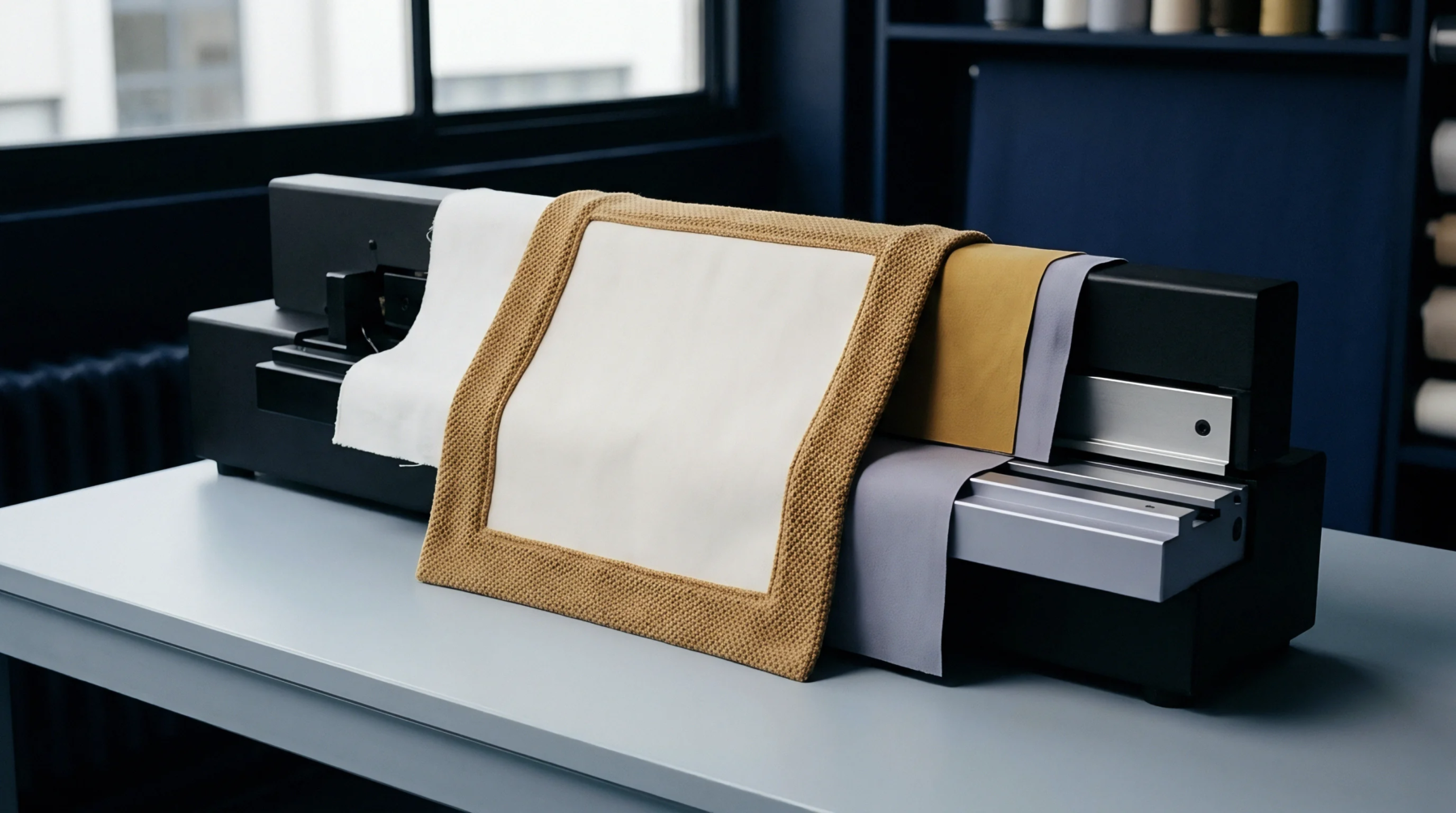
Verify greige fabric sett on tensionless, conditioned swatches under ISO 7211-2 to prevent finished weight deficits and enforce contract chargeback limits.
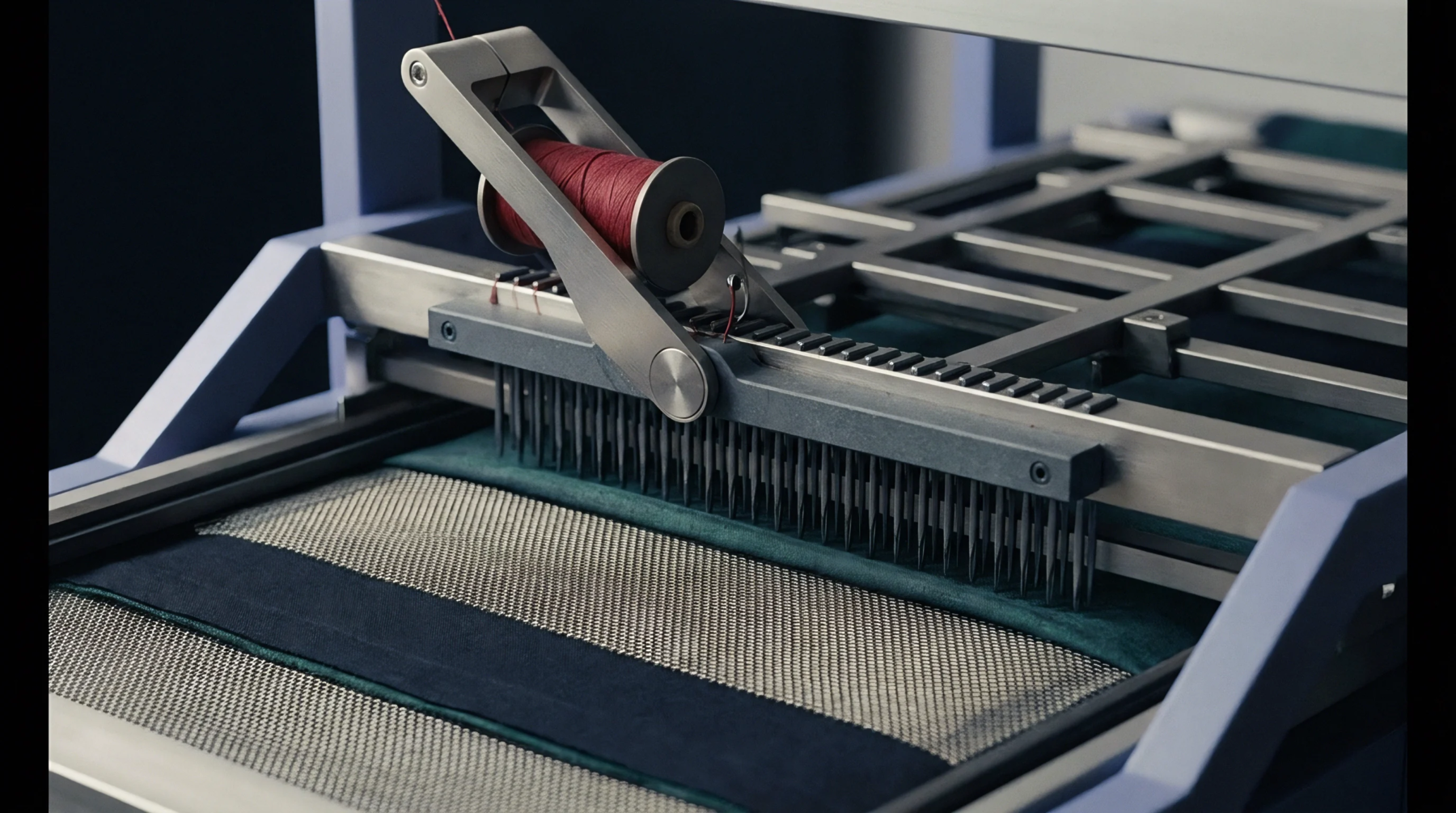
Greige thread density limits wet fabric relaxation by establishing inter-yarn friction boundaries that block yarn swelling and crimp interchange during finishing.
Correlating loom sett and machine gauge to wet shrinkage requires matching grey thread density and stitch length to wet relaxation limits before finishing.

Fabric performance depends on greige interlacing geometry, wet processing relaxation, and multi-mill supply chain lead times.
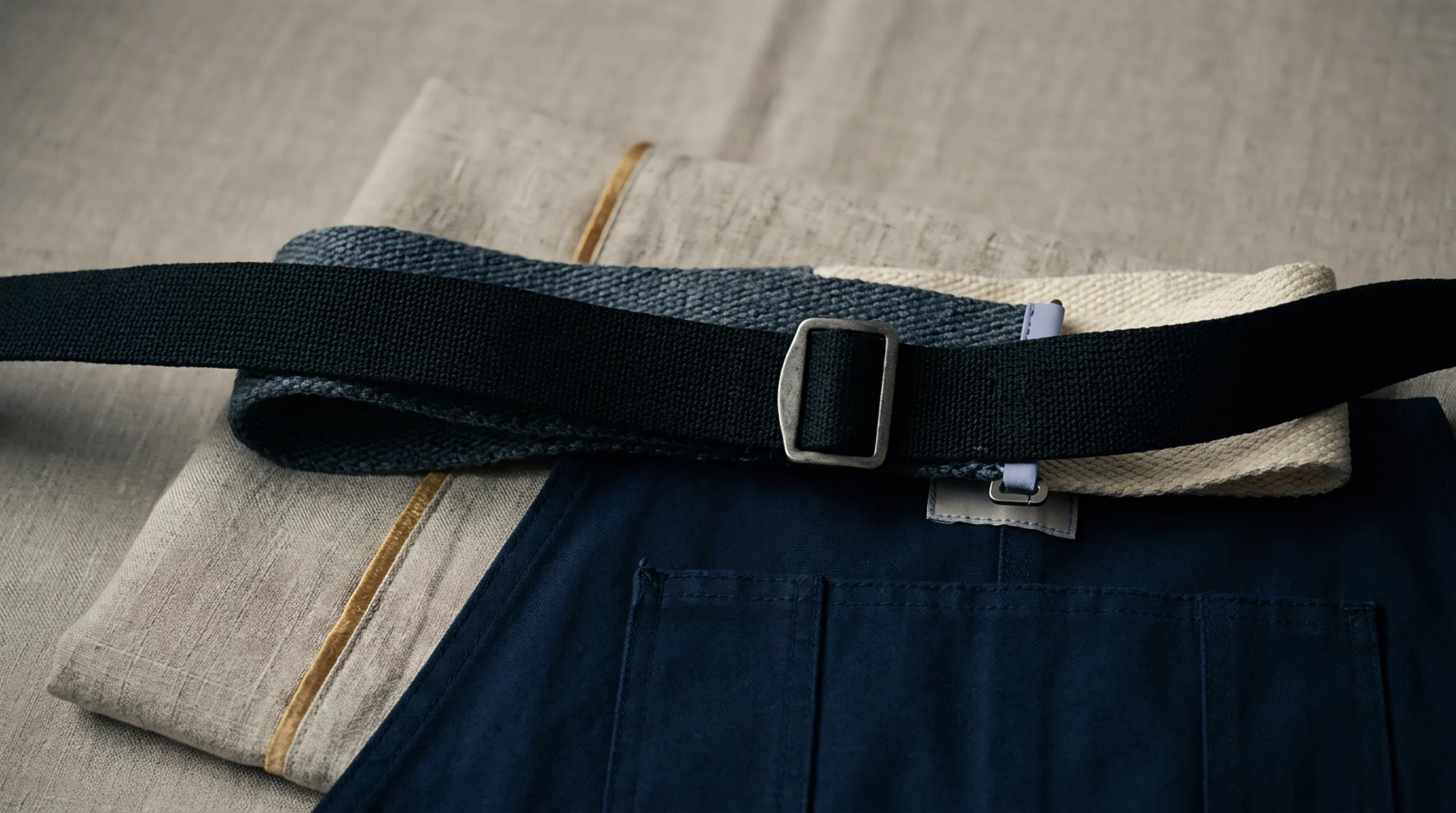
65/35 poly-cotton workwear performance relies on ring twist multipliers near 4.4 and early shed timing to maximize warp cover factor without pilling failure.
Expertise is a utility, not a secret. sentiention™ publishes its working knowledge as open reference: intelligence layer covering the materials it sources, the markets it enters, and the reference that serves both.