Warp Crimp Interchange Modulation during Scouring and Stenter Stabilisation
Warp crimp interchange during scouring and stenter stabilization controls fabric dimensional stability, cuttable width, and finished yield per grey lot.
Equilibrium
A fabric fresh off the loom frame sits in temporary geometric tension. High longitudinal pull during shed opening and beat-up flattens the warp threads into a straight line. The weft yarn is forced to bend around these taut ends, taking up nearly all the structural wave.
Off-loom measurements under ISO 7211-3 typically show warp crimp between 2.0% and 4.0% for standard plain wovens, while weft crimp climbs to 8.0% to 12.0%. High loom tension keeps the structure locked in this state.
The thread path shifts as soon as the cloth releases from the take-up roller. Residual strain in synthetic filaments and cellulosic fibers triggers immediate recovery. As grey goods sit in storage, crimp interchange gets underway: warp yarns contract along their length and force adjacent weft picks into deeper undulations.
Warp crimp climbs toward 5.0% while weft crimp drops to match. The fabric pulls in along its length and broadens slightly, raising the grey thread count per centimetre in the warp direction.
A woven fabric left to relax off the loom shifts its internal crimp balance toward warp contraction before entering liquid baths.
Pierce cloth geometry models illustrate how these internal forces balance out. In a fully relaxed fabric, the sum of warp and weft crimp heights equals the combined diameters of both yarns. High warp tension pushes warp crimp height down toward zero, forcing weft crimp height to absorb the full thread diameter.
Once that external pull drops, yarn bending stiffness pushes both systems toward a shared energy equilibrium. High pick densities limit this initial movement, locking in a partial crimp imbalance until wet processing provides the heat and moisture to break inter-yarn friction.
Mechanical Restraint under Loom Tension
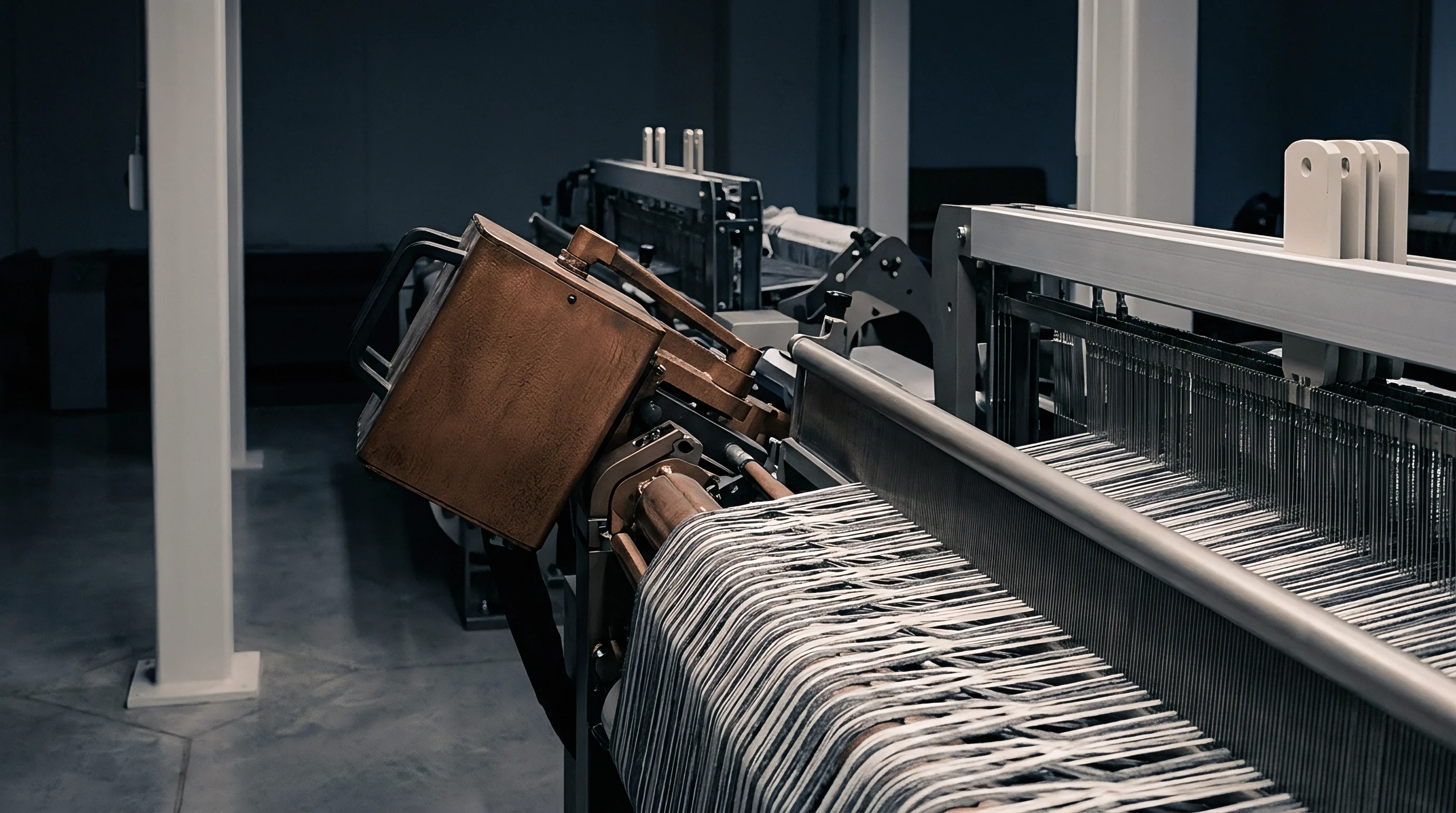
Beat-up places heavy longitudinal strain on the warp sheet, pulling threads into a flat plane. On air-jet and rapier looms running above 600 picks per minute, warp tension sits between 25 cN/end and 40 cN/end depending on yarn count and sizing formulation. This pull stretches the warp ends and suppresses their natural wave.
Meanwhile, weft yarns ~ inserted across an open shed under minimal tension ~ bend around the straight warp paths. Because weft crimp carries virtually all the structural displacement at this stage, grey fabric remains dimensionally unstable.
Conversion of Geometry across off Loom Relaxation
Once mechanical tension releases, internal stresses force yarn cross-sections to reconfigure. Stored elastic strain drives synthetic filaments to shrink lengthwise, while staple cotton yarns untwist and settle. Rolls stored on A-frames relax unevenly from the surface down to the center.
Because outer layers adjust much faster than tightly wound inner cores, grey warp crimp can vary noticeably across the batch before wet processing even begins.
| Loom Type | Yarn Type | Warp Tension (cN/end) | Greige Warp Crimp (%) | Greige Weft Crimp (%) |
|---|---|---|---|---|
| Air-Jet | 100% Ring Spun Cotton 30/1 Ne | 35 | 2.4 | 10.8 |
| Rapier | 100% Ring Spun Cotton 30/1 Ne | 28 | 3.1 | 9.6 |
| Water-Jet | 100% Filament Polyester 75D/36f | 22 | 1.8 | 12.2 |
| Projectile | 65/35 Poly-Cotton Blend 40/1 Ne | 30 | 2.8 | 10.1 |
High ambient humidity speeds up crimp interchange because absorbed moisture breaks temporary hydrogen bonds in cellulosic fibers. Conversely, sizing agents such as polyvinyl alcohol or carboxymethyl cellulose stiffen the yarn, holding warp ends flat. Until wet desizing and scouring strip these chemical films away, warp crimp movement stays restricted.
Generally, grey cloth allowed to relax for forty-eight hours undergoes eighty percent of its room-temperature crimp conversion.
Bath
Liquid immersion transforms the internal forces across the woven web. Water acts as a lubricant, while scouring baths at 85°C to 95°C with non-ionic surfactants strip away protective sizes, spin finishes, and natural waxes. Removing these coatings drops the inter-yarn friction coefficient from 0.45 to 0.18.
With surface restriction gone, warp threads contract rapidly, lifting warp crimp from 3.5% to 7.5% within thirty seconds of full immersion.
Fiber swelling speeds up this transition. Wetting causes cotton fibers to expand 14% to 20% in cross-sectional area while their length grows by under 1.2%. As warp yarns thicken, adjacent weft picks must travel a longer path over and under each end.
Expanding warp loops pull the weft yarn straighter, driving weft crimp down while warp crimp climbs. If continuous open-width scouring ranges lack longitudinal tension control, unchecked length contraction causes fabric weight to spike.
A continuous scouring range operating at ninety degrees Celsius increases warp crimp by four percentage points while stripping sizing agents.
Rope scouring in jet machines introduces intense mechanical agitation, altering crimp distribution in a different manner than open-width processing. Jet action promotes uniform dimensional relaxation in both directions, though sudden temperature drops can leave permanent creases. By contrast, continuous open-width washers exert directional drag through guide rolls.
Pulling with more than 150 N of total warp-wise tension across an open-width washer stops crimp interchange in its tracks, pinning warp crimp low while stretching fabric length and narrowing width.
Continuous Open Width Aqueous Extraction
Submerging grey goods in liquid tanks strips synthetic sizing and softens rigid filaments. Hot alkaline liquor penetrates the yarn core, forcing cotton lumens to swell into rounder profiles. This radial expansion forces thread paths outward, triggering length contraction.
Washing compartment drive motors coordinate through load cells to limit longitudinal drag, giving warp threads room to form natural crimp undulations.

Fiber Swelling Mechanisms in Surfactant Solutions
Water molecules penetrate the amorphous regions of cotton and regenerated cellulose, breaking hydrogen bonds that reform at more relaxed spatial intervals. Adding surfactants drops surface tension below 30 mN/m, speeding liquor entry into dense yarn cores. As yarns swell, they release strain locked in during spinning and sizing, resetting the fabric’s structural equilibrium.
- Warp Crimp Lockout occurs when excessive tension during hot desizing blocks natural longitudinal relaxation, leaving finished goods vulnerable to post-wash shrinkage.
- Weft Crimp Collapse occurs when rapid warp contraction pulls weft yarns completely straight, causing sudden width loss and density spikes.
- Edge Curl Instability develops when uneven crimp interchange between the selvedges and main body distorts flat roll lay.
- Chemical Sizing Redeposition occurs when inadequate bath turnover allows dissolved polyvinyl alcohol to resettle on yarns, freezing bad crimp ratios as the fabric cools.
Continuous washers running at high speed inevitably impart longitudinal drag on delicate grey structures. Finishing floor teams frequently accept high incoming warp tension during scouring as an unavoidable mechanical necessity, planning to restore target dimensions on the stenter pin chain later in the process.

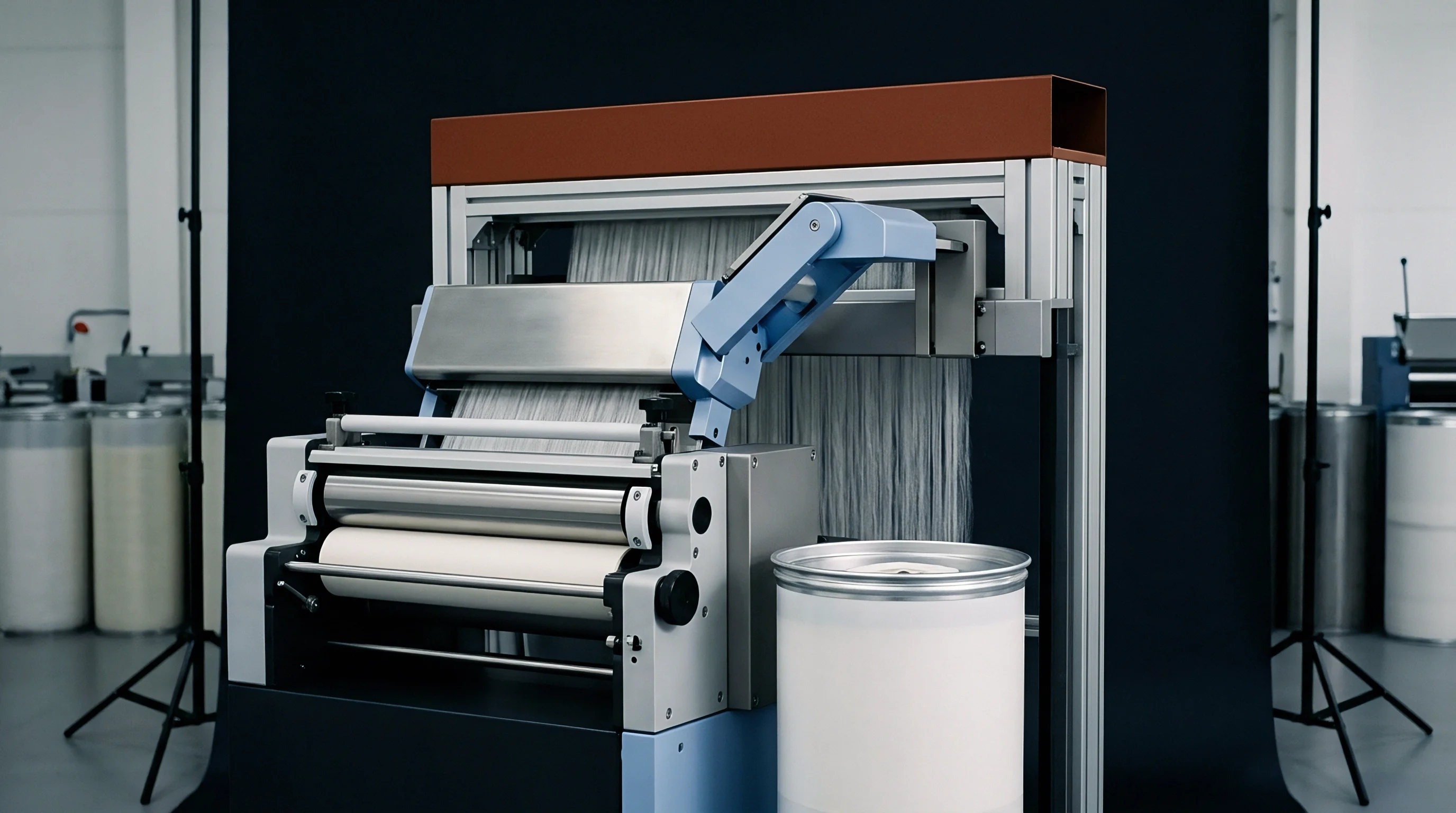
Pin
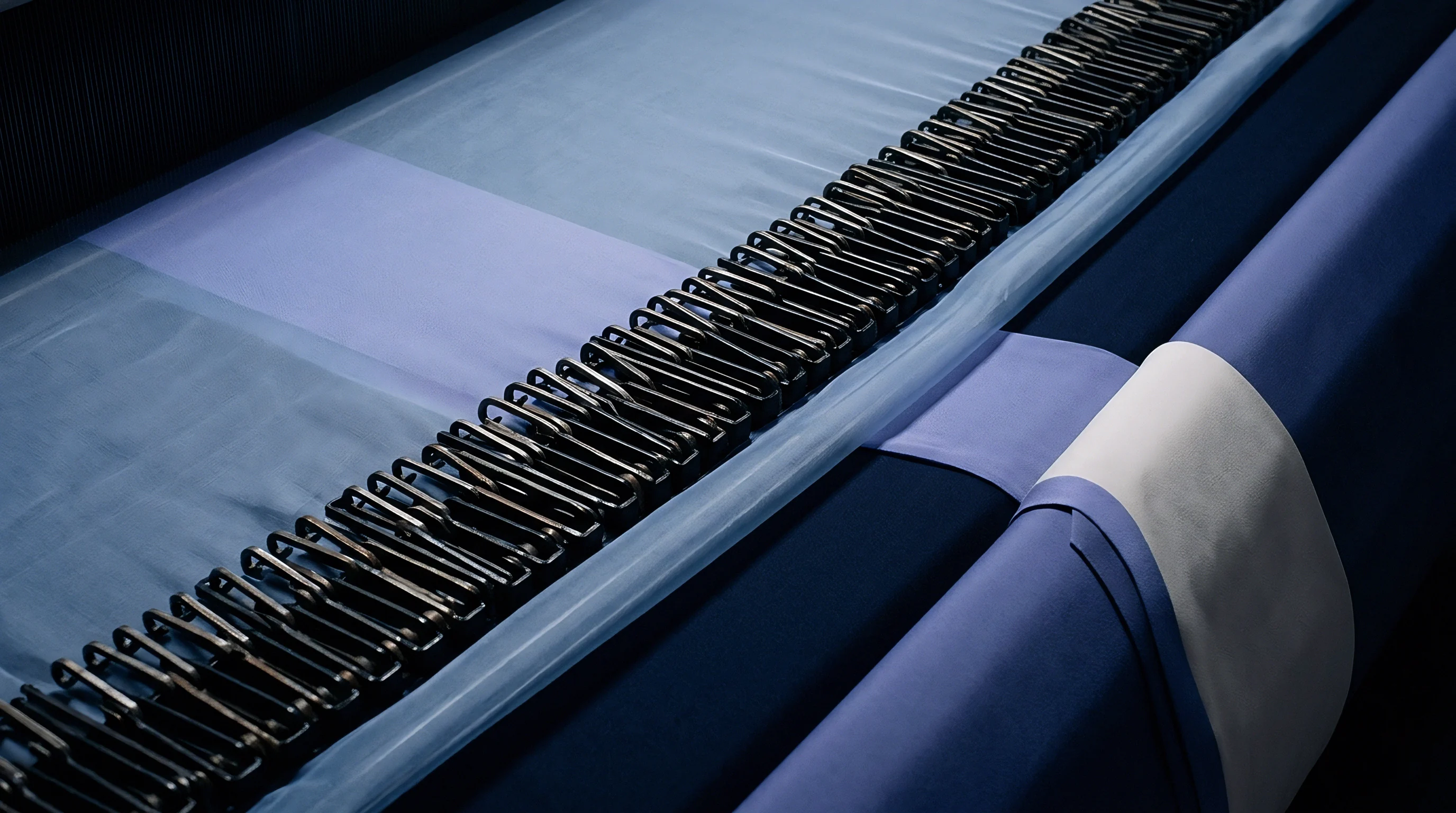
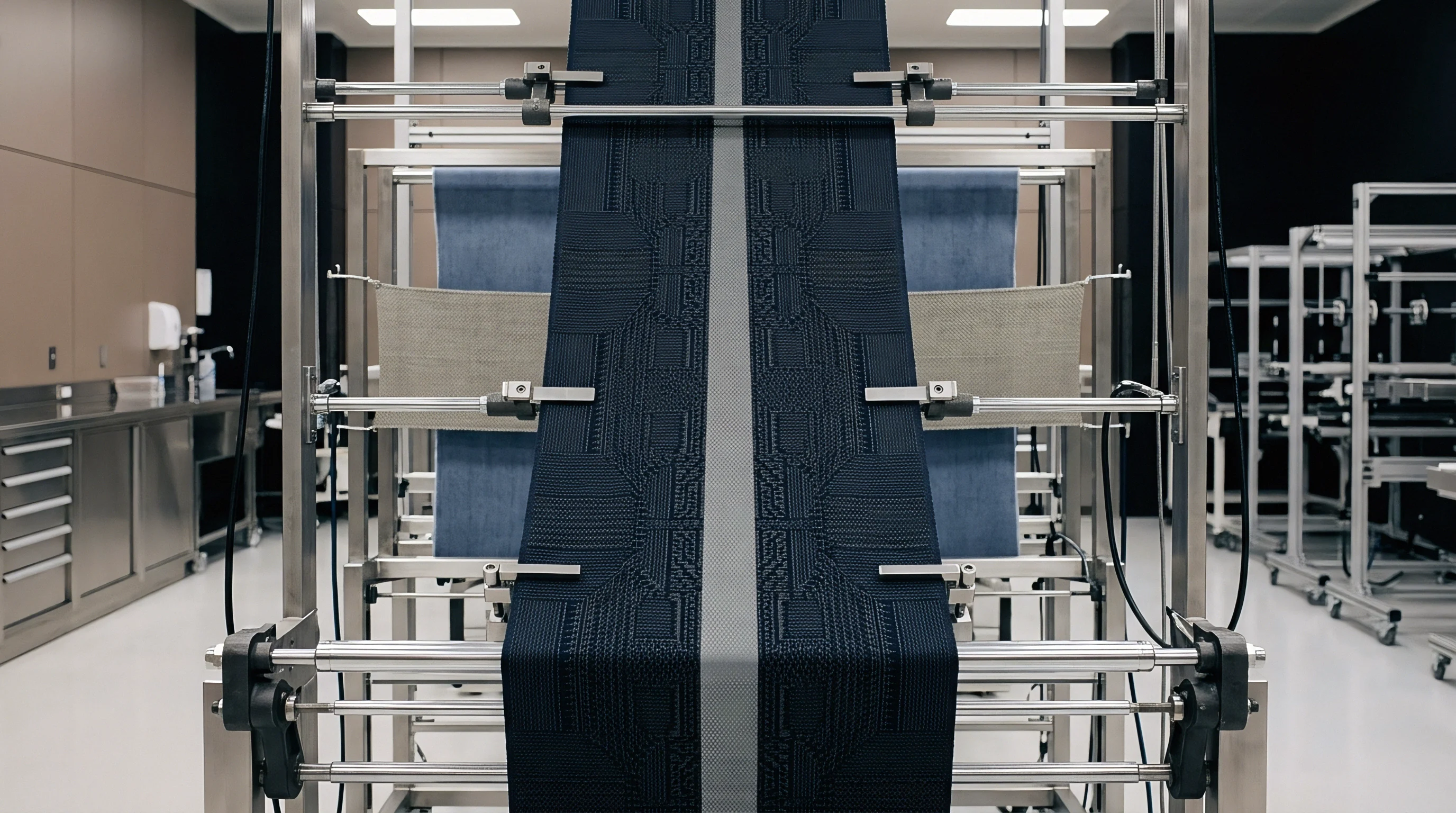
A stenter frame grips fabric selvedges at entry, carrying damp material through heated drying zones while regulating width and longitudinal feed. Overfeed mechanisms feed fabric onto pin chains faster than rail travel speed, creating intentional lengthwise slack. Setting overfeed between +4% and +12% lets warp ends absorb heat free of mechanical tension, fixing warp crimp into a stable geometry.
The distance between chain rails establishes finished cuttable width and sets weft crimp. Spreading the rails pulls weft picks flat, which reduces weft crimp and forces warp yarns into deeper vertical undulations. This lateral tension elevates warp crimp while locking in the target picks per centimetre.
Heat setting temperatures (180°C to 200°C for polyester, 140°C to 160°C for cotton) soften polymer domains, fixing the crimp structure as material exits and cools.
ISO 5077 dimensional stability targets demand precise alignment of stenter overfeed percentages with greige contraction potential.
Mismatched overfeed settings trigger serious stability failures during laundering. If overfeed falls short of the fabric’s natural relaxation potential, mechanical tension remains trapped in the goods. Subsequent washing releases this stored stress, resulting in severe warp shrinkage.
Conversely, pushing overfeed too high forces warp crimp above target specifications, inflating fabric weight per square metre and causing length loss under hot pressing.
Does Overfeed Percentage Directly Dictate Finished Warp Crimp?
Feeding cloth onto the pin chain faster than rail travel speed gives room for longitudinal contraction. An overfeed setting of +6% supplies enough slack for warp yarns to loop fully around weft picks without tension. Heat inside the drying zones locks hydrogen bonds in cotton and crystallizes synthetic polymers around these relaxed paths.
Provided drying chamber airflow does not dislodge slack fabric from the pins, overfeed percentage directly controls final warp crimp.
Thermal Setting Parameters and Dwell Dynamics
Drying chambers running at elevated temperatures soften thermoplastic fibers to set yarn geometry. Polyester-cotton blends demand temperatures between 190°C and 205°C with dwell times from 30 to 45 seconds to stabilize crystalline regions. Operating above glass transition thresholds is essential to release strain built up during weaving and scouring.
Short dwell times leave yarn cores unheated, allowing elastic recovery to straighten warp ends after cooling.
- Verify incoming fabric moisture content using microwave or conductive sensor arrays at stenter feed.
- Adjust overfeed feed-roll ratio to match target warp crimp percentage calculated from laboratory wash trials.
- Set chain rail width to target cuttable width plus one centimetre allowance for edge trimming.
- Configure drying zone air nozzle velocity to maintain fabric levitation without lifting selvedges off pin plates.
- Monitor exit fabric temperature with infrared pyrometers to ensure thermal heat setting completion before cooling zone entry.
| Fiber Composition | Fabric Weight (g/m²) | Target Width (cm) | Stenter Speed (m/min) | Overfeed Setting (%) | Chamber Temp (°C) |
|---|---|---|---|---|---|
| 100% Combed Cotton | 145 | 150 | 45 | +8.0 | 155 |
| 100% Combed Cotton | 220 | 150 | 32 | +10.5 | 160 |
| 65/35 Poly-Cotton | 180 | 160 | 50 | +5.5 | 195 |
| 100% Textured Polyester | 130 | 148 | 60 | +3.5 | 205 |
Commercial agreements for finished goods routinely mandate ISO 6330 wash testing boundaries. Specifying a maximum 2.0% dimensional change after five domestic wash cycles forces finishing plants to maintain tight overfeed calibration across every production roll.
Skew
Unequal thread path lengths across the working width produce angular alignment errors in weft picks. Skew develops when weft yarns cross warp ends at angles other than ninety degrees, causing garment spirality and distortion. Uneven warp crimp interchange across roll width is a primary driver of this defect.
If left-selvedge ends endure higher scouring drag than right-selvedge ends, warp crimp develops unevenly across the web.
Misaligned stenter chain rails aggravate crimp asymmetry. If one pin chain leads the other by just 15 millimetres over a 30-metre chamber length, weft picks twist out of perpendicular alignment. Unbalanced crimp interchange then forces the fabric into diagonal distortion once lateral tension drops at the exit.
This uneven torque distribution causes finished rolls to bow or skew during unrolling on cutting tables.
A differential warp crimp variation of one percent across fabric width generates over three degrees of structural skew.
Automatic bow and skew straighteners positioned ahead of the stenter use optical sensors and tilt rollers to correct angular errors. Sensor heads read pick angles and signal differential drive rollers to retard or accelerate targeted sections of the warp sheet. Although tilt rollers realign pick angles mechanically, they rely on localized warp tension.
That targeted pull alters local warp crimp, creating band-wise density and weight variations if scouring relaxation was uneven.
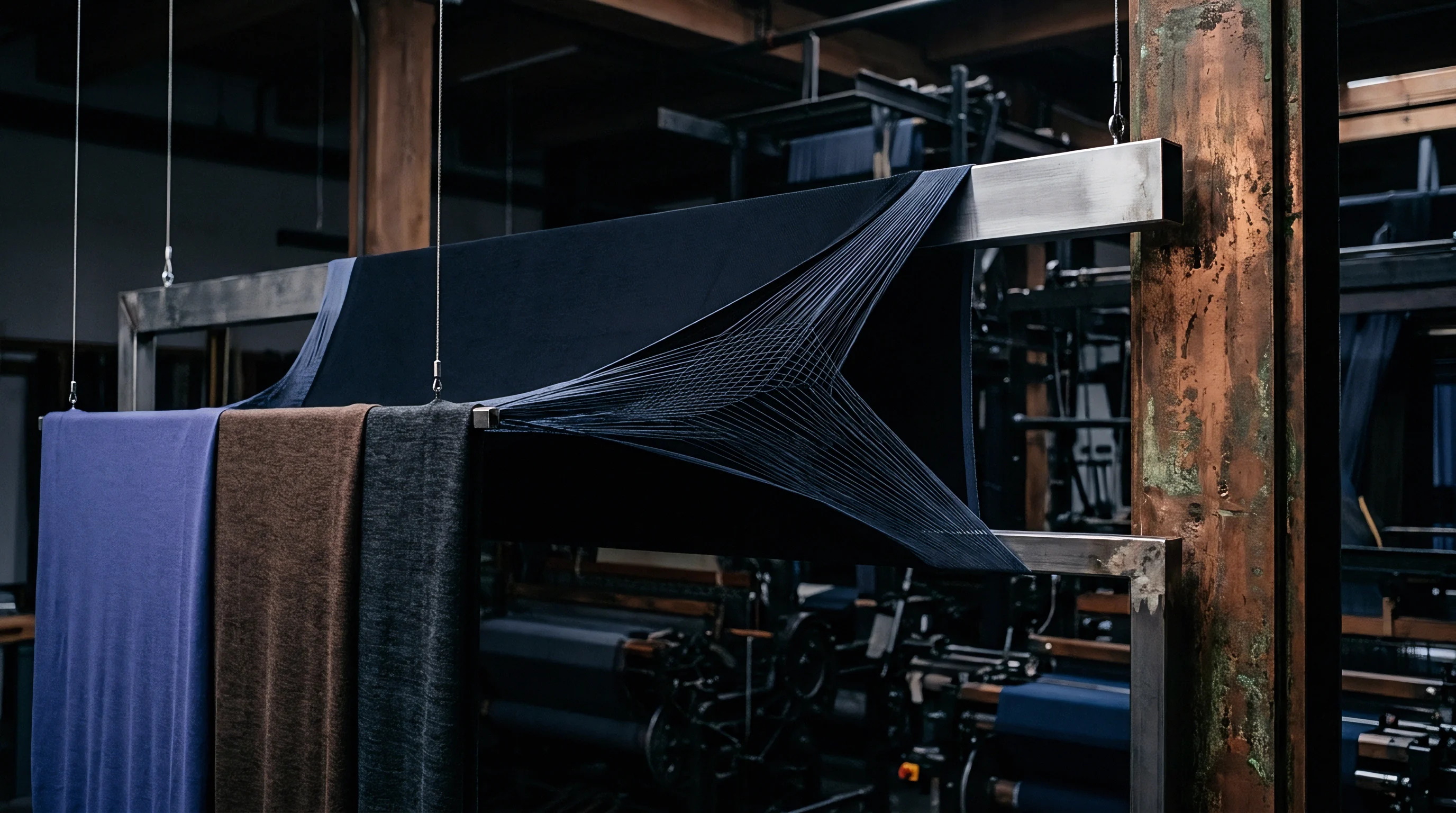
Vector Forces in Differential Thread Tension
Uneven drag across guide rolls pulls yarn alignment away from ninety degrees. High-tension zones stretch warp threads and flatten local crimp height, while adjacent low-drag zones build deeper crimp. This creates a structural gradient across the width.
Differential thread displacement generates shear stresses that show up as fabric spirality after wet processing.
Mechanical Corrections for Differential Crimp Symmetrization
Adjusting independent chain drive speeds compensates for length variations between selvedges. Differential overfeed systems run distinct feed rates on left and right edges, equalizing warp crimp across the working width. Meanwhile, optical counters monitor pick alignment continuously, feeding positional data to chain drive servos for dynamic correction.
- Optical Sensor Alignment verifies that sensor arrays read pick angles across the center and selvedges without false signals from surface fuzz.
- Differential Chain Offset Calibration ensures left and right drive motors respond synchronously to skew signals within a 0.5 millimetre tolerance.
- Guide Roll Parallelism Audit checks roller alignment across washing and drying zones using laser leveling instruments.
- Selvedge Tension Balancing measures edge-to-center thread tension with hand-held tensiometers during live production runs.
Failing to balance warp crimp across the roll width leads to severe garment twisting after laundering, frequently resulting in bulk claim rejections from apparel buyers.
Bench
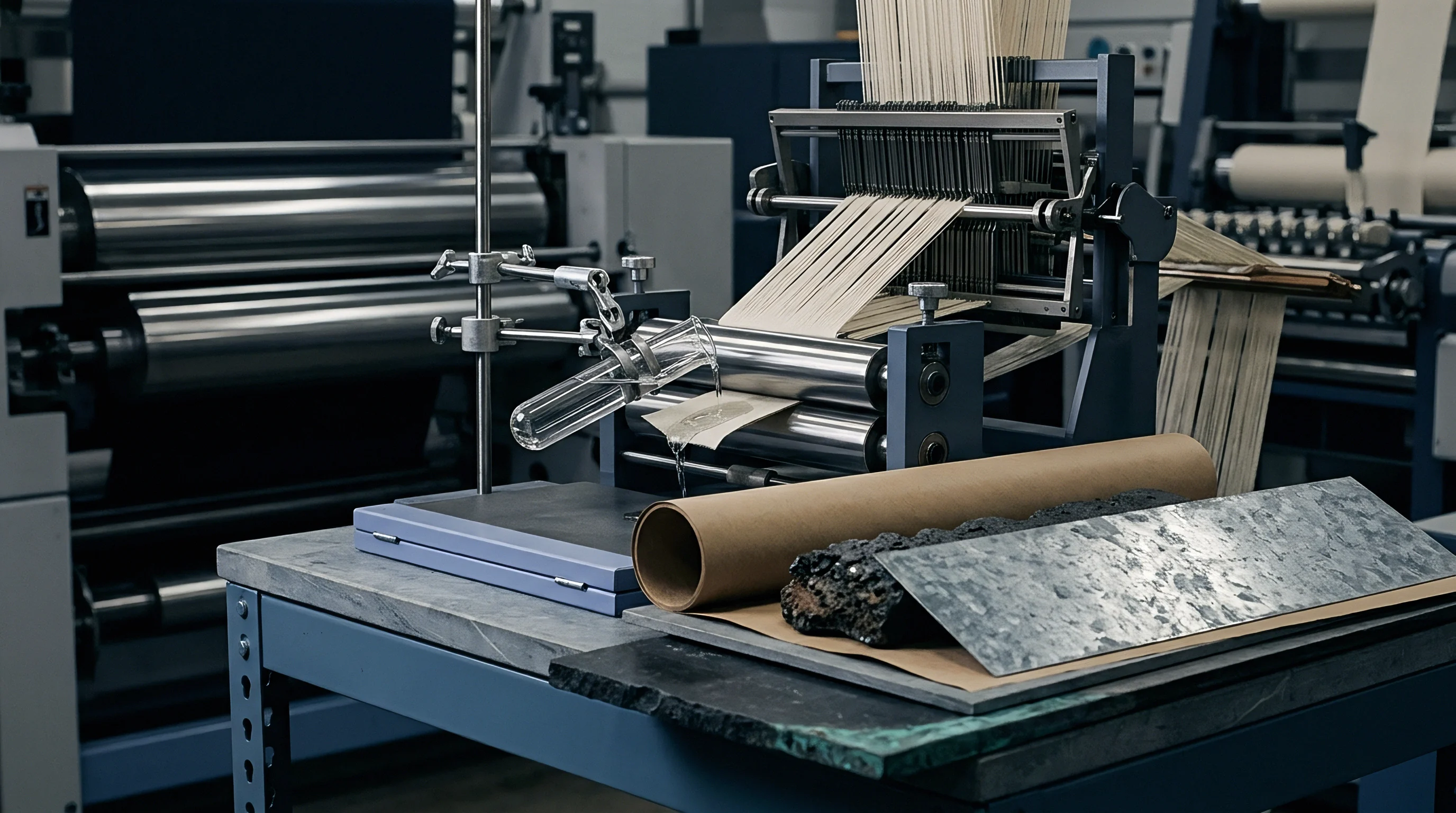
Laboratory testing verifies whether grey fabric adjustments meet target specifications. Measuring warp and weft crimp accurately requires strict adherence to ISO 7211-3. Analysts pull ten warp ends and ten weft picks from samples conditioned at 20°C and 65% relative humidity for twenty-four hours.
Unraveling yarns demands care to avoid accidental stretching. Straightened length is measured under a standardized pretension based on linear density: 0.5 cN/tex for staple yarns and 0.25 cN/tex for textured filaments.
Crimp percentage compares straightened yarn length against the original woven sample length. A 200 mm fabric sample that yields a 216 mm straightened yarn represents an 8.0% crimp level. Comparing grey crimp to finished crimp reveals the exact structural shift achieved through scouring and stenter stabilization.
Dimensional stability testing under ISO 5077 confirms whether crimp interchange reached equilibrium during wet finishing.
Discrepancies arise when lab swatches undergo tension-free basket scouring while production runs pass through continuous open-width washers under high roller drag. Laboratory swatches show substantial warp crimp gains ~ often around +5.0% absolute ~ whereas bulk goods gain far less due to mechanical pull. Process engineers must apply correction factors when applying lab overfeed recommendations to full-scale finishing lines.
Standardized Testing Procedures for Crimp Determination
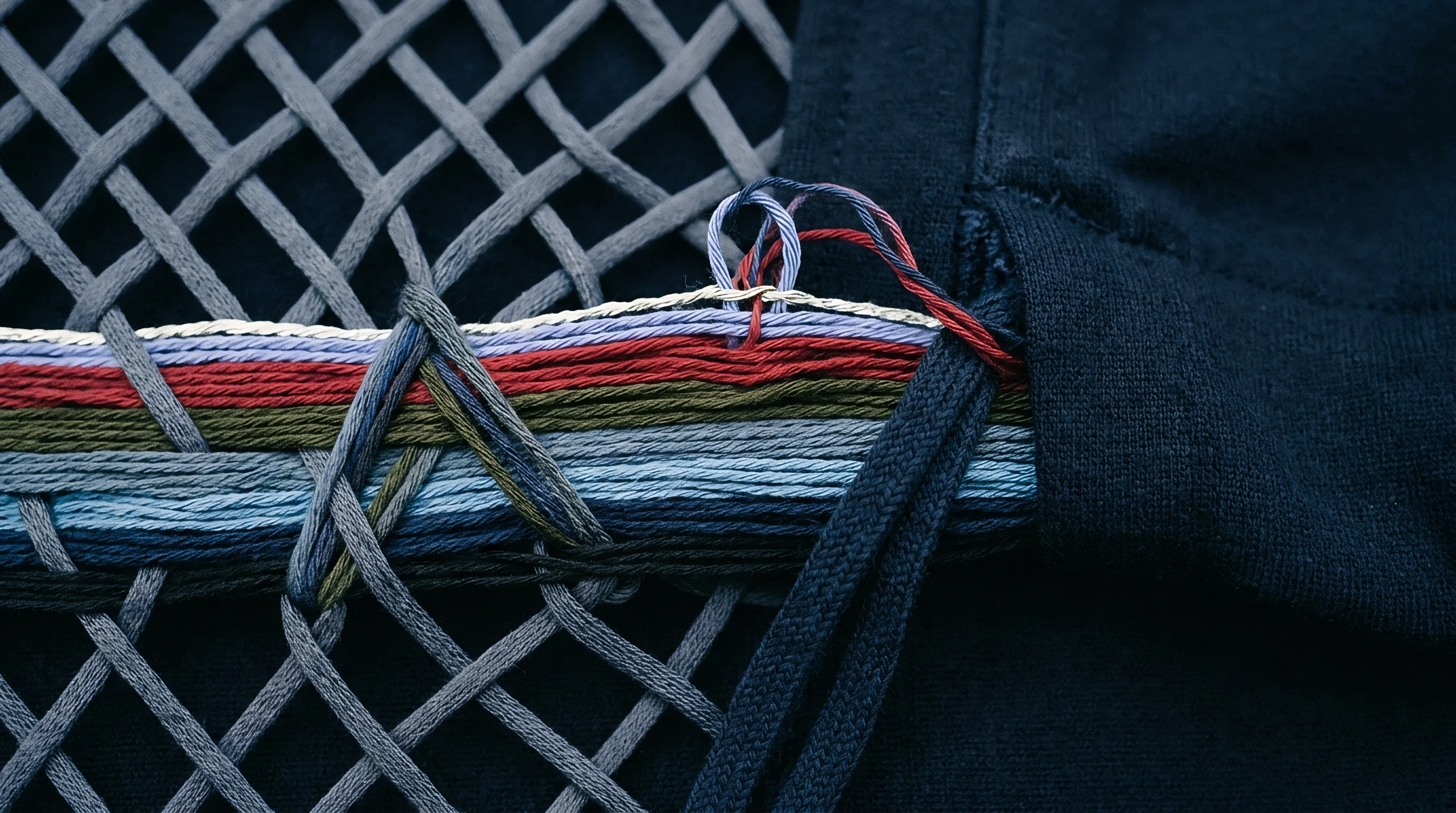
Unraveling individual ends under calibrated tension separates woven path length from extended length. Specimen preparation requires cutting swatches cleanly along thread lines without fraying adjacent yarns. Loading threads into automated crimp testers eliminates manual tensioning errors, while digital encoders measure extended length to within 0.1 millimetres to output exact crimp percentages.
Correlation between Laboratory Trials and Production Runs
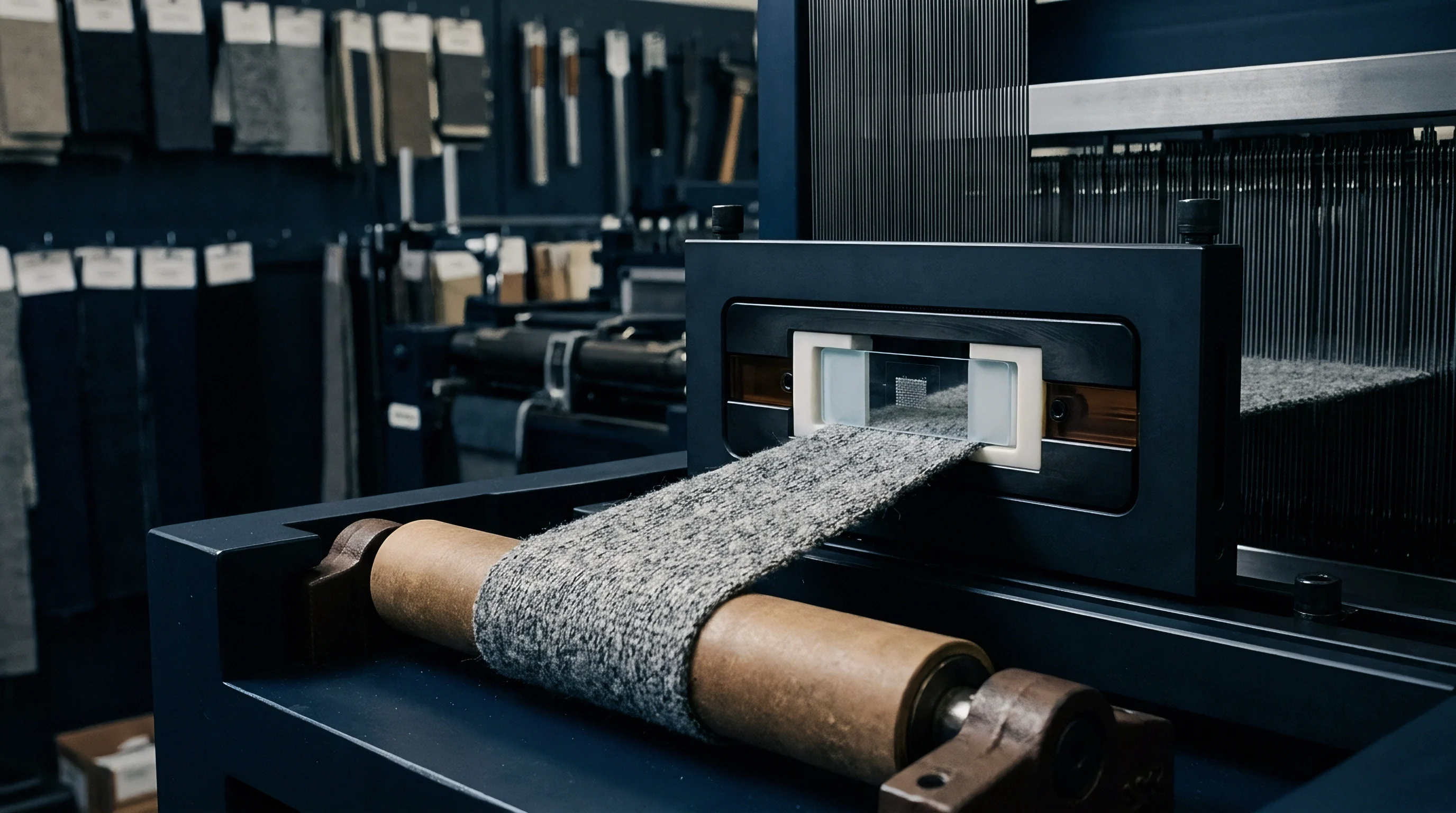
Gaps between pilot trials and continuous processing stem from tension differences on production lines. Continuous washers exert constant longitudinal drag that inhibits warp crimp. Bench trials run without simulated tension overestimate crimp conversion, resulting in incorrect stenter overfeed settings during initial production scale-up.
- Sample Preparation ~ Condition fabric swatches in a standard atmosphere per ISO 139 for twenty-four hours before cutting.
- Initial Marking ~ Mark 250 mm gauge lengths on warp and weft axes using permanent water-resistant ink markers.
- Unravelling Phase ~ Extract five interior threads from each axis, preserving structural waviness during handling.
- Tensioned Extension ~ Clamp threads into calibrated tester jaws and apply pretension calculated from yarn tex density.
- Data Conversion ~ Calculate crimp percentage by subtracting initial length from extended length, dividing by initial length, and multiplying by one hundred.
| Finished Warp Crimp (%) | Finished Weft Crimp (%) | Warp Shrinkage 1x Wash (%) | Warp Shrinkage 5x Wash (%) | Weft Shrinkage 5x Wash (%) |
|---|---|---|---|---|
| 4.2 | 10.5 | -4.8 | -6.2 | +0.5 |
| 6.0 | 8.8 | -2.1 | -3.1 | -0.2 |
| 7.8 | 7.2 | -0.5 | -1.2 | -1.1 |
| 9.5 | 5.8 | +0.8 | +0.4 | -2.8 |
Operational questions remain regarding how micro-variations in synthetic yarn molecular orientation affect crimp setting efficiency at ultra-high stenter speeds.
Cost
Financial losses mount when finished cuttable width falls below buyer specifications. Warp crimp interchange directly governs both usable width and linear yield. Higher warp crimp causes length loss while permitting width expansion or density buildup.
Every percentage point increase in warp crimp reduces total linear metres yielded from a grey lot, pushing landed cost per finished metre upward.
Consider a construction calculation for heavyweight cotton twill across a fifty-thousand-metre production run: 3/1 weave, 100% cotton, 280 g/m² finished weight target, woven on air-jet looms at 168 cm grey width. Greige fabric costs 1.85 USD per grey metre, while wet processing (scouring, dyeing, heat setting) carries a flat charge of 0.65 USD per linear metre processed.
Scenario A applies minimal stenter overfeed (+2.0%) to maximize linear output. Greige warp crimp of 3.0% rises to just 5.0% in the finished fabric. Finished yield reaches 49,000 metres (a 2.0% length loss).
Total production cost comes to 50,000 metres grey at 1.85 USD plus 50,000 metres finishing at 0.65 USD, totaling 125,000 USD. Dividing that total by 49,000 metres produces a landed fabric cost of 2.55 USD per finished metre. However, ISO 5077 testing reveals -5.5% residual warp shrinkage.
The garment buyer rejects the entire lot for out-of-spec shrinkage, resulting in a total write-off or steep rework penalties.
Scenario B optimizes overfeed (+8.5%) to allow complete crimp interchange, reaching 8.2% finished warp crimp. Finished yield drops to 46,500 metres (a 7.0% length loss). Total production cost remains 125,000 USD.
Dividing total cost by 46,500 metres increases landed cost to 2.69 USD per finished metre ~ a 0.14 USD per metre premium over Scenario A. But ISO 5077 testing shows -1.1% residual warp shrinkage, passing buyer specifications cleanly. Absorbing the 0.14 USD yield cost avoids rejection of the entire fifty-thousand-metre run.
Yield Calculations across Shrinkage and Width Parameters
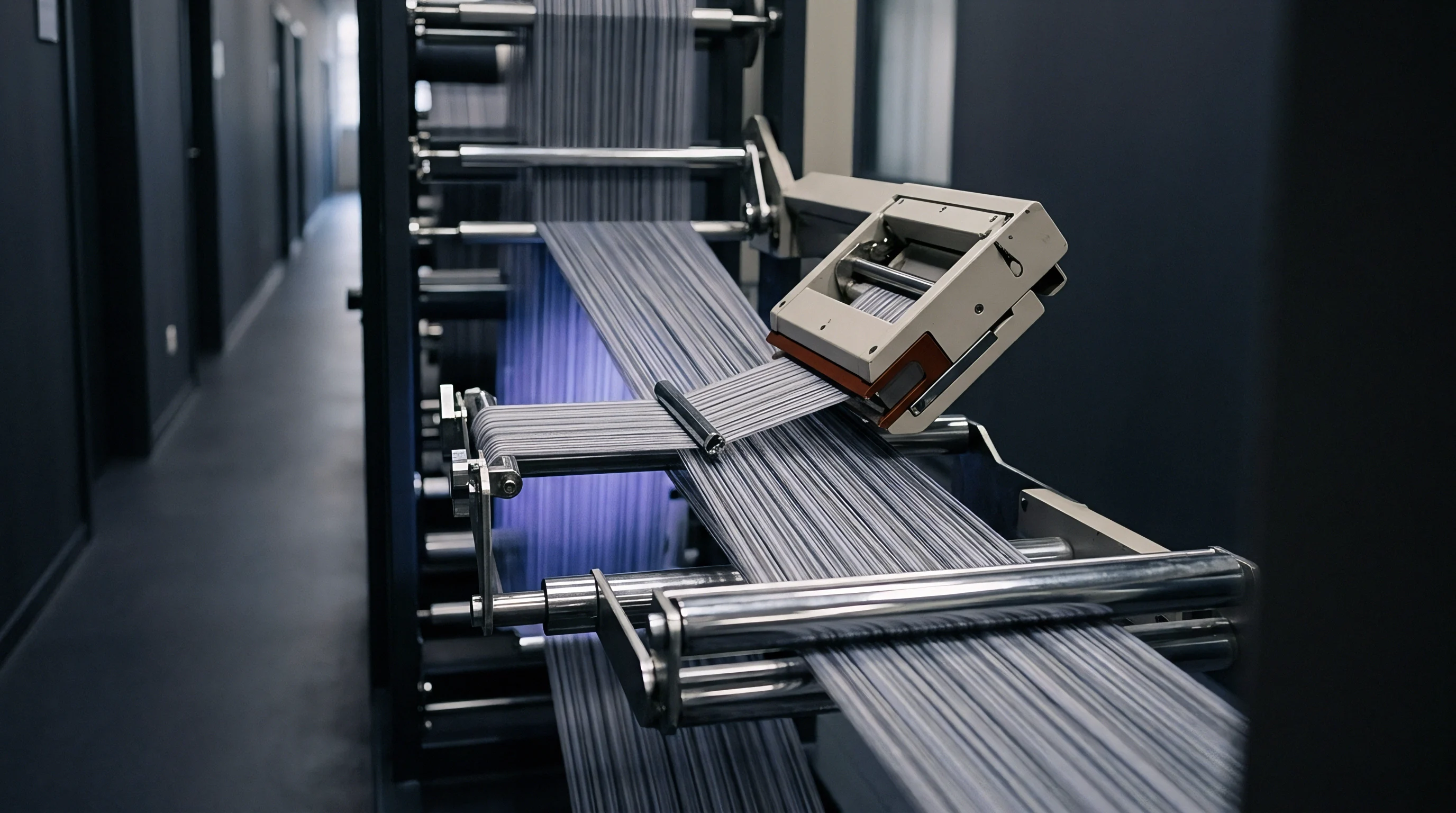
Converting thread density shifts into fabric area requires accurate tracking of length loss. Roll contraction from high warp crimp raises thread count per centimetre, boosting fabric weight per unit area. Estimating yield from unrelaxed grey length without factoring in wet contraction distorts marker calculations, causing raw material shortages at cutting plants.
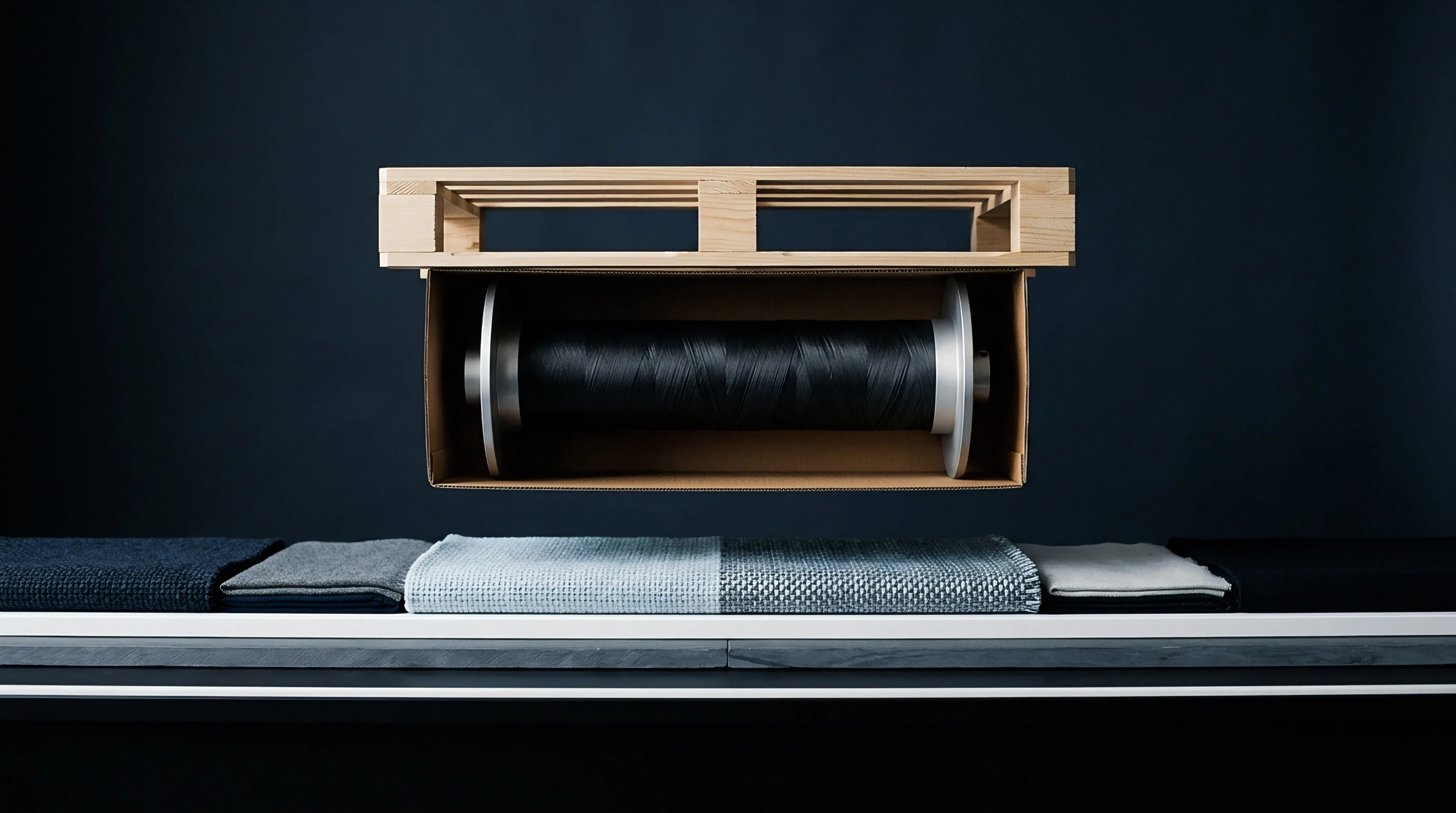
Worked Construction Breakdown for Heavyweight Cotton Twill
Grey construction enters the loom at 40 ends/cm and 22 picks/cm for this fifty-thousand-metre run of 3/1 twill. Scouring and stenter stabilization increase thread density to 43.5 ends/cm and 24 picks/cm, while cuttable width settles at 150 cm after selvedge trimming. Managing crimp interchange correctly balances fabric yield against quality standards, protecting commercial margins across continuous wet processing.