Washing Distortion
Global textile standards provide a specific framework for measuring how much a fabric shrinks or grows after a standardised laundering process. The procedure identified as iso 5077 describes a method for the determination of dimensional change in washing and drying. It is used to assess the stability of fabrics and garments, ensuring that they retain their shape and size throughout their useful life.
This standard is fundamental for the apparel industry to prevent consumer dissatisfaction caused by garments that no longer fit after a single wash. A low percentage of change indicates a high quality finish and a well designed fabric construction. It provides a quantitative measure that is used in technical specifications and commercial contracts.
Shrinkage Measurement
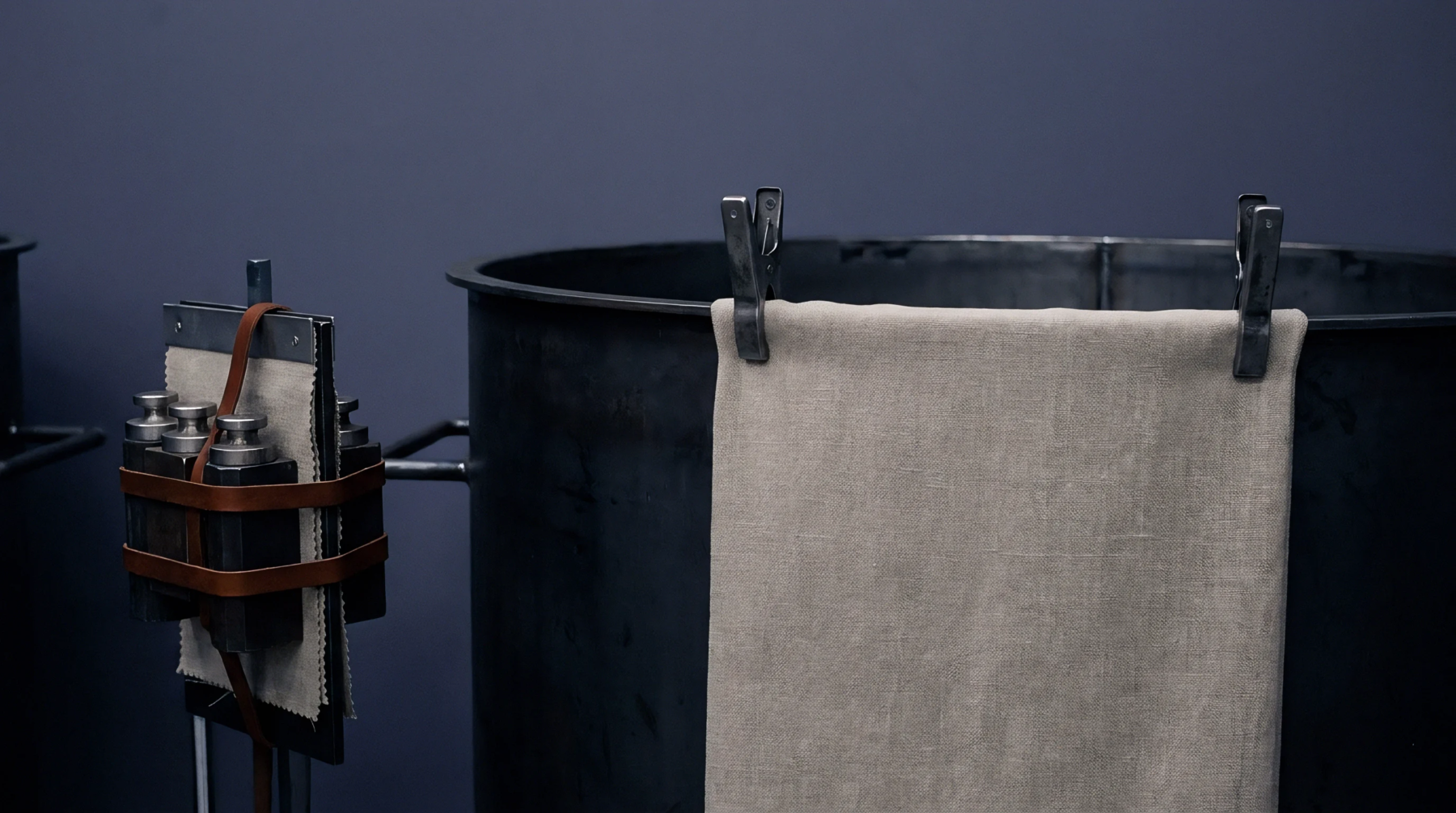
The methodology involves marking the specimen with reference points in both the length and width directions before it is subjected to a washing cycle. Under iso 5077, the fabric is washed and dried according to the instructions specified in another standard like ISO 6330, which defines the agitation, temperature and drying method. After the cycle is complete and the fabric has reached equilibrium in a conditioned room, a technician measures the distance between the marks again.
The dimensional change is calculated as a percentage of the original measurement, where a negative value indicates shrinkage and a positive value indicates growth. This process reveals the relaxation of stresses that were introduced during the spinning, weaving and finishing of the fabric. Every step in the manufacturing chain can influence the final stability of the material.
Commercial Checkpoint
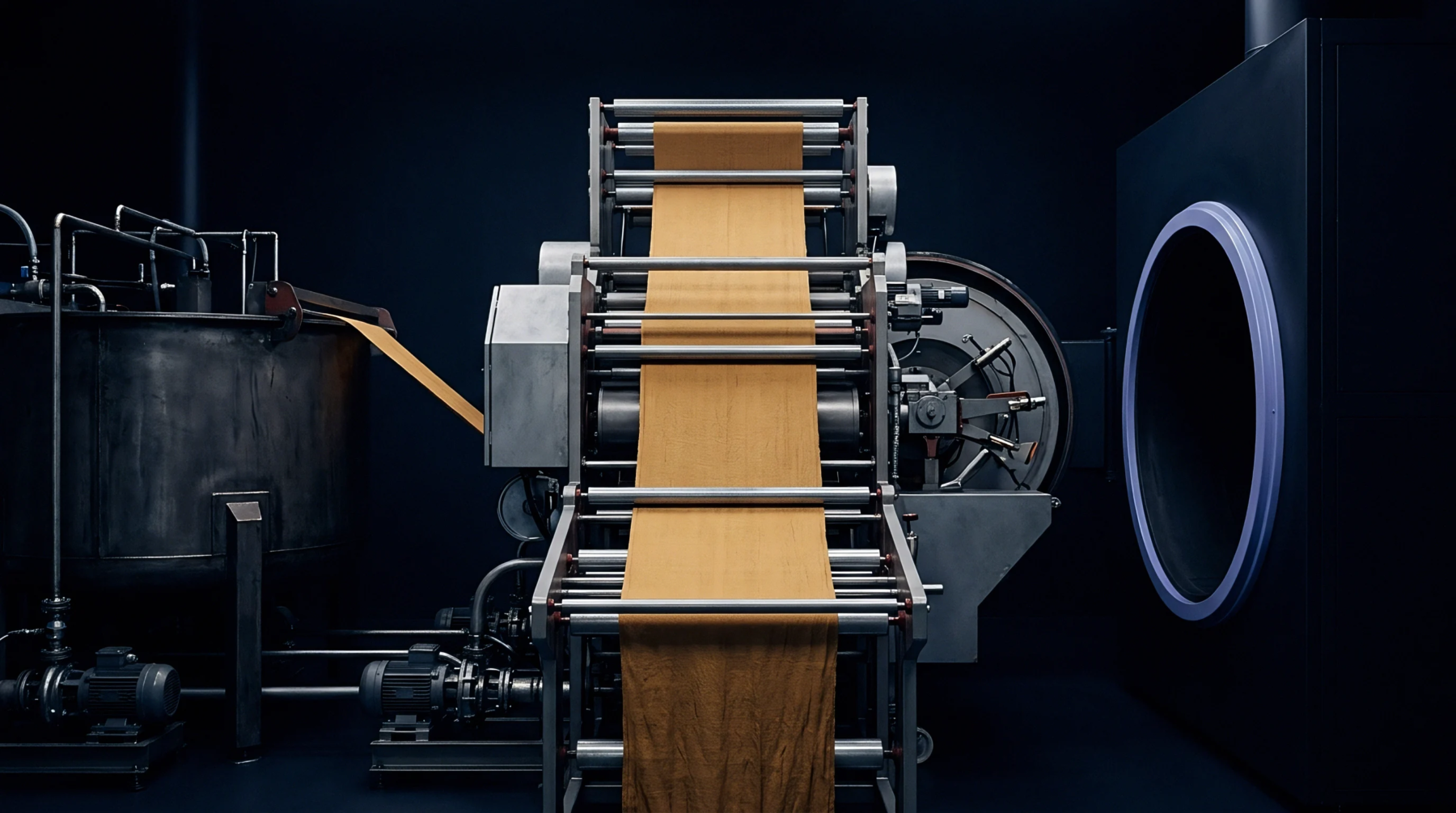
Retailers and garment factories use these laboratory reports to approve the fabric for bulk production before the cutting and sewing stages. Verifying compliance with iso 5077 ensures that the final products will meet the size tolerances promised to the customer. If a fabric lot shows excessive shrinkage, the mill may need to apply a mechanical or chemical stabilising treatment to correct the issue.
This verification is essential for maintaining the reputation of a brand and reducing the rate of product returns. Quality control teams monitor these results across different batches to ensure that the production process remains stable over time. It serves as a defensible record of the fabric quality that can be shared with international buyers.
Accurate data is the basis for a successful commercial partnership.
Environmental Boundary
Moisture content and the type of fibre used in the fabric significantly influence the amount of dimensional change that occurs during the test. Natural fibres like cotton and wool are more prone to shrinkage than synthetic filaments, which makes the iso 5077 test particularly important for these materials. The method stops being accurate if the laundering conditions used do not match the intended care instructions for the final garment.
This metric does not account for the temporary stretching that may occur during the wearing of the garment, only the permanent change after washing. It provides a measure of shape retention rather than the total durability or wear life of the cloth. Manufacturers must balance the need for stability with other factors like the soft handle and the appearance of the fabric.
Over processing a fabric to achieve high stability can sometimes damage the fibres.