Structural Contraction
The spontaneous physical contraction that occurs in a newly woven or knitted fabric once it is released from the tension of the production machinery alters its dimensions. Soft goods manufacturers analyze off-loom relaxation to predict the true, stable size of the fabric before it is cut into garment panels. This dimensional change represents the recovery of the yarn fibers from the high mechanical strain experienced during weaving or knitting.
The relaxation must be fully accounted for to avoid producing garments that are smaller than specified.
Yarn Restabilization
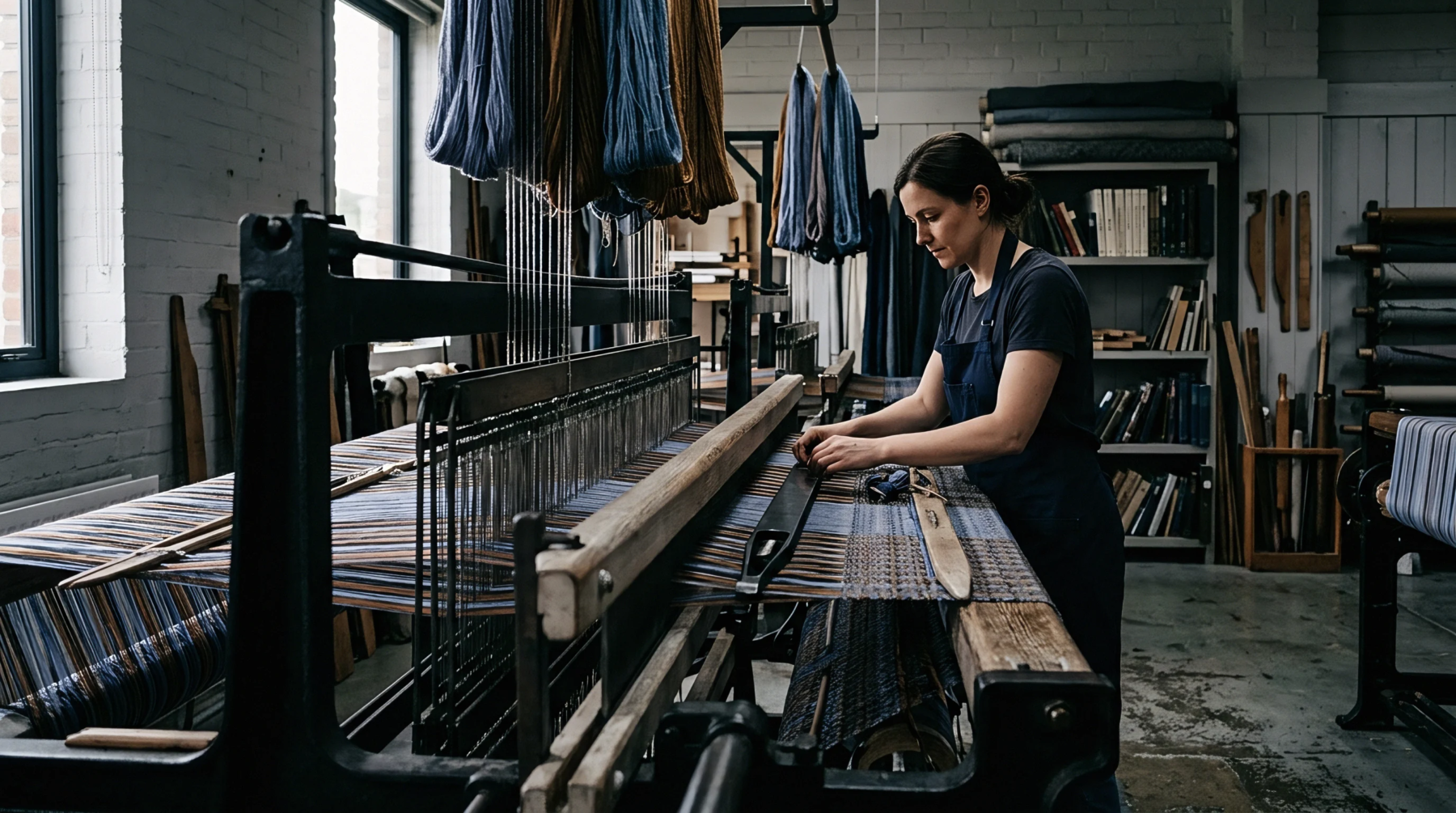
Yarn restabilization occurs as the fibers within the fabric matrix slowly adjust to their new, stress-free configuration. While on the loom, the warp yarns are kept under continuous tension, and the filling yarns are beaten into place under high force. Once the fabric is cut from the machine and rolled, these stresses begin to dissipate, causing the yarns to shorten and thicken.
This contraction typically occurs over a period of twenty-four to forty-eight hours, during which the thread count per inch increases.
Shrinkage Mechanics
Shrinkage mechanics during this transition are influenced by the polymer structure of the fiber and the density of the weave. Natural fibers like wool and cotton exhibit a high degree of relaxation because they have complex, elastic internal structures. Synthetic fibers like polyester also contract, but to a lesser extent, because they are often heat-set during the manufacturing process.
The tighter the initial weave structure, the more resistance the yarns encounter as they try to relax, which can affect the final fabric density.
Industrial Impact
Industrial impact is managed by allowing fabric rolls to rest in a relaxed state on the factory floor before they are used in production. Cutting fabric that has not finished relaxing can lead to uneven garment panels and distorted sewing lines. Modern garment factories enforce strict resting times as a critical component of their quality assurance protocols.