Loom State Greige Thread Density Verification Basics
Verifying off-loom thread density after four hours of tension-free conditioning prevents bulk specification disputes and costly finished cloth rejections.
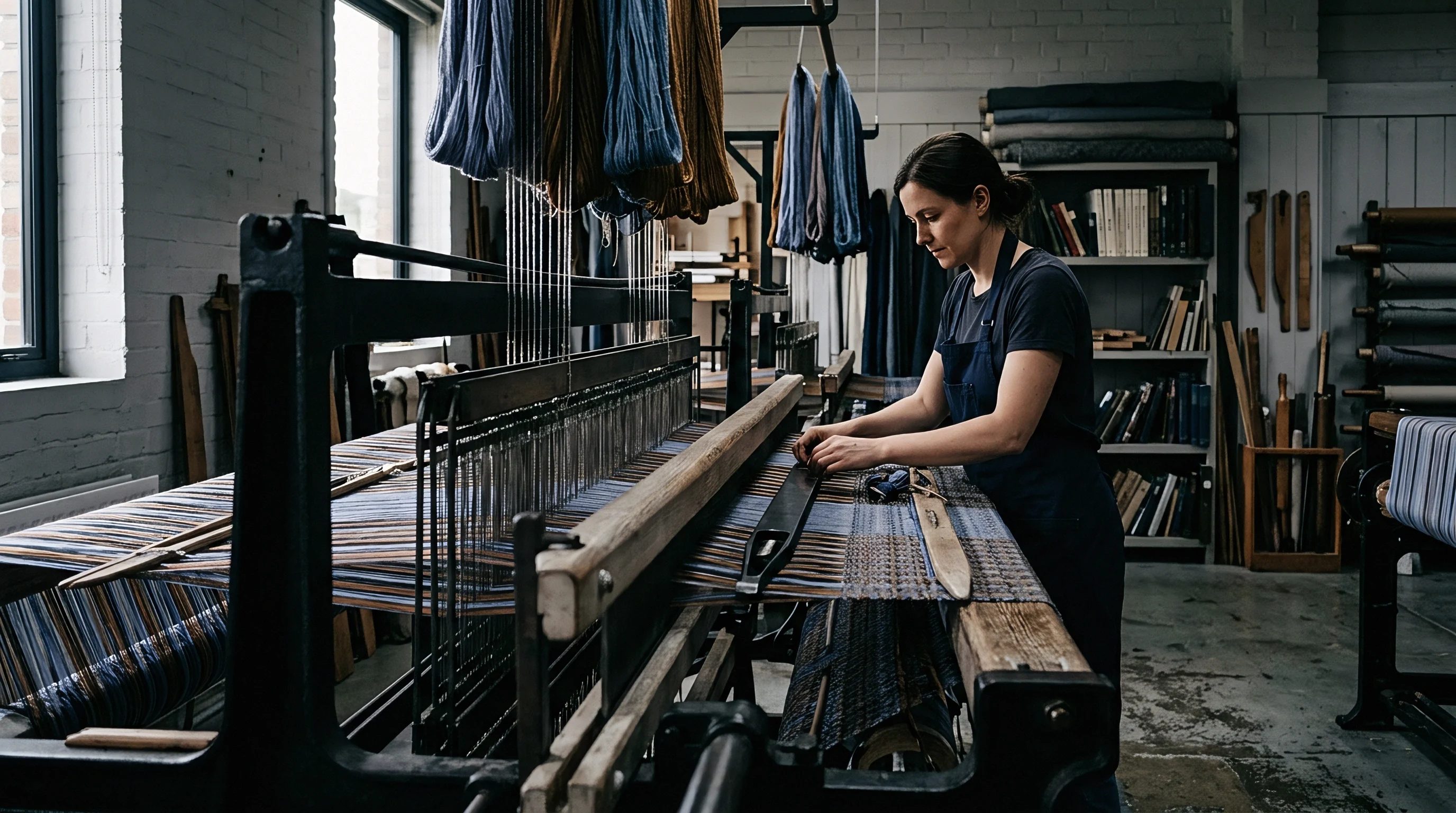

Reed
Off-loom yarn count and spatial placement set the structural foundation for greige thread density before any wet processing sequence begins. The density of ends and picks recorded at the loom fell differs from the density measured on relaxed, unrolled greige rolls arriving at the grey warehouse. Understanding this difference prevents costly miscalculations during procurement and technical specification drafting.
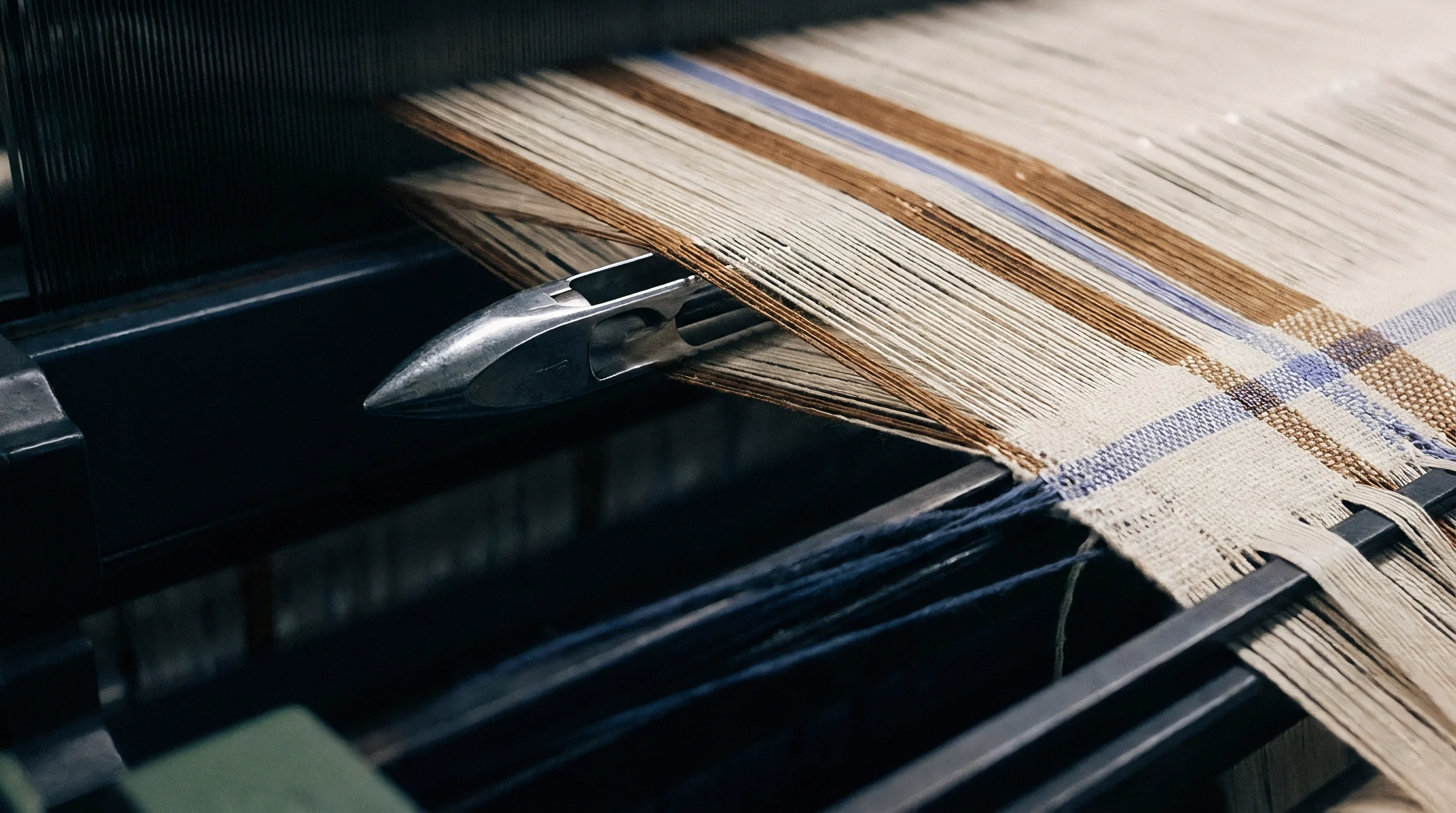
Loom Calculation versus Off-Loom Sett
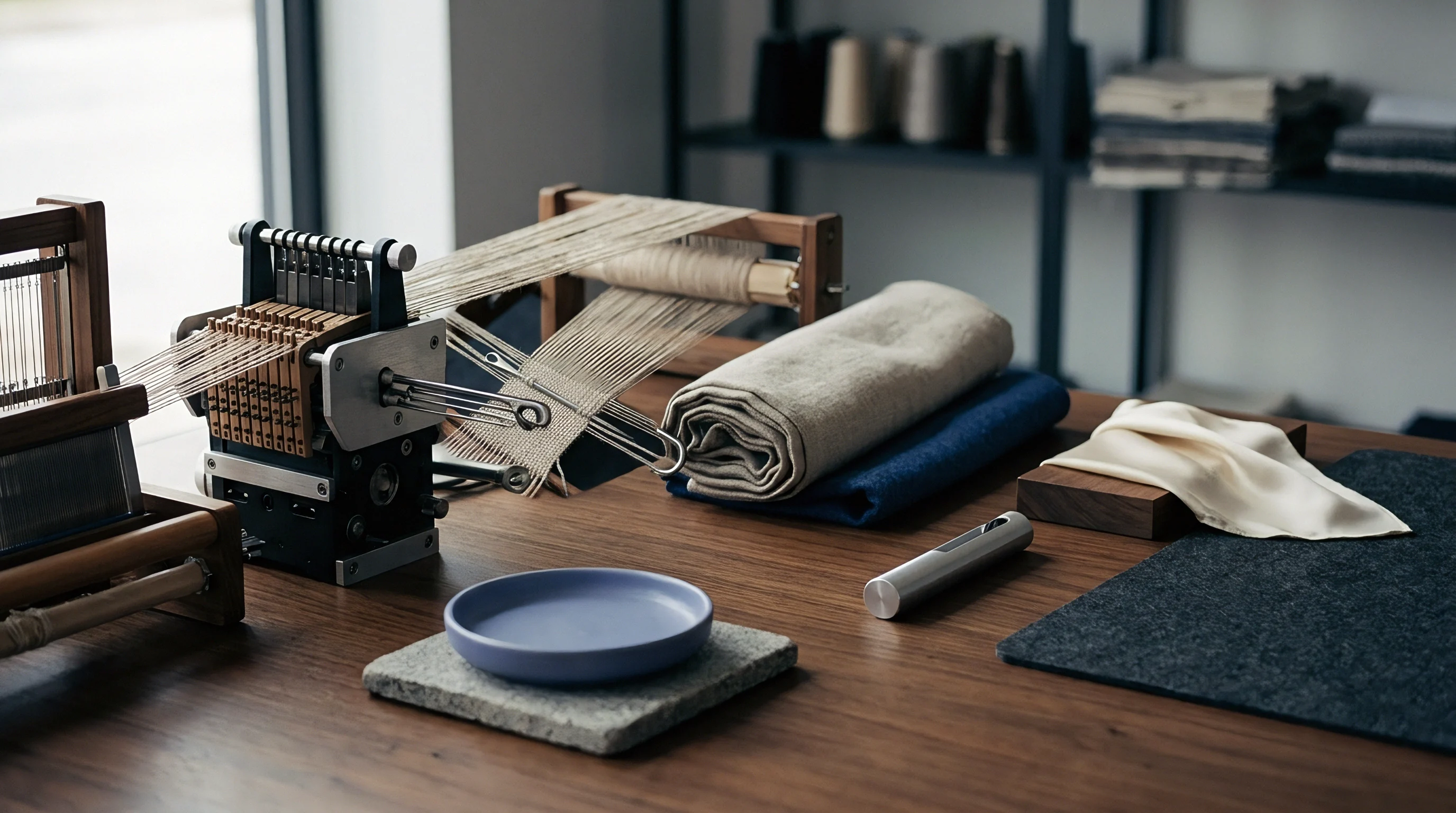
A weaving machine operates under continuous warp tension that artificially elongates ends while spacing picks according to take-up roll mechanical gears. The set density on the weaving comb structure, measured in dents per centimetre or dents per inch, determines the initial warp placement. However, the true off-loom warp density rises as soon as warp tension releases at the doffing frame.
Loom tension distorts pick counts. When the woven structure detaches from the take-up roll, internal strain relaxes, causing length and width contraction that alters both warp and weft counts.
The relationship between comb width, set ends, and off-loom width dictates warp end density adjustments. A comb set at 160 centimetres with two ends per dent yielding 3,200 total warp ends produces a nominal warp density of 20 ends per centimetre under tension. Upon tension release, the grey width contracts to 155 centimetres, raising the off-loom warp density to 20.65 ends per centimetre.
Sourcing practices that verify greige density directly off the loom without accounting for immediate elastic recovery miscalculate the final construction parameters.
A 100 percent cotton plain weave set at 24 ends per centimetre on the reed exhibits a three percent width contraction upon loom tension release, elevating off-loom greige warp density to 24.7 ends per centimetre.
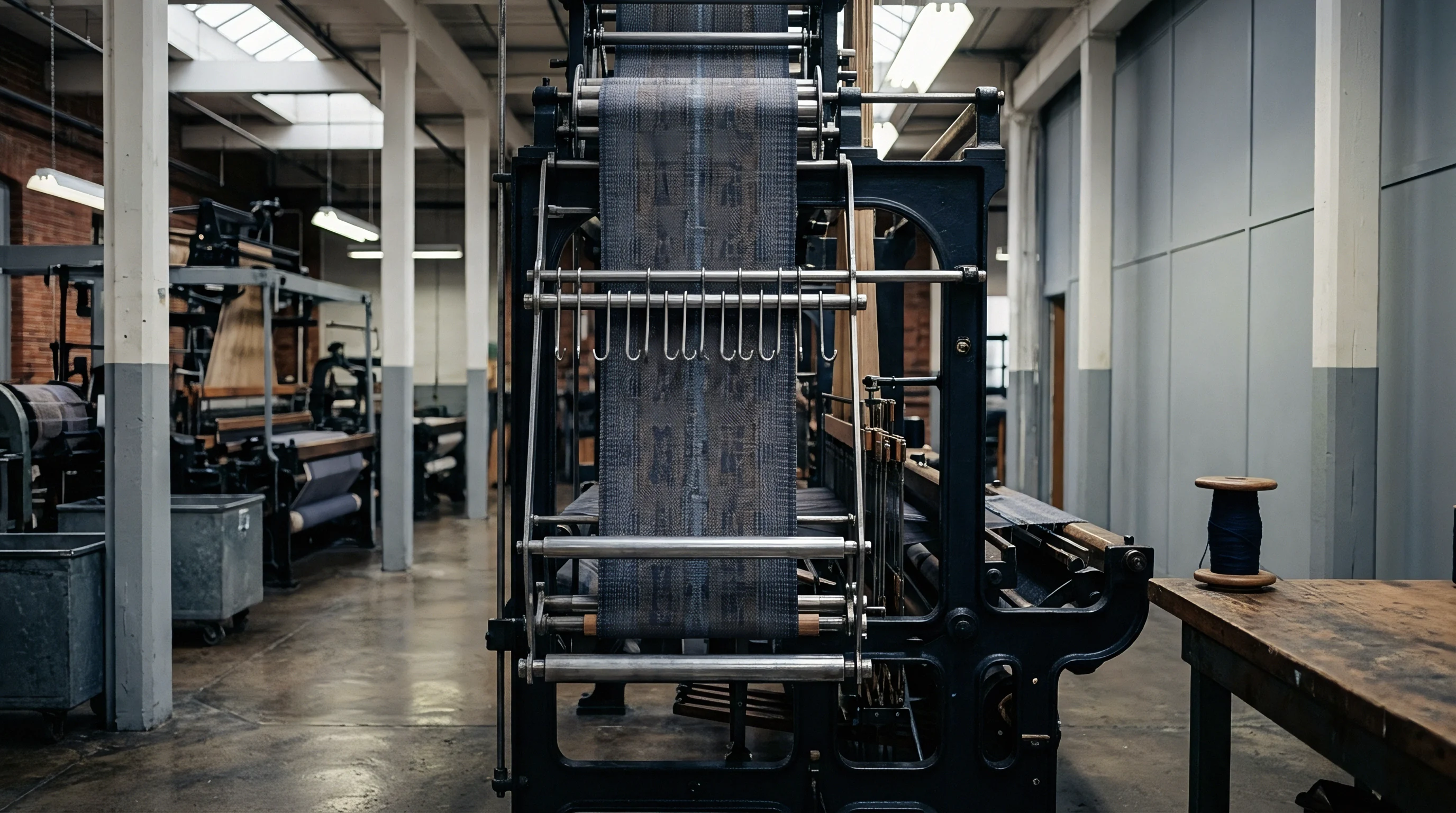
Warp End Spacing Mechanics
The number of ends per unit width entering the drop wires equals the total warp ends divided by the width across the open comb structure. Variations in beam let-off tension create localized fluctuations in warp end density across the width of the roll. High warp tension flattens picks.
When sizing beams carry unequal yarn moisture or variable winding hardness, individual warp sections contract unevenly during doffing. This uneven relaxation creates density gradients between the selvedge and the roll center.
Pick Insertion Density Dynamics
Weft threads enter the shed at fixed intervals dictated by the ratchet or servo take-up mechanism. The mechanical gear ratio on older shuttleless looms or the digital pulse setting on modern electronic take-up motors sets the target picks per centimetre. Off-loom contraction raises pick density.
The physical strike of the comb packs weft yarns into the fell under dynamic tension. Once the cloth roll unrolls on the inspection table, warp relaxation causes the weft threads to cluster closer together, increasing the picks per centimetre count by two to five percent depending on yarn crimp and fiber elastic recovery.
| Weave Construction | Reed Width (cm) | Denting (ends/dent) | Set Warp Density (ends/cm) | Off-Loom Warp Density (ends/cm) | Set Pick Density (picks/cm) | Off-Loom Pick Density (picks/cm) |
|---|---|---|---|---|---|---|
| Plain Weave 30s/1 x 30s/1 | 170 | 2 | 24.0 | 24.8 | 22.0 | 22.7 |
| Twill 3/1 20s/1 x 16s/1 | 165 | 3 | 42.0 | 43.5 | 24.0 | 24.9 |
| Sateen 4/1 40s/1 x 40s/1 | 180 | 4 | 52.0 | 54.1 | 30.0 | 31.2 |
| Plain Weave 150D Polyester | 190 | 2 | 28.0 | 28.4 | 24.0 | 24.4 |
Mill technicians routinely attribute initial density deviations to yarn moisture variation on the sizing beam rather than miscalibrated let-off motion.
Lens
Direct counting of ends and picks requires standardized optical magnification alongside controlled physical tension across the sample surface. Accurate off-loom density determination establishes whether a weaving mill met its contractual construction target before grey goods move to wet finishing.
Standardized Thread Density Count Protocol
Testing laboratories measure ends per inch and picks per inch under controlled standard atmosphere defined in ISO 139 at twenty degrees Celsius and sixty-five percent relative humidity. Standard conditioning takes four hours. Measuring unconditioned greige rolls straight from a shipping container yields inaccurate pick counts because ambient moisture shifts yarn diameter and overall cloth dimensions.
ISO 7211-2 and ASTM D3775 define the standard test methods for calculating thread density in woven goods using manual and automated equipment.
ISO 7211-2 mandates conditioning woven samples for at least four hours in standard temperate atmosphere prior to counting ends and picks to prevent humidity-induced dimensional errors.
Optical Determination Methods
Manual pick glass inspection relies on a calibrated aperture over a five-centimetre or one-inch span. Optical pick counters reduce labor. Operators place the glass flat on the tension-free substrate, counting parallel threads from one edge of the aperture to the opposite edge.
When evaluating coarse counts below ten threads per centimetre, a minimum counting length of ten centimetres prevents sampling errors. For fine high-density weaves exceeding fifty ends per centimetre, traveling microscopes or digital image analyzers remove human eye fatigue and sub-pixel alignment discrepancies.
- Mount the greige sample on a flat, glare-free inspection surface without applying tension across warp or weft vectors.
- Condition the test specimen in an atmosphere of twenty degrees Celsius and sixty-five percent relative humidity for four consecutive hours.
- Position the optical pick glass parallel to the warp direction, ensuring the aperture line aligns perfectly with a single weft yarn.
- Count every warp end visible within the five-centimetre aperture, recording full ends and half ends at the boundary lines.
- Rotate the optical device ninety degrees to align parallel with the warp ends, counting all picks across the five-centimetre aperture span.
- Repeat the counting sequence at five distinct locations across the roll width, excluding areas within ten percent of the selvedge edges.
- Calculate the arithmetic mean of the five counts for both warp and weft directions, reporting the final average values to the nearest decimal place.
ASTM D3775 Section 8.2 dictates five separate test sites across the full width, excluding selvedges within one-tenth of the total roll width, establishing the legal basis for lot rejection.


Shed
Warp yarn relaxation off the machine triggers structural contraction that shifts threads closer together. The mechanical forces inside the weaving shed leave residual stresses that alter thread density across time and storage conditions.
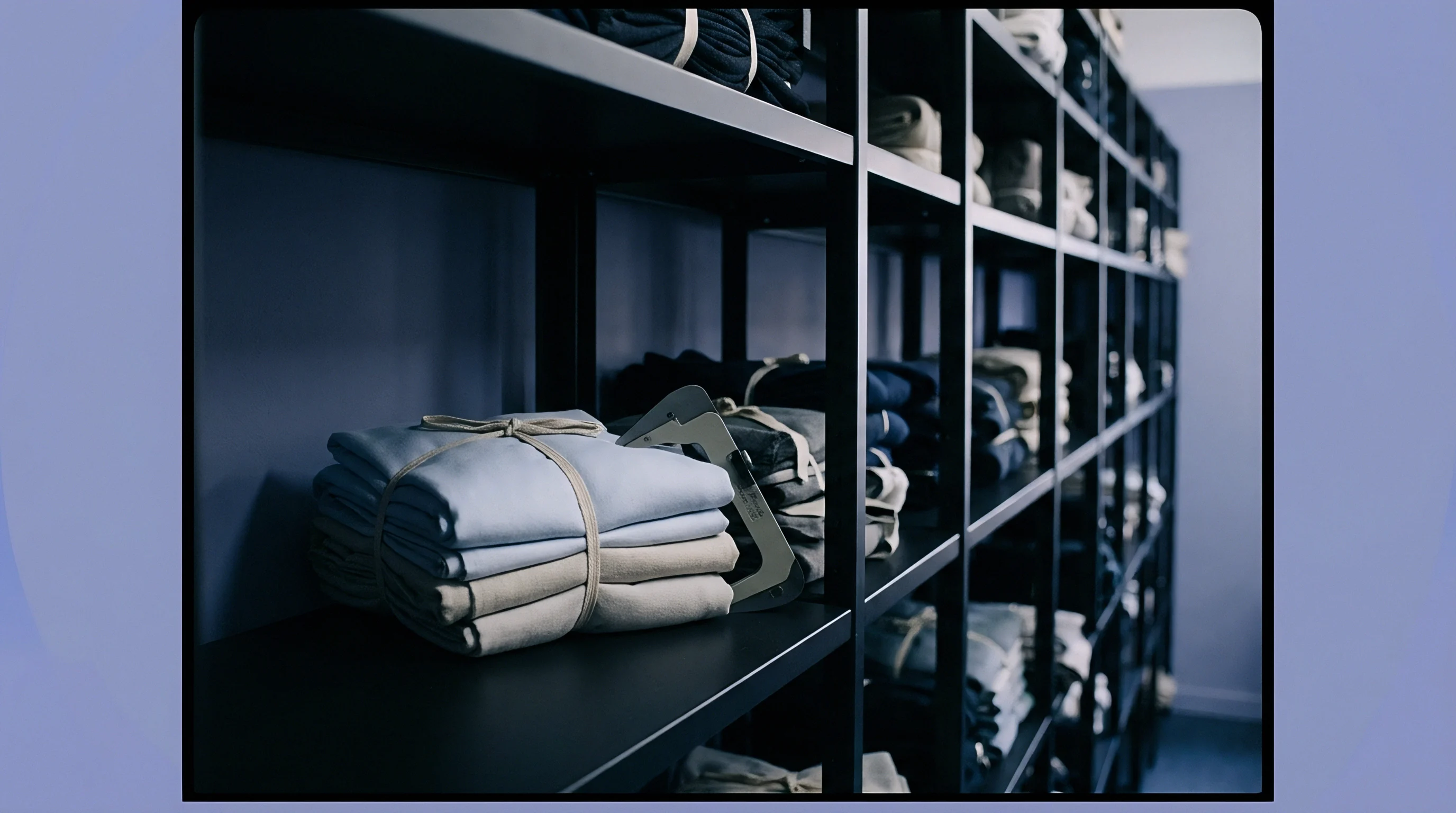
Where Does Greige Density Variance Originate?
Loom take-up tension holds the active fell in an artificial state of mechanical extension. Warp tension suppresses crimp. When the cloth beam winds under high pneumatic or mechanical pressure, picks lock into temporary spatial positions.
Once doffed, elastic yarn recovery initiates immediate longitudinal contraction. Synthetic filament yarns exhibit rapid immediate recovery followed by slow thermal relaxation, whereas spun cotton yarns display continuous dimensional creep influenced by relative humidity during warehouse storage.
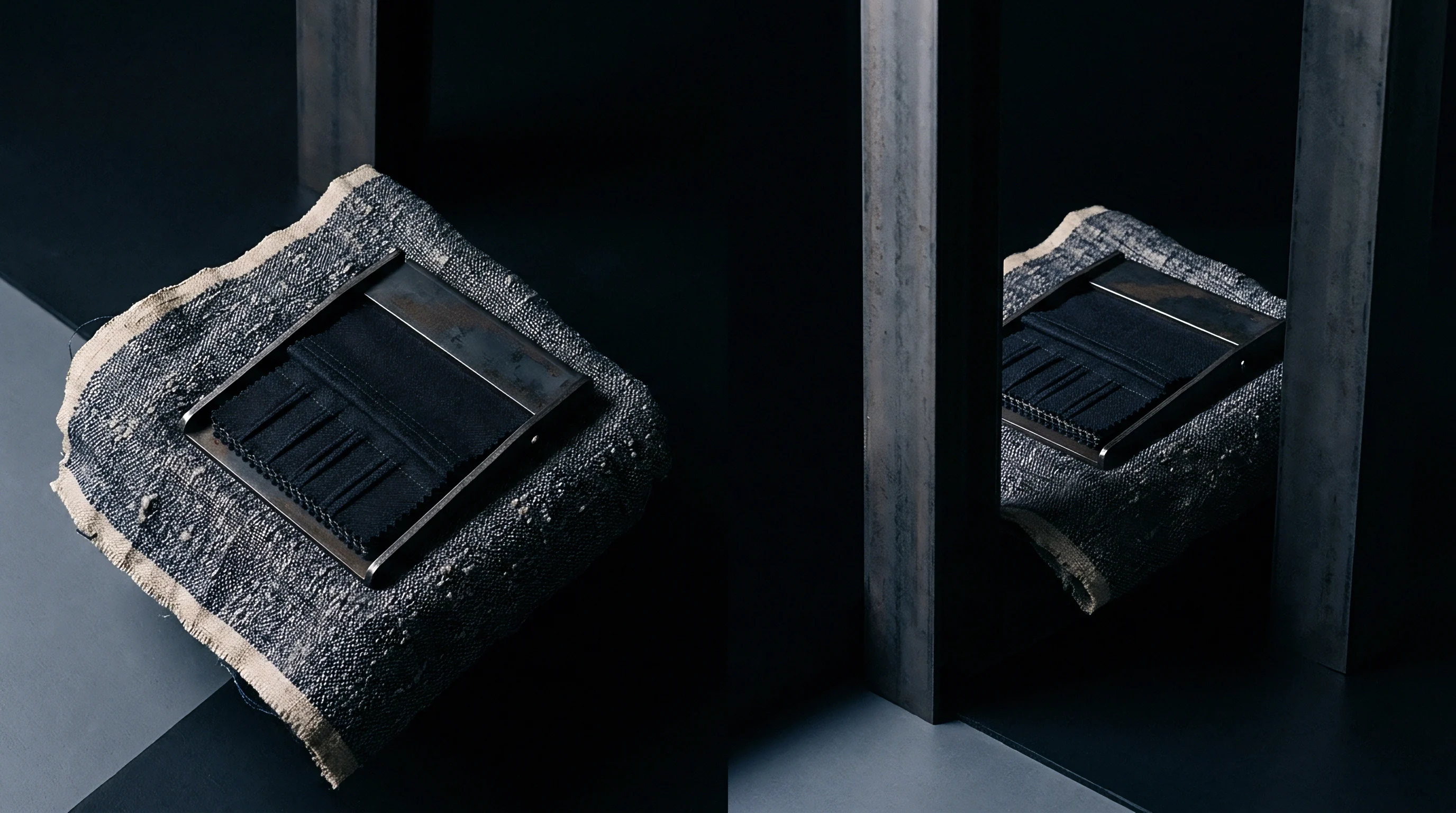
Off-Loom Contraction Mechanics
Unwinding a roll from the batcher releases stored mechanical strain in synthetic and natural spun yarns. Heavy reeds abrade spun yarns. The internal crimp structure redistributes as warp threads pull back, forcing weft picks closer together.
Crimp interchange alters thread spacing. Consequently, pick density measured ten minutes after doffing will be lower than pick density measured twenty-four hours later on the same roll.
Higher warp tension on the weaving machine suppresses warp crimp, delaying structural relaxation until the greige unrolls on the inspection table.
- Warp Tension Spikes generate localized regions of elevated length contraction that falsely inflate off-loom pick density during relaxed optical counting.
- Humidity Fluctuations shift moisture content in hydrophilic fibers like cotton and viscose, driving swelling that alters yarn spacing across storage days.
- Take-Up Gear Backlash creates periodic cyclic variations in pick placement along the roll length, leading to density spikes every few metres.
- Batcher Roll Pressure Variations compress inner roll layers tighter than outer layers, altering thread counts between the core and exterior.
| Fiber Composition | Initial Off-Loom Picks/cm (10 min) | Relaxed Picks/cm (24 hr) | Density Change (%) | Width Contraction (%) | Stabilization Time (hr) |
|---|---|---|---|---|---|
| 100% Ring Spun Cotton | 22.1 | 22.8 | +3.17 | 2.10 | 24 |
| 100% Textured Polyester Filament | 24.0 | 24.2 | +0.83 | 0.50 | 6 |
| 65/35 Polyester Cotton Blend | 26.5 | 27.1 | +2.26 | 1.40 | 12 |
| 100% Viscose Rayon Spun | 30.0 | 31.2 | +4.00 | 3.00 | 36 |
Unresolved industrial debate continues over whether laser optical scanners mounted directly on air-jet looms can fully eliminate manual off-loom thread density verifications across elastomeric blends.
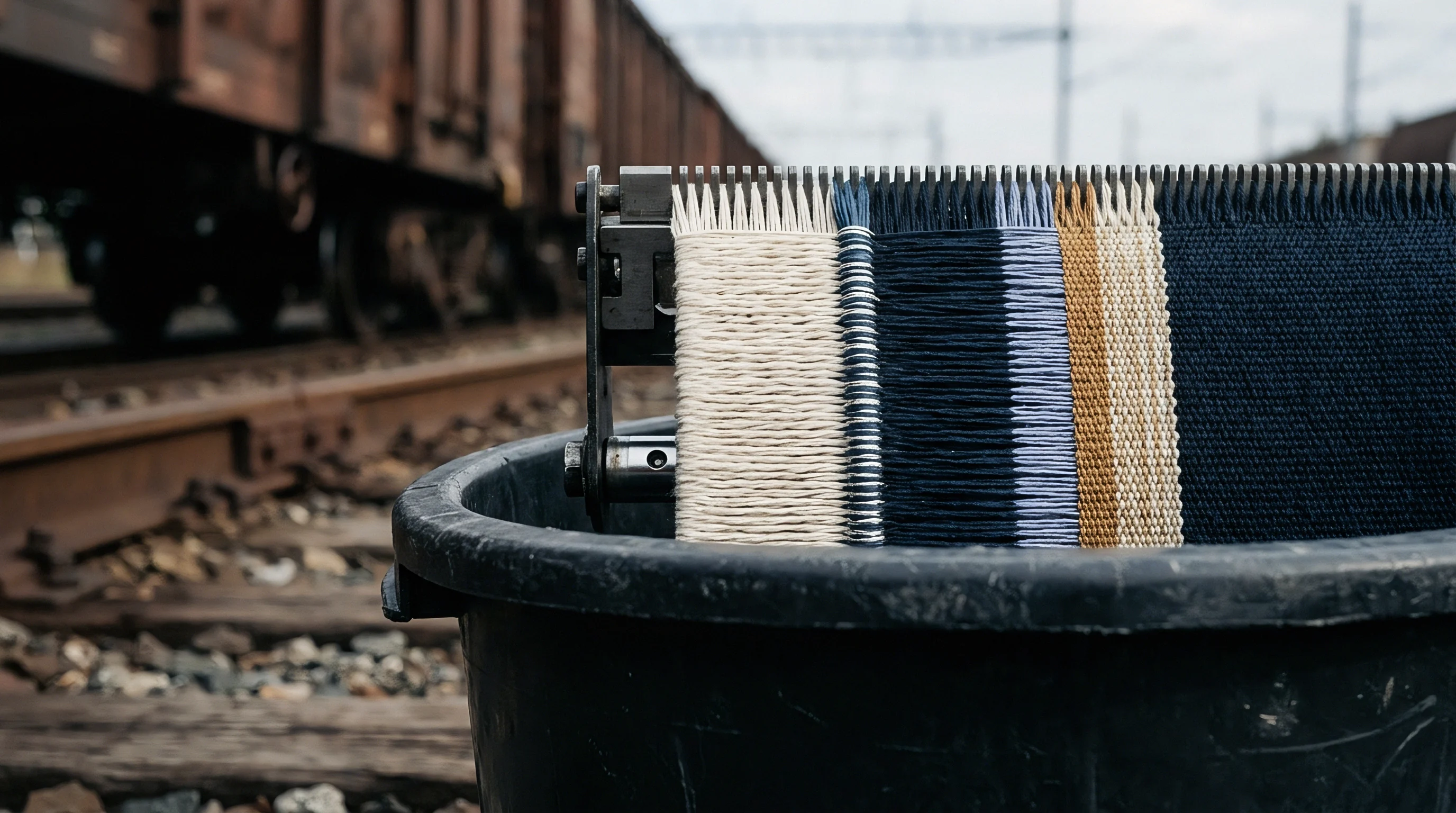
Shift
Wet processing alters greige construction metrics by forcing yarn swelling, crimp redistribution, and thermal relaxation. Sourcing engineers calculate greige density targets by working backward from finished cloth requirements through known finishing contraction factors.
Finishing Contraction and Thread Recalculation
Desizing, scouring, and heat setting change warp ends per centimetre and picks per centimetre simultaneously. Grey width exceeds finished width. A greige material entering wet processing at 25 ends per centimetre and 22 picks per centimetre undergoes width contraction during desizing and length relaxation during tensionless drying.
Cold water triggers instant contraction. Mercerization increases pick count density. When finishing stenters pull the wet substrate to a target finished width of 140 centimetres from a grey width of 152 centimetres, warp end density increases by eight to twelve percent.
Predicting finished thread density requires integrating expected warp shrinkage and weft contraction values into the initial greige specification. Continuous stenters fix final width. If a buyer demands a finished poplin construction of 36 ends per centimetre by 30 picks per centimetre, ordering greige at those exact numbers yields an over-dense, overweight finished product after wet contraction.
Wet processing shrinks the greige substrate in length and width, concentrating warp and weft threads into a denser finished grid.
Crimp Interchange Calculations
When warp threads absorb moisture, their cross-sectional diameter expands, forcing weft picks to bend around them. Thread density governs finished weight. This structural movement transfers crimp from warp to weft or vice versa.
In heavy twill weaves, finishing reduces warp length by up to seven percent while expanding width slightly under stenter clip tension. Sourcing dossiers must document these target shifts to avoid paying for excess yarn weight in the greige state.
- Warp Crimp Allowance defines the additional yarn length consumed per unit cloth length during weaving and subsequent finishing shrinkage cycles.
- Stenter Overfeed Setting controls longitudinal compaction during drying, directly adjusting finished pick density independently of greige pick settings.
- Caustic Shrinkage Factor quantifies width reduction during cotton mercerization, concentrating warp ends into a tighter spatial arrangement per centimetre.
- Sanforizing Contraction Target sets the mechanical compressive shrinkage applied to finished goods, fixing final pick density to lock dimensional stability.
| Finished Target Construction | Finishing Process Route | Warp Shrinkage (%) | Weft Shrinkage (%) | Required Greige Warp Ends/cm | Required Greige Picks/cm |
|---|---|---|---|---|---|
| Cotton Canvas 40 ends x 24 picks | Desize + Scour + Sanforize | 6.5 | 4.0 | 37.4 | 22.4 |
| Polyester Microfiber 50 ends x 36 picks | Scour + Heat Set (190 C) | 2.0 | 1.5 | 49.0 | 35.5 |
| Cotton Twill 48 ends x 26 picks | Mercerize + Dye + Sanforize | 8.0 | 5.5 | 44.2 | 23.9 |
| Viscose Plain 32 ends x 28 picks | Scour + Pad-Steam Dye + Finish | 7.0 | 6.0 | 29.8 | 26.1 |
Failing to calculate crimp interchange during greige intake leads to finished cloth falling outside target weight, forcing total batch rejections and unrecoverable air freight expenses.
Margin
Commercial contracts enforce thread density specifications through strict numeric thresholds applied to incoming loom-state shipments. Precise density testing provides legal protection against deficient yarn input and incorrect loom setup by sub-contracted weaving operations.
Commercial Tolerances and Allowance Ranges
Sourcing contracts establish standard acceptance bands of plus or minus two percent for warp ends and pick count. Mills bill on loom state. Receiving greige material below the lower tolerance limit reduces cloth weight, tear strength, and cover factor, compromising performance in finished apparel or technical applications.
Conversely, exceeding the upper density limit increases greige weight, inflating raw yarn costs and causing shade variations during automated dye pad application.
Dispute Settlement and Specification Clauses
Buyers audit incoming lots against agreed technical specification sheets before issuing wet processing orders. When audit testing reveals a pick density deficit exceeding three percent across three consecutive rolls, the buyer retains the contractual right to reject the entire batch or debit the weaving supplier for weight shortfalls. Purchase orders must specify whether thread density compliance applies to immediate off-loom state or fully conditioned greige state to ensure unambiguous legal enforcement during commercial arbitration.
Rejection of greige goods occurs at the loom-state intake stage before wet finishing adds unrecoverable conversion cost to an out-of-spec weaving run.