Structural Count
Numerical measurement of the number of horizontal yarns found within one linear inch of woven fabric defines the density of the filling or weft. This picks per inch value is a primary indicator of the weight and durability of the textile. It is measured along the warp direction and is used by designers to specify the exact construction of the cloth.
A higher count usually results in a stiffer and more substantial fabric, while a lower count produces a more open and breathable weave. This measurement is taken at the loom and again after the finishing process to account for any shrinkage. It remains a fundamental specification in every textile purchase order.
Weaving Dynamics
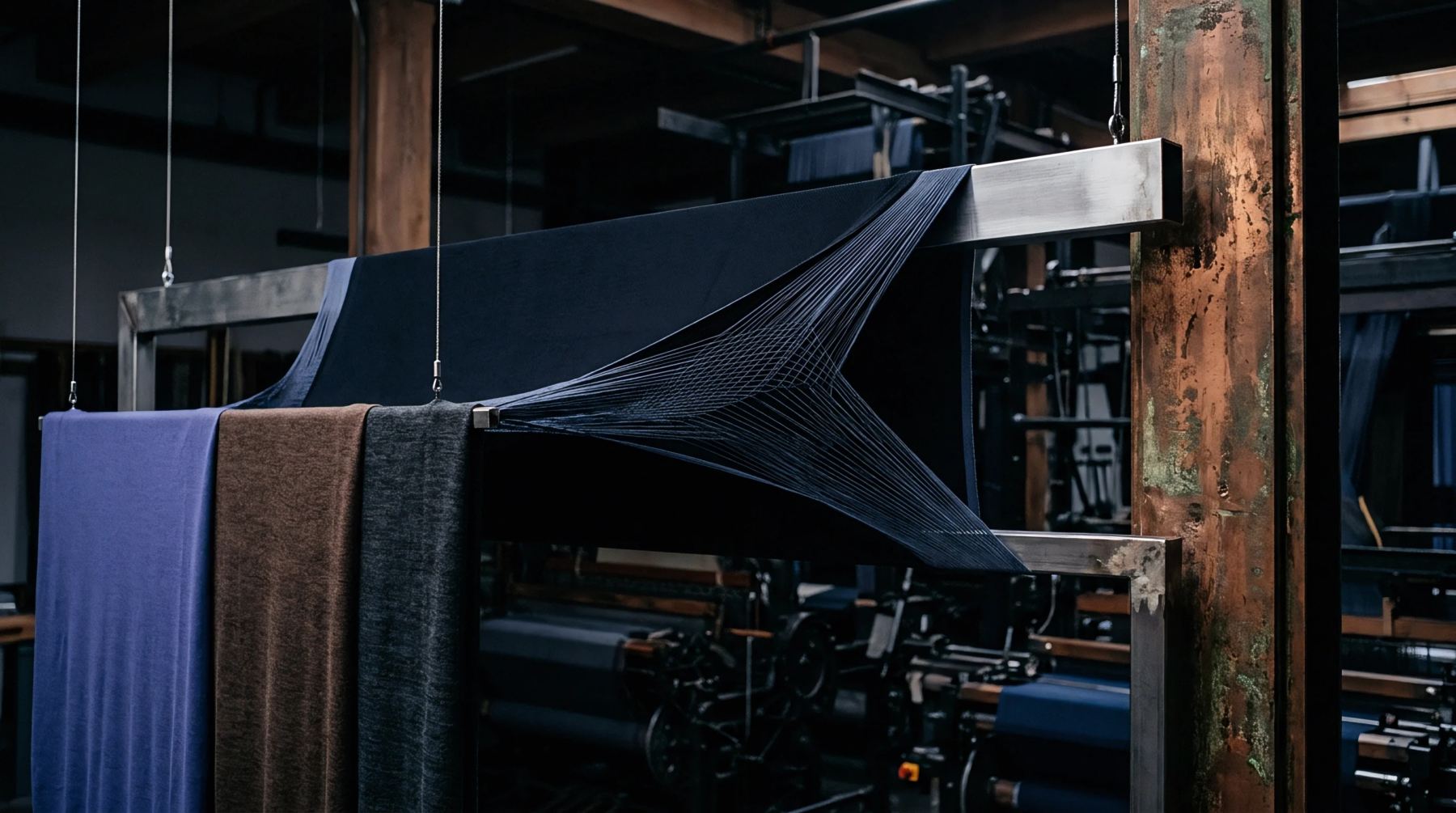
Operation of the loom is adjusted to achieve the target count by controlling the speed of the take up roller. In the production of picks per inch, the loom beat up mechanism pushes each new weft yarn into the fell of the cloth at a precise frequency. If the tension on the warp yarns is too high, the weft may not pack tightly and the count will drop.
Conversely, if the tension is too low, the fabric may become overly dense and exceed the design specifications. Weavers use a counting glass or an electronic pick counter to verify the density during the weaving process. This ensures that the entire roll is consistent from the beginning to the end.
Any variation in the count can lead to visible shading differences or structural weaknesses in the finished fabric.
Material Performance
Impact of this density on the final product is most evident in the drape and the strength of the garment. A fabric with a high picks per inch count will have better resistance to seam slippage and a lower risk of tearing under stress. It also provides a smoother surface for printing and a more uniform appearance for dyeing.
For technical fabrics like those used in filtration or protection, the pick count is critical for managing the porosity of the material. Manufacturers must balance the count with the thickness of the yarns to achieve the desired weight without making the fabric too bulky. This balance is verified during the quality control stage where the actual count is compared to the approved master sample.
Inspection Standard
Verification of the count happens at the final inspection table before the rolls are packed for shipment. Using picks per inch as a quality metric ensures that the mill has delivered the exact construction promised in the contract. If the count is found to be lower than specified, the fabric may be rejected as it will not meet the weight requirements of the buyer.
This measurement also helps in calculating the total amount of yarn required for a production order. Inspectors record the count for each roll to provide a data trail for the garment factory. Reliable pick counts are essential for maintaining the consistency of the hand feel and the appearance across multiple shipments.
This value is a critical element of textile quality assessment.