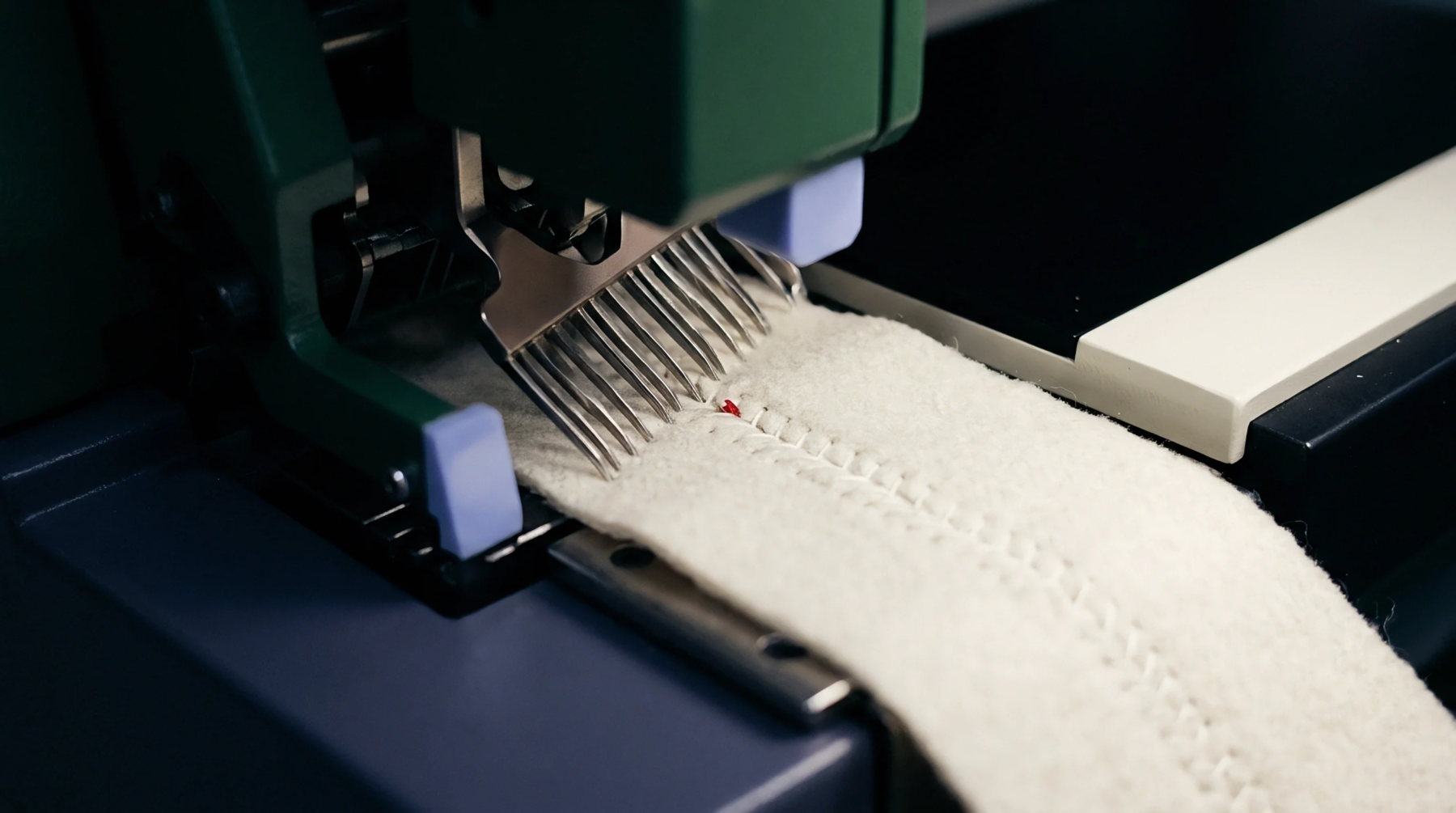
Asymmetrical Stress Distribution
Mechanical deviation defines the condition where a moving substrate experiences unequal tensile force across its width. Web tension bias arises when rollers exhibit imperfect alignment or inconsistent surface diameter during high speed processing. Proper control prevents material wrinkling or uneven coating thickness during roll winding.
This phenomenon necessitates precise monitoring of load cell feedback to maintain structural integrity across the entire film or fabric surface.
Calibration Metric
Transverse sensors provide the data required to quantify the variance between left and right zones during winding operations. Technicians adjust the tracking rollers to restore parity when the system detects localized slackness or overextension. Digital gauges verify that the nip force remains consistent across the cross-machine direction.
High friction areas on the transport rollers frequently contribute to this imbalance by dragging one side of the material more aggressively than the other. Consistent measurement during production ensures that the final product meets the geometric tolerances required for downstream printing or lamination.
Operational Variance
Variations in material thickness or elasticity often mask the root cause of tensile drift during processing. Soft materials demonstrate sensitivity to even minor axial shifts because the lack of stiffness allows for rapid deformation under load. Older equipment lacking automatic edge guidance faces higher risks of permanent distortion due to repetitive unequal strain cycles.
Operators look for consistent curling patterns near the edges to identify the presence of this bias before the damage becomes irreversible. Constant vigilance regarding the parallelism of all idler rollers remains the primary method for mitigating these forces in a production environment.
Structural Deformation
Permanent elongation happens when the substrate material undergoes plastic strain due to persistent force disparity over extended run times. Fibrous assemblies experience shifts in local density that alter permeability and dye uptake in subsequent finishing stages. Consistent tension profiles across the width maintain consistent mechanical properties for the finished goods.
Unchecked bias results in geometry failures that prevent successful integration into automated assembly equipment.