
Establishing Chemical Compliance Verification Frameworks for Recurrent Fabric Orders
Recurrent fabric compliance demands batch-level analytical testing, scope-matched transaction certificates, and mill auxiliary chemical audit controls.
Recurrent fabric compliance demands batch-level analytical testing, scope-matched transaction certificates, and mill auxiliary chemical audit controls.

Resolving total organic fluorine discrepancies requires washing inorganic fluorides and isolating organofluorine dyes before running combustion chromatography.

Validating transaction certificates demands digital QR verification, line-item invoice reconciliation, and mass-balance accounting prior to customs entry.

Global textile clearance mandates matching chemical laboratory extraction limits to batch-specific transaction certificates before containers arrive at border entry.
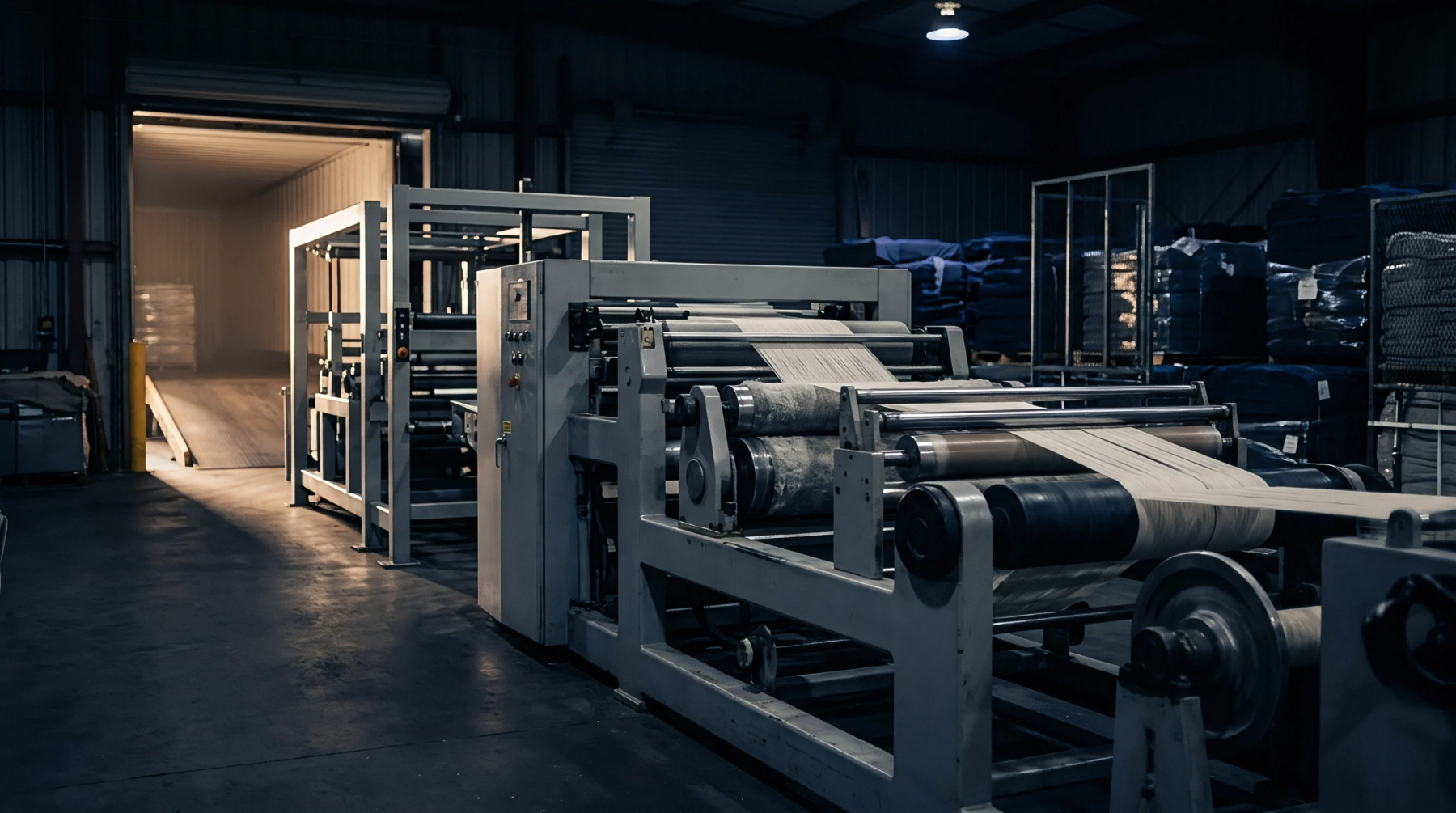
Subcontracted dyehouse failures create direct financial liabilities through unverified chemical additions, requiring strict retest protocols and PO cost allocation.

Mass balance verification in cross-border organic cotton requires reconciling raw lint transaction certificates, spinning waste loss, and customs origin proofs.

Dynamic replenishment dosing calibrated to dyestuff substantive affinity factors eliminates longitudinal tailing across high-speed continuous pad dye lines.

Uneven roller pressure and lateral thermal migration create severe chemical disparities across roll width, causing localized compliance failures.

Isotopic baseline matching on isolated cellulose provides objective proof of fiber origin to release detained shipments under import enforcement scrutiny.

Managing fluorinated chemical risk in recycled synthetics demands total fluorine screening, targeted LC-MS testing, and strict batch transaction certificate tracking.

Batch verification by combustion ion chromatography total organic fluorine screening prevents illegal PFAS shipments by detecting non-targeted fluoropolymers.

Non-fluorinated DWR wet processing requires bath pH 4.0-5.5, WPU control, and core cure temperatures of 150-170°C with crosslinkers to pass 10 ppm fluorine limits.

Structured tripartite deeds and letter of credit chemical release covenants transfer restricted substance liability directly to subcontracted wet processing mills.
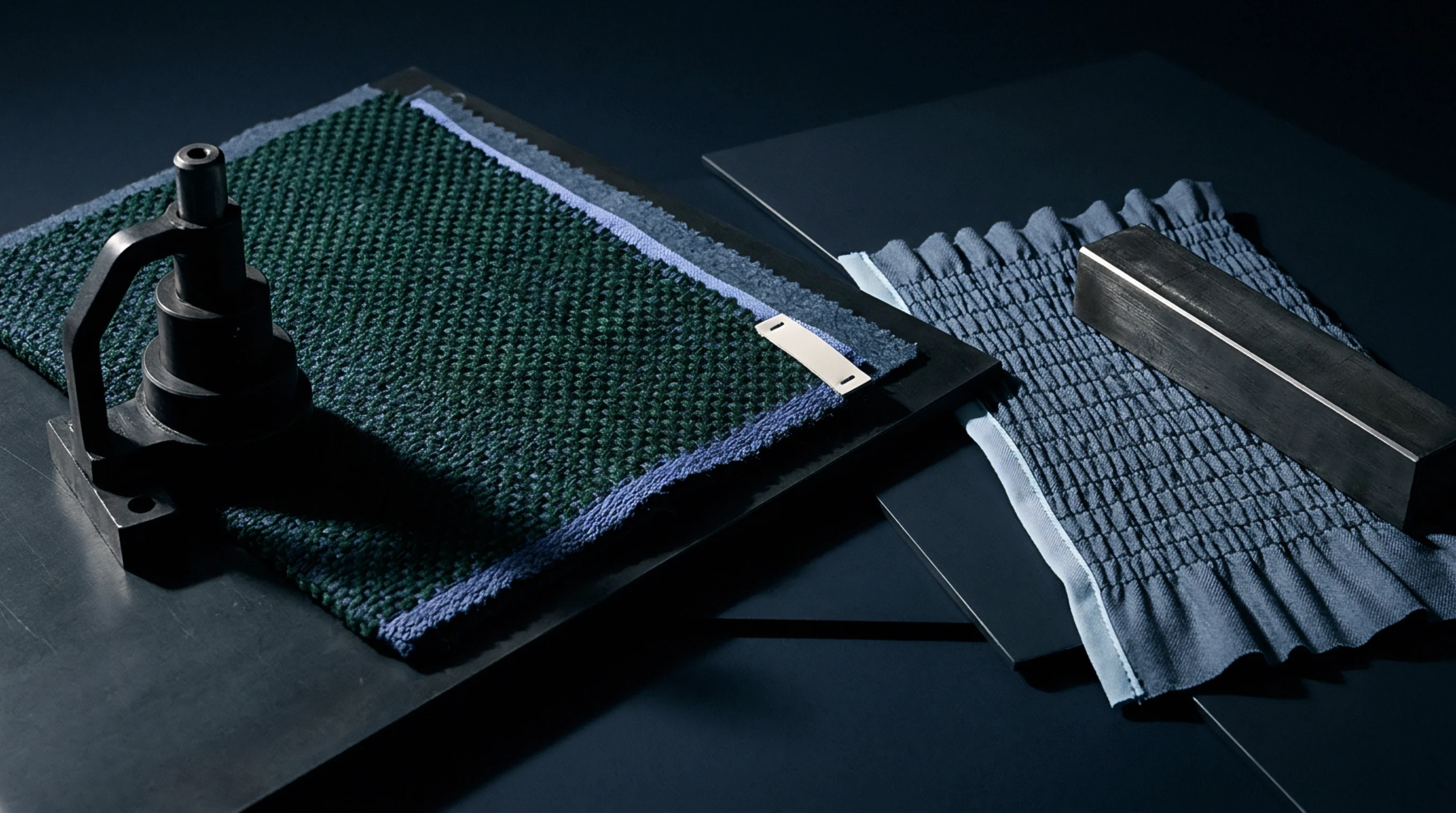
Tier two chemical audit schedules must prioritize wet-processing recipe risk and inventory mass balance over factory volume or static annual cycles.

Reconciling ocean freight chemical degradation against destination reporting limits requires Arrhenius kinetic aging models based on container temperature logs.

Ocean transit microclimates hydrolyze textile finishes, requiring desiccant dimensioning and mill-level curing stabilization to clear destination surveillance.

Commercial laboratory default reporting limits frequently sit above regulatory thresholds, requiring buyers to specify lower analytical cutoffs in sourcing contracts.
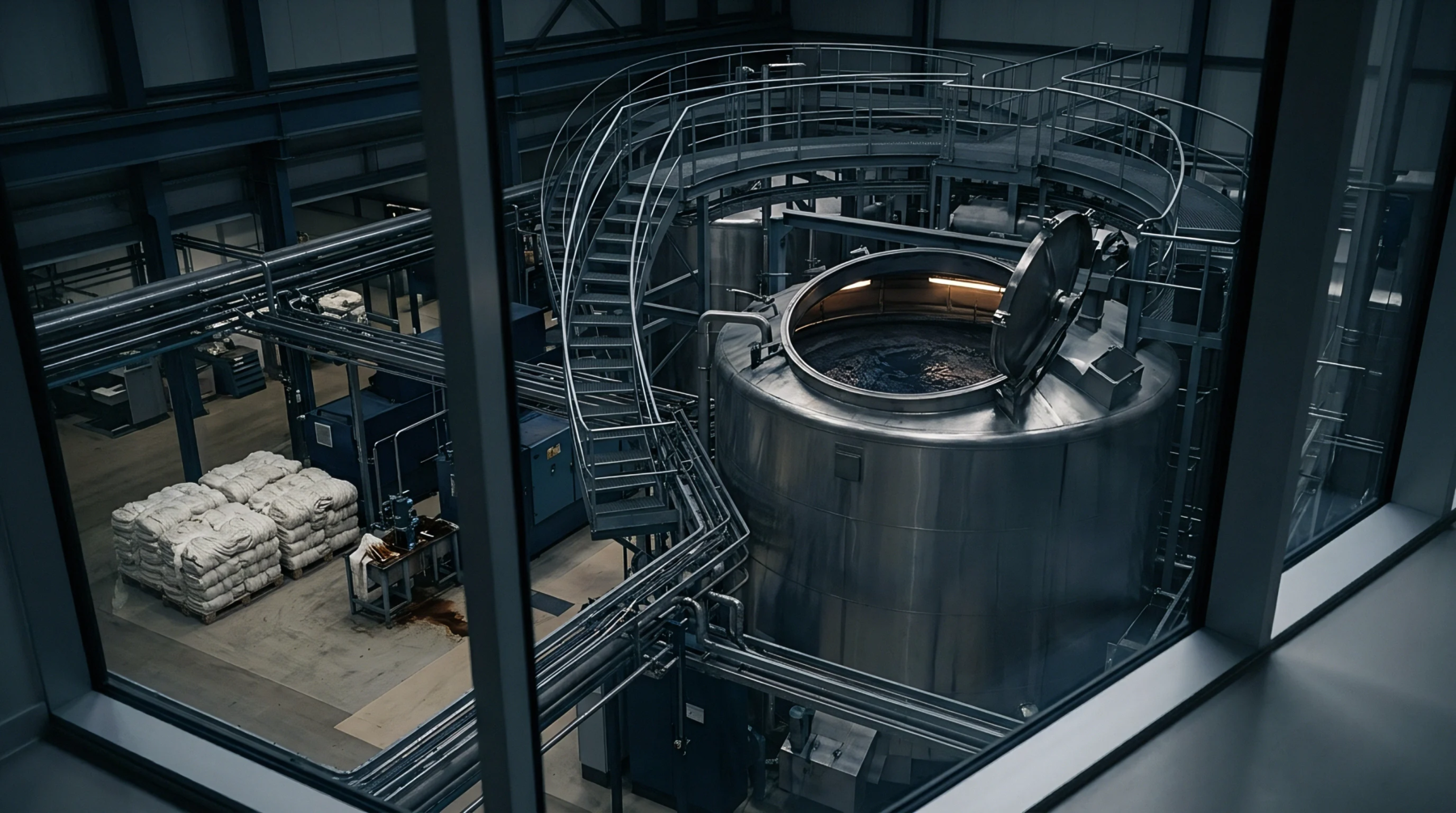
Forensic audit mechanics reconcile digital SCADA dosing logs with mass balance inventory calculations to detect uncertified chemical inputs during scope lapses.
Expertise is a utility, not a secret. sentiention™ publishes its working knowledge as open reference: intelligence layer covering the materials it sources, the markets it enters, and the reference that serves both.