Verifying Restricted Substance Compliance in Primary Textile Dyeing Operations
Verify restricted substances at the incoming dispensary and finished roll edges to prevent chemical migration and border detentions before container loading.


Liquor

Incoming Chemical Verification on the Floor
Analytical verification of primary wet processing begins with the chemical stock entering the formulation dispensary. A dyehouse operates on recipe cards specifying dyestuffs, leveling agents, carrier solvents, pH regulators, and washing auxiliaries. Every chemical commercialized as a proprietary compound carries an internal formulations record that suppliers guard under trade secrecy.
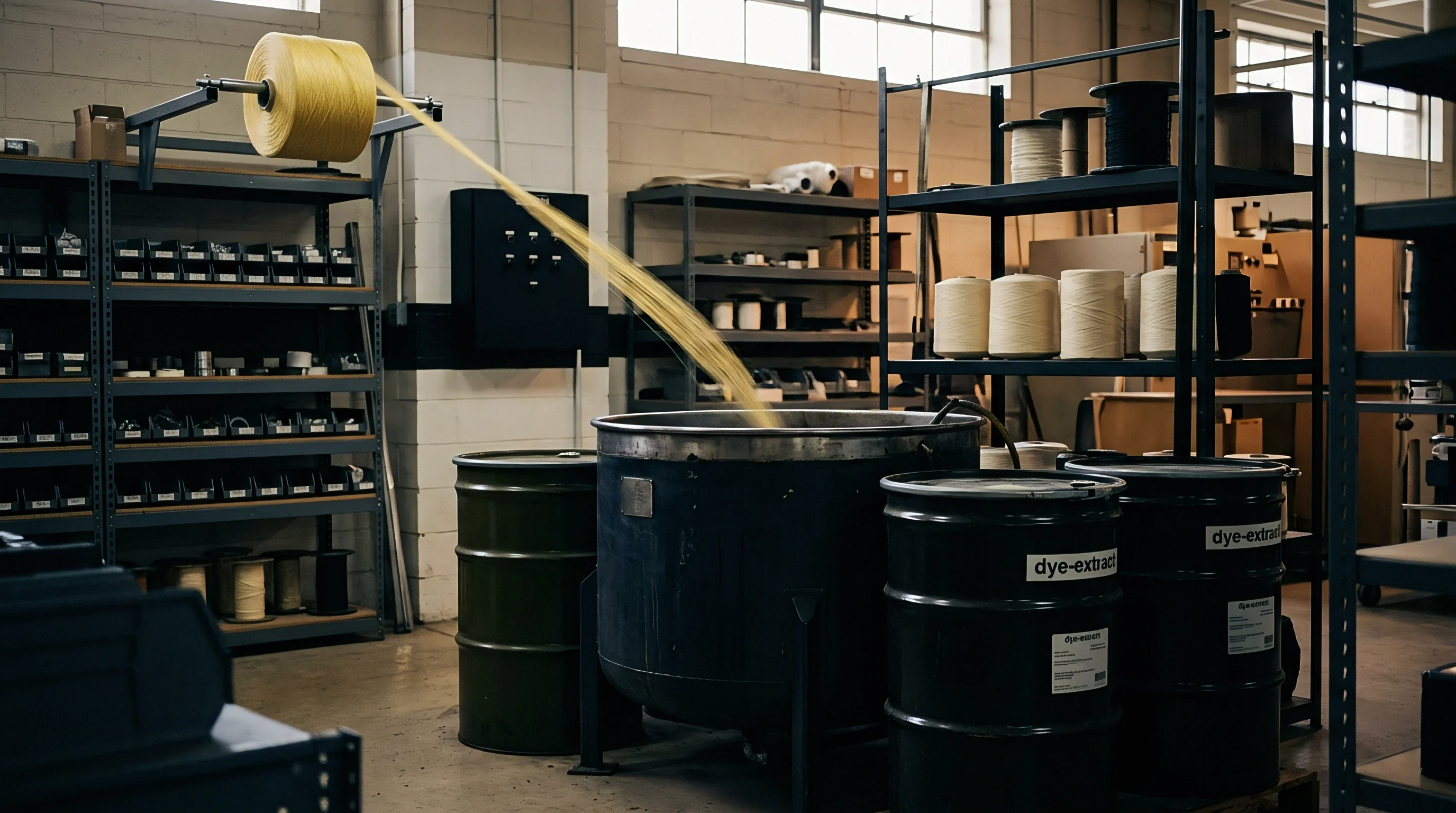
When a commercial dyeing operation receives a liquid dispersant or a direct black preparation, the raw delivery vessel rarely discloses the trace isomers or chemical cleavage products residing within the raw formulation. Importers who rely entirely on generic safety data sheets face detention risks at destination ports. Technical dossiers demonstrate that raw commercial dyes frequently harbor unreacted synthesis residues, including restricted arylamines, trace chlorobenzenes, and alkylphenol ethoxylates.
Verification requires testing incoming formulation drums against the manufacturing restricted substance list before those chemicals enter the primary dissolution vats. The process demands direct analytical screening of incoming dye powders, surfactants, and liquid auxiliaries using targeted extraction protocols. Liquid chromatography coupled to tandem mass spectrometry isolates extractable nonylphenol and octylphenol ethoxylates down to a limit of quantification of five milligrams per kilogram.
Gas chromatography with mass selective detection identifies halogenated carriers and carrier solvents down to one milligram per kilogram. Technical evaluation of textile chemicals reveals that thirty percent of uncertified leveling agents contain branched alkylphenol ethoxylates exceeding the one hundred milligram per kilogram limit established by market authorities.
Leveling agents and scouring auxiliaries containing branched alkylphenol ethoxylates above one hundred milligrams per kilogram transfer persistent residues directly into the processed yarn.
Dispensing systems compound this vulnerability when automated lines share common manifolds without validated solvent purging. Residual pigment pastes carrying trace concentrations of ortho-phenylphenol or biphenyl contaminate subsequent liquor cycles through system holdup volumes. Facilities running polyester, polyamide, and cotton blends sequentially through identical jet equipment show recurring cross-batch transfer of carrier solvents when cleaning cycles omit high-temperature alkaline scouring.
Mechanical piping designs with dead legs trap concentrated auxiliary residues that leach out during subsequent light-shade runs.
Incoming verification demands that every commercial lot of liquid or powdered dye arrive with an authenticated batch-specific analytical certificate linked to an accredited laboratory testing scope. When an incoming formulation lacks third-party analytical verification, the mill holds the physical container in a quarantined staging area until selective gas chromatography screening clears the chemical lot for dispensary release. Standard operational procedure dictates that color kitchen scales link directly to enterprise resource management terminals that hard-lock recipes containing non-cleared auxiliary lots.
The laboratory verification steps for raw chemical screening establish the chemical boundary that prevents upstream non-compliance from entering the liquor.


Scour
Substrate Preparation and Pretreatment Interferences
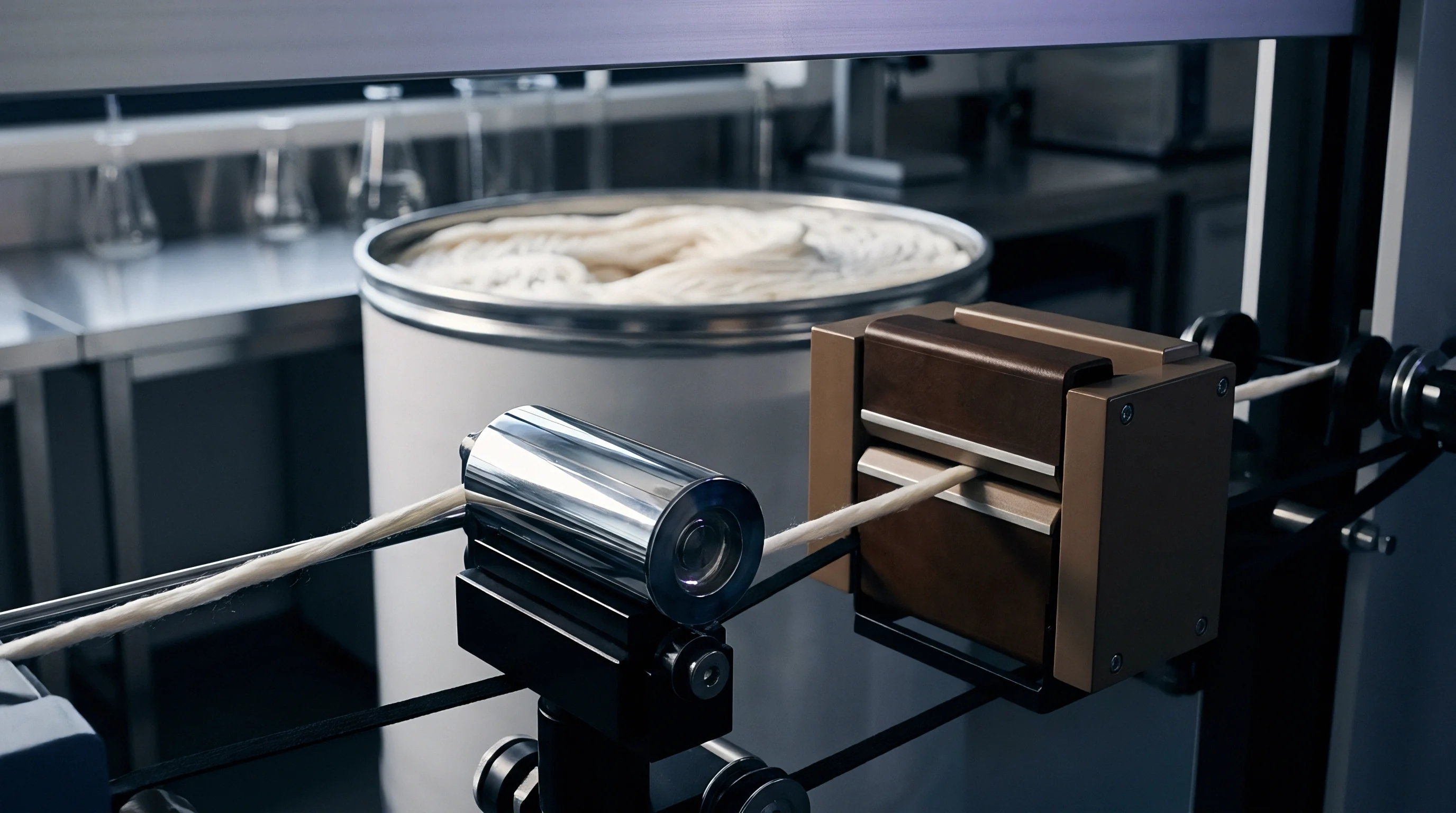
Yarn, knitted greige, and woven piece goods bring their own chemical history into the primary processing bath. Greige cotton introduces paraffinic sizing residues, agricultural pesticide residues, natural waxes, and machine oils from spinning and weaving equipment. Synthetic textiles enter the dyehouse loaded with knitting needle lubricants, antistatic spin finishes, and silicone release agents.
When these preparation lubricants contact the high-temperature water bath, emulsification reactions distribute restricted compounds across both liquor and substrate. Scouring removes these processing aids, yet improper scouring chemistries frequently introduce restricted surfactants to accelerate wetting.
Pretreatment formulation testing monitors the washing agents deployed during desizing and bleaching stages. Alkylphenol ethoxylate surfactants accelerate the penetration of caustic soda during cotton mercerization and scouring, creating persistent chemical compliance failures down the line. Regulatory testing routines target four distinct surfactant classes across preparation baths: nonylphenol ethoxylates, octylphenol ethoxylates, linear alkylbenzene sulfonates, and secondary alkane sulfonates.
When pre-scouring operates at temperatures below eighty-five degrees Celsius, silicone knitting oils fail to emulsify, redepositing across the selvages and absorbing hydrophobic dyestuff carriers during subsequent high-pressure jet operations.
| Chemical Agent Group | Restricted Substance Target | Analytical Test Method | Formulation Limit (mg/kg) | Detection Limit (mg/kg) |
|---|---|---|---|---|
| Wetting And Scouring Surfactants | Nonylphenol And Octylphenol Ethoxylates | LC-MS/MS After Solvent Extraction | 100.0 | 5.0 |
| Mercerizing Penetrants | Short-Chain Alkylphenols | LC-MS With Methanol Extraction | 10.0 | 1.0 |
| Dye Carriers For Synthetic Fibers | Chlorinated Benzenes And Toluenes | GC-MS With Hexane Sonication | 1.0 | 0.2 |
| Sequestering And Chelating Agents | Nitrilotriacetic Acid Salts | Ion Chromatography With Conductivity | 500.0 | 20.0 |
| Yarn Spinning And Sizing Lubricants | Polybrominated Biphenyl Ethers | Soxhlet Extraction With GC-MS | 5.0 | 0.5 |
Testing greige substrates before wet processing identifies environmental pesticide loads in cellulosic fibers. Organochlorine pesticides, including endosulfan, hexachlorocyclohexane isomers, and dichlorodiphenyltrichloroethane, deposit inside the raw cotton fiber lumen during agricultural cultivation. Alkaline boiling under pressure degrades certain organochlorines while transforming others into stable, extractable compounds that persist through post-dyeing rinse baths.
Substrate verification demands solvent extraction of raw greige fibers using dichloromethane followed by capillary gas chromatography with electron capture detection.
Pretreatment validation also monitors the chelating agents added to prevent transition metals from catalytic degradation of hydrogen peroxide in bleaching baths. Ethylene diamine tetraacetic acid and diethylene triamine pentaacetic acid leave persistent organic nitrogen complexes in wastewater systems and finished cloth. Verification routines confirm the transition of the primary dispensary toward biodegradable polycarboxylates or gluconate-based sequestering agents.
The scouring stage dictates whether subsequent dyestuff absorption proceeds on a neutral, uncontaminated cellulose or synthetic core.
A supplier will occasionally assert that raw substrate cleaning agents wash out entirely during continuous rinsing runs, yet analytical trace analysis consistently recovers non-ionic surfactant residues entrapped inside dense core yarns.

Cleavage

Reductive Breakdown and Carcinogenic Arylamines
Azo colorants dominate primary textile dyeing due to high tinctorial yield, broad shade ranges, and economic pricing. An azo dye incorporates one or more azo groups (-N=N-) linking substituted aromatic rings. Under reductive conditions, specific azo dyes split across these nitrogen linkages, releasing aromatic amines.
The European Union REACH Regulation Annex XVII Entry 43, alongside global consumer product safety bodies, restricts twenty-two specific aromatic amines derived from the reductive cleavage of azo dyes, establishing a maximum threshold of thirty milligrams per kilogram in finished textiles.
Analytical verification strictly adheres to EN ISO 14362-1 for general textile fibers and EN ISO 14362-3 for synthetic fibers containing polyester or polyurethane where colorants require non-aqueous extraction before reduction. The laboratory sequence subjects the dyed fiber specimen to sodium dithionite reduction in a buffered aqueous medium at seventy degrees Celsius. Released amines undergo liquid-liquid extraction into methyl tert-butyl ether before concentration and analysis using gas chromatography-mass spectrometry or high-performance liquid chromatography equipped with diode array and mass spectrometry detectors.
Reductive cleavage under standard test conditions releases carcinogenic aromatic amines from azo colorants exceeding the thirty milligram per kilogram regulatory threshold.
Isomeric confusion poses a major technical hurdle during analytical screening. The regulated amine 4-aminobiphenyl must be distinguished from non-restricted structural variants. Similarly, 2,4-diaminotoluene and 2-methoxy-5-methylaniline require rigorous chromatographic resolution to prevent false positive identifications.
4-aminoazobenzene, restricted under the same regulatory annex, splits into aniline and 1,4-phenylenediamine under standard dithionite conditions. Its presence must be verified through the separate procedure outlined in EN ISO 14362-3, which prevents premature cleavage of the primary azo linkage prior to extraction.
Color kitchens occasionally introduce azo colorant formulations synthesized from technical-grade intermediates that contain regulated amines as synthetic impurities. Even when the intended dyestuff structure does not contain a restricted amine within its primary backbone, poor post-coupling purification at the chemical synthesis plant leaves residual free arylamines in the dye powder. Testing raw powder extracts without dithionite reduction isolates free unreacted amines, differentiating raw chemical synthesis flaws from post-reduction dye cleavage mechanisms.
False positives also arise from the thermal decomposition of polyurethane elastane yarns. The diphenylmethane-4,4-diisocyanate constituent in elastane decomposes under high-temperature gas chromatography injection ports, generating 4,4-diaminodiphenylmethane in concentrations exceeding fifty milligrams per kilogram. Analytical laboratories prevent this artifact by validating liquid chromatography-mass spectrometry detection or conducting low-temperature splitless injection protocols.
Verifying compliance requires matching the specific fiber blend against the correct reduction method to ensure analytical accuracy.
Purchase orders referencing restricted substance specifications place absolute financial responsibility on the primary processor for any border confiscation resulting from unlisted azo reduction byproducts.
Extract

Heavy Metal Fixation and Extractable Fractions
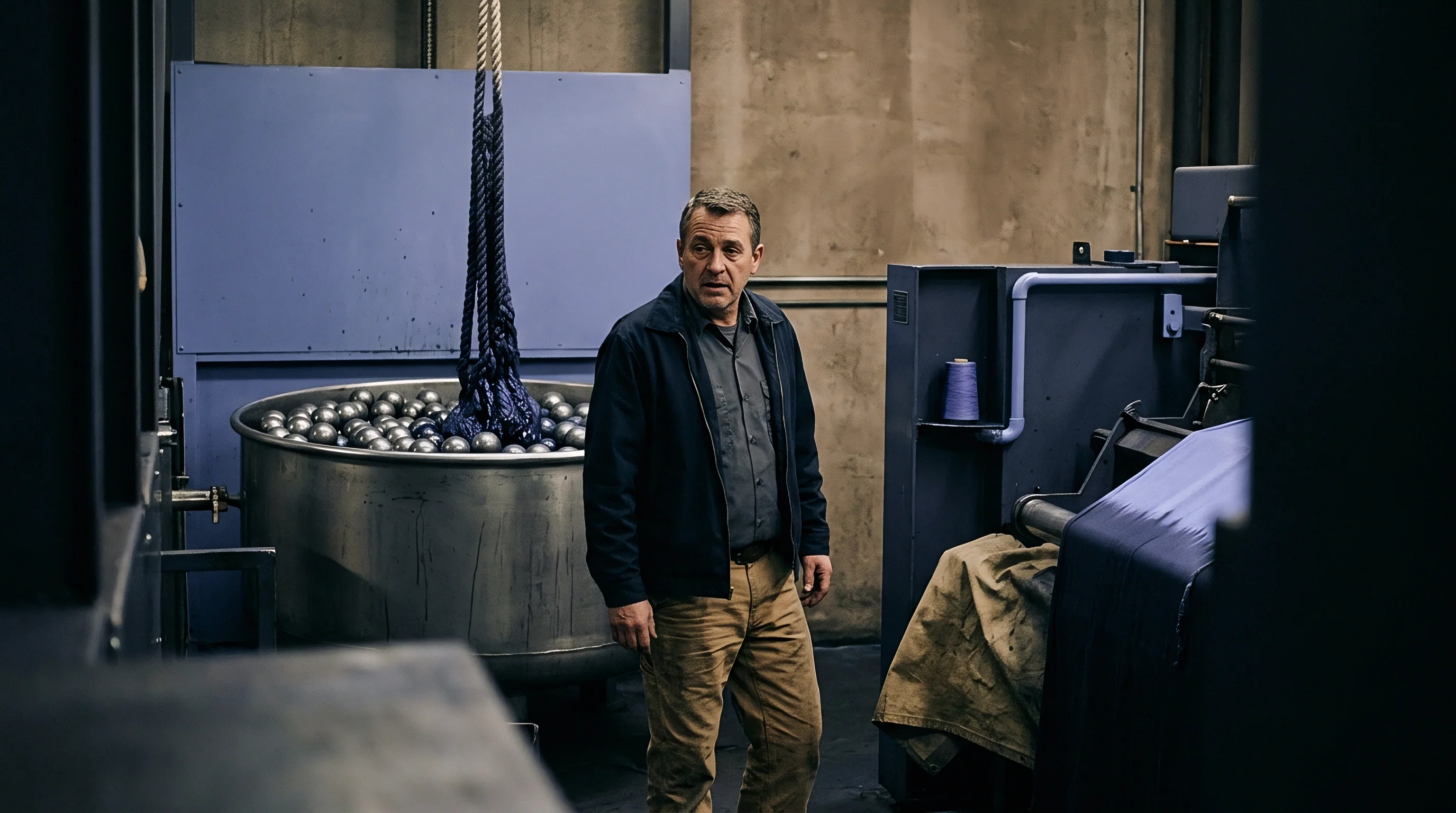
Transition metals serve two functions in primary dyeing: they form the structural center of pre-metallized dyes and act as chemical mordants to lock colors into synthetic or animal protein matrices. Pre-metallized acid dyes and direct dyes rely on chromium, cobalt, copper, and nickel to achieve lightfastness and washfastness standards on wool, nylon, and modified cellulosics. Phthalocyanine complexes depend on structural copper to generate vibrant turquoise and brilliant green shades.
Regulated substance limits differentiate between the total metal content bound inside a stable coordination complex and the extractable metal fraction that leaches out under physiological conditions.
Global standards, including OEKO-TEX Standard 100 and brand-level manufacturing restricted substance lists, target extractable metal thresholds rather than total destruction values for consumer garment applications. The analytical extraction protocol utilizes synthetic acid perspiration solution buffered to pH 5.5, agitated at thirty-seven degrees Celsius for four hours, followed by filtration and analysis via inductively coupled plasma mass spectrometry or optical emission spectrometry. For infant articles classified under Standard 100 Product Class I, extractable chromium limits drop to one milligram per kilogram, while extractable nickel sits below one milligram per kilogram.
Lead and cadmium remain subject to total digestion limits under the Consumer Product Safety Improvement Act and REACH Annex XVII, requiring complete microwave-assisted acid digestion using concentrated nitric and hydrochloric acids.
| Metal Element | Standard / Regulation Reference | Target Fraction | Analytical Instrumentation | Maximum Limit (mg/kg) |
|---|---|---|---|---|
| Hexavalent Chromium Cr(VI) | REACH Annex XVII / DIN EN ISO 17075 | Soluble Hexavalent | Ion Chromatography With Post-Column UV | 0.5 |
| Total Cadmium (Cd) | REACH Annex XVII Entry 23 | Total Acid Digestion | ICP-OES After Microwave Digestion | 100.0 |
| Total Lead (Pb) | US CPSIA 16 CFR Part 1303 | Total Acid Digestion | ICP-MS After Multi-Acid Digestion | 90.0 |
| Extractable Copper (Cu) | OEKO-TEX Standard 100 Class I | Acid Perspiration Solution | ICP-MS After Extraction At 37°C | 25.0 |
| Extractable Nickel (Ni) | OEKO-TEX Standard 100 Class II | Acid Perspiration Solution | ICP-MS After Extraction At 37°C | 4.0 |
| Extractable Cobalt (Co) | Brand RSL Best Practice | Acid Perspiration Solution | ICP-OES After Extraction At 37°C | 1.0 |
Hexavalent chromium verification introduces analytical complexities due to the redox stability of chromium ions. Acid dyeing of wool historically used sodium dichromate as an after-treatment mordant. While trivalent chromium acts as a functional mordant, unreacted hexavalent residues present high human toxicity.
Testing textiles for hexavalent chromium requires alkaline extraction at pH 7.5 to 8.0 to prevent interconversion between oxidation states, followed by ion chromatography with diphenylcarbazide photometric detection at five hundred and forty nanometers. Total chromium measurements using mass spectrometry fail to distinguish between non-toxic trivalent complexes and carcinogenic hexavalent ions.
In cellulosic dye operations, reactive turquoise dye baths carry copper phthalocyanine pigments with total copper concentrations exceeding two thousand milligrams per kilogram of finished fabric. When dyestuff synthesis quality is poor, uncomplexed ionic copper remains within the dyestuff paste. Standard post-dyeing wash-off cycles with non-chelating surfactants fail to strip the free ionic fraction.
The material subsequently fails acid perspiration extraction checks even though the phthalocyanine structure itself remains inert. Verifying compliance requires evaluating the ratio of total digested copper to extractable copper on the finished roll.
Process equipment corrosion contributes unpredictable heavy metal contamination during primary processing. Acidic dye baths run in aging stainless steel vessels strip nickel, molybdenum, and chromium ions into the liquor under prolonged high-temperature conditions. Dyehouse maintenance logs must document passivation treatments of vessel walls to prevent heavy metal migration into pale shade goods.
Failure to isolate extractable heavy metals from stable metallized dye matrices results in customs rejections, port-of-entry detentions, and expensive re-dyeing campaigns.


Finishing

Cross-Linking Resins and Fluorinated Water Repellents
Post-dyeing processes introduce performance finishes that carry distinct restricted substance profiles. Chemical cross-linking agents used to impart wrinkle resistance and dimensional stability to cellulosic fabrics rely on N-methylol chemistry, primarily dimethylol dihydroxy ethylene urea. Under the thermal conditions of the curing stenter, these cross-linkers release free formaldehyde gas into the processing hall while leaving unbound formaldehyde residues within the cellulose matrix.
Product safety regulations impose strict formaldehyde ceilings: sixteen milligrams per kilogram for infant garments, seventy-five milligrams per kilogram for articles in direct skin contact, and three hundred milligrams per kilogram for outerwear.
Verifying formaldehyde compliance requires standardized extraction testing under ISO 14184-1, which quantifies free and hydrolyzed formaldehyde via water extraction at forty degrees Celsius followed by acetylacetone colorimetric reaction. Curing temperature and duration determine residual formaldehyde concentrations. Under-cured resins leave unreacted N-methylol groups that degrade into free formaldehyde during oceanic transit inside warm, humid shipping containers.
Over-curing degrades the cellulose fiber, leading to severe tensile loss while polymerizing the resin into insoluble networks that complicate regulatory verification.
- Water extraction sampling isolates the unbound formaldehyde from a two-gram fabric specimen cut from the center width of the finished roll.
- Thermal regulation controls maintain stenter drying zones between one hundred and fifty and one hundred and eighty degrees Celsius to balance reaction conversion against fiber degradation.
- Colorimetric quantification uses acetylacetone and ammonium acetate solutions to form 3,5-diacetyl-1,4-dihydrolutidine measured on a spectrophotometer at four hundred and twelve nanometers.
- Scavenger auxiliary addition incorporates urea, carbohydrates, or nitrogenous compounds into the finishing pad bath to bind residual formaldehyde prior to stenter entry.
Water, oil, and stain repellent finishes introduce per- and polyfluoroalkyl substances, known collectively as PFAS. Environmental legislation, led by the European Union POPs Regulation and state-level restrictions across the United States, prohibits long-chain perfluorooctane sulfonate and perfluorooctanoic acid down to twenty-five parts per billion, with newer mandates restricting the entire class of fluorinated organic compounds. Dyeing and finishing mills transition toward fluorine-free alternative chemistries, including dendrimer-based, silicone-based, and modified polyurethane water repellents.
When mills operate legacy stenter lines that previously cured fluorochemical finishes, volatile PFAS fractions deposit onto air duct walls, circulating fans, and stenter clips, continuously contaminating subsequent fluorine-free production runs through thermal sublimation.
Stenter ductwork contaminated with legacy C8 fluorochemical finishes cross-contaminates subsequent fluorine-free production runs through thermal volatilization.
Testing for PFAS verification utilizes combustion ion chromatography for total organic fluorine screening down to fifty parts per million, followed by targeted liquid chromatography-tandem mass spectrometry to identify specific carboxylates and sulfonates down to parts-per-billion detection thresholds. Mills that claim fluorine-free compliance without duct decontamination programs consistently fail total organic fluorine validation tests. Processing plants maintain documented cleaning and duct-purging logs to substantiate fluorine-free declarations across customer audits.
Phthalate plasticizers enter the finishing zone when anti-slip finishes, coating plastisols, and printing binders utilize synthetic softening agents. Di-isononyl phthalate, di(2-ethylhexyl) phthalate, and dibutyl phthalate face global bans capping individual and cumulative concentrations at one thousand milligrams per kilogram. Analytical verification follows solvent extraction with tetrahydrofuran and gas chromatography-mass spectrometry detection.
The finishing department represents the final chemical threshold where functional additives dictate the chemical legality of the textile article.
The standard supply agreement now specifies that any detection of restricted fluorinated compounds above twenty-five parts per billion triggers an immediate full-lot rejection without right of mill re-processing.


Sampling

Where in the Lot Does Chemical Verification Fail?
Compliance certification frequently relies on unrepresentative swatches provided by the commercial dyehouse. A mill manager prepares a single laboratory swatch from a twenty-kilogram sample vessel, secures an accredited laboratory test report, and presents that document as universal compliance evidence for a twenty-ton bulk production order. This procedural disconnect masks severe intra-batch chemical variations.
Primary textile dyeing is an industrial batch or semi-continuous process subject to temperature gradients, liquor ratio fluctuations, dyestuff exhaustion variations, and differential washing efficiency between the front, middle, and end of a production run.
Representative sampling follows the statistical framework of ISO 2859-1, deploying acceptance quality limit inspection across finished fabric rolls. An auditor cuts compliance swatches only after mechanical slitting and inspection operations, drawing material from at least three distinct physical locations: the head end of the initial roll, the geometric center of a median roll, and the tail end of the final roll in the dye lot. Edge-to-center shading checks correspond to chemical migration gradients across the stenter width.
Liquid finishing agents applied on foulards migrate toward fabric selvages under non-uniform infrared drying, creating heavy concentrations of formaldehyde or antimicrobial preservatives along the outer ten centimeters of the fabric web.
- Selvage edge strips taken within five centimeters of the fabric pins isolate chemical migration zones where drying rates peak and auxiliary concentrations concentrate.
- Core roll specimens cut twenty meters inside the master roll eliminate contamination introduced by polyolefin packaging films and adhesive shipping labels.
- Hydrophobic solvent rinses applied directly to cutting shears between sampling intervals eliminate cross-contamination of silicone softeners and plasticizers across fabric lots.
- Sealed barrier containers constructed from polytetrafluoroethylene-free aluminum or amber glass protect volatile carrier solvents and extractable biocides from atmospheric decay during transit.
The timing of physical sample extraction dictates analytical validity. Testing fabric drawn directly from the stenter exit fails to reflect oceanic shipping transformations. Textiles packed with residual moisture levels above eight percent inside polyethylene bags experience enclosed thermal cycling during shipping through equatorial waters.
Under temperatures reaching fifty-five degrees Celsius inside unventilated marine containers, residual formaldehyde resins undergo hydrolytic cleavage, releasing free formaldehyde. Similarly, dimethyl fumarate pouches inserted to prevent mold growth during transport sublimate into the woven goods, violating strict consumer safety limits of 0.1 milligrams per kilogram.
Chain-of-custody protocols bridge the physical gap between the manufacturing floor and the testing instrument. The sampling auditor seals specimens with tamper-evident labels bearing unique alphanumeric serial numbers linked to the physical piece ticket, batch number, and mill formulation sheet. Testing facilities cross-reference these identifiers against incoming packaging seals prior to sample digestion.
When an audit trail reveals broken seals or sample extraction handled directly by the supplier without third-party witness, the resulting compliance certificate holds zero legal defense value during customs clearance reviews.

Remedy

Corrective Processing, Stripping, and Economic Fallout
When an analytical test report flags a restricted substance failure on a production lot, the processing facility faces a choice between chemical remediation, material downgrading, and total batch destruction. Remediation must be approached with caution. Stripping dyed fabrics to eliminate non-compliant azo dyes or excessive extractable heavy metals requires harsh chemical treatments that attack the base fiber.
High-temperature reduction clearing with sodium hydrosulfite and caustic soda hydrolyzes polyester fibers, dropping tensile strength below commercial specifications while generating large volumes of hazardous chemical effluent requiring specialized biological treatment.
Hydrolytic stripping methods for reactive dyes on cotton depend on strong oxidizing baths incorporating sodium hypochlorite or peracetic acid under elevated temperatures. These processes cleave cellulose chains, reducing burst strength by twenty to forty percent. Formaldehyde-rich cross-linking finishes can be partially removed through repeated acidic washing cycles at pH 3.0 to 4.0 followed by hot rinsing.
This wash treatment strips unreacted N-methylol resins, reducing free formaldehyde levels from two hundred milligrams per kilogram down to compliant sixty milligram thresholds, yet fabric shrinkage control and crease-recovery angles are compromised, necessitating secondary stabilization with compliant, zero-formaldehyde alternatives.
PFAS chemical contamination resists conventional stripping methodologies. Fluorochemical finishes are thermally cured to form oil- and water-repellent polymers bound to fiber surfaces. Removing a fluorochemical coating requires aggressive solvent washing using chlorinated or polar aprotic solvents that are themselves restricted under environmental discharge regulations.
Mills attempting to scour fluorochemical resins discover that degraded fluorocarbon chains redistribute across the entire jet dyeing vessel, contaminating future lots processed within that machinery. When PFAS contamination is verified on finished goods, mechanical recycling or non-apparel industrial repurposing remains the only viable commercial path.
The economic fallout of a restricted substance rejection extends beyond the raw cost of the substrate and dyestuffs. A single twenty-ton lot of dyed circular knit fabric represents a landed raw material value between one hundred thousand and one hundred and eighty thousand dollars. Re-processing adds labor, utility, and auxiliary costs amounting to fifteen to thirty-five cents per kilogram, excluding the laboratory re-testing fees required to validate remediation success.
An accredited four-parameter compliance re-test sequence costs between six hundred and twelve hundred dollars per tested roll.
Beyond direct manufacturing expenditures, buyers impose contractual delay penalties, chargebacks for missed warehouse delivery windows, and airfreight conversion costs to recover lost transit time. When a customs authority intercepts non-compliant cargo at a destination port, the importer pays demurrage charges, port storage fees, and mandatory hazardous waste destruction costs under official supervision. The legal risk of importing non-compliant chemicals establishes restricted substance verification as an uncompromising gatekeeper on the primary mill floor.
The ultimate commercial liability shifts back to the primary processor through indemnification clauses that survive final invoice settlement.