
Quantifying Sorption Hysteresis and Crosslinker Hydrolysis in Multi Layer Textile Laminates
Quantitative evaluation of sorption hysteresis and hydrolytic decay in laminate tie-layers establishes real durability and regulatory compliance limits.
Quantitative evaluation of sorption hysteresis and hydrolytic decay in laminate tie-layers establishes real durability and regulatory compliance limits.
ISO 14184-1 extracts free formaldehyde at 40 °C for 60 min, forming a 412 nm lutidine complex where dye leaching requires HPLC-UV verification.

Verify textile chemical volatility limits through lot-specific micro-chamber GC-MS testing and sealed foil sampling to prevent border detention losses.

Rapid formaldehyde headspace screening requires chromatographic verification to eliminate false positives caused by volatile matrix interferences and solvent vapors.

Statistical skip lot schemes lower textile testing costs only when dye house inputs stay locked and failure triggers force instant 100 percent re-inspection.

Calculate converting indemnity reserves by aggregating full cut-and-sew garment losses, freight, retests, and disposal rather than processing fees alone.
Verify woven fabric order compliance by mapping target market regulations to finish chemistry and requiring ISO 17025 test reports per dye lot.
An OEKO-TEX certificate scope covers only explicitly listed article descriptions, leaving chemically modified sister constructions uncertified without separate testing.
Empirical laboratory testing of raw liquid chemical auxiliaries prior to vat injection is mandatory to prevent subcontracted dyehouse contamination.

Greige fabric certification demands batch testing of sizing agents, spin finishes, and biocide residues before finishing treatments mask regulated chemicals.
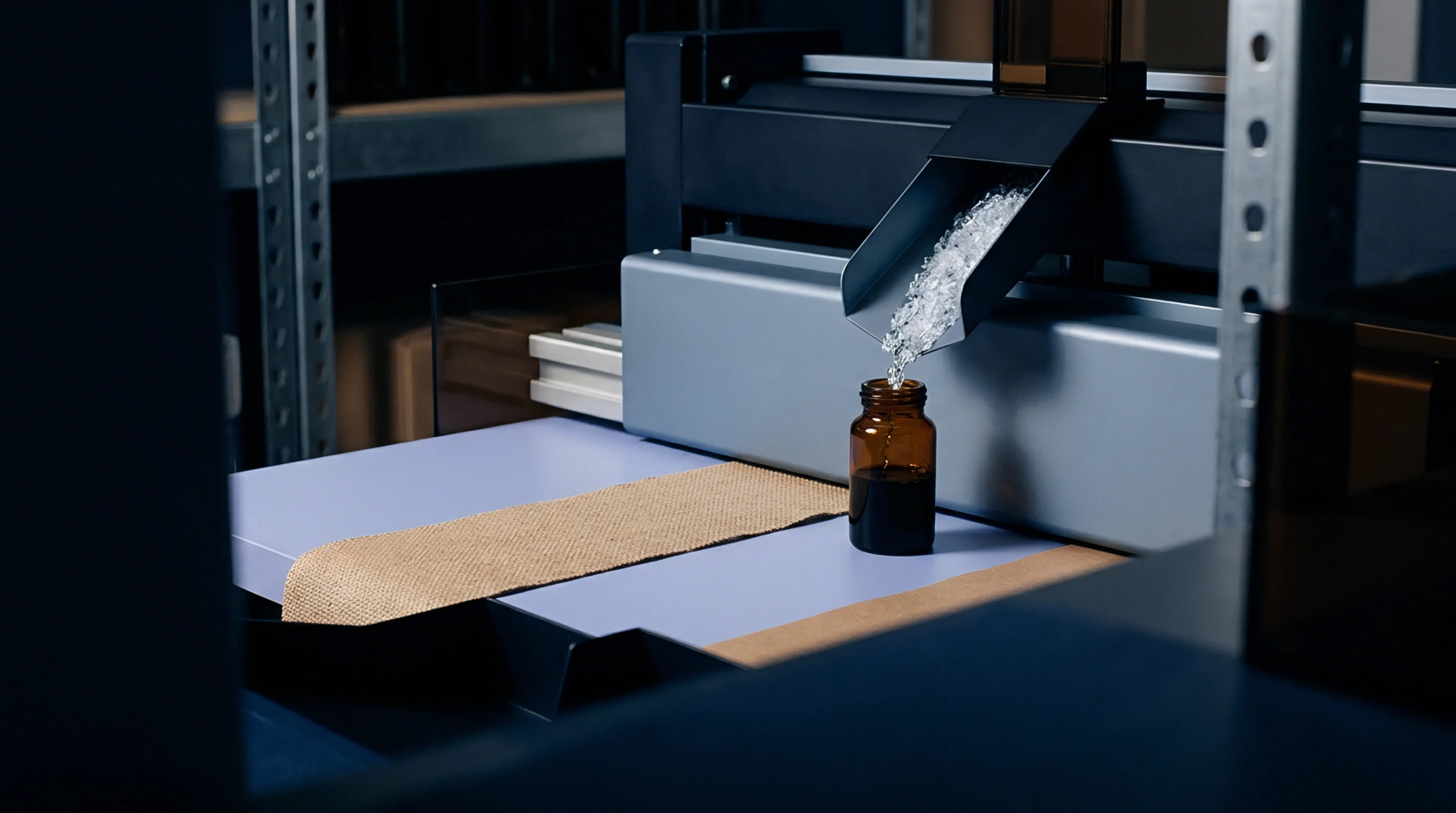
Standardized formaldehyde acceptance testing relies on ISO 14184 water extraction and ISO 17226 chromatography to quantify residual resin risks before shipment.
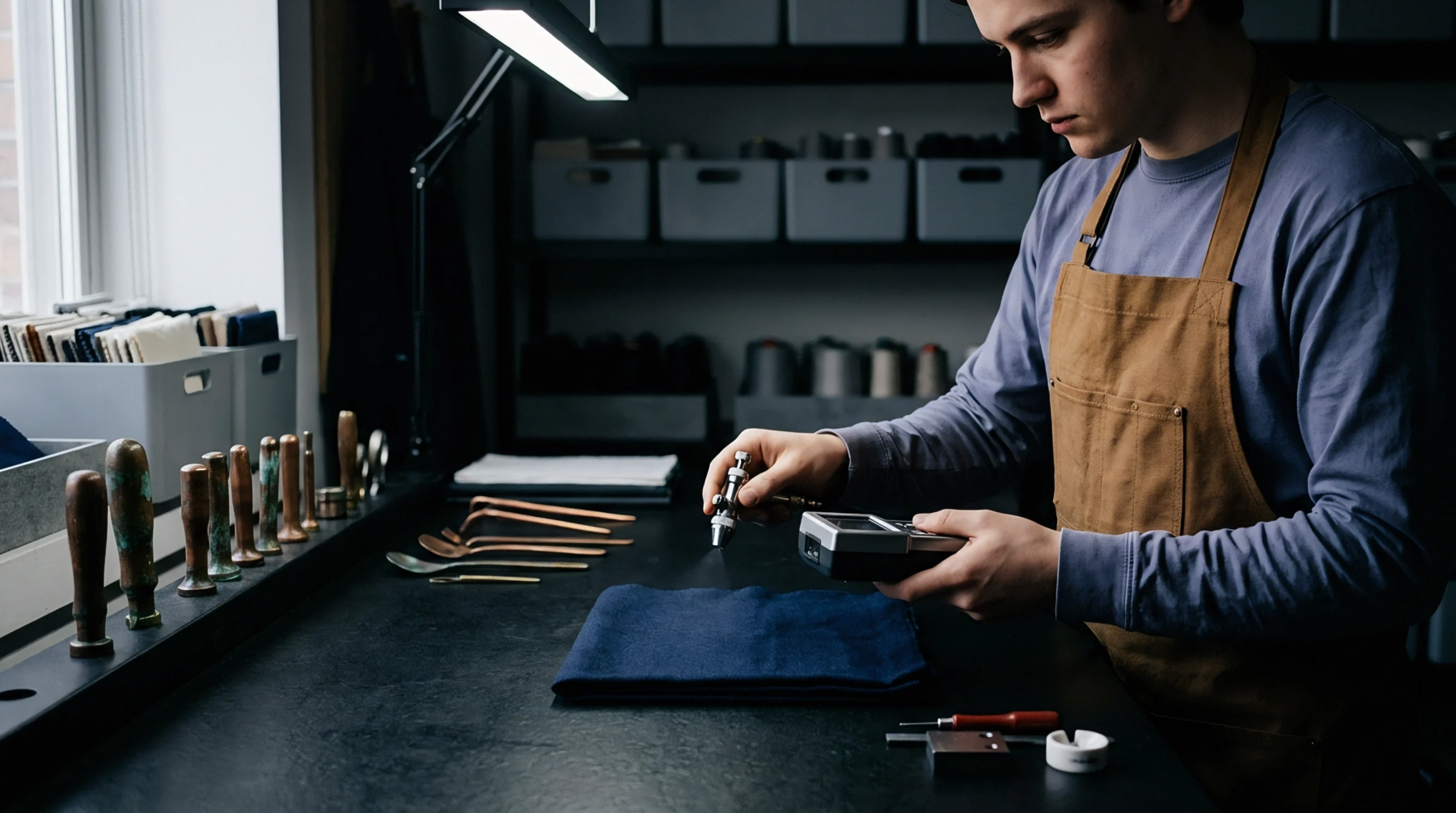
Transatlantic textile claims resolve by applying critical difference calculations to inter-laboratory test variances before declaring commercial non-conformity.

Subcontracted finishing steps executed outside audited mill boundaries alter fabric fastness, strength, and chemical safety without triggering primary quality controls.

Acceptance sampling for padded textile finishes requires zero-acceptance attribute plans, composite limit adjustments, and ISO 17025 laboratory scope verification.
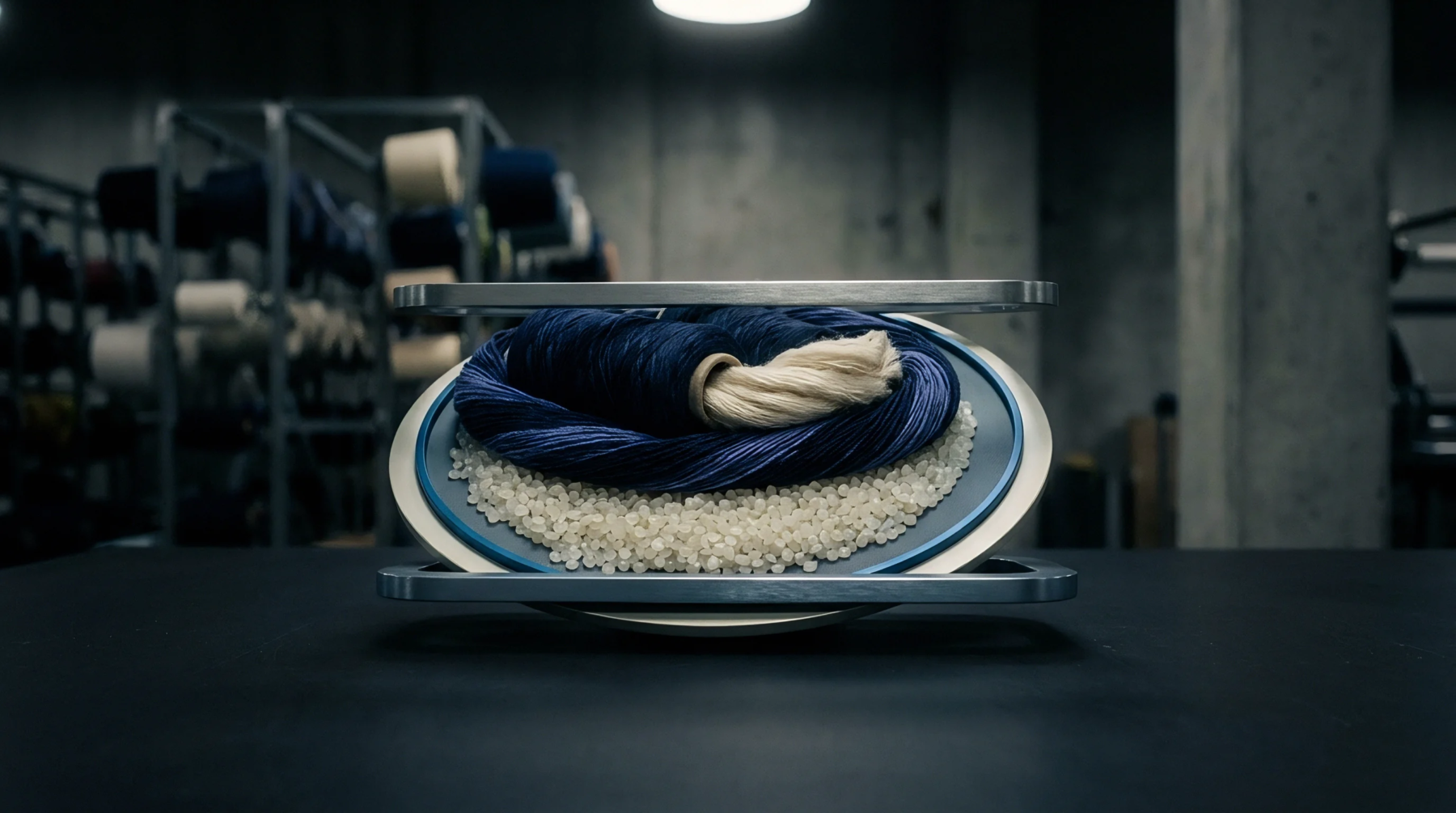
Crosslink density decay during repeated wet processing dictates the trade-off between durable crease recovery and catastrophic fabric tear strength loss.
Polymer membrane swelling and unmixed boundary layers delay formaldehyde release during ISO 14184-1 testing, causing severe extraction dossier discrepancies.
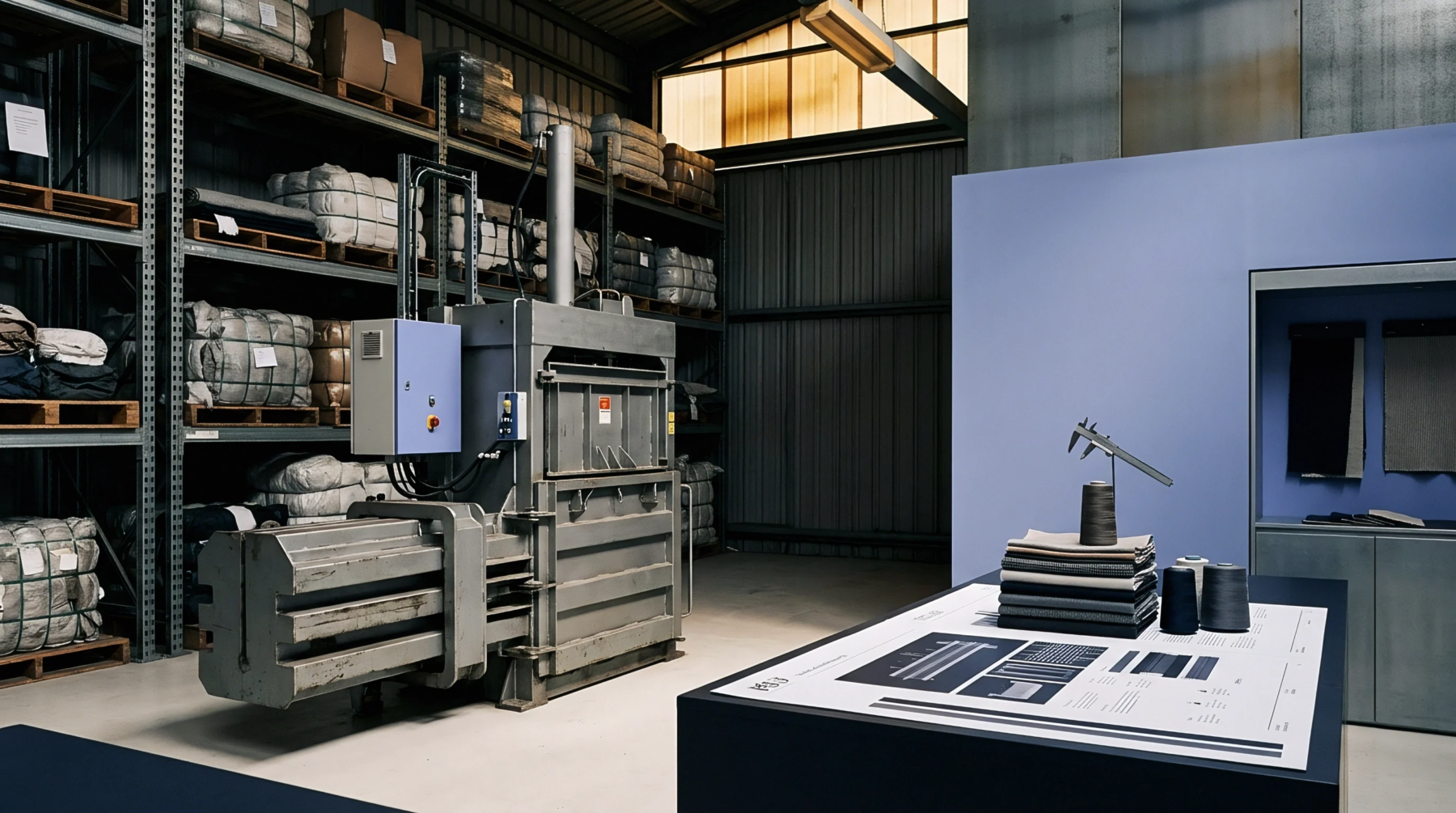
Cross-web chemical variances require three-point variable acceptance sampling to prevent edge-concentration hotspots from triggering border detentions.
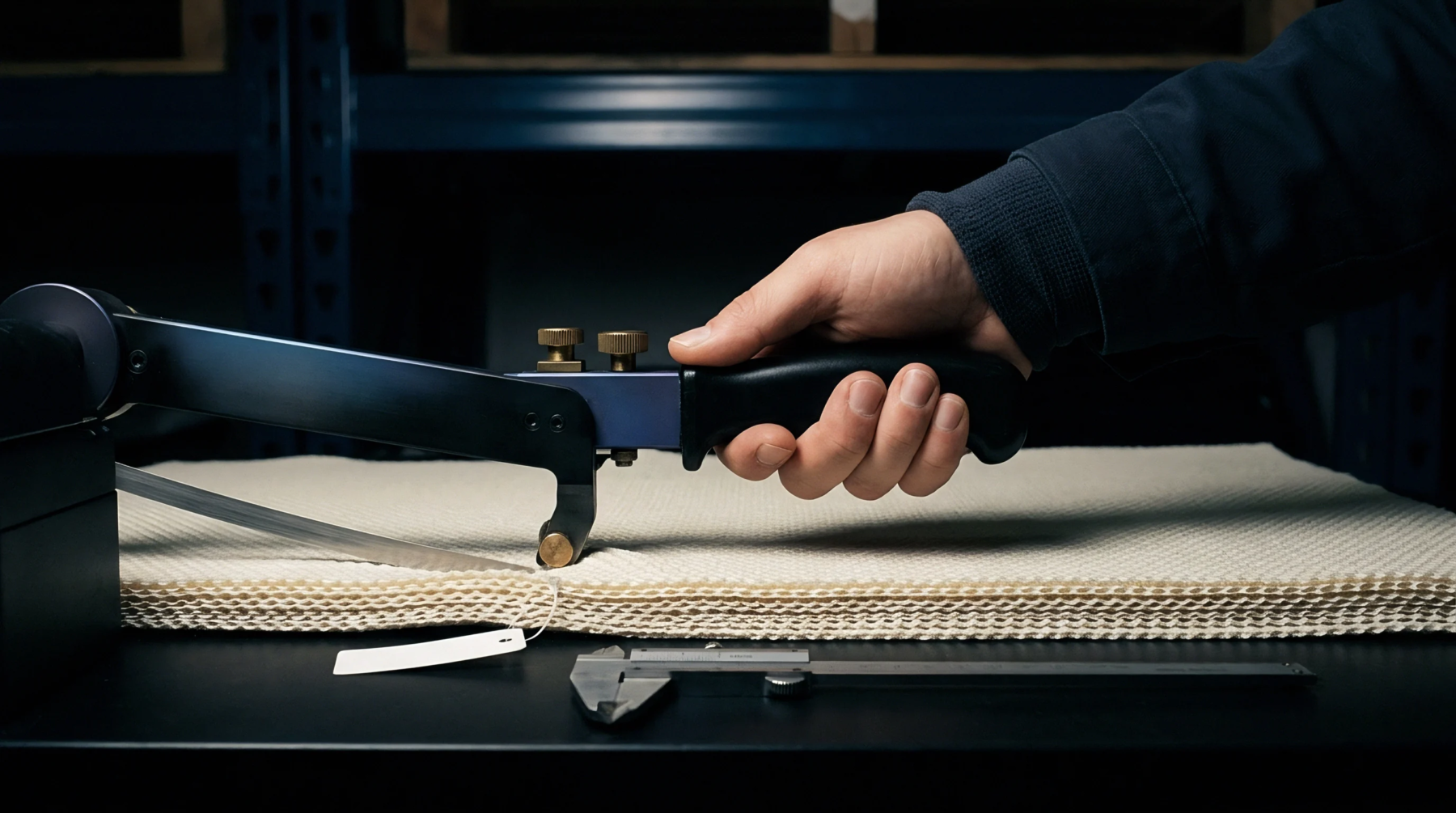
Physical swatch position across fabric width and length determines chemical compliance, requiring three-point cross-web sampling to validate batch pass status.
Expertise is a utility, not a secret. sentiention™ publishes its working knowledge as open reference: intelligence layer covering the materials it sources, the markets it enters, and the reference that serves both.