Regulatory Mandate
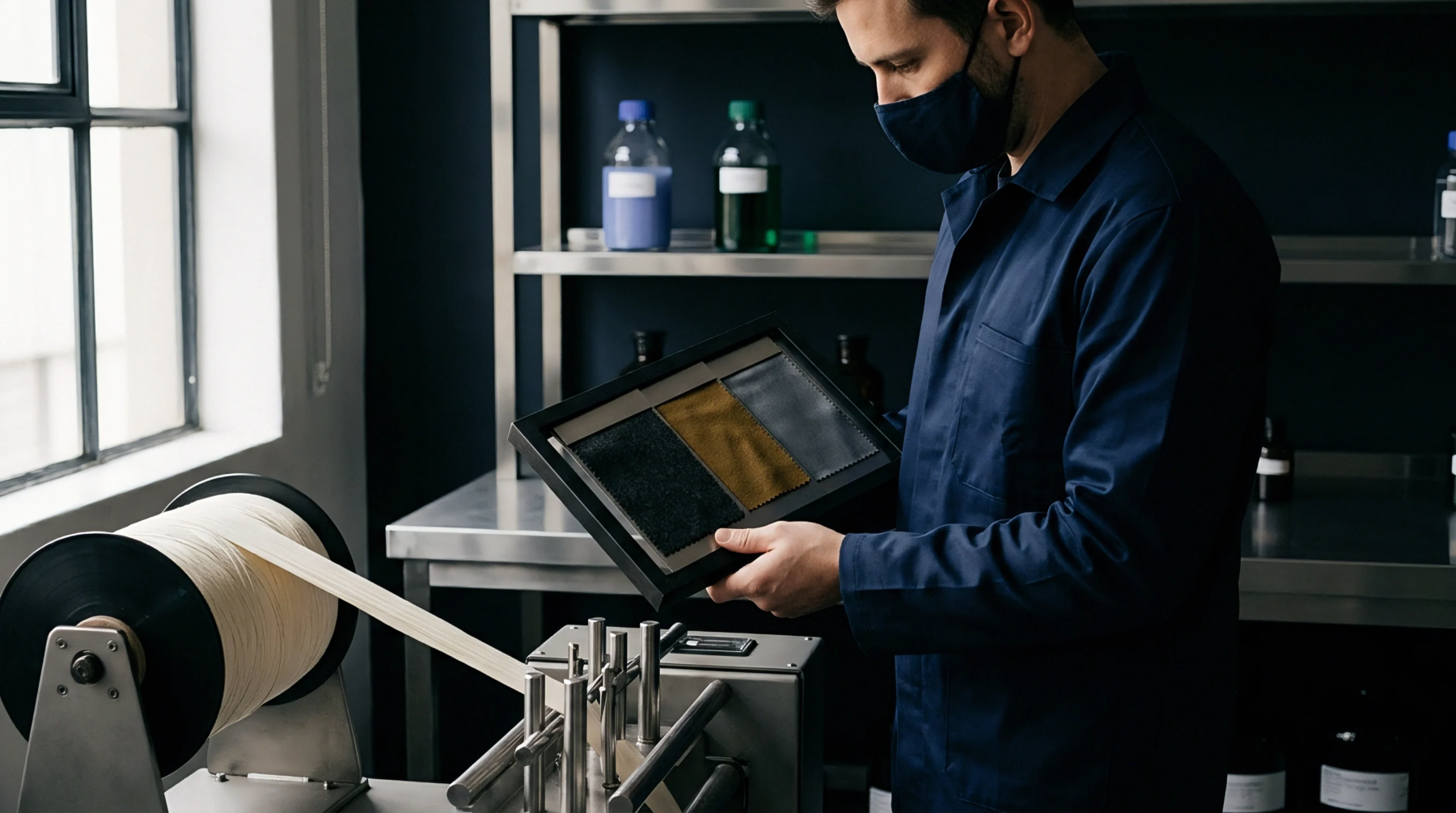
Strict statutory limits on harmful chemical residues protect consumers from hazardous exposure in textile products. This Japanese Law 112 regulation establishes the permissible levels of free formaldehyde in apparel distributed within Japan. The law enforces a zero-tolerance policy for infant clothing and low levels for adult garments.
Retailers and importers must present certificates of compliance before these products can be sold.
Extraction Test
Colorimetric measurement using the acetylacetone reagent determines the concentration of extracted formaldehyde from fabric samples. Testing for Japanese Law 112 uses a specific water extraction method at forty degrees Celsius. The resulting solution is analyzed by a spectrophotometer to detect absorbance at four hundred and twelve nanometers.
This method ensures that even trace amounts of the chemical are measured.
Chemical Threshold
Zero absorbance limits are applied to clothing designed for babies under twenty-four months of age. For adult apparel under Japanese Law 112, the maximum allowed concentration is seventy-five parts per million. These dry garment limits prevent skin irritation and sensitization caused by loose chemical cross-linkers.
Production Compliance
Factory audit procedures and quality assurance protocols are required to avoid contamination in multi-product facilities. To comply with Japanese Law 112, manufacturers use separate cutting tables and storage zones for treated and untreated garments. The finished products are placed in sealed bags to prevent cross-contamination from formaldehyde vapors during shipping.
Quality control teams at the factory check each batch before packing. This physical isolation is necessary because formaldehyde is highly volatile and easily moves through the air to contaminate untreated goods.