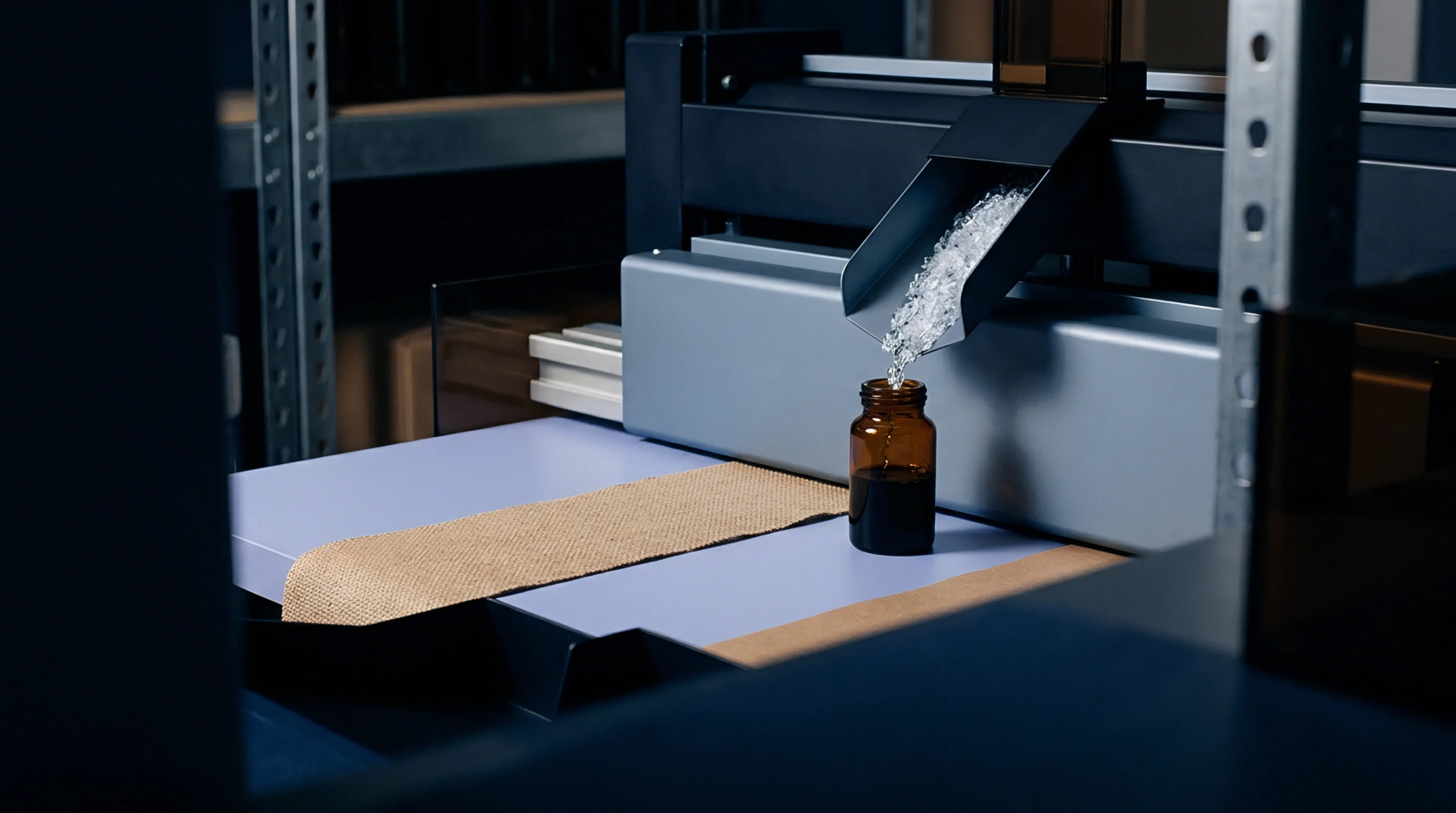
Chemical Reagent
Organic compounds with the formula C5H8O2 are liquid precursors in spectrophotometric colorimetry. In fabric finishing laboratories, acetylacetone is utilized to prepare the colorimetric testing solution for measuring free formaldehyde. The chemical binds with formaldehyde and ammonium ions to form a yellow diacetyldihydrolutidine complex.
This reaction proceeds under mild temperature conditions to ensure sample stability.
Reaction Mechanism
Condensation occurs when the reagent combines with formaldehyde in the presence of ammonium acetate. This process yields a colored lutidine derivative that absorbs light strongly at a wavelength of 412 nanometers. The intensity of the resulting yellow color corresponds to the amount of formaldehyde extracted from the textile specimen.
Standard laboratory protocols specify the precise concentration of the reagent needed to ensure complete complexation. Regular testing of the chemical’s purity prevents the formation of secondary by-products that could distort the spectrophotometric readings.
Testing Range
Calibration curves established with known formaldehyde concentrations define the upper limits of the measurement. Excess levels of the ketone are maintained to prevent saturation during testing of durable press finishes.
Analytical Precision
Absorbance measurements remain stable for several hours after the development of the lutidine complex. Laboratories verify the purity of acetylacetone before preparing the working solution to prevent baseline drift in the spectrophotometer. Contaminated batches can cause deviation in the final absorbance values.