
Proteomic Identification Principles for Animal Hair Fibre Mixes
Proteomic LC-MS/MS quantifies animal hair blend percentages by measuring species-specific keratin peptide markers against isotope-labeled internal standards.
Proteomic LC-MS/MS quantifies animal hair blend percentages by measuring species-specific keratin peptide markers against isotope-labeled internal standards.

LC-MS/MS proteomic quantification isolates species-specific tryptic peptides to measure cashmere content in processed yarns within two percent accuracy.

Proteomic mass spectrometry isolates species-specific keratin peptides to quantify animal fiber blend ratios precisely despite chemical or physical scale damage.

Branched nonylphenol ethoxylates resist microbial cleavage in wastewater treatment, requiring isomer-resolved liquid chromatography to prevent regulatory discharge failures.
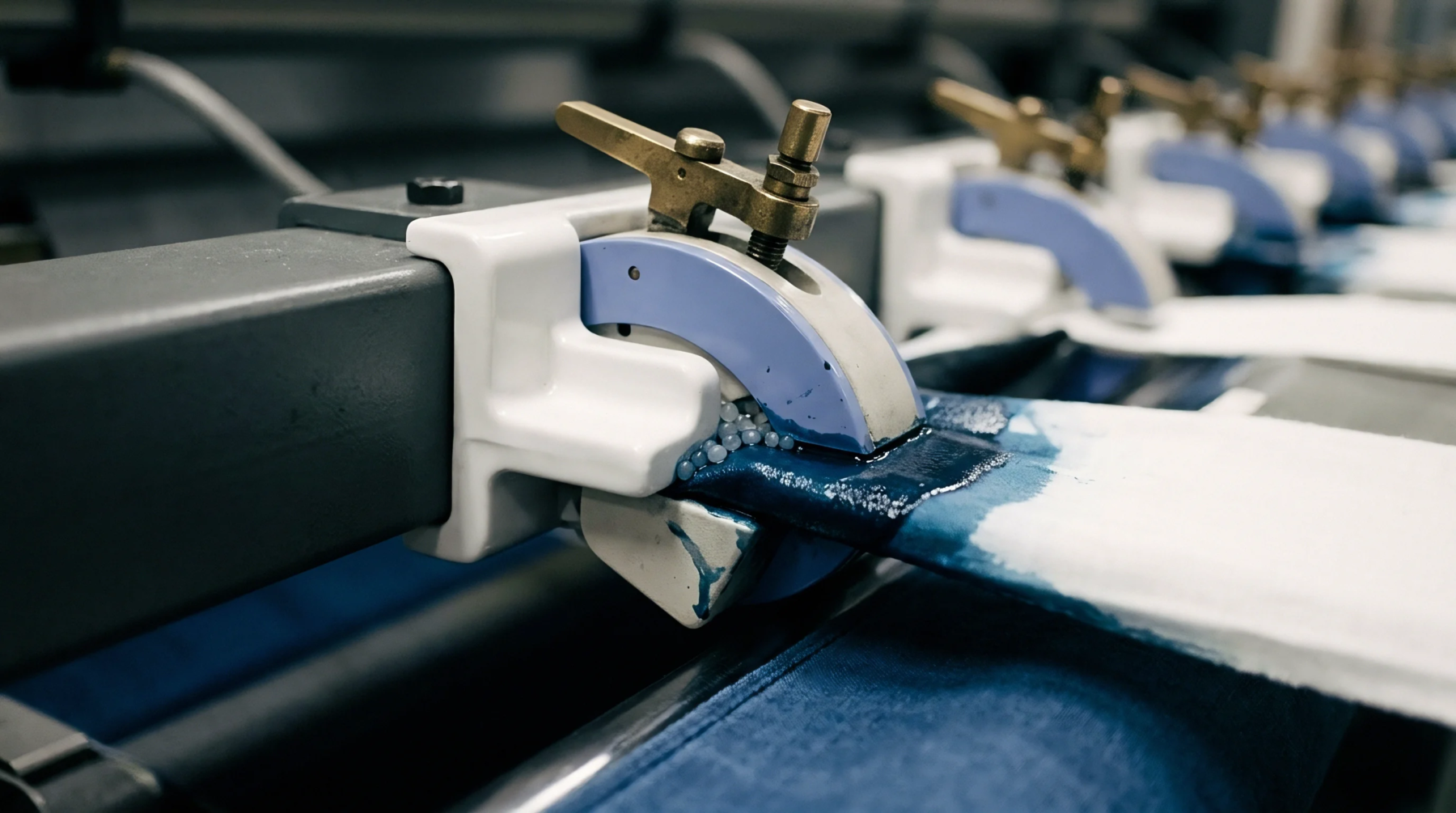
LC-MS/MS testing under ISO 18254-1 quantifies alkylphenol ethoxylates down to 1 mg/kg, requiring ammonium adduct control to prevent matrix suppression.

ISO 18218-1 LC-MS/MS testing after 50 °C methanol extraction provides the definitive quantitative benchmark to verify 100 mg/kg fabric ethoxylate limits.
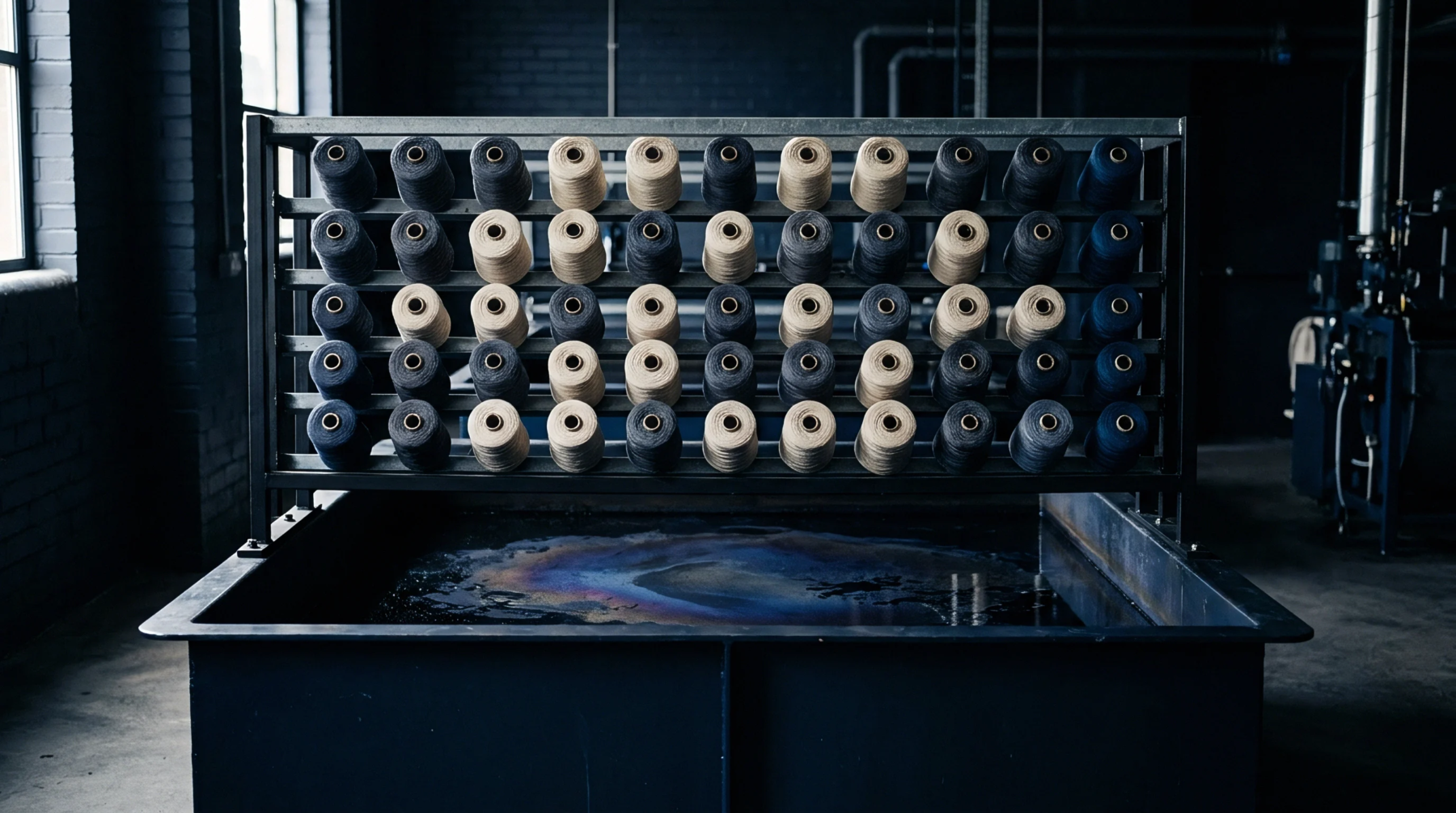
Stable isotope dilution mass spectrometry eliminates interlaboratory matrix suppression errors, preventing false positive batch rejections during audits.
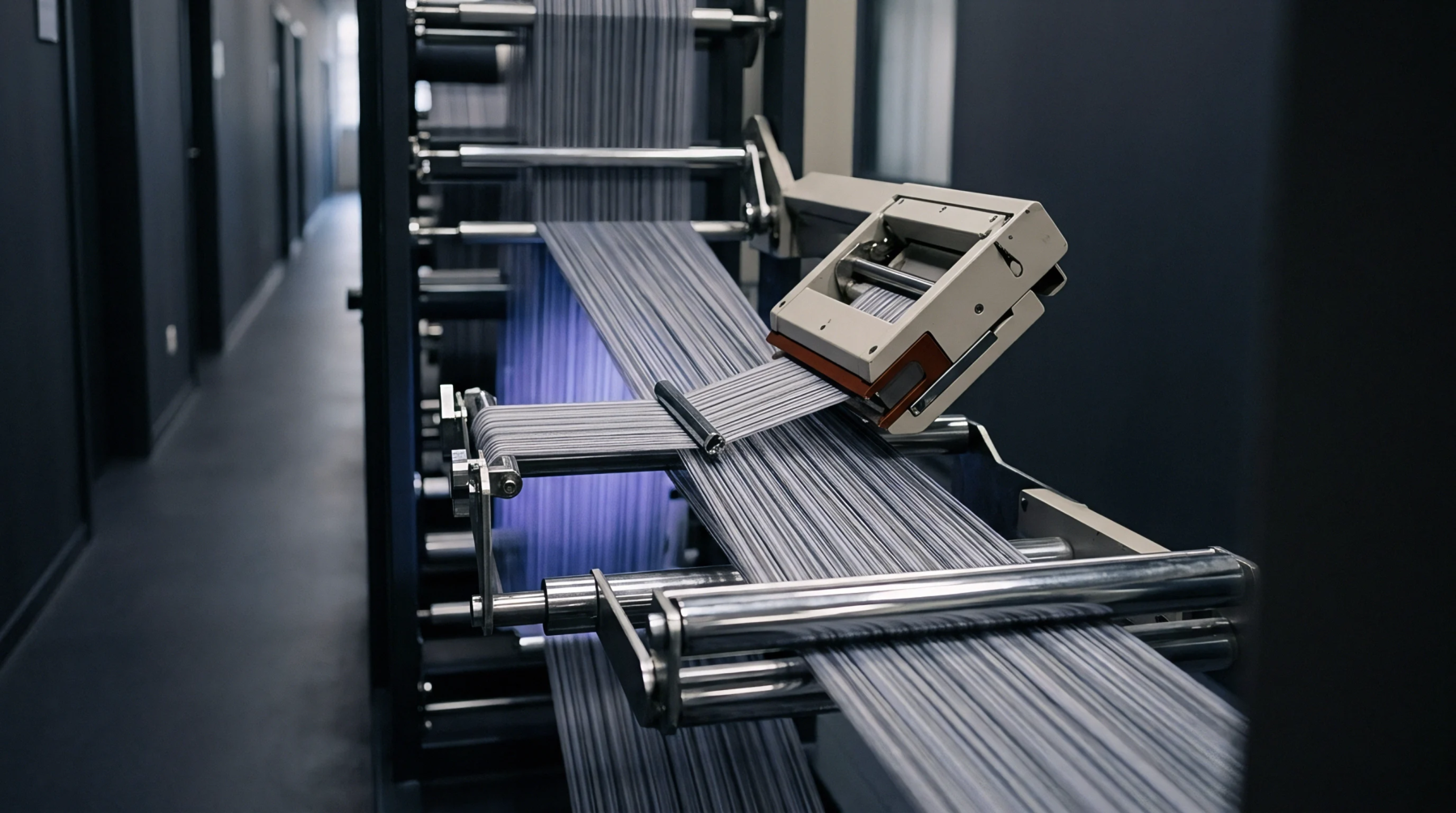
LC-MS/MS biomarker quantification measures species-specific keratin peptide markers to verify cashmere yarn purity within a 1.0 percent mass limit of quantification.
Expertise is a utility, not a secret. sentiention™ publishes its working knowledge as open reference: intelligence layer covering the materials it sources, the markets it enters, and the reference that serves both.