Luxury Raw Material
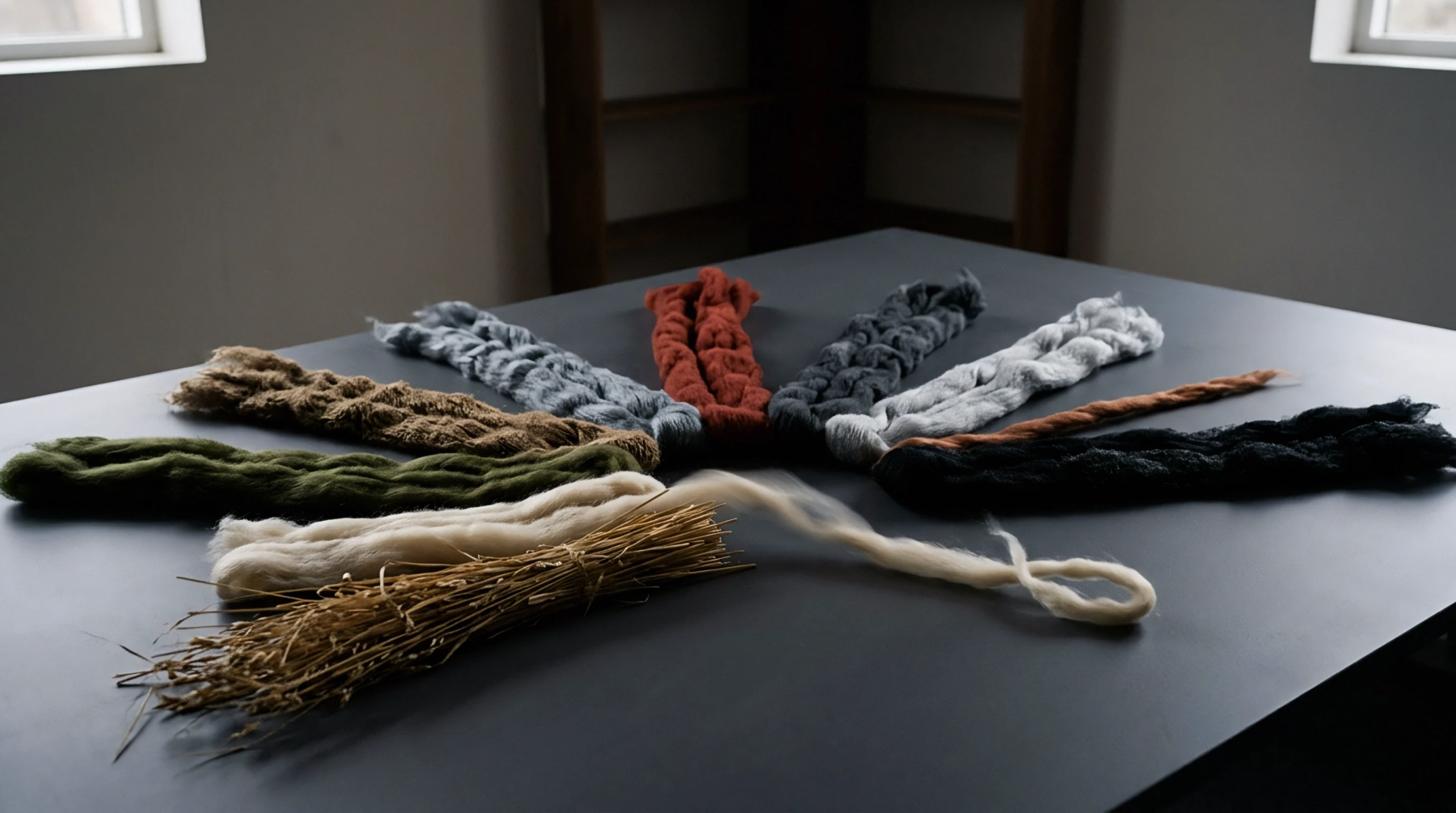
Keratinous fibers produced by specific breeds of goats, camels, rabbits and other specialty animals constitute the luxury raw material known as fine animal hair. This category of fiber is distinguished from common sheep’s wool by its superior softness, fineness and thermal insulation properties. Fine animal hair includes premium materials such as cashmere, mohair, alpaca, vicuna and angora, which are valued for their exceptional hand feel and rarity.
These fibers are typically harvested through shearing, combing or collecting the natural shed from the animal during the spring molting season. The commercial value of these materials is significantly higher than that of standard wool due to their limited global production and the specialized processing required to refine them.
Morphological Characteristic
Microscopic structure of these fibers reveals unique features that contribute to their high performance and soft texture. Fine animal hair generally has a much smaller diameter than sheep’s wool, with many varieties measuring less than eighteen microns. The surface scales are often thinner and more widely spaced, which reduces the friction between the fibers and results in a smoother surface.
This specific morphology explains why these fibers are less likely to irritate the skin or cause the itching sensation often associated with coarser wools. The internal structure of the fiber, known as the cortex, is also highly developed, providing excellent elasticity and moisture absorption. Some types, such as alpaca and camel hair, contain a hollow core called a medulla, which adds to their insulating capacity by trapping additional air.
Commercial Grade
Trading and pricing of this material are based on a strict grading system that accounts for the fineness, color and length of the fibers. Fine animal hair is classified into different qualities based on the mean diameter, with the thinnest fibers commanding the highest prices in the international market. White fiber is particularly valuable because it can be dyed into a wider range of pale and bright colors without the need for aggressive bleaching.
Length is another critical factor, as longer fibers are easier to spin into strong, fine yarns with less pilling. Buyers use standardized test methods to verify the grade of the fiber before finalizing a purchase. If the material contains a high percentage of coarse guard hair, it must undergo a mechanical dehairing process to reach the purity levels required for luxury textile production.
End Use
Finished products made from these specialty fibers are found in the highest segments of the fashion and home textile markets. Fine animal hair is used to create lightweight sweaters, soft blankets, elegant overcoats and high-end suiting fabrics. These items are prized for their ability to provide warmth without bulk, making them ideal for both winter wear and transitional seasons.
Because the fibers are so delicate, they are often blended with fine wool or silk to improve the strength and durability of the yarn. The care of these garments requires special attention, as the fibers can be damaged by high heat or harsh chemicals. Maintaining the integrity of the fiber during washing and storage ensures that the garment retains its shape and soft texture for many years.