Measurement Standard
International regulation that defines the procedure for measuring the mean fibre diameter of raw wool using the Airflow method provides the commercial sector with a rapid and repeatable metric for lot evaluation. When processors check a greasy wool sample, IWTO-47 outlines how to clean and prepare the lot so that it can be tested inside a pressurized chamber. This process calculates the diameter by measuring the resistance of a specific mass of wool to a controlled current of air passing through it.
Finer fibres offer more surface area and greater resistance to the airflow than coarse ones do. It remains one of the most widely used standards in the raw wool market because of its speed and physical reliability at higher throughput volumes.
Airflow Calculation
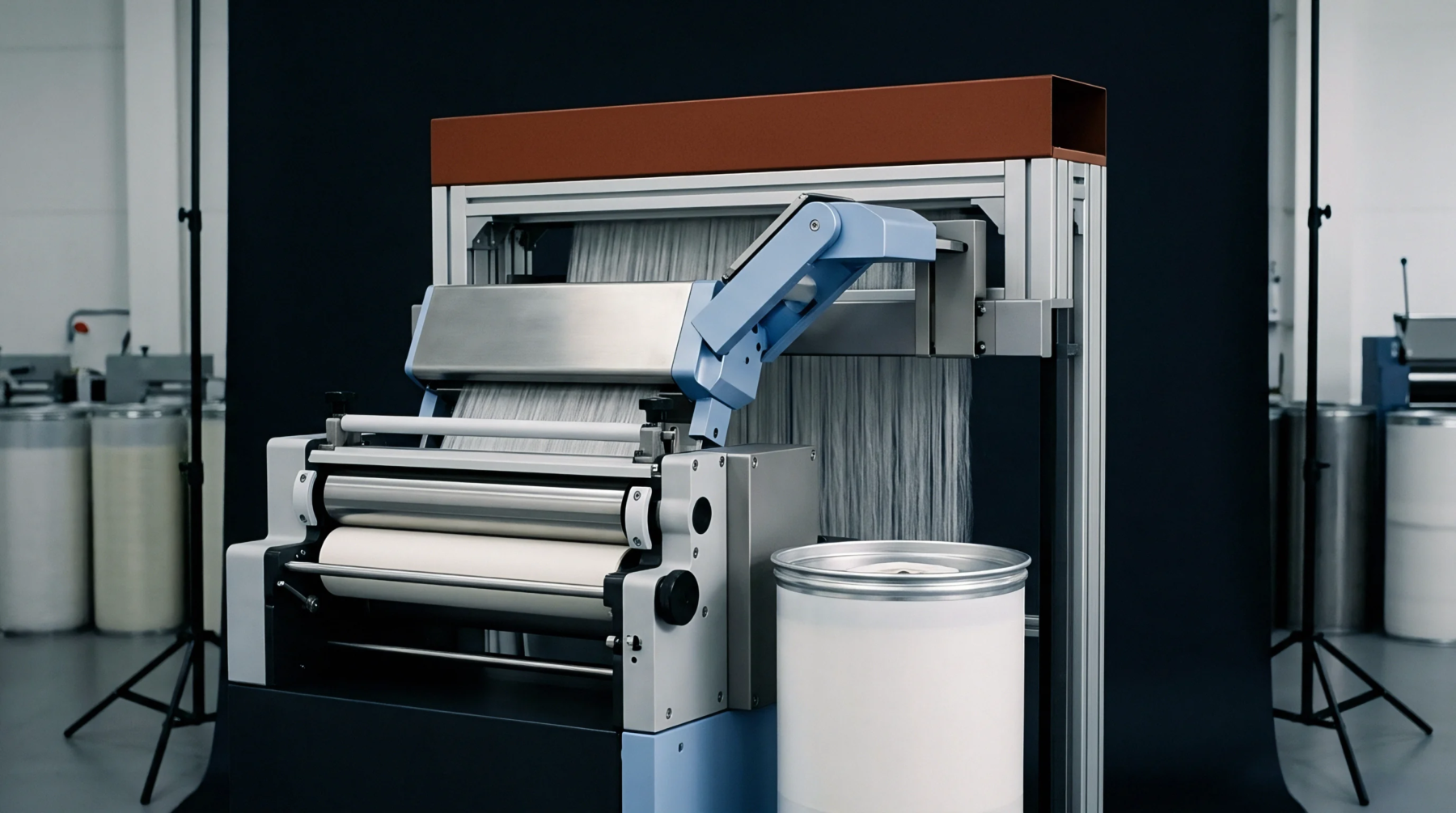
Operation under IWTO-47 requires that the wool sample be washed and carded into a consistent mass before it is loaded into the testing vessel. The instrument measures the pressure drop across the sample plug and uses a calibration curve to convert that drop into an equivalent mean micron value. This standard allows the wool merchant to grade hundreds of lots per week with a high degree of precision without needing individual fibre scans.
It is particularly effective for large shipments where the buyer needs a single stable number to categorize the lot for spinning. The precision of the measure depends entirely on the stability of the sample weight inside the testing chamber. Modern equipment automates much of this routine to minimize human error during the packing and measurement phases.
Batch Grading
Accuracy in diameter assessment under IWTO-47 results in a commercial micron value that follows the lot through the entire selling process. If a batch is marked eighteen microns based on this test, the manufacturer knows exactly how fine the resulting fabric will feel. This objective measurement replaces the old visual system of hand grading and removes the bias of the human appraiser from the trade chain.
The standard established strict limits on sample moisture and environmental temperature during the testing sequence to prevent swelling of the fibres from skewing the results. Accredited laboratories must use standard reference wools to check the calibration of their airflow units daily. Consistent performance across different test centers ensures that global traders can trust the micron labels on their invoices.
Industry Application
Usage of IWTO-47 remains common in primary wool producing countries because it offers a cost effective way to evaluate massive quantities of material. Although newer optical methods exist, the speed of the airflow test makes it the benchmark for initial bale appraisals. Spinners use these diameter results to blend multiple wool lots together to reach a consistent average for a specific yarn count.
If the diameter fluctuates beyond the predicted range, the yarn strength will vary across the production line. This standard provides the necessary data to keep high speed machinery running without constant adjustments for material changes. Reliable fibre width measurements form the core of modern textile quality assurance from the shearing floor to the fabric mill.