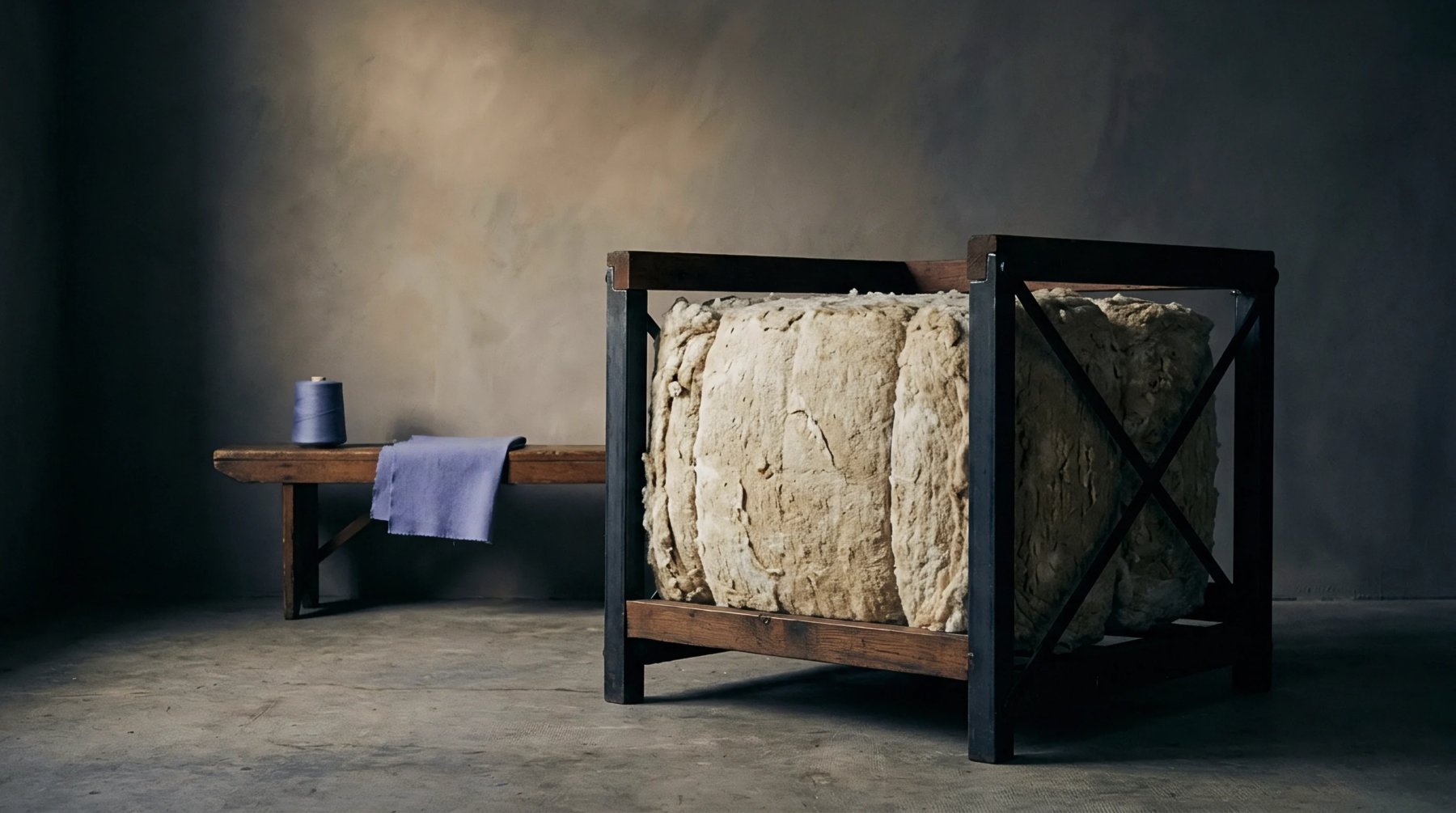
Determining Raw Cashmere Micron Profiles and Dehairing Yields
Determining raw cashmere value requires combined OFDA micron profiling and oven-dry yield mass balance testing to calculate true clean dehaired cost.
Natural impurities like seeds, stalks or husks found in animal fibres that must be removed through mechanical or chemical means to ensure a smooth yarn surface. Vegetable matter is particularly common in raw wool, where it becomes trapped in the fleece while the sheep are grazing. If these particles are not removed, they will be crushed into the yarn during spinning, causing weak spots and visible defects in the finished fabric.
The amount of this material in a batch of wool is measured as a percentage of the total weight and is a major factor in determining the price. Quality control teams at the scouring plant use a combination of washing, beating and sometimes acid treatment to get rid of these impurities. Reducing the level of vegetable matter is essential for producing high quality worsted and woollen yarns.
Processing of the raw fibre involves several stages designed to separate the organic debris from the usable hair. The first stage is mechanical opening, where the fleece is pulled apart and the largest pieces of vegetable matter are shaken out. If the contamination is heavy, the wool may undergo carbonization, a process where it is treated with a weak sulfuric acid solution and then heated.
This treatment turns the plant material into brittle charcoal while leaving the wool fibres intact. The brittle remains are then crushed and blown away by air currents. This chemical extraction is very effective but must be carefully managed to avoid damaging the delicate wool proteins.
Monitoring the concentration and the temperature of the acid bath is a vital task for the plant operator.
Texture and strength of the final yarn are the direct benefits of a thorough cleaning process. When the vegetable matter is successfully removed, the yarn will be smooth, even and free of the hard lumps that cause needles to break during knitting. This leads to a more efficient manufacturing process and a better feeling fabric for the consumer.
In the dyeing stage, the absence of plant material is also important because cellulose based debris does not take up the same dyes as animal fibres. If seeds or burrs remain in the fabric, they will show up as light or dark spots after dyeing, which is a major quality defect. High purity levels are required for luxury products like cashmere and fine merino wool.
Measurement of the impurity level is done by dissolving a sample of the fibre in a chemical that only leaves the plant material behind. Vegetable matter content is a standard part of the wool testing certificate issued by organizations like the IWTO. The condition holds as long as the impurities are of plant origin.
It does not cover other types of contamination like plastic twine or mineral dust, which require different removal methods. The limit of mechanical cleaning is reached when the force needed to remove the debris starts to break the animal fibres. Accurate assessment of the waste is necessary to calculate the true yield and the value of the raw material.
Determining raw cashmere value requires combined OFDA micron profiling and oven-dry yield mass balance testing to calculate true clean dehaired cost.
Expertise is a utility, not a secret. sentiention™ publishes its working knowledge as open reference: intelligence layer covering the materials it sources, the markets it enters, and the reference that serves both.