Fiber Separation
Fibre processing yields a secondary stream of short, entangled filaments and vegetable impurity extracted during mechanical sliver preparation. The volume of carding waste indicates the mechanical condition of card wire and setting clearances across the main cylinder. This mass balance checkpoint separates usable spinnable staple from flat strips or droppings before drawing occurs.
Removal Mechanism
Wire clothing mounted on rotating cylinders comb raw tufts against stationary or revolving flats to parallelise staple fibers. During this mechanical action, carding waste collects beneath the taker-in roll and beneath the flat assembly as short fiber clusters mixed with motes. Settings that are too tight fracture long fibers and increase waste, whereas excessive clearances allow coarse trash to pass into the card sliver.
Commercial Impact
Raw material accounting tracks flat strips and cylinder droppings against gross bale weight to determine net yield per lot. High carding waste percentages reduce sliver output and raise total raw material expenditure per kilogram of yarn spun. Spinners set allowable percentage limits in purchasing agreements to lock in predictable mill conversion costs.
Mill technicians weigh carding waste hourly across production lines to detect wire wear or misaligned grid bars before yarn quality degrades.
Material Reclaim
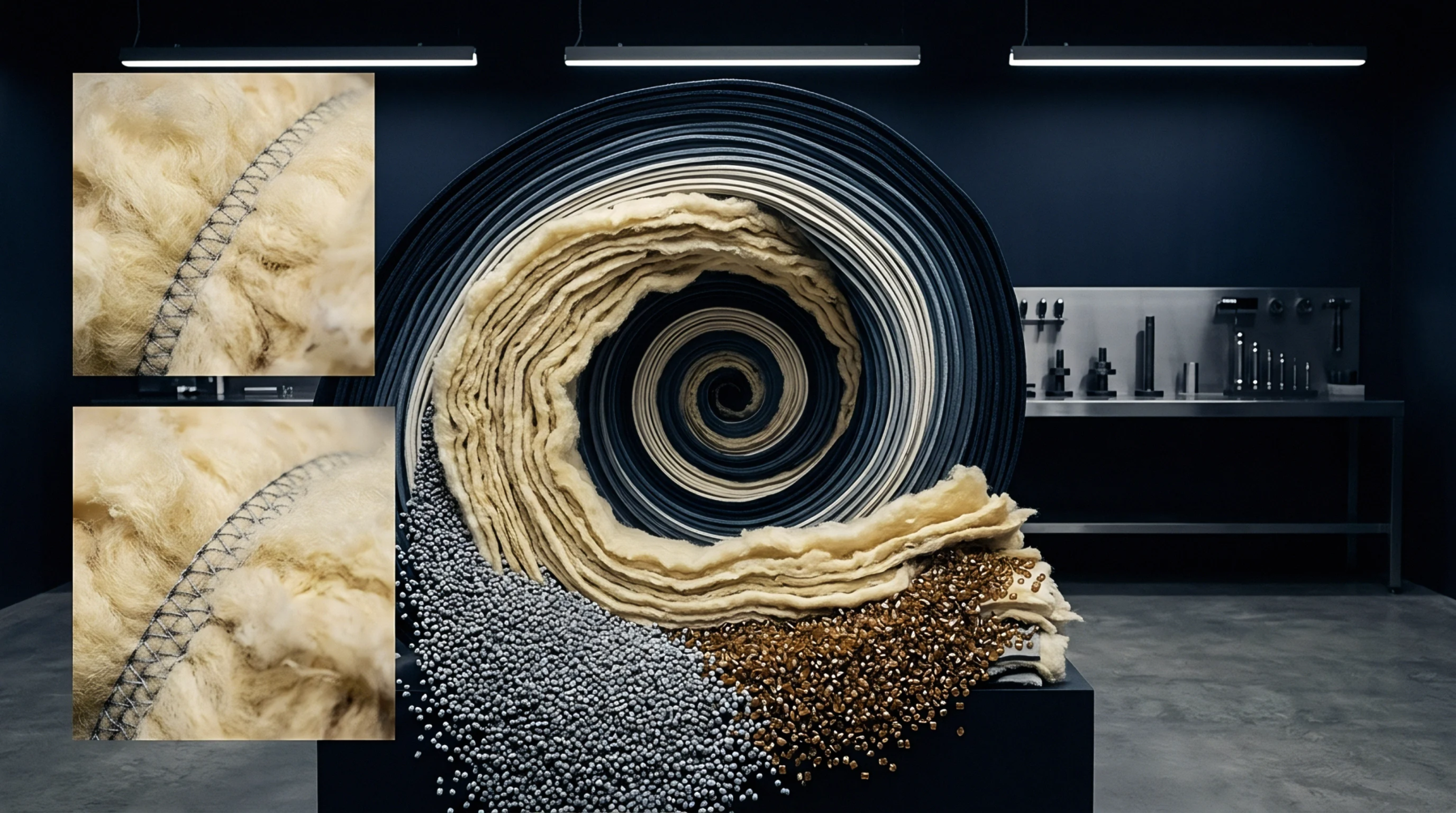
Collected fiber fragments undergo re-clearing for reintroduction into coarse rotor spinning batches or nonwoven felt production. High grade flat strips retain sufficient length for medium count yarns, while low grade motes enter industrial padding lines. Reprocessing carding waste maintains mill efficiency without compromising the tensile requirements of primary ring-spun yarns.